Nicaragua: A Nation's Right to Survive
1983-01-01 · 53 min · ★ 6.7
How can a country survive when its jungle borders hold 4000 hostile troops?
Trailers are previews, not full movies.
No authorized playback source configured. Use the legal watch options below.
Production details
- Directors
- Alan Lowery
- Production companies
- Unavailable
- Countries
- Unavailable
- Status
- Released
Top Cast
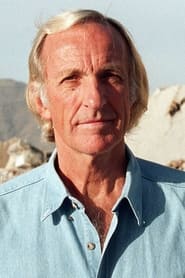 John Pilger
Title information and images are supplied by TMDb. Explore our discovery guide for advice on comparing metadata and legal viewing options.
Where to watch
Availability provided by JustWatch via TMDb. Offers can change. Provider links are listed on TMDb; full playback requires a separately authorized source.
Availability not listed for this country.
Seasons & episodes
Recommendations

Through deeply personal interviews with her siblings and an examination of the photographs, letters, and belongings left behind, Mariska assembles a new portrait of her mother Jayne Mansfield, an extraordinary and complex woman.

Capturing the daily operations, administrative meetings, lectures, and diverse community services of the New York Public Library, Wiseman highlights how the institution functions as an egalitarian center for learning, digital equity (such as lending internet access), cultural exchange, and public service.

In an intimate and joyful story of love in the face of loss, celebrated poets Andrea Gibson and Megan Falley find strength—and unexpected hilarity—in what might be their final year together.
The Making-of James Cameron's Avatar. It shows interesting parts of the work on the set.
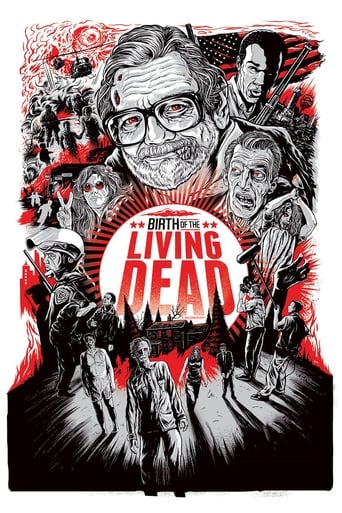
A behind the scenes look into George Romero's groundbreaking horror classic Night of the Living Dead.

Ranjit, a farmer in India, takes on the fight of his life when he demands justice for his 13-year-old daughter, the victim of a brutal gang rape. His decision to support his daughter is virtually unheard of, and his journey unprecedented.

A documentary on the expletive's origin, why it offends some people so deeply, and what can be gained from its use.

A string of threatening emails escalates into a revenge plot involving a newly married US marshal and his ex-girlfriend.

An inside look at one of the most anticipated movie sequels ever with James Cameron and cast.

In the Realms of the Unreal is a documentary about the reclusive Chicago-based artist Henry Darger. Henry Darger was so reclusive that when he died his neighbors were surprised to find a 15,145-page manuscript along with hundreds of paintings depicting The Story of the Vivian Girls, in What is Known as the Realms of the Unreal, of the Glodeco-Angelinnian War Storm, Cased by the Child Slave Rebellion.
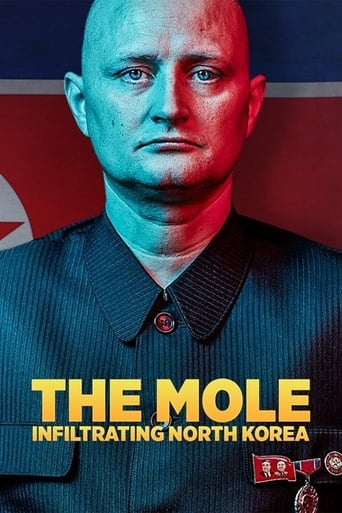
A real-life undercover thriller about two ordinary men who embark on an outrageously dangerous ten-year mission to penetrate the world's most secretive and brutal dictatorship: North Korea.

A 1993 documentary film about Bruce Lee. The film includes interviews from some of his fellow students and opponents who worked alongside him in his movies.

A visual montage portrait of our contemporary world dominated by globalized technology and violence.

A detailing of the rise to prominence and global sporting superstardom of six supremely talented young Manchester United football players (David Beckham, Nicky Butt, Ryan Giggs, Paul Scholes, Phil and Gary Neville). The film covers the period 1992-1999, culminating in Manchester United's European Cup triumph.

An investigation into the ongoing threat caused by the phenomenon of “fake news” in the U.S., focusing on the real-life consequences that disinformation, conspiracy theories and false news stories have on the average citizen.
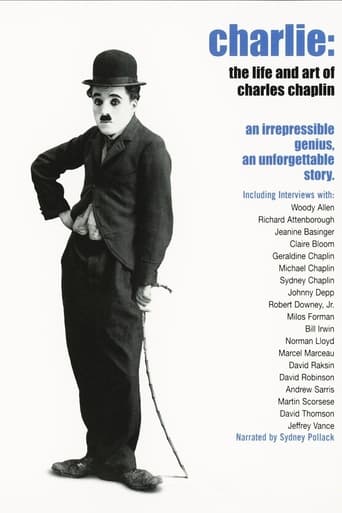
Brilliant, long in-the-works story of the life and art of the world's greatest comedian and the cinema's first genius, Charlie Chaplin. Produced, written and directed by renowned film critic Richard Schickel.

Join the likes of Jeremy Renner, Hailee Steinfeld, Florence Pugh, and Vincent D’Onofrio as they reveal how Marvel Studios’ “Hawkeye” was conceived and created. Witness firsthand what it took to pull off the show’s pulse-pounding action set pieces, and discover how iconic characters from the pages of Marvel Comics such as Kate Bishop were adapted and brought to life for the six-episode series.

From the heights of her modeling fame to her tragic death, this documentary reveals Anna Nicole Smith through the eyes of the people closest to her.
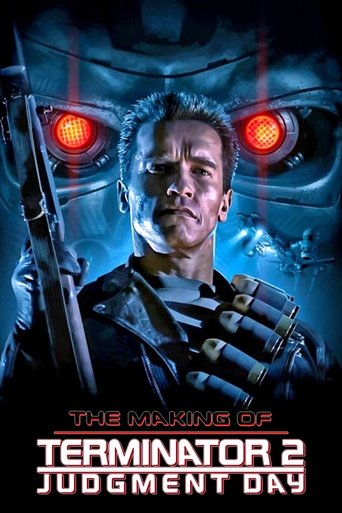
Documentary of the making of the sequel to the popular Schwarzenegger film, The Terminator.

Go behind the scenes and witness how the "Squid Game"-inspired reality show transformed from a scripted drama to a cutthroat, nail-biting competition.
Similar titles
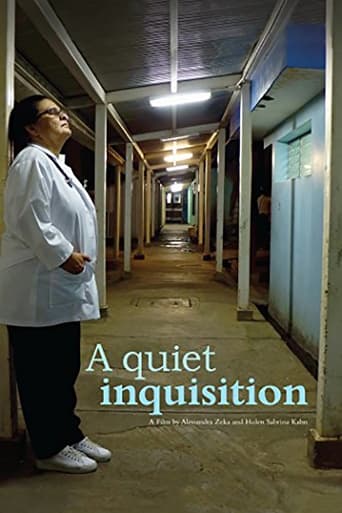
At a public hospital in Nicaragua, Ob/Gyn Dr. Carla Cerrato must choose between following a law that bans all abortions and endangers her patients or taking a risk and providing the care that she knows can save a woman's life. In 2007, Dr. Cerrato’s daily routine took a detour. The newly elected government of Daniel Ortega, a former Marxist revolutionary who converted to Catholicism to win votes, overturned a 130-year-old law protecting therapeutic abortion. The new law entirely prohibits abortion, even in cases of rape, incest, or when a woman’s life is at stake. As Carla and her colleagues navigate this dangerous dilemma, the impact of this law emerges—illuminating the tangible reality of prohibition against the backdrop of a political, religious, and historically complex national identity. The emotional core of the story—the experiences and situations of the young women and girls who are seeking care—illustrate the ethical implications of one doctor's response.
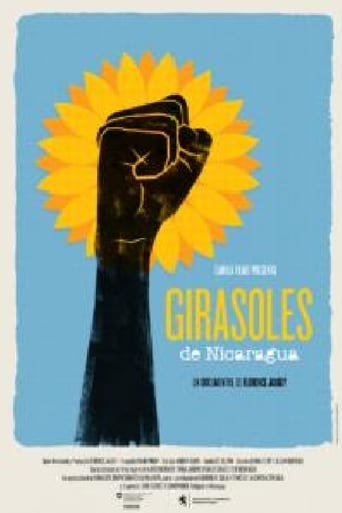
Sixteen female sex workers have been named judicial aides by Nicaragua’s Supreme Court to facilitate the resolution of conflicts that come up in their work. It is the first time in the world that sex workers have had access to this function. The film accompanies some of these women in their mediation work and in the actions they promote through their association, Girasoles (Sunflowers) of Nicaragua, to gain recognition and regulations for autonomous sex work.

Solentime (2020), directed by Carlos Henríquez Consalvi and Camilo Henríquez, revisits the memory of poet-priest Ernesto Cardenal and the Christian community he founded in the Solentiname archipelago, where art, faith, and revolutionary consciousness converged. The film reconstructs a failed 1973 documentary project, when a young Consalvi traveled from Venezuela to film Cardenal with a 16mm Bolex, only to discover the footage was ruined. Nearly five decades later, during the COVID-19 lockdown and after Cardenal’s death, father and son assemble photographs, archival images, and sound to evoke that encounter and the fragile persistence of memory, turning loss, decay, and time into the material of the film itself.
A documentary about Monimbo, a town in Nicaragua.

A short documentary, inspired by Eduardo Galeano: a short trip in rhythms, sounds and atmospheres in a cuban cigar factory in Estelí, Nicaragua.

Plastic artist Aparicio Arthola talks with his student about the catarsis in his creative process, the loss, death and uncertainty of art life in Nicaragua
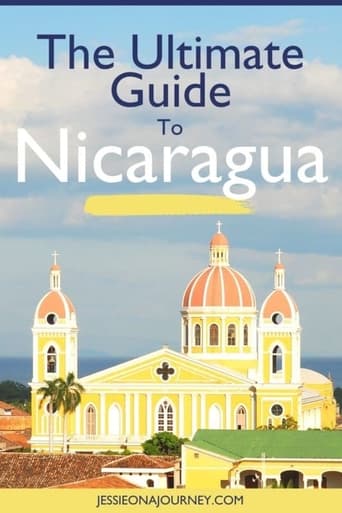
Looking for a few reasons why you should visit Nicaragua? Considering the country's two incredible coastlines, almost 20 volcanoes, lively colonial cities, abundant wildlife, rich culture, and delicious food, it won't be hard to convince you to put “visiting Nicaragua” at the top of your travel bucket list! Nicaragua, set between the Pacific Ocean and the Caribbean Sea, is a Central American nation known for its dramatic terrain of lakes, volcanoes and beaches. Vast Lake Managua and the iconic stratovolcano Momotombo sit north of the capital Managua. To its south is Granada, noted for its Spanish colonial architecture and an archipelago of navigable islets rich in tropical bird life.
Composed of stills by renowned Magnum photographer Susan Meiselas taken in 1978 and 1979 during the overthrow of the fifty-year dictatorship of the Somoza family. Written in the form of a letter from Meiselas to Karlin, it is a ruminative and often profound exploration of the ethics of witnessing, the responsibilities of war photography and the politics of the still image.
Shot in 1983–84 and focusing on the work of the Historical Institute, this film witnesses how Nicaraguans are recovering their history, the memory of Sandino’s struggle, to transform their sense of identity.
Through the eyes of journalists and photographers working at Barricada, the official publication of the FSLN, the film observes the problems of putting socialism into practice, with reports on the war, the economy, the prison system and the political process leading up to the 1984 elections.
A portrait of a remote area in the rural north of Nicaragua facing difficulties with the revolutionary process. It follows Marlon Stuart, the regional FSLN political organiser, at the time of the 1984 elections.
The film is about aftermaths and reckonings. Revisiting material for his earlier 4-part series, Karlin returns to Nicaragua to examine the history of the Sandinista government, consider its achievements, and assess the prospects for democracy following its defeat in the general election of 1990.
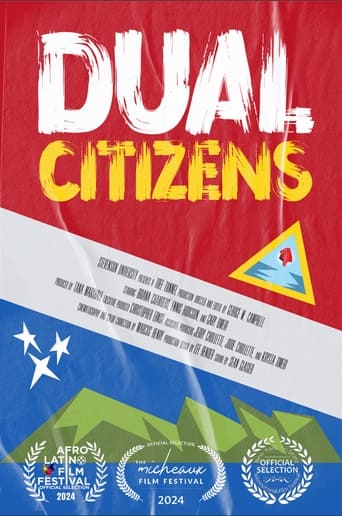
Three Nicaraguan-American artists from the Washington D.C. Metro area discuss growing up in two cultures and how it influences their art.
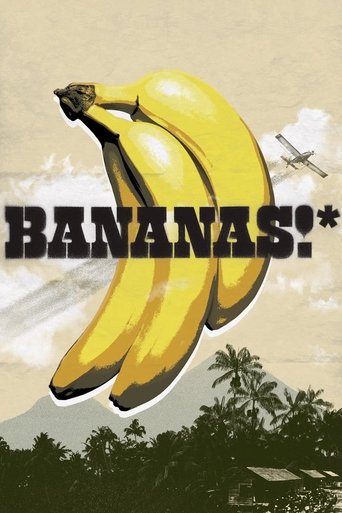
Juan “Accidentes” Dominguez is on his biggest case ever. On behalf of twelve Nicaraguan banana workers he is tackling Dole Food in a ground-breaking legal battle for their use of a banned pesticide that was known by the company to cause sterility. Can he beat the giant, or will the corporation get away with it?
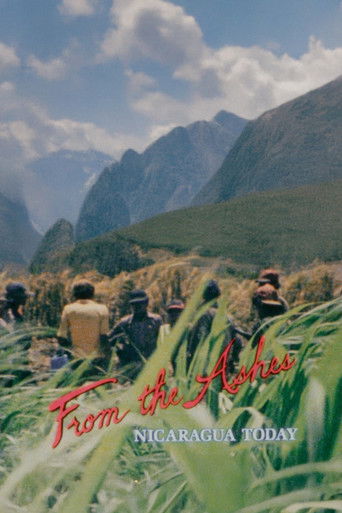
In this documentary portrait of post-revolutionary Nicaragua, director Helena Solberg follows the Chavarría family while examining the broader social and political changes following the 1979 overthrow of the Somoza dictatorship. Interweaving personal testimony with archival footage of U.S. intervention, revolutionary struggle, and national reform efforts, the film reflects on the hopes and tensions shaping the country’s future.
In the mid-1990s, Dieter Dubbert accidentally ends up with the Miskito Indians in Bismuna, Nicaragua. Here he begins to work with drug-addicted and delinquent young people from Germany who would otherwise disappear into homes and prisons.
Christian, Finn and Moritz became addicted to drugs as teenagers. In 1999, the film "Bismuna - Ein Abenteuerfilm" was made about the three teenagers and their counselor as they traveled to an indigenous tribe for the drug cure. Now, some 10 years later, it shows what the men have done with their lives.
The conflict between Dole Food Company and Swedish filmmaker Fredrik Gertten unfolds dramatically in the documentary "BIG BOYS GONE BANANAS!" as the corporation attempts to suppress Gertten's earlier film, "BANANAS!"—chronicling Nicaraguan workers' lawsuit against Dole. Initially selected for the 2009 Los Angeles Film Festival, "BANANAS!" was abruptly removed from competition, followed by a negative article in the Los Angeles Business Journal and legal threats from Dole's attorneys. Gertten captures this saga of corporate intimidation, media manipulation, and legal challenges in his documentary, showcasing the struggles documentary filmmakers face and highlighting the threat to freedom of speech posed by powerful corporations protecting their reputations.