

Opéra National de Paris: Verdi's Don Carlos
2017-10-19 · 290 min · Not rated
Set in 16th-century France and Spain, Don Carlos tells of the political and amorous rivalry between King Philip II and his son, Don Carlos, over Elisabeth de Valois. Krzysztof Warlikowski strips down a tragedy haunted by ghosts, and places the intimate at the heart of an imaginary fresco truer than history itself. Along with Philippe Jordan, he reveals to the public the very first version of this great five-act opera: the version modified by Verdi himself for the work’s first performance in 1867.
Trailers are previews, not full movies.
No authorized playback source configured. Use the legal watch options below.
Production details
- Directors
- Krzysztof Warlikowski
- Production companies
- Opéra National de Paris
- Countries
- France
- Status
- Released
Top Cast
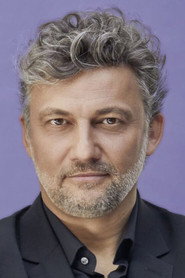 Jonas KaufmannDon Carlos
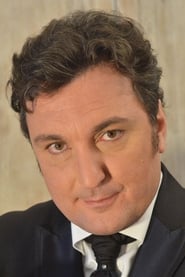 Ludovic TézierRodrigue
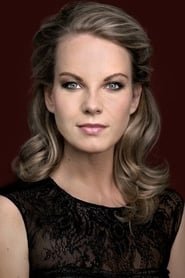 Elīna GarančaLa Princesse Eboli
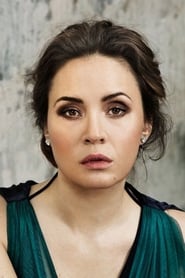 Sonya YonchevaElizabeth De Valois
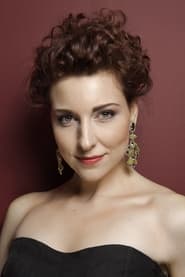 Ève-Maud HubeauxThibault
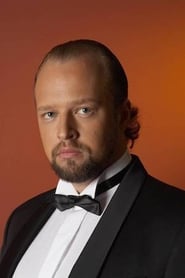 Dmitry BelosselskiyLe Grand Inquisiteur
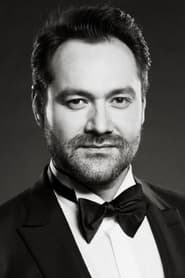 Ildar AbdrazakovPhilippe II
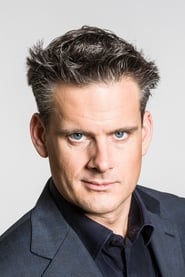 Philippe JordanSelf - Conductor
Title information and images are supplied by TMDb. Explore our discovery guide for advice on comparing metadata and legal viewing options.
Where to watch
Availability provided by JustWatch via TMDb. Offers can change. Provider links are listed on TMDb; full playback requires a separately authorized source.
Availability not listed for this country.
Seasons & episodes
Recommendations
The story of Django Reinhardt, famous guitarist and composer, and his flight from German-occupied Paris in 1943.
Maria Callas, the world's greatest opera singer, lives the last days of her life in 1970s Paris, as she confronts her identity and life.

Louis XIV, the French sun-king has two passions, establishing absolute rule over the realm -after decades of religious/civil wars- by divine right and artistic brilliancy as a dancer
The true story of Vera Brandes, teenage patron saint of the 1970s Cologne music scene, who risked everything to organize the greatest solo concert in music history: Keith Jarrett’s legendary Köln Concert.

A talented young singer and aspiring songwriter’s Christian faith and family ties are tested when she defies her worship-pastor father and pursues pop-music stardom in GRACE UNPLUGGED, a moving and inspiring new film that explores the true meaning of success.
The show is a dramatization of the life of Wolfgang Amadeus Mozart beginning from the age of 17 and culminating with his death in 1791 at the age of 35.
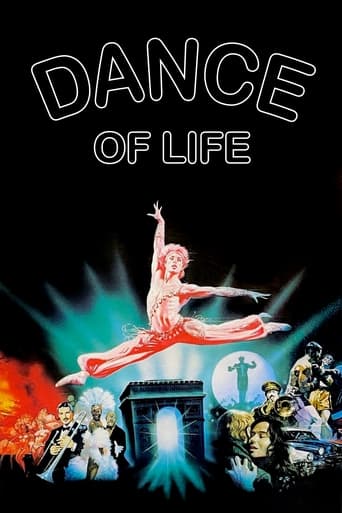
The film follows four families, with different nationalities (French, German, Russian and American) but with the same passion for music, from the 1930s to the 1960s. The various story lines cross each other time and again in different places and times, with their own theme scores that evolve as time passes. The main event in the film is the Second World War, which throws the stories of the four musical families together and mixes their fates. Although all characters are fictional, many of them are loosely based on historical musical icons (Édith Piaf, Josephine Baker, Herbert von Karajan, Glenn Miller, Rudolf Nureyev, etc.) The Boléro dance sequence at the end brings all the threads together.
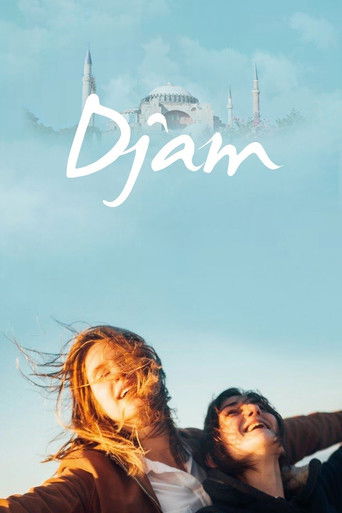
Djam, a young Greek woman, is sent to Istanbul by her uncle Kakourgos, a former sailor with a passion for Rebetiko, to find a rare part that will repair their boat. In Istanbul, she encounters Avril, a nineteen-year-old French girl, alone and without any money, who came to Turkey as a voluntary worker with refugees. Djam, generous, cheeky, unpredictable, and free-spirited, takes Avril under her wing on the way to Mytilene. A journey filled with encounters, music, sharing, and hope.
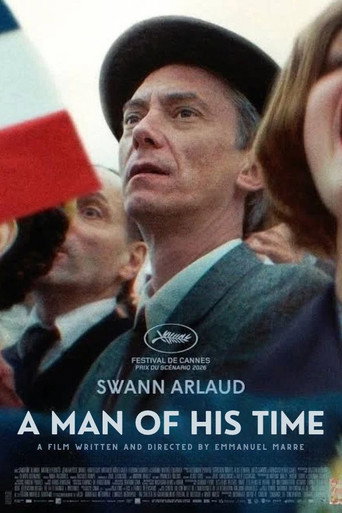
September 1940. Henri Marre arrives alone in Vichy as the authoritarian regime settles in. Broke, estranged from his family, and carrying copies of his self-published manifesto Notre Salut (Our Salvation), the 49-year-old is determined to secure what he believes is his rightful place in the new administration. In his writing, Henri sets out his patriotic convictions and his engineer’s methodology: efficiency above all. Claiming he wants to help save France after defeat, he does whatever is required to remain useful, serving the machinery of the new order with increasing skill. But he may be pursuing something more urgent: escape from his own ruin

A down-on-his-luck coach is hired to prepare a team of the best American dancers for an international tournament that attracts all the best crews from around the world, but the Americans haven't won in fifteen years.

An actress will play Barbara, the French singer. The shoot will soon start. The actress works on her character, her voice, the songs, scores, the gestures, knitting, scenes she has to learn, things are going okay, there's progress, development, she is even overwhelmed. The film director also works, through his encounters, through archives, music, he let's himself be submerged, overwhelmed like the actress, by the actress.
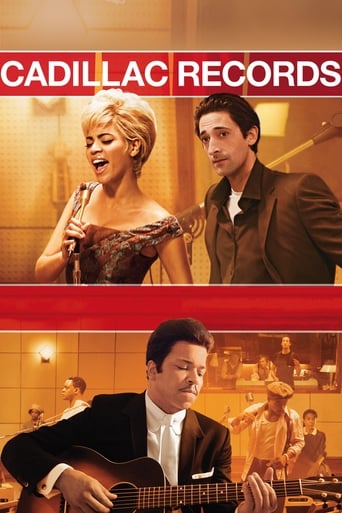
The story of sex, violence, race and rock and roll in 1950s Chicago, and the exciting but turbulent lives of some of America's musical legends, including Muddy Waters, Leonard Chess, Little Walter, Howlin' Wolf, Etta James and Chuck Berry.
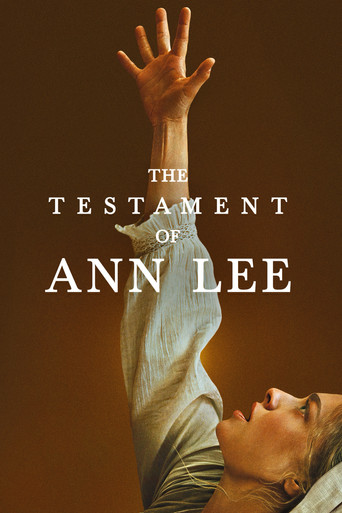
The extraordinary true legend of Ann Lee, founder of the devotional sect known as the Shakers, who preached gender and social equality and was revered by her followers as the female Christ.
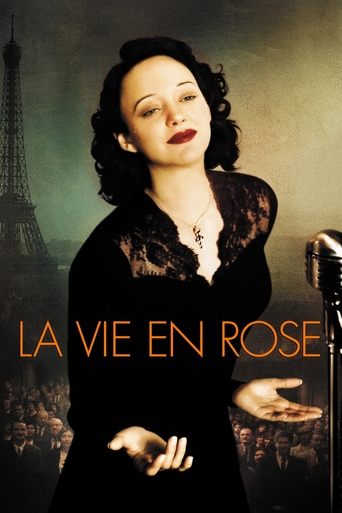
From the mean streets of the Belleville district of Paris to the dazzling limelight of New York's most famous concert halls, Edith Piaf's life was a constant battle to sing and survive, to live and love. Raised in her grandmother's brothel, Piaf was discovered in 1935 by nightclub owner Louis Leplee, who persuaded her to sing despite her extreme nervousness. Piaf became one of France's immortal icons, her voice one of the indelible signatures of the 20th century.
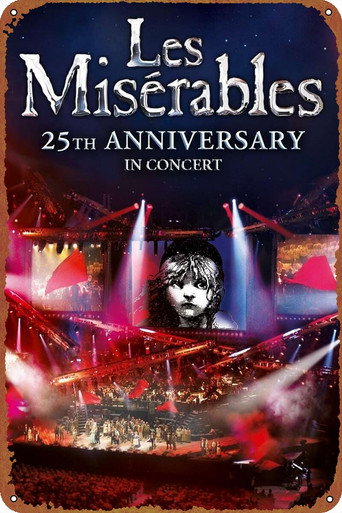
This concert, recorded to celebrate the 25th anniversary of the landmark musical Les Miserables, gathers the casts of the show's 2010 original production at the Queen's Theatre, the 1985 original production by the London company, and the 2010 production at the Barbican together for one performance. Together with talents like Michael Ball, Hadley Fraser, and John Owen-Jones, the performers present the play's musical numbers in a semi-theatrical style, fully costumed and with all the emotion of the musical's heyday.
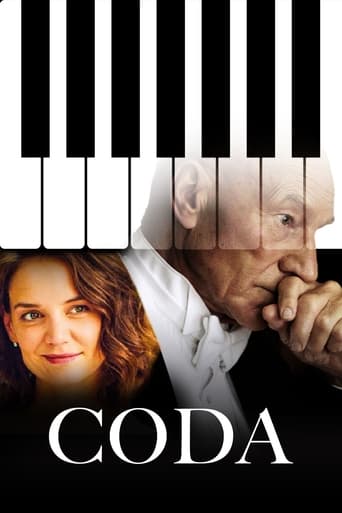
A famous pianist at the twilight of his career meets a free-spirited music critic who soon becomes his rock as his mental state deteriorates.
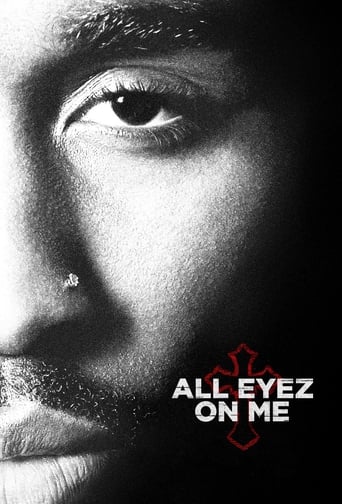
All Eyez on Me chronicles the life and legacy of Tupac Shakur, including his rise to superstardom as a hip-hop artist, actor, poet and activist, as well as his imprisonment and prolific, controversial time at Death Row Records. Against insurmountable odds, Tupac rose to become a cultural icon whose career and persona both continue to grow long after his passing.
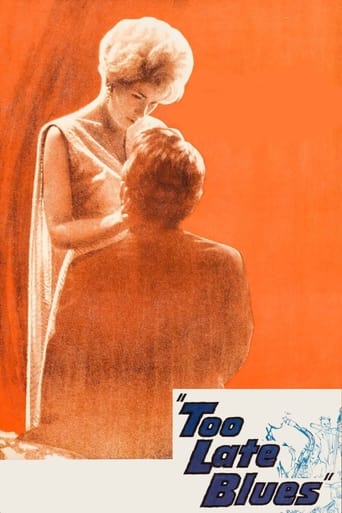
Ghost is an ideological musician and leader of a jazz band who would rather play his blues in the park to the birds than compromise himself. His peripatetic performances lead him to cross paths with a singer, while his masculinity is thrown into question following a violent brawl.
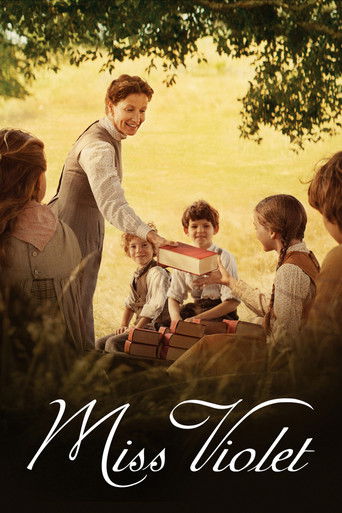
France. End of the 19th century. Louise Violet 40, a Parisian teacher, is sent on a mission to the French countryside. But in a place where the daily life is linked to the seasons, land and crops, she must first convince parents to send their kids to school. With the help of the mayor, she is gradually accepted by the parents and their children. But soon, her past catches up with her. Despite the obstacles she faces, Miss Violet will give her heart and soul to her belief that education is the key to freedom.
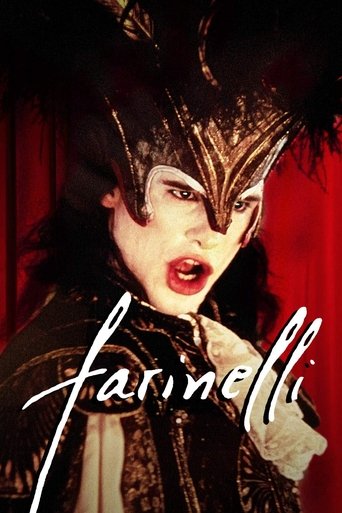
The life and career of Italian opera singer Farinelli, considered one of the greatest castrato singers of all time.
Similar titles
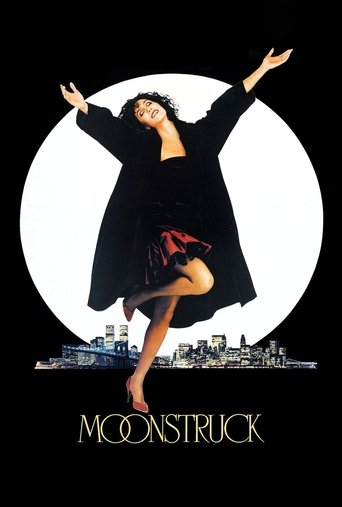
37-year-old Italian-American widow Loretta Castorini believes she is unlucky in love, and so accepts a marriage proposal from her boyfriend Johnny, even though she doesn't love him. When she meets his estranged younger brother Ronny, an emotional and passionate man, she finds herself drawn to him. She tries to resist, but Ronny, who blames his brother for the loss of his hand, has no scruples about aggressively pursuing her while Johnny is out of the country. As Loretta falls for Ronny, she learns that she's not the only one in her family with a secret romance.
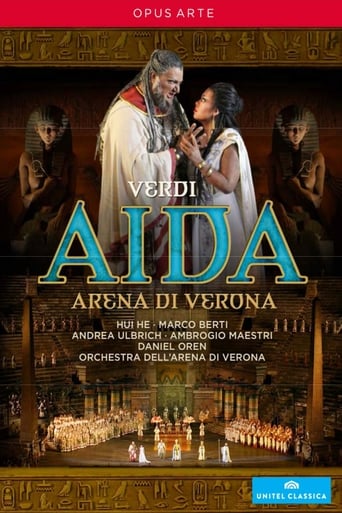
The grand scale and magnificent acoustics of the Roman arena in Verona are ideally suited to the pageantry of Verdi's Egyptian opera, presented here in a staging that is true to the original 1913 production, framed by obelisks and sphinxes and filled with chorus and dancers. Chinese soprano Hui He has won international acclaim for her portrayal of the eponymous slave girl whose forbidden love for the war hero Radamés (Marco Berti, the experienced Verdi tenor) brings death to them both.
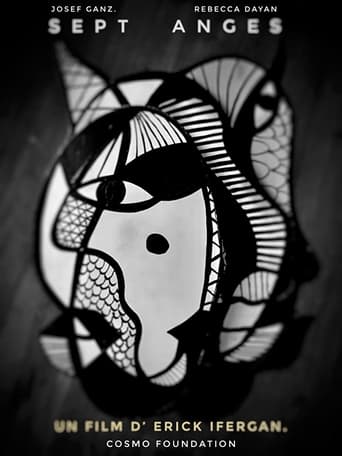
An invitation to enter the soul of an artist - director Erick Ifergan - through a highly personal retelling of the Orpheus tale suffused with Ifergan's striking paintings, sculpture and conceptual photography.
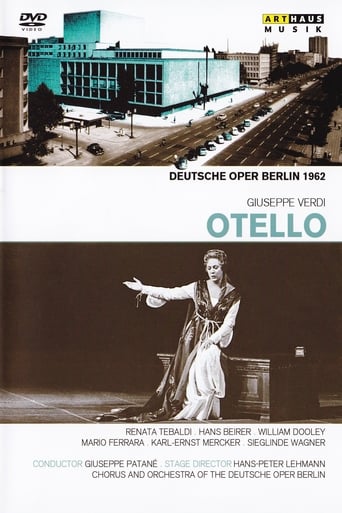
Desdemona in Verdi's Otello was a career role for soprano Renata Tebaldi, from her first operatic performance outside of Italy to her final appearance on the opera stage. Between those landmarks she performed the role nearly 100 times all over the world and made studio audio recordings that became reference recordings for the role. This 1962 production with the Deutsche Oper Berlin and Giuseppe Patane was planned as a media event from the outset and blessedly captures a consummate artist in a signature role at the peak of her gifts.
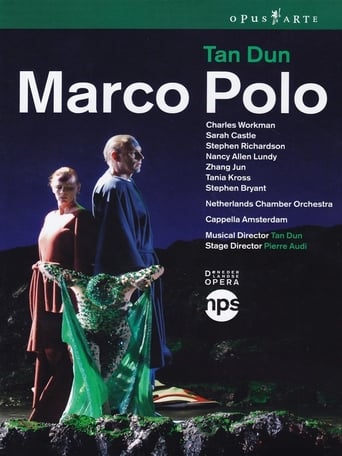
Tan Dun portrays the Venetian explorer's travels to the Far East as a journey of both inner and physical discovery, a voyage depicting spiritual experiences as well as a geographical expedition. Pierre Audi's mythical staging and Jean Kalman's fabulous set design complement the composer's own musical direction, forging the dazzlingly versatile soloists, the Netherlands Chamber Orchestra and Cappella Amsterdam to a stunning symbiosis of elements across time and space, a true testimony to cultures intertwined in globalization.
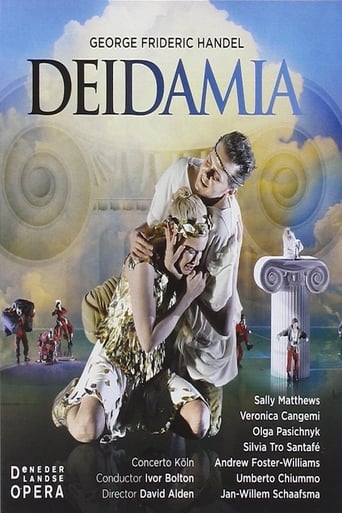
A production of an opera by George Frideric Handel, about the Skyrian princess Deidamia helping Achilles while he is disguised as a girl to avoid dying in the Trojan War, based on Greek mythology.
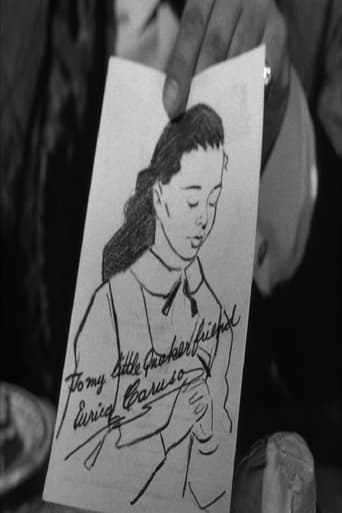
A ten-year-old girl meets famed opera singer Enrico Caruso on a train between Boston and New York. She admonishes him for his extravagant lifestyle, but she is softened up somewhat when Caruso begins to sing arias from her favorite operas.
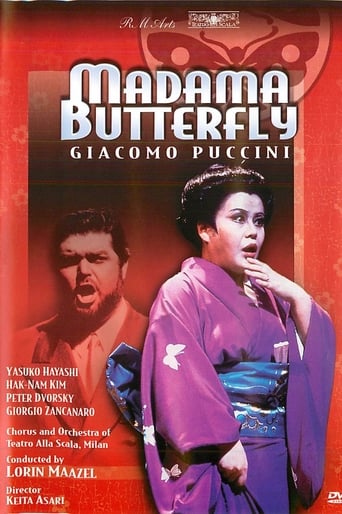
Opera at La Scala Milan
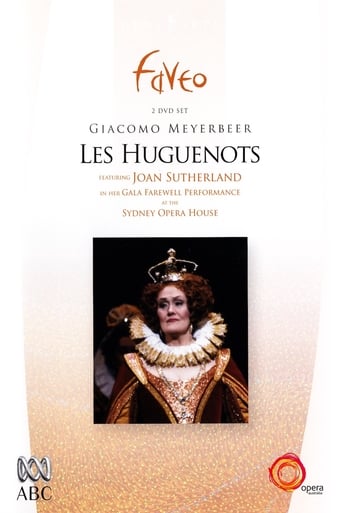
Joan Sutherland's farewell performance to the operatic stage offsets this story of the St. Bartholomew's Day massacre and the magnificence of 16th century France.
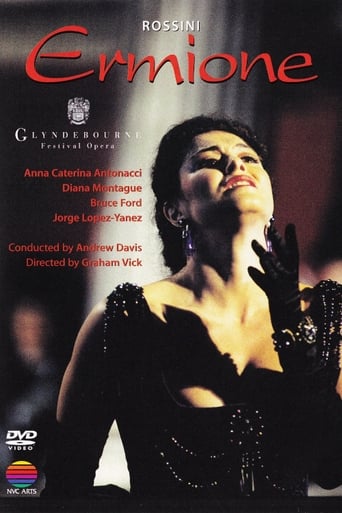
Recorded at the Glyndebourne Festival Opera in 1995, this acclaimed presentation of composer Gioachino Rossini's epic opus ERMIONE is based on Jean Racine's play "Andromache." Set in Troy after the city fell to the Greeks, the production recounts the rancorous battle between widow Andromache and Helen of Troy's green-eyed daughter, Ermione for the love of Pyrrhus

In Benjamin Britten's operatic adaptation of Henry James' masterwork, a naive governess (Helen Field) arrives at a country manor and soon discovers that it holds a murky secret involving her charges and two ghostly servants who wield a sinister influence on them. The taut, atmospheric production also stars Sam Linay, Machiko Obata, Menai Davies and Phyllis Cannan, with the Stuttgart Radio Symphony Orchestra providing accompaniment.
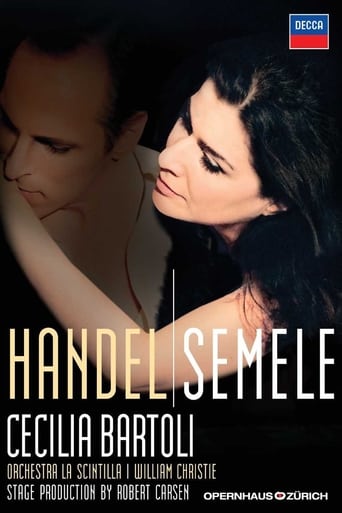
Opera superstar Cecilia Bartoli offers her first operatic release on DVD in 12 years, and also her first opera in English. Bartoli stars as Semele (a role usually taken by a soprano) in Handel s late opera, which features such well-known arias as Endless pleasure, endless love, Myself I shall adore, and Oh sleep, why dost though leave me? Robert Carsen s stylish modern dress production hints at parallels with the problematic relationship between the late Princess Diana and the British Royal Family. Recorded live at the Zurich Opera House in January, 2007.

The production by Deutsche Oper Berlin achieves a beautiful balance between the stage drama and the music. It proves that there are still singers who can perform Verdi's melodies at the highest level and that it is also possible to bring them together into an ensemble. The production fulfills all one's expectations of the modern city of Berlin in terms of stylishness and performance.

This thought-provoking, modern-day interpretation of Rossini's 'Mosè in Egitto' sets the scene for superior music-making at the prestigious Rossini Festival in Pesaro. For conductor Roberto Abbado, the transposition of the action to the present day releases the energy of Rossini's music. At his disposal is a cast of top-quality vocalists such as the “refined bel canto artist(Bresciaoggi) Sonia Ganassi as Elcia, and the “outstanding” Dmitry Korchak as the Pharaoh's son, two lovers fatefully drawn into the political turmoil and catastrophes of their time. Also among the protagonists are the “thoroughly brilliant” (DeutschlandRadio Kultur) baritone Alex Esposito as Faraone and, in his Rossini Festival debut, young, full-bodied bass Riccardo Zanellato as Moses. Conductor Roberto Abbado “inspired his musicians to deliver a spectacular performance” (Salzburger Nachrichten).
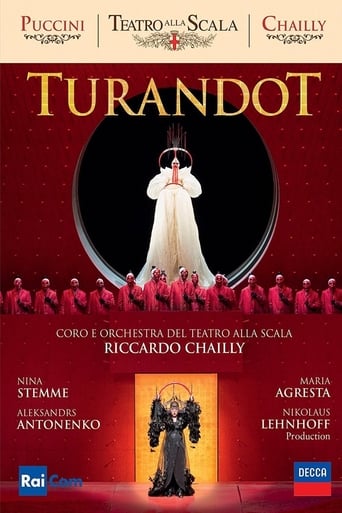
Visually this is a gripping production which captures the drama of this opera perfectly. It's downright exciting! and I found the singing, acting, and orchestral playing reasonably fine. I found only one major problem with it, a problem that kept Puccini for quite a few years. Turandot has been looking for an opportunity to kill Calif and Calif has singlemindedly tried to get Turandot to love and wed him focusing on her and ignoring a better looking girl who loves him truly. The problem is how to get the audience to applaud the match once Calif gets his wish. Puccini couldn't figure out how to do it. The traditional quick ending doesn't do it, and Berio's attempt is longer , tries its best, but ends up making it plain this is one wierd couple.

As Aragon descends into unrest, a count jealously fights for a noble lady's heart. But she has already given it to a passionate troubadour whose mother holds a terrible secret.

The tale of a quick-witted fox and her escape from confinement for a life in the forest.
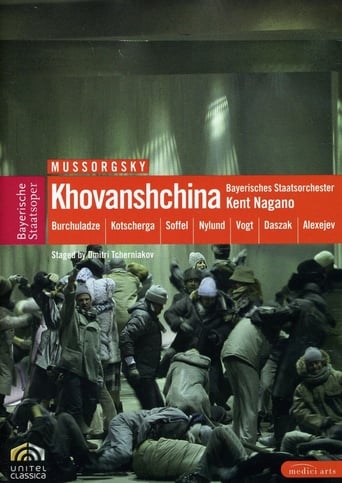
Kent Nagano superbly masters the challenges presented by this score, shapes the dynamics with subtle intensity, and casts the score in a mellow glow. As Marfa, the spurned lover of Ivan Khovansky‘s son Andrei, Doris Soffel unfolds such a rich palette of sonorities, from the pathos of the lower ranges to shaded discant heights, that “one is tempted to speak of a Russian mezzo”. The final chorus, which Mussorgsky did not compose, is played in the orchestrally transparent version of Igor Stravinsky – the third great Russian composer who contributed to making “Khovanshchina“ a timeless, gripping stage work. With his stripped-down sets and historicising costumes, director Dmitri Tcherniakov, one of the new voices of contemporary Russian theatre, builds a bridge to the political present. A lesson in history and music!
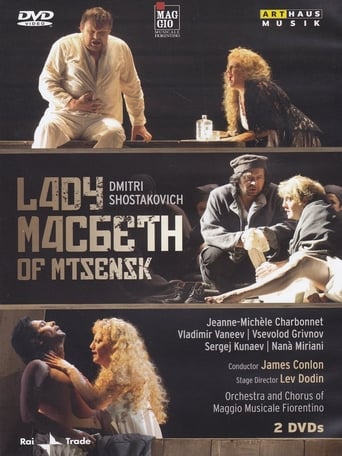
At first glance, the title of Shostakovich’s opera seems to speak for itself: Katherina, neglected and unhappy in her marriage, commits the most heinous crime just like the Shakespearian Lady Macbeth. But Nikolai Leskov’s short novel, which portrays Katherina as a monster, was only the starting point for Shostakovich to elicit understanding for an oppressed woman whose pursuit for self-determination is suppressed by society. Through combining satiric, grotesque and tragic elements in his music, Shostakovich succeeds in striking the balance between repulsion at Katherina’s immoral acts and sympathy for her. Violence, eroticism and the paralysing boredom of Russian society in the 19th century are the founding elements of this composition. The choir and orchestra of the Maggio Musicale Fiorentino conducted by James Conlon accompany tremendous soloists such as Jeanne-Michèle Charbonnet, Vladimir Vaneev and Vsevolod Grivnov in the original language in this live recording.
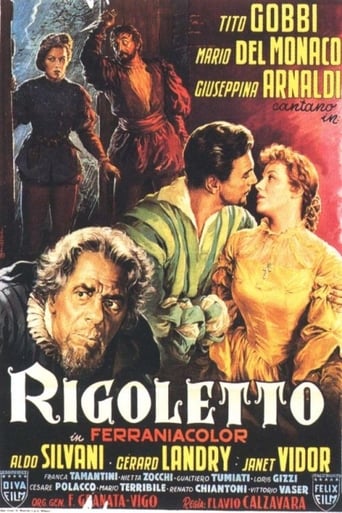
This tragic story revolves around the licentious Duke of Mantua, his hunch-backed court jester Rigoletto, and Rigoletto's beautiful daughter Gilda. The opera's original title, La maledizione (The Curse), refers to the curse placed on both the Duke and Rigoletto by a courtier whose daughter had been seduced by the Duke with Rigoletto's encouragement. The curse comes to fruition when Gilda likewise falls in love with the Duke and eventually sacrifices her life to save him from the assassins hired by her father.