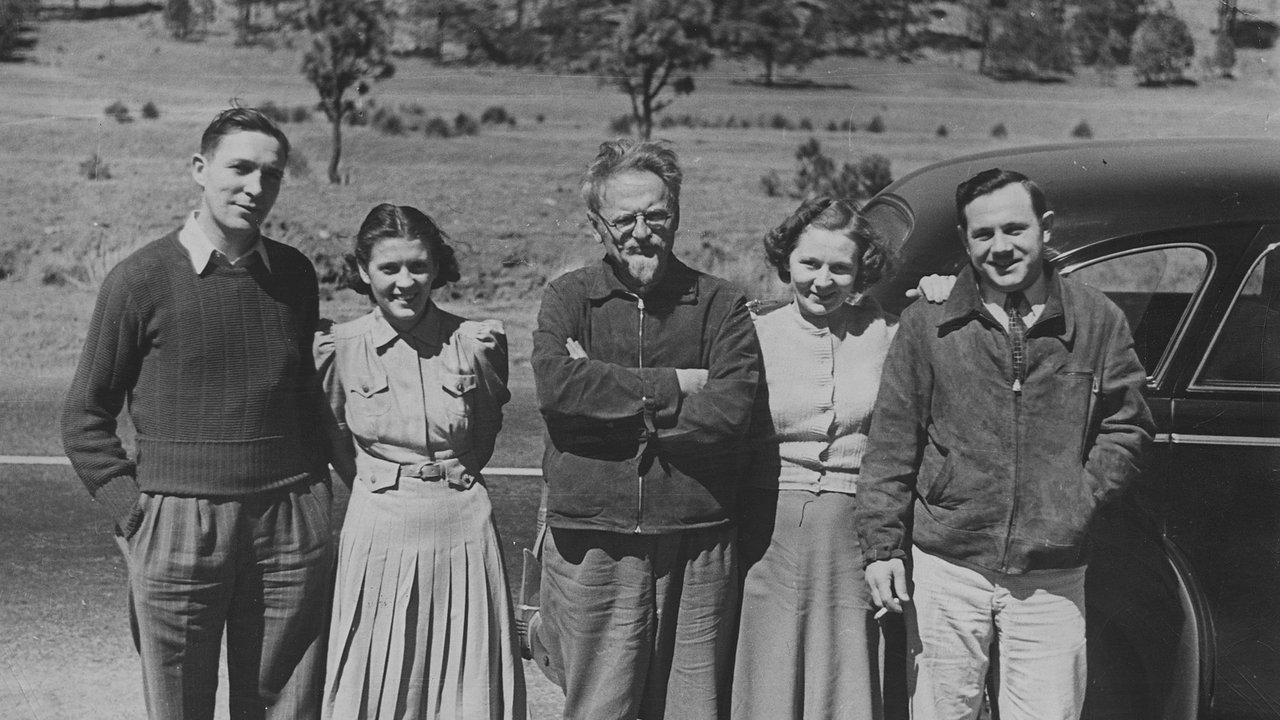

Leon Trotsky - The Life of a Revolutionary
2017-10-26 · 45 min · Not rated
To mark the centenary of the Russian Revolution, the International Marxist Tendency and In Defence of October campaign present this original documentary celebrating the life and accomplishments of one of the revolution’s main leaders: Leon Trotsky.
Trailers are previews, not full movies.
No authorized playback source configured. Use the legal watch options below.
Production details
- Directors
- Anders Krog
- Production companies
- Unavailable
- Countries
- Unavailable
- Status
- Released
Top Cast
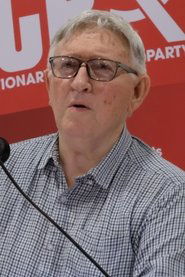 Alan WoodsNarrator
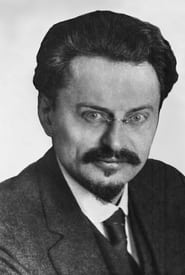 Leon TrotskySelf (archive footage)
Title information and images are supplied by TMDb. Explore our discovery guide for advice on comparing metadata and legal viewing options.
Where to watch
Availability provided by JustWatch via TMDb. Offers can change. Provider links are listed on TMDb; full playback requires a separately authorized source.
Availability not listed for this country.
Seasons & episodes
Recommendations
A presentation of a case for a needed transition out of the current socioeconomic monetary paradigm which governs the entire world society. This subject matter will transcend the issues of cultural relativism and traditional ideology and move to relate the core, empirical 'life ground' attributes of human and social survival, extrapolating those immutable natural laws into a new sustainable social paradigm called a 'Resource-Based Economy'.

A documentary on the expletive's origin, why it offends some people so deeply, and what can be gained from its use.
A road trip across five countries to explore the social and political movements as well as the mainstream media's misperception of South America while interviewing seven of its elected presidents.

Mikhail Gorbachev, former president of the Soviet Union, sits down with filmmaker Werner Herzog to discuss his many achievements. Topics include the talks to reduce nuclear weapons, the reunification of Germany and the dissolution of his country.

When Allied forces liberated the Nazi concentration camps in 1944-45, their terrible discoveries were recorded by army and newsreel cameramen, revealing for the first time the full horror of what had happened. Making use of British, Soviet and American footage, the Ministry of Information’s Sidney Bernstein (later founder of Granada Television) aimed to create a documentary that would provide lasting, undeniable evidence of the Nazis’ unspeakable crimes. He commissioned a wealth of British talent, including editor Stewart McAllister, writer and future cabinet minister Richard Crossman – and, as treatment advisor, his friend Alfred Hitchcock. Yet, despite initial support from the British and US Governments, the film was shelved, and only now, 70 years on, has it been restored and completed by Imperial War Museums under its original title "German Concentration Camps Factual Survey".

A 1993 documentary film about Bruce Lee. The film includes interviews from some of his fellow students and opponents who worked alongside him in his movies.
George Orwell was one of the most visionary authors of the 20th century, whose novels 1984 and Animal Farm foretold a chilling, authoritarian future. Acclaimed director Raoul Peck interweaves clips, readings from Orwell's diary, cinematic references, and modern-day footage to craft not only a portrait of the writer, but a fresh take on how prophetic his work has become.

Through deeply personal interviews with her siblings and an examination of the photographs, letters, and belongings left behind, Mariska assembles a new portrait of her mother Jayne Mansfield, an extraordinary and complex woman.

Martin Scorsese, Robert De Niro, Joe Pesci, and Al Pacino in conversation about The Irishman.

In an intimate and joyful story of love in the face of loss, celebrated poets Andrea Gibson and Megan Falley find strength—and unexpected hilarity—in what might be their final year together.

A subjective documentary that explores various theories about hidden meanings in Stanley Kubrick's classic film The Shining. Five very different points of view are illuminated through voice over, film clips, animation and dramatic reenactments.

This revealing documentary honors the legendary Sidney Poitier—iconic actor, filmmaker, and civil rights activist. Featuring interviews with Denzel Washington, Spike Lee, Halle Berry, and more.
A real-life undercover thriller about two ordinary men who embark on an outrageously dangerous ten-year mission to penetrate the world's most secretive and brutal dictatorship: North Korea.
A documentary on the life of John Lennon, with a focus on the time in his life when he transformed from a musician into an antiwar activist.
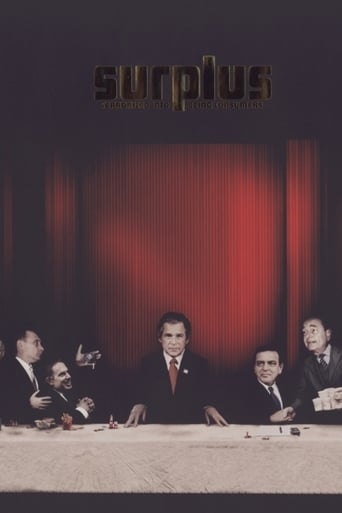
Swedish documentary film on consumerism and globalization, created by director Erik Gandini and editor Johan Söderberg. It looks at the arguments for capitalism and technology, such as greater efficiency, more time and less work, and argues that these are not being fulfilled, and they never will be. The film leans towards anarcho-primitivist ideology and argues for "a simple and fulfilling life".
A documentary examining the decade of the 1970s as a turning point in American cinema. Some of today's best filmmakers interview the influential directors of that time.
Film adaptation of French economist Thomas Piketty's ground-breaking global bestseller of the same name: an eye-opening journey through wealth and power.

“The Soviet Story” is a story of an Allied power, which helped the Nazis to fight Jews and which slaughtered its own people on an industrial scale. Assisted by the West, this power triumphed on May 9th, 1945. Its crimes were made taboo, and the complete story of Europe’s most murderous regime has never been told. Until now...

Musician and performance artist Laurie Anderson reflects on the deaths of her husband Lou Reed, her mother and her beloved dog.

From a prolific career in film and television, Anton Yelchin left an indelible legacy as an actor. Through his journals and other writings, his photography, the original music he wrote, and interviews with his family, friends, and colleagues, this film looks not just at Anton's impressive career, but at a broader portrait of the man.
Similar titles
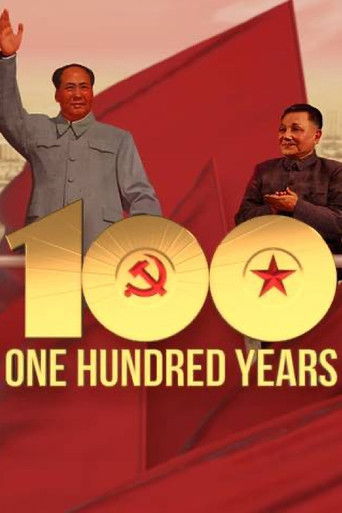
As the Communist Party of China celebrates its 100th anniversary, this documentary looks back at the party’s history, from the 1920’s, to the Civil War, the Great Leap Forward, the Great Famine, the Cultural Revolution and the reforms by Mao Zedong and Deng Xiaoping. Did the Great Famine cost more than 15 million lives? How does the Cultural Revolution continue to shape Chinese politics today? What was capitalism like after Mao’s death? Through rare and never-before-seen historical footage, expert interviews and eyewitness accounts of the Great Famine, Tiananmen incident, and the Cultural Revolution, get to know how one party has so profoundly shaped China.
Red Storm Rising” looks at the rise and fall of the American Communist Party, examining its political context, its leadership, its appeal to the American public, and why it never became mainstream.
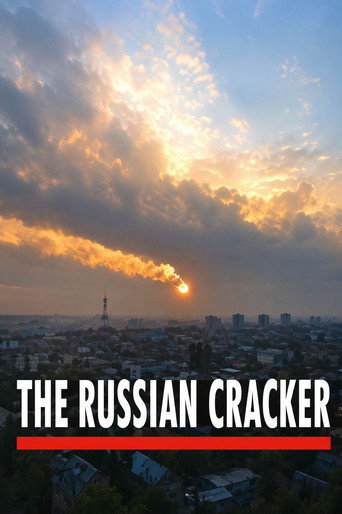
Russia is grappling with a critical issue: they have become the country with the most at large serial killers in the world particularly concentrated in Rostov, the same city that witnessed Andrei Chikatilo's infamous killing spree. In response, law enforcement has turned to Dr. Alexander Bukhanovsky, a prominent psychiatrist and criminal profiler, who is implementing radical measures to understand the root causes of this phenomenon and develop effective solutions. Within Dr. Bukhanovsky's clinic, we encounter three of his young patients: Edward and Igor, whose families express deep concerns about their disturbing fantasies, and 'Mischa', who has perpetrated acts of torture and sexual assault. Dr. Bukhanovsky's approach is groundbreaking, offering treatment to potential serial offenders. However, critics argue that by keeping individuals like 'Mischa' anonymous, he may inadvertently shield them from public awareness and accountability, prompting debate over the ethics of his methods.
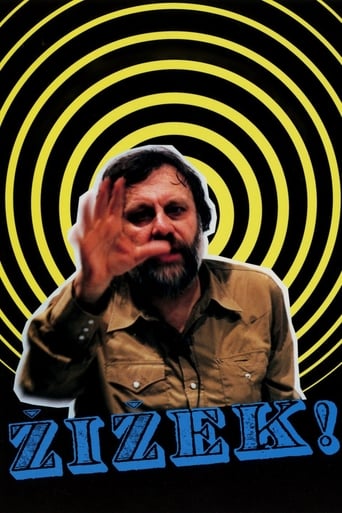
ŽIŽEK! trails the thinker as he crisscrosses the globe, racing from New York City lecture halls, through the streets of Buenos Aires, and even stopping at home in Ljubljana, Slovenia. All the while Žižek obsessively reveals the invisible workings of ideology through his unique blend of Lacanian psychoanalysis, Marxism, and critique of pop culture.
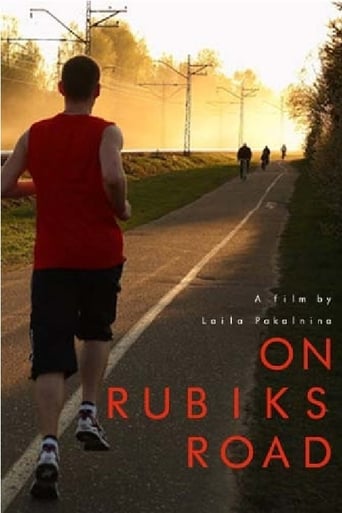
Rubiks’ Road is a bicycle path built in the 1980s and named after Alfreds Rubiks, leader of the Latvian Communist party at the time. One of the most ferocious opposers to Latvia’s independence in the early 1990s and later elected to the European Parliament.
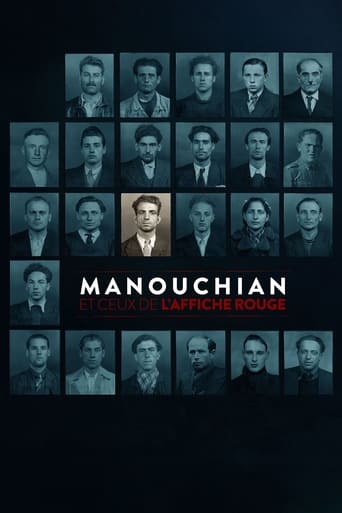
In February 1944, in a courtyard at Fresnes Prison, the Germans staged a spectacle to stigmatize a group of communist resistance fighters—all foreigners and mostly Jewish—who had been arrested a few weeks earlier. The propaganda aimed to discredit these fighters, portraying them as terrorists and criminals, even though they had managed to carry out numerous attacks against the occupiers in Paris. The red poster, plastered in thousands of copies across the country, would immortalize them in legend. They were subsequently executed at Mont-Valérien, near Paris. Missak Manouchian, the Armenian who led these fighters, now embodies this group in the collective memory as he is enshrined in the Panthéon, on behalf of all his comrades, 80 years after their execution.
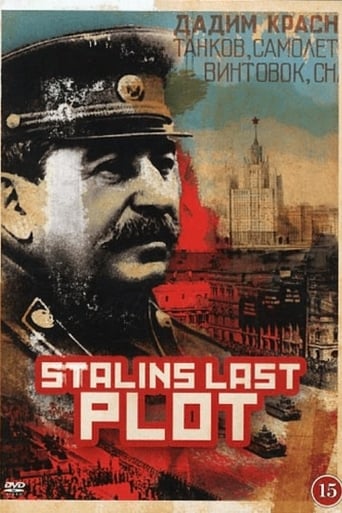
January 1953: On the eve of his death Stalin finds himself yet another imaginary enemy: Jewish doctors. He organizes the most violent anti-Semitic campaign ever launched in the USSR, by fabricating the "Doctors' Plot," whereby doctors are charged with conspiring to murder the highest dignitaries of the Soviet Regime. Still unknown and untold, this conspiracy underlines the climax of a political scheme successfully masterminded by Stalin to turn the Jews into the new enemies of the people. It reveals his extreme paranoia and his compulsion to manipulate those around him. The children and friends of the main victims recount for the first time their experience and their distress related to these nightmarish events.

In late eighties, in Ceausescu's Romania, a black market VHS bootlegger and a courageous female translator brought the magic of Western films to the Romanian people and sowed the seeds of a revolution.
Ho Chi Minh spent decades trying to lead Vietnam to independence. In the summer of 1966, the United States found itself in a war it couldn't win, against an enemy it didn't understand. For the Americans, it was a war against Communism. But for the Vietnamese, it was a war to break free from centuries of foreign oppression. At this pivotal moment in their history, they were led by one man who would stop at nothing to free his people. They called him Uncle Ho. To the rest of the world, he was Ho Chi Minh. Millions of Vietnamese would pay the price for Ho Chi Minh's vision of a free Vietnam. A vision that was as bold as it was unbreakable.
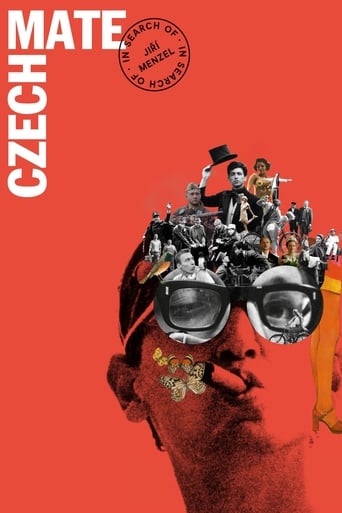
An epic exploration of the Czechoslovak New Wave cinema of the 1960s and 70s, structured around a series of conversations with one of its most acclaimed exponents - Closely Observed Trains director Jiří Menzel.
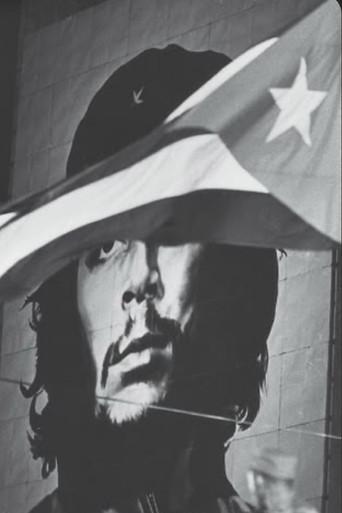
A documentary featuring the testimonies of encounters with Che Guevara during his final days spent fighting in Bolivia.
French documentary from 2013. Mao Zedong and his fourth wife Jiang Qing were married for 37 years, from 1939 until Mao's death in 1976. After his death, she was tried and imprisoned where, at the age of 77, she committed suicide. All the official portraits of her were removed after her death and she became a scapegoat of the things for which Mao was ultimately responsible.

March 9th, 1953, 5 million people attend Stalin’s funeral. A revolutionary lacking in both charisma and stature, Stalin came to power almost by chance, and his 30-year reign saw him become the most Machiavellian and bloodthirsty of dictators. The man who insisted on being called “The Father of the People” massacred his own countrymen, and was responsible for the death of some 20 million people. Soon forgetting his former ideological stance, he mercilessly crushed anyone who opposed him, in both word and deed. His camps for reform through hard labor – known as “gulags” – turned 18 million Russians into slaves. He not only murdered his opponents but his best friends too, and even sometimes members of his own family. His cruelty knew no bounds. Through colorized archive material rich in previously unseen footage, and many accounts from the period including some from Stalin himself, this documentary tells the story of a man who turned a dream into a nightmare.
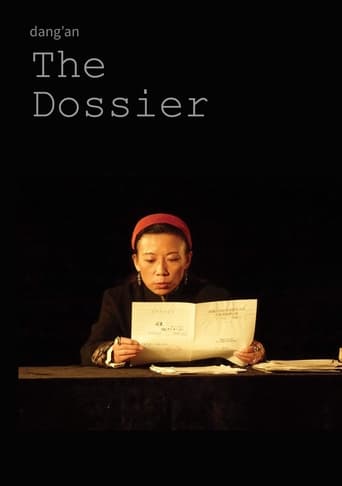
Tibetan writer Tsering Woeser's efforts to document and present the reality of Tibet were considered a "political problem" by the Chinese Party-state and she was fired from her job. Since then, she has persevered as an independent writer and has continued to speak out for the sufferings of Tibetan people. Zhu Rikun, the director, came into possession of Tsering's official dossier which then became the main thread of this film. The first half of the movie is centred around her reading of the dossier; be patient as the theme grows and her interviews document the changed direction her career took including footage from Tibet.
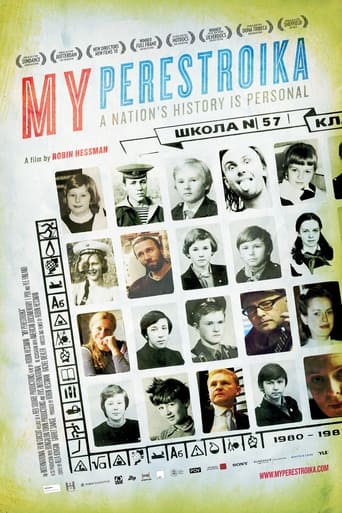
Tells the story of five people from the last generation of Soviet children who were brought up behind the Iron Curtain. Just coming of age when the USSR collapsed, they witnessed the world of their childhood crumble and change beyond recognition. Through the lives of these former schoolmates, this intimate film reveals how they have adjusted to their post-Soviet reality in today's Moscow.
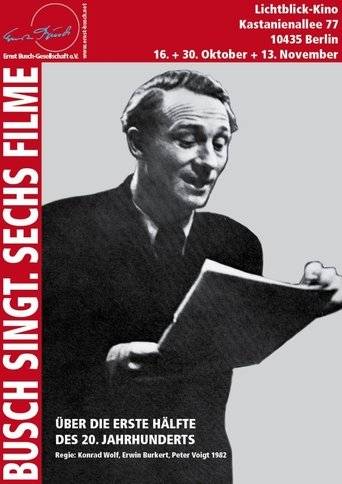
"Busch singt" consists of 6 films "About the first part of our century" and does not present Ernst Busch only as a singer but is a film with and about Busch as a chronicler and fighter for communist ideals of his time. Konrad Wolf died during the production, he directed part 3 "1935 oder Das Faß der Pandora" and part 5 "Ein Toter auf Urlaub".

Cuba is a place of longing. The Caribbean cliché comes to life here: sunlight, music, and a joy of living. Buena Vista Social Club around the clock. A utopia beyond the routines of everyday life, far removed from our efficiency-driven society. Cuba feels like a living open-air museum. Classic cars, old palaces, steam locomotives, and ox-drawn carts. The government seems torn between the need for modernization and the desire to preserve the past, knowing that it is precisely this timeless atmosphere that fascinates tourists. An island from a bygone golden age, one might be tempted—perhaps too hastily—to think.