
The Way the Eagle Shits
1975-01-01 · 10 min · Not rated
Al Levin examines the system which functions to keep the working class in the United States oppressed.
Trailers are previews, not full movies.
No authorized playback source configured. Use the legal watch options below.
Production details
- Directors
- Unavailable
- Production companies
- Haymarket Films
- Countries
- Unavailable
- Status
- Released
Top Cast
Title information and images are supplied by TMDb. Explore our discovery guide for advice on comparing metadata and legal viewing options.
Where to watch
Availability provided by JustWatch via TMDb. Offers can change. Provider links are listed on TMDb; full playback requires a separately authorized source.
Availability not listed for this country.
Seasons & episodes
Recommendations
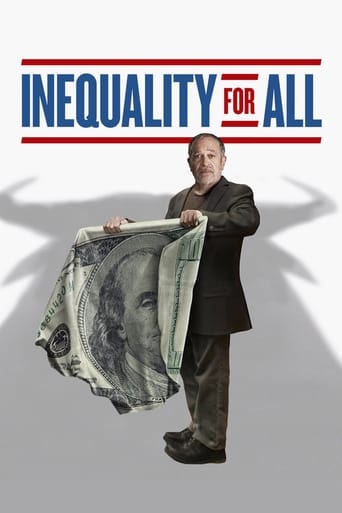
Based on Reich's 2010 book Aftershock: The Next Economy and America's Future, the film examines widening income inequality in the United States. U.S. Labor Secretary Robert Reich tries to raise awareness of the country's widening economic gap. He publicly argued about the issue for decades, and producing a film of his viewpoints was a "final frontier" for him. In addition to being a social issue documentary, Inequality for All is also partially a biopic regarding Reich's early life and his time as Secretary of Labor under Bill Clinton's presidency. Warren Buffett and Nick Hanauer, two entrepreneurs and investors in the top 1%, are interviewed in the film, supporting Reich's belief in an economy that benefits all citizens, including those of the middle and lower classes.
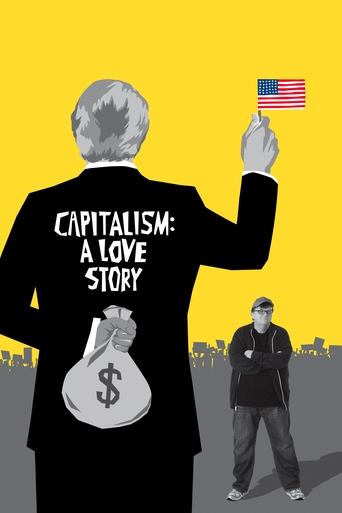
Michael Moore comes home to the issue he's been examining throughout his career: the disastrous impact of corporate dominance on the everyday lives of Americans (and by default, the rest of the world).
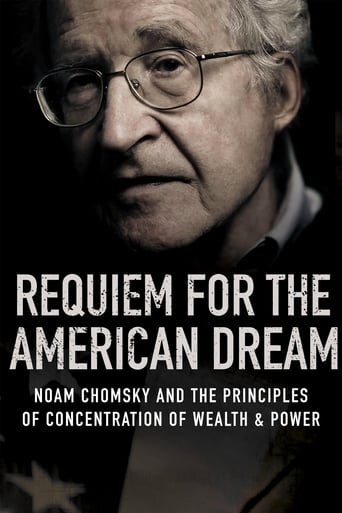
Through interviews filmed over four years, Noam Chomsky unpacks the principles that have brought us to the crossroads of historically unprecedented inequality – tracing a half-century of policies designed to favor the most wealthy at the expense of the majority – while also looking back on his own life of activism and political participation. He provides penetrating insight into what may well be the lasting legacy of our time – the death of the middle class, and swan song of functioning democracy.

A string of threatening emails escalates into a revenge plot involving a newly married US marshal and his ex-girlfriend.

Musician and performance artist Laurie Anderson reflects on the deaths of her husband Lou Reed, her mother and her beloved dog.

Ranjit, a farmer in India, takes on the fight of his life when he demands justice for his 13-year-old daughter, the victim of a brutal gang rape. His decision to support his daughter is virtually unheard of, and his journey unprecedented.
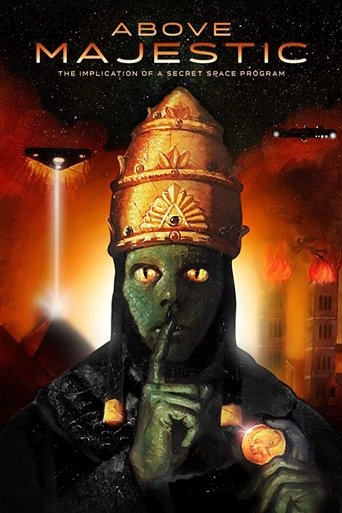
A look at the origins, history and conspiracies behind the "Majestic 12", a clandestine group of military and corporate figureheads charged with reverse-engineering extraterrestrial technology.
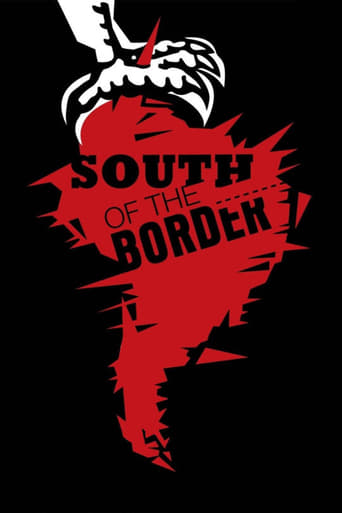
A road trip across five countries to explore the social and political movements as well as the mainstream media's misperception of South America while interviewing seven of its elected presidents.

An inside look at one of the most anticipated movie sequels ever with James Cameron and cast.

In the Realms of the Unreal is a documentary about the reclusive Chicago-based artist Henry Darger. Henry Darger was so reclusive that when he died his neighbors were surprised to find a 15,145-page manuscript along with hundreds of paintings depicting The Story of the Vivian Girls, in What is Known as the Realms of the Unreal, of the Glodeco-Angelinnian War Storm, Cased by the Child Slave Rebellion.
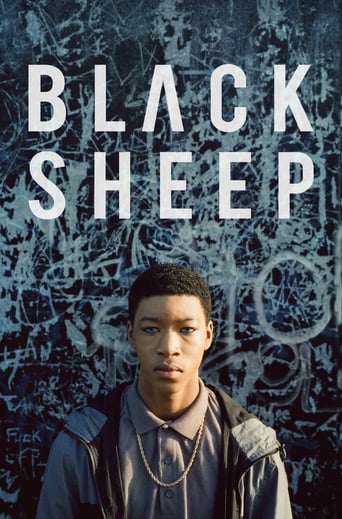
After the high-profile killing of Damilola Taylor, Cornelius' family move out of London. But when they discover their new town is run by racists, Cornelius takes a drastic step to survive.

A 1993 documentary film about Bruce Lee. The film includes interviews from some of his fellow students and opponents who worked alongside him in his movies.
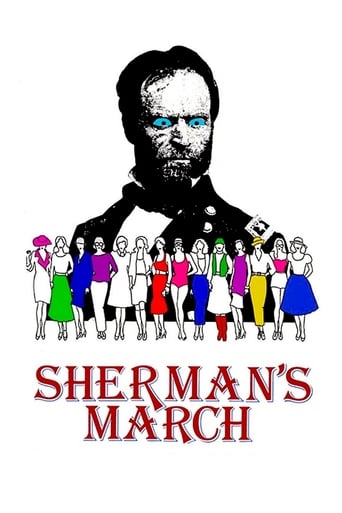
Documentarian Ross McElwee originally set out to make a travelogue of sorts tracing General William T. Sherman's infamous scorched-earth march through the Confederacy in the latter stages of the Civil War. Instead, haunted by a recent breakup with a girlfriend, McElwee ends up documenting his progress -- or lack thereof -- in starting a new relationship. His journey then becomes one of self-reflection and self-discovery rather than a historical/sociological exploration.

Through deeply personal interviews with her siblings and an examination of the photographs, letters, and belongings left behind, Mariska assembles a new portrait of her mother Jayne Mansfield, an extraordinary and complex woman.
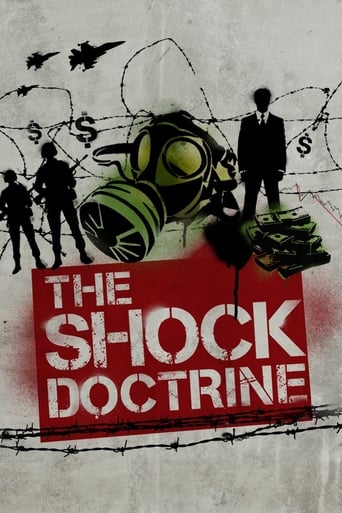
An investigation of "disaster capitalism", based on Naomi Klein's proposition that neo-liberal capitalism feeds on natural disasters, war and terror to establish its dominance.

With a first-person look at the notorious Crips and Bloods, this film examines the conditions that have lead to decades of devastating gang violence among young African Americans growing up in South Los Angeles.
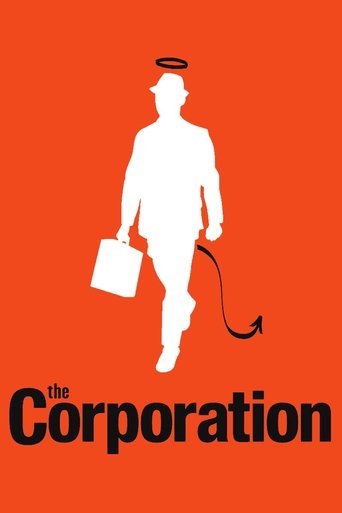
Since the late 18th century American legal decision that the business corporation organizational model is legally a person, it has become a dominant economic, political and social force around the globe. This film takes an in-depth psychological examination of the organization model through various case studies. What the study illustrates is that in the its behaviour, this type of "person" typically acts like a dangerously destructive psychopath without conscience. Furthermore, we see the profound threat this psychopath has for our world and our future, but also how the people with courage, intelligence and determination can do to stop it.

Al Pacino's deeply-felt rumination on Shakespeare's significance and relevance to the modern world through interviews and an in-depth analysis of "Richard III."

In an intimate and joyful story of love in the face of loss, celebrated poets Andrea Gibson and Megan Falley find strength—and unexpected hilarity—in what might be their final year together.
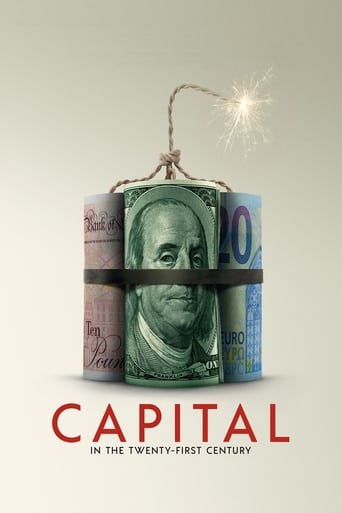
Film adaptation of French economist Thomas Piketty's ground-breaking global bestseller of the same name: an eye-opening journey through wealth and power.
Similar titles
A video compilation that reveals the true nature of U.S. foreign policy.

Let's look back at the 18th presidential vote. The 13,500 ballot boxes were taken to 251 ballot count locations and were sorted by 1,300 automatic ballot openers. The chairman announced the sorted data and soon it was announced to the public. But something strange happened. The 251 ballot count locations found 'a number' that have the same pattern. Scientists, mathematicians, statistician and hackers from all over the country start looking into the secret of 'this number'. The result is tremendously shocking...
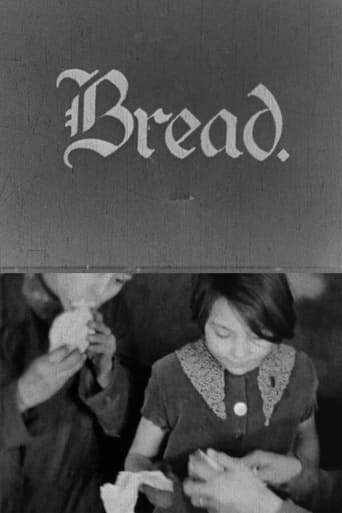
Life on the breadline in the 1930s was hard enough, but times were desperate when you fell beneath it. Hunger marches organised by the National Unemployed Workers' Movement drew attention to the cause, but this left-wing collective picked up a cine-camera. The fictional story at the heart of the film is somewhat melodramatic, but the authentic surroundings give its message realism and weight.
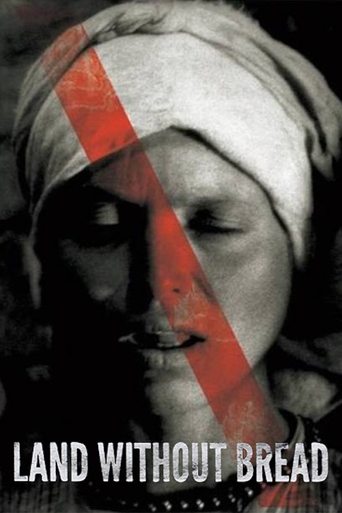
An exploration —manipulated and staged— of life in Las Hurdes, in the province of Cáceres, in Extremadura, Spain, as it was in 1932. Insalubrity, misery and lack of opportunities provoke the emigration of young people and the solitude of those who remain in the desolation of one of the poorest and least developed Spanish regions at that time.

This documentary profiles economist and writer Marilyn Waring. In extensive interviews, Waring details her feminist approach to finances and challenges commonly accepted truths about the global economy. The filmmakers detail Waring's early rise to political prominence and her successful protests against nuclear arms. Waring also speaks candidly about wartime economies, suggesting that government policies tend to marginalize the fiscal contributions of women.
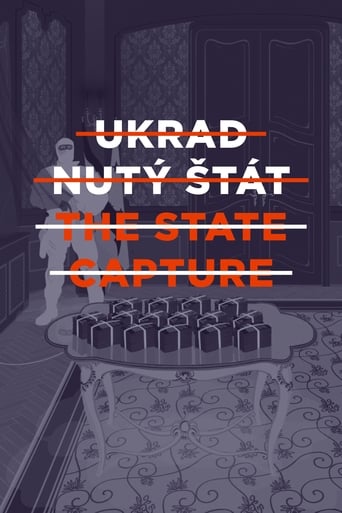
The film gives a complex insight into the gap in political reality of Slovakia - one of the EU countries - which became visible after an investigative journalists Ján Kuciak and his fiancée has been brutally murdered at their home. Following mass demonstrations led to substantial changes in the country's government, but the film doesn't follow history, but much more the universal processes behind the curtain. Journalists, (ex?)-officers of secret services, lawyers and analysts helps to reveal detective story in search of whom ordered to murder a journalist and an innocent girl. But main concern of the film is to reflect mechanisms of oligarchy and mafias (including the Italian) to blackmail key players of the system, to influence public perception and to penetrate police, judiciary and the government in their efforts to rule the country in the ways leading to their profits.

Documentary about what makes a house a home.
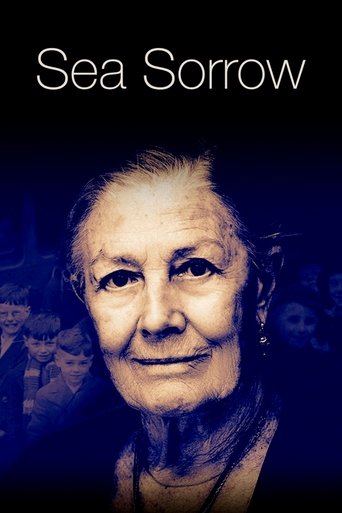
A very personal and dynamic meditation on the current global refugee crisis through the eyes and voices of campaigners, specially children, where past and present establish a dialogue. A reflection on the importance of human rights.
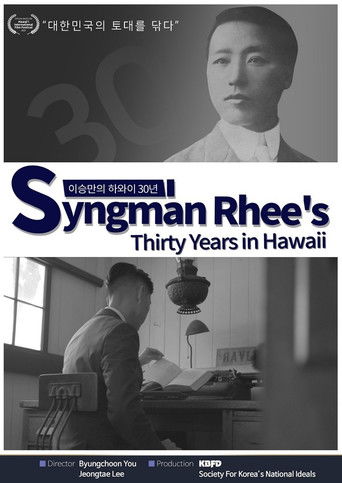
Syngman Rhee, the founding president of the Republic of Korea spent a total of thirty years in Hawaii. The first 25 years occurred before he was elected the founding president and five years were after he resigned from the presidency. What is the significance of 30 years in one’s life span?
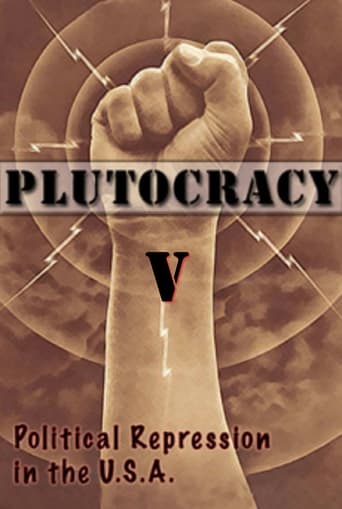
This documentary focuses mostly on the 1930’s to 1950’s – arguably the most important period in modern American history. These decades included the Great Depression, the peak of labor militancy in 1937 (probably the closest the US has come to a popular revolution since 1787), the rise of the “guest worker” phenomenon, the counter-attack against labor unions, the creation of the military industrial complex, the rise of the FBI, the foundations of the civil rights movement, and the purging of radicals from organized labor and public life.

With the Doomsday Clock the closest it's ever been to midnight, Jane Corbin investigates the proliferation of nuclear weapons across the globe. She visits Los Alamos, home to the United States’ nuclear weapons development facility and the historic home of Oppenheimer’s Manhattan Project. In Scotland, she reveals the strategy behind Britain’s nuclear deterrent, and speaks to campaigners in Suffolk fighting against US weapons they fear will be based on UK soil. Jane also discovers how many of the global agreements and safeguards that have constrained the spread of nuclear weapons since the 1970s are breaking down. This is a story told by the scientists, investigators and diplomats who set the clock and have fought to ensure that the ultimate deterrent has not been used in over 70 years.
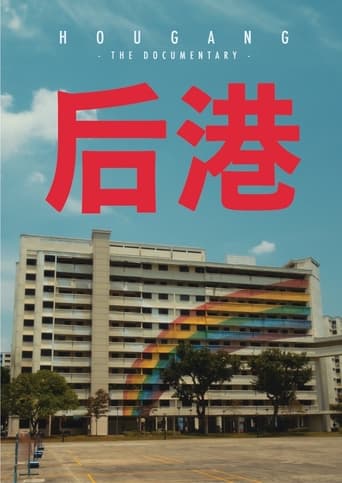
The film showcases the voices of past and present Hougang residents, alongside commentary by historians, public intellectuals, politicians, and volunteers. Charting Hougang’s history from the mid-eighteenth century, the film features personal recollections of growing up in Hougang, residents’ sentiments towards state-led redevelopment and relocation, and the political journey of the community in the context of the Workers’ Party having won the Hougang Parliamentary seat a little over 30 years ago.

Between 1968 and 1970, J M Goodger, a lecturer at the University of Salford, made a film record of the living conditions in the slums of Ordsall, Salford, which were then in the process of being demolished. Under the title 'The Changing face of Salford', the film was in two parts: 'Life in the slums' and 'Bloody slums'.
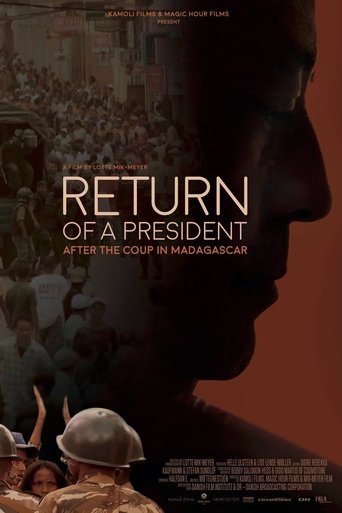
In a fascinating geopolitical drama, Danish filmmaker Mik-Meyer closely follows Ravalomanana as he attempts to return from exile in South Africa to Madagascar, under the threat of arrest and bodily harm.

A documentary about the current political state of Brazil.

The reality of life before, during, and after the signing of the North American Free Trade Agreement (NAFTA), and the profound effects the economic agreements between big business and government can have on human lives. Filmed over a three year period in Canada, the United States, and Mexico, this documentary poses a sobering question: In this global war of cut-rate economies, are people on the losing side?
Re-framing the U.S. gun violence debate from Second Amendment rights to public health prevention.
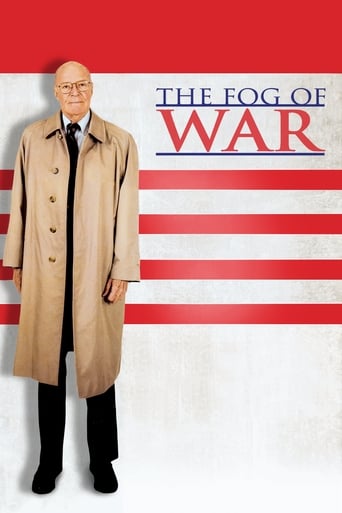
Former corporate whiz kid Robert McNamara was the controversial Secretary of Defense in the Kennedy and Johnson administrations, during the height of the Vietnam War. Augmented by archival footage and cabinet conversation recordings, Errol Morris gives the conflicted McNamara a platform on which he attempts to confront his and the U.S. government's actions in Southeast Asia in light of the horrors of modern warfare, the end of ideology and the punitive judgment of history.