Götterdämmerung 1945: Die letzten 10 Wochen des Dritten Reiches
1991-01-01 · 110 min · Not rated
"Götterdämmerung 1945: The last 10 weeks of the Third Reich" - from the battle of the Ardennes till the end. Die Deutsche Wochenschau (The German Weekly Review) was the title of the unified newsreel series released in the cinemas of Nazi Germany from 1940 until the end of World War II.
Trailers are previews, not full movies.
No authorized playback source configured. Use the legal watch options below.
Production details
- Directors
- Unavailable
- Production companies
- Transit Film GmbH, Sketec-Verlag GmbH
- Countries
- Germany
- Status
- Released
Top Cast
 Harry GieseNarrator
Title information and images are supplied by TMDb. Explore our discovery guide for advice on comparing metadata and legal viewing options.
Where to watch
Availability provided by JustWatch via TMDb. Offers can change. Provider links are listed on TMDb; full playback requires a separately authorized source.
Availability not listed for this country.
Seasons & episodes
Recommendations
A keen chronicle of the unlikely rise to power of Adolf Hitler (1889-1945) and a dissection of the Third Reich (1933-1945), but also an analysis of mass psychology and how the desperate crowd can be deceived and shepherded to the slaughterhouse.

When Allied forces liberated the Nazi concentration camps in 1944-45, their terrible discoveries were recorded by army and newsreel cameramen, revealing for the first time the full horror of what had happened. Making use of British, Soviet and American footage, the Ministry of Information’s Sidney Bernstein (later founder of Granada Television) aimed to create a documentary that would provide lasting, undeniable evidence of the Nazis’ unspeakable crimes. He commissioned a wealth of British talent, including editor Stewart McAllister, writer and future cabinet minister Richard Crossman – and, as treatment advisor, his friend Alfred Hitchcock. Yet, despite initial support from the British and US Governments, the film was shelved, and only now, 70 years on, has it been restored and completed by Imperial War Museums under its original title "German Concentration Camps Factual Survey".

This documentary movie is about the battle of San Pietro, a small village in Italy. Over 1,100 US soldiers were killed while trying to take this location, that blocked the way for the Allied forces from the Germans. Preserved by the Academy Film Archive in 2005.
Explores Leni Riefenstahl's artistic legacy and her complex ties to the Nazi regime, juxtaposing her self-portrayal with evidence suggesting awareness of the regime's atrocities.
A showcase of German chancellor and Nazi Party leader Adolf Hitler at the 1934 Nuremberg Rally.

Produced and presented as evidence at the Nuremberg war crimes trial of Hermann Göring and twenty other Nazi leaders, this film consists primarily of dead and surviving prisoners and of facilities used to kill and torture during the World War II.

Marcel Ophuls' riveting film details the heinous legacy of the Gestapo head dubbed "The Butcher of Lyon." Responsible for over 4,000 deaths in occupied France during World War II, Barbie would escape—with U.S. help—to South America in 1951, where he lived until a global manhunt led to his 1983 arrest and subsequent trial.

Prelude to War was the first film of Frank Capra's Why We Fight propaganda film series, commissioned by the Pentagon and George C. Marshall. It was made to convince American troops of the necessity of combating the Axis Powers during World War II. This film examines the differences between democratic and fascist states.

A documentary on the expletive's origin, why it offends some people so deeply, and what can be gained from its use.

A glittery nightclub in 1920s Berlin becomes a haven for the queer community in this documentary exploring the freedoms lost amid Hitler’s rise to power.

In an intimate and joyful story of love in the face of loss, celebrated poets Andrea Gibson and Megan Falley find strength—and unexpected hilarity—in what might be their final year together.
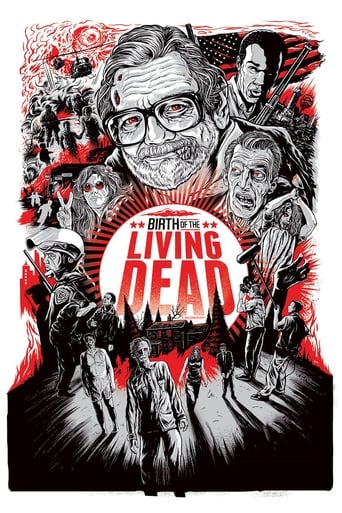
A behind the scenes look into George Romero's groundbreaking horror classic Night of the Living Dead.
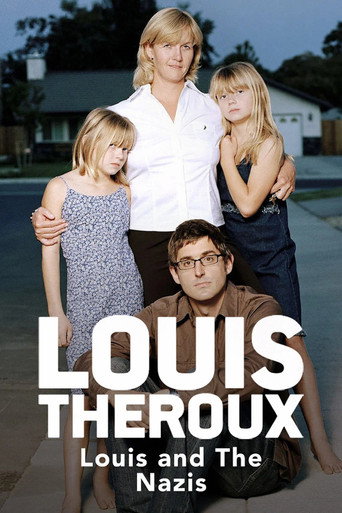
Louis Theroux travels to California to meet the man dubbed "the most dangerous racist in America"; Tom Metzger. Louis meets him, his family and his publicity manager as well as following him to skinhead rallies and on a visit to Mexico.
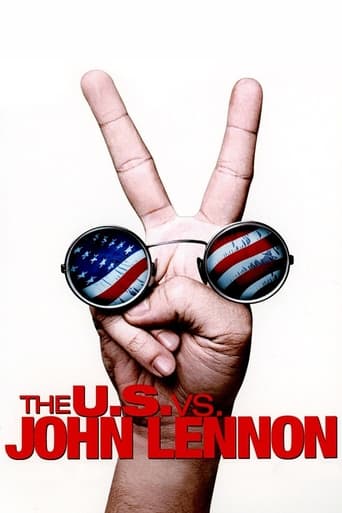
A documentary on the life of John Lennon, with a focus on the time in his life when he transformed from a musician into an antiwar activist.

The life and career of one of comedy's most inimitable modern voices, Mr. Gilbert Gottfried.

“The Soviet Story” is a story of an Allied power, which helped the Nazis to fight Jews and which slaughtered its own people on an industrial scale. Assisted by the West, this power triumphed on May 9th, 1945. Its crimes were made taboo, and the complete story of Europe’s most murderous regime has never been told. Until now...

A visual montage portrait of our contemporary world dominated by globalized technology and violence.

A detailing of the rise to prominence and global sporting superstardom of six supremely talented young Manchester United football players (David Beckham, Nicky Butt, Ryan Giggs, Paul Scholes, Phil and Gary Neville). The film covers the period 1992-1999, culminating in Manchester United's European Cup triumph.

Through deeply personal interviews with her siblings and an examination of the photographs, letters, and belongings left behind, Mariska assembles a new portrait of her mother Jayne Mansfield, an extraordinary and complex woman.
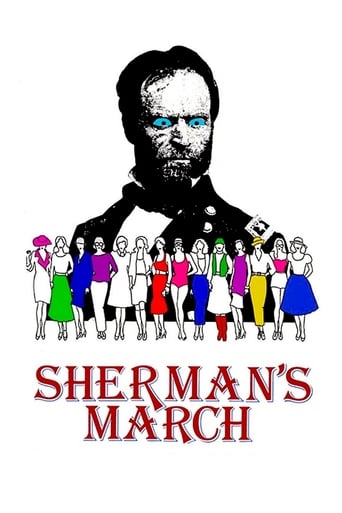
Documentarian Ross McElwee originally set out to make a travelogue of sorts tracing General William T. Sherman's infamous scorched-earth march through the Confederacy in the latter stages of the Civil War. Instead, haunted by a recent breakup with a girlfriend, McElwee ends up documenting his progress -- or lack thereof -- in starting a new relationship. His journey then becomes one of self-reflection and self-discovery rather than a historical/sociological exploration.
Similar titles
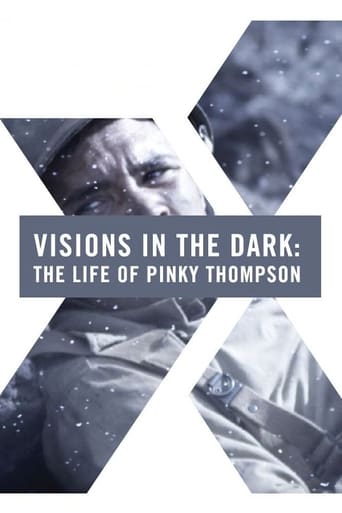
Pinky Thompson grew up in Hawaii during a time when one was punished for being Native Hawaiian. After almost losing his life in the battlefields of Normandy in World War II, Pinky brought his fierce energy to the arena of social service whre he championed a health care system, created invaluable educational programs and strengthened the pride of Native Hawaiians. Pinky fostered new methods of policy collaboration and community testimony. He elevated a new generation of Hawaiian leaders to represent the vibrant cultural identity and value system of the Hawaiian people.

This documentary explores the creation of the Holocaust Memorial in Berlin as designed by architect Peter Eisenman. Reaction of the German public to the completed memorial is also shown.
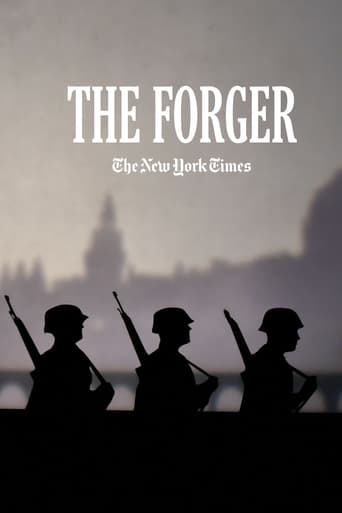
Adolfo Kaminsky started saving lives when chance and necessity made him a master forger. As a teenager, he became a member of the French Resistance and used his talent to save the lives of thousands of Jews. The Forger is a well-crafted origin story of a real-life superhero.
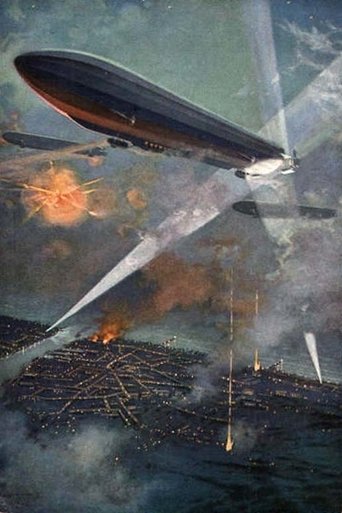
Engineer Dr Hugh Hunt revisits the little-known story of the First World War's Blitz, when the Zeppelin waged an 18-month terror campaign on the people of London.
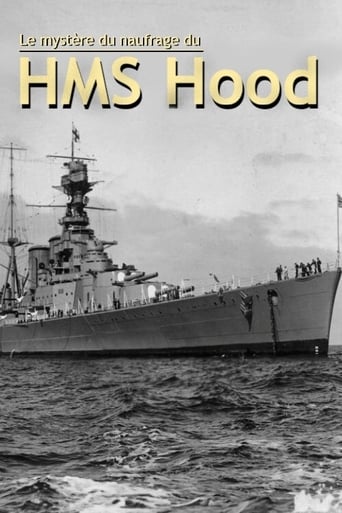
The 'mighty' Hood was the pride of the British Navy for more than 20 years, revered around the world as the largest and most powerful warship afloat. But when it was sunk by the German battleship Bismarck off the coast of Greenland on 24 May 1941, its end was shockingly swift.
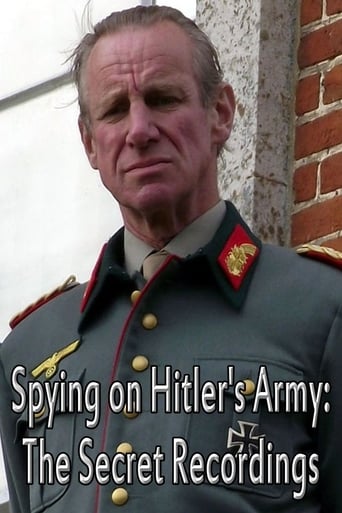
British intelligence undertook an audacious operation to listen in on the private conversations of 10,000 German prisoners of war without their ever knowing they were being overheard. The prisoners' unguarded reminiscences and unintentional confessions have only just come to light, and prove how closely the German army were involved in the atrocities of the Holocaust. British intelligence requisitioned three stately homes for this epic task, and converted each into an elaborate trap. The 100,000 hours of conversation they captured provided crucial intelligence that changed the course of the war, and revealed some of its worst horrors, from rape to mass executions to one of the earliest bulletins from the concentration camps. But when the fighting ended, the recordings were destroyed and the transcripts locked away for half a century. Only now have they been declassified, researched and cross-referenced.
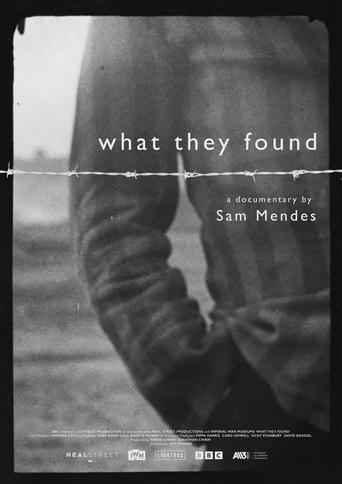
The story of two soldier-cameramen, Sgt Mike Lewis and Sgt Bill Lawrie, who witnessed the liberation of Belsen during the closing days of World War II.
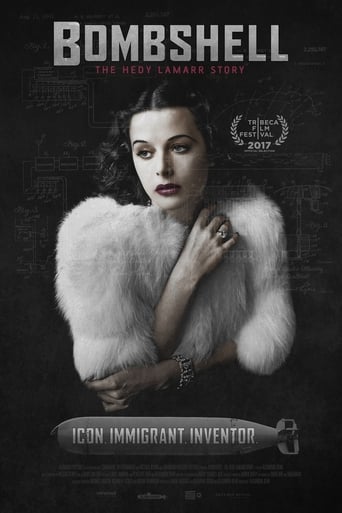
The life and career of the hailed Hollywood movie star and underappreciated genius inventor, Hedy Lamarr.
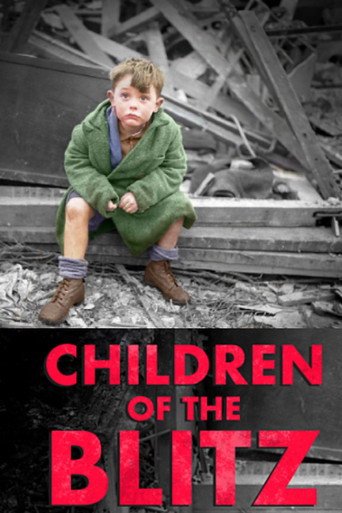
During The Blitz, the British government had plans in place to evacuate approximately 3.5 million people, but only around 1.5 million left towns and cities for the countryside, with the majority of those being children. Children of the Blitz tells the stories of those who remained at home, often to help their families, or because their parents couldn’t bear to send them away. Through the eyes of survivors who were children at the time, the film will explore how The Blitz contributed towards our sense of national identity and how the ‘Blitz Spirit’ is still held up as a defining characteristic of Britishness today. The film will also examine the starker reality for children whose homes were destroyed, including those who lost parents, and some who were left to fend for themselves - many grew up with their stories unheard.
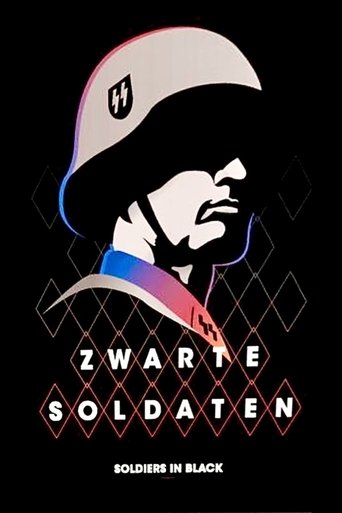
From 1940, around 25,000 Dutch people served in the Waffen-SS. In spite of their large number, they did not make much public disclosure after the war. Eight Dutch former SS men tell their story in this documentary. Never before have former SS men talked so openly about their motives, their (wrong) acts, their experiences on the (Eastern) front and their struggle with the memories of the past.
Filmmaker Alain Resnais documents the atrocities behind the walls of Hitler's concentration camps.
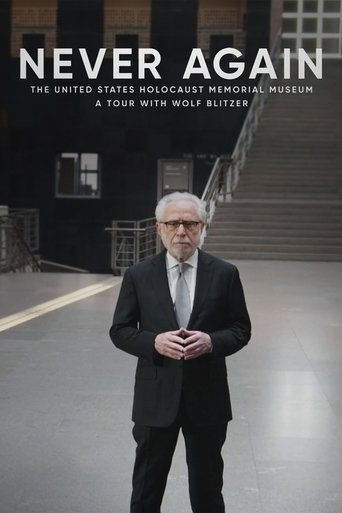
The child of Holocaust survivors, CNN Anchor Wolf Blitzer, takes viewers through the United States Holocaust Memorial Museum and beyond, connecting the hours of the Holocaust and their modern parallels and his family story.
The destruction of the city and its architectural heritage during the Allied bombing of the Second World War.

Narrated by Country Music Superstar Darius Rucker. We return to Ramitelli airfield in Italy to chronicle the legacy of World War II's famed Tuskegee Airmen, African American pilots who helped break stereotypes and helped win World War II with their incredible fighter escorts of American bombers.
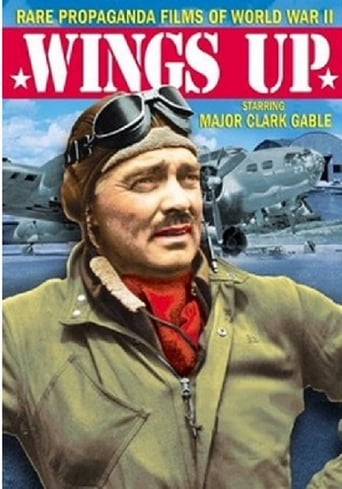
Clark Gable stars in this propaganda short about the Officers Candidate School of the Army Air Forces.
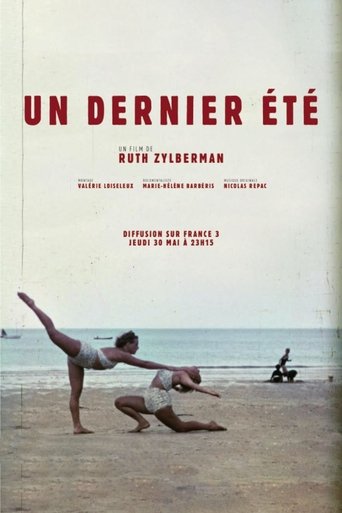
Gustave Folcher, a French farmer, wrote in his 1939 diary that the summer had been long and hot. He was not alone. Many other anonymous French men and women wrote of the beauty and warmth of those summer months and how threats of war were far from their minds. Through home movies, diaries and letters, One Last Summer describes the final weeks of peace in France and the mix of blindness, denial and prophetic clear-sightedness of those facing the war that was about to unfold.
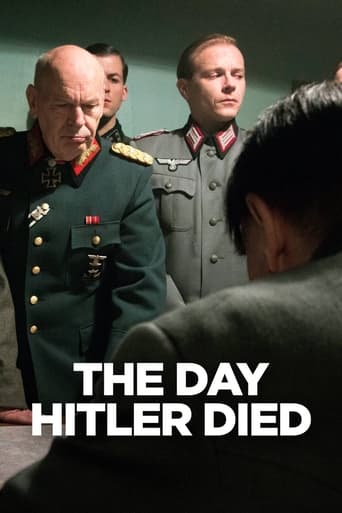
The story of Hitler’s final hours told by people who were there. This special features exclusive forgotten interviews, believed lost for 65 years, with members of Hitler’s inner circle who were trapped with him in his bunker as the Russians fought to take Berlin. These unique interviews from figures such as the leader of the Hitler Youth Artur Axmann and Hitler’s secretary Traudl Junge, have never before been seen outside Germany. Using rarely seen archive footage and dramatic reconstruction, this special tells the story of Adolf Hitler’s final days in his Berlin bunker.
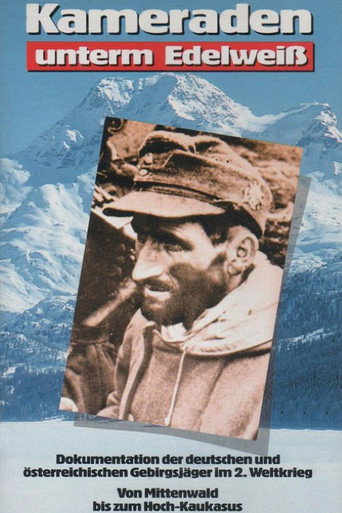
This rare documentary was filmed with the participation and personal camera of Wolfgang Gorther, a German military cinematographer of the 1st mining division, who participated in the legendary ascent of Elbrus on the night of August 21, 1942. From the beginning of the Second World War and the last international winter sports week in Garmisch-Partenkirchen follows the invasion of the German troops into the Soviet Union: Dnieper, Zaporozhy, Kharkov, Rostov-on-Don, Nogaean Steppe, Caucasus – fighting at 50 degrees below zero, military expedition into the world of ice and snow; – ascent of mountain arrows and subsequent hoisting of flags on the Elbrus at an altitude of 5,633 meters.
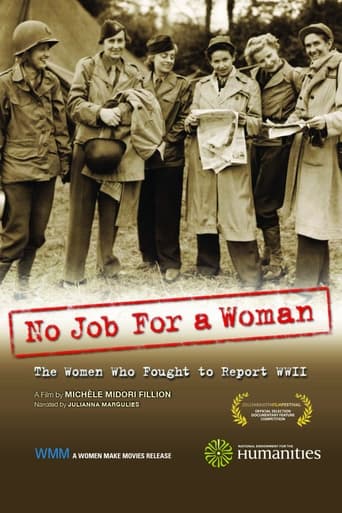
Martha Gellhorn, Ruth Cowan, Dickey Chappelle: Three tenacious journalists who forged legendary reputations as war correspondents during a time when battlefields were considered no place for a woman. Their repeated delegation to the sidelines to cover the “woman’s angle” succeeded in expanding the focus of war coverage to bring home a new kind of story— a personal look at the human cost of war. Featuring an abundance of archival photos and interviews with modern female war correspondents, as well as actresses bringing to life the written words of these remarkable women.
The Survivors of the WW2 Battle of Arnhem tell their stories of the brutal and exhausting conflict.