
David – Stories of Honour and Shame
1997-11-07 · 94 min · ★ 7.0
Documentary about Finnish Jews during WWII and their unique position as German allies.
Trailers are previews, not full movies.
No authorized playback source configured. Use the legal watch options below.
Production details
- Directors
- Taru Mäkelä
- Production companies
- For Real Productions
- Countries
- Finland
- Status
- Released
Top Cast
Cast unavailable.
Title information and images are supplied by TMDb. Explore our discovery guide for advice on comparing metadata and legal viewing options.
Where to watch
Availability provided by JustWatch via TMDb. Offers can change. Provider links are listed on TMDb; full playback requires a separately authorized source.
Availability not listed for this country.
Seasons & episodes
Recommendations

Marcel Ophuls' riveting film details the heinous legacy of the Gestapo head dubbed "The Butcher of Lyon." Responsible for over 4,000 deaths in occupied France during World War II, Barbie would escape—with U.S. help—to South America in 1951, where he lived until a global manhunt led to his 1983 arrest and subsequent trial.

When Allied forces liberated the Nazi concentration camps in 1944-45, their terrible discoveries were recorded by army and newsreel cameramen, revealing for the first time the full horror of what had happened. Making use of British, Soviet and American footage, the Ministry of Information’s Sidney Bernstein (later founder of Granada Television) aimed to create a documentary that would provide lasting, undeniable evidence of the Nazis’ unspeakable crimes. He commissioned a wealth of British talent, including editor Stewart McAllister, writer and future cabinet minister Richard Crossman – and, as treatment advisor, his friend Alfred Hitchcock. Yet, despite initial support from the British and US Governments, the film was shelved, and only now, 70 years on, has it been restored and completed by Imperial War Museums under its original title "German Concentration Camps Factual Survey".
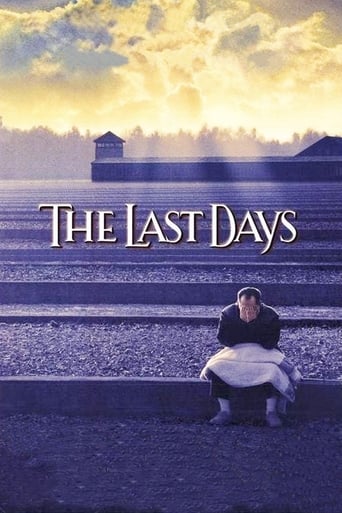
This Oscar-winning documentary recounts the harrowing stories of five Hungarian Jews who endured the horrors of the Holocaust and Hitler's reign.
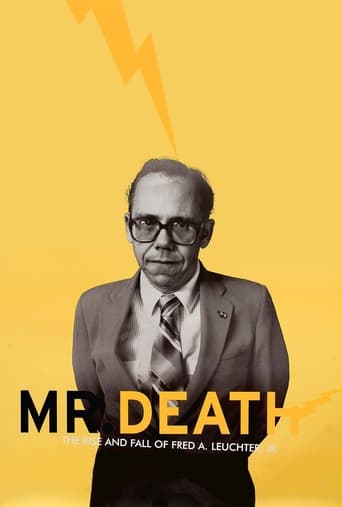
Documentary filmmaker Errol Morris investigates the case of a man who became an authority on capital punishment, but was discredited when he got involved on the wrong side of a court case. Leuchter, a meek man whose appearance belies his grim expertise, develops what he says is a more effective electric chair. Before long, he's in demand from officials who want his opinions on other execution methods. But when called to aid the case of an accused Holocaust denier, Leuchter's problems begin.

A documentary on the expletive's origin, why it offends some people so deeply, and what can be gained from its use.
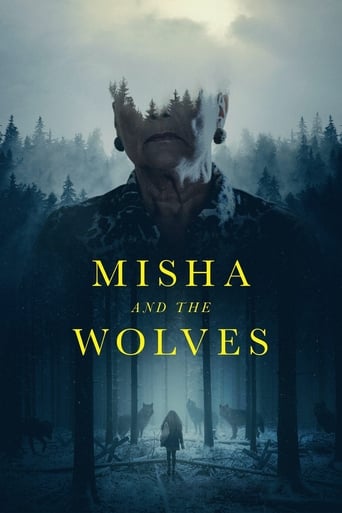
A woman’s Holocaust memoir takes the world by storm, but a fallout with her publisher-turned-detective reveals her story as an audacious deception created to hide a darker truth.
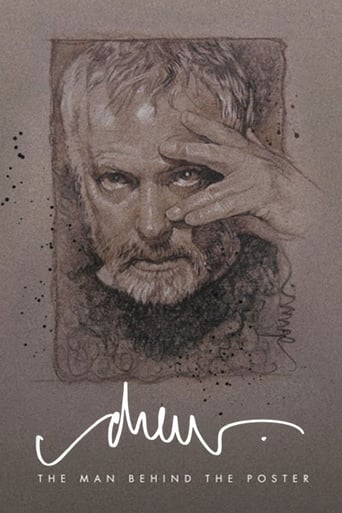
A documentary on legendary movie-poster artist Drew Struzan.
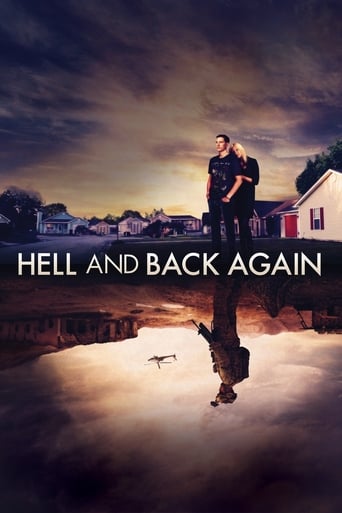
What does it mean to lead men in war? What does it mean to come home? Hell and Back Again is a cinematically revolutionary film that asks and answers these questions with a power and intimacy no previous film about the conflict in Afghanistan has been able to achieve. It is a masterpiece in the cinema of war.

Through deeply personal interviews with her siblings and an examination of the photographs, letters, and belongings left behind, Mariska assembles a new portrait of her mother Jayne Mansfield, an extraordinary and complex woman.

In an intimate and joyful story of love in the face of loss, celebrated poets Andrea Gibson and Megan Falley find strength—and unexpected hilarity—in what might be their final year together.

Ranjit, a farmer in India, takes on the fight of his life when he demands justice for his 13-year-old daughter, the victim of a brutal gang rape. His decision to support his daughter is virtually unheard of, and his journey unprecedented.

This revealing documentary honors the legendary Sidney Poitier—iconic actor, filmmaker, and civil rights activist. Featuring interviews with Denzel Washington, Spike Lee, Halle Berry, and more.

Penetrating the insular world of New York's Hasidic community, focusing on three individuals driven to break away despite threats of retaliation.

In the Realms of the Unreal is a documentary about the reclusive Chicago-based artist Henry Darger. Henry Darger was so reclusive that when he died his neighbors were surprised to find a 15,145-page manuscript along with hundreds of paintings depicting The Story of the Vivian Girls, in What is Known as the Realms of the Unreal, of the Glodeco-Angelinnian War Storm, Cased by the Child Slave Rebellion.

A detailing of the rise to prominence and global sporting superstardom of six supremely talented young Manchester United football players (David Beckham, Nicky Butt, Ryan Giggs, Paul Scholes, Phil and Gary Neville). The film covers the period 1992-1999, culminating in Manchester United's European Cup triumph.

Alex Gibney explores the charged issue of pedophilia in the Catholic Church, following a trail from the first known protest against clerical sexual abuse in the United States and all way to the Vatican.

A night of drunken chaos rocks a quiet Dutch town in this shocking documentary about a teen's birthday invite that accidentally went viral on Facebook.
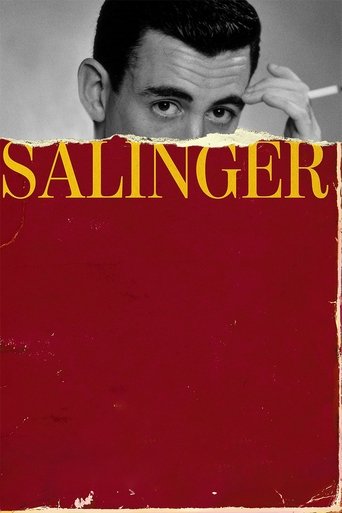
An in-depth investigation into the private world of the American writer J. D. Salinger (1919-2010), who lived most of his life behind the impenetrable wall of a self-imposed seclusion: how his dramatic experiences during World War II influenced his life and work, his relationships with very young women, his obsessive writing methods, his many literary secrets.
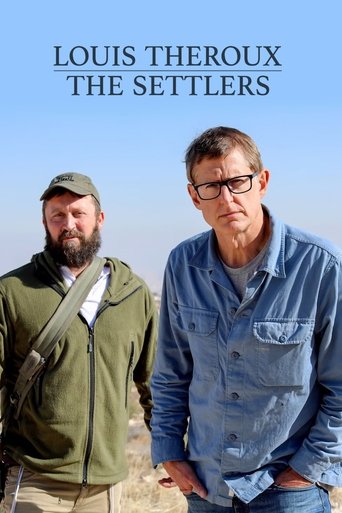
Fourteen years after his first visit, Louis Theroux meets some of the growing community of religious-nationalist Israelis who have settled in the occupied West Bank.

Using the book 'Fragments', which collects Marilyn Monroe's poems, notes and letters, and with participation from the Arthur Miller and Truman Capote estates who have contributed more material, each of the actresses will embody the legend at various stages in her life.
Similar titles
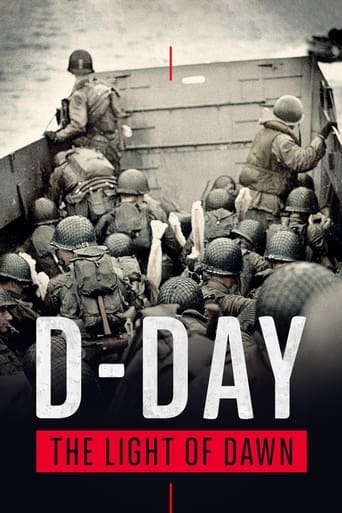
The Normandy landings of 6 June 1944 were pivotal to the outcome of WW2. We learn when Churchill and Roosevelt first proposed the operation and how preparations started—finishing with the key events of D-Day and the far-reaching effects of its outcome.
By tracking scientists and Holocaust survivors in Lithuania, The Good Nazi tells the story of a Schindler-type Nazi officer who turned his back on his dark ideology and risked his life to save hundreds of Jews.
Historian James Bulgin reveals the origins of the Holocaust in the German invasion of the Soviet Union, exploring the mass murder, collaboration and experimentation that led to the Final Solution.
The stories of Eitan, Yigal and Miri show how long the past can cast its shadows. Their Holocaust-surviving parents were abused by the Nazis, then became abusers themselves—their fear and grief transformed into aggression and anger towards their children. For the first time on-screen, children of Holocaust survivors talk openly about the mental and physical suffering they experienced. Stories of abuse contrast with cheerful-looking black-and-white photos of the families. Even the grandchildren appear to be suffering from their parents’ burden of sorrow and pain. The children's attempt to talk about the past, as with Eitan and his ailing mother and Miri with her son, seem futile. The palpable inability to make contact is almost unbearable. Shadows asks the unavoidable questions: how long will the Holocaust continue to exert its evil influence on future generations, and how can the demons of the past be exorcised?
Behind the scenes look at the D-Day special effects created in filming The Americanization of Emily (1964).
As the 2027 presidential election approaches, this documentary follows the National Rally's year-long effort to establish itself in western France. Led by close allies of Marine Le Pen, the strategy culminates in several municipal victories in 2026, including the party's historic first win in the western town of La Flèche.
This film tells the story of World War II as experienced by the inhabitants of Baku, the capital of Azerbaijan, at the time a satellite of Moscow. The very rich oil deposits of the region aroused the covetousness of Hitler who needed the oil from Baku to carry out his program of world domination. His entire campaign of 1942-1943 was aimed at seizing them. But the Soviets and the Allies were determined to prevent him from doing so, by all means, including the most radical, even if it meant wiping the city off the map.

During the economic boom of the 1920s, thousands of immigrant Jewish factory workers managed to build the house of their dreams, a cooperative apartment complex at the edge of Bronx Park. Then they were hit by the Great Depression. At Home in Utopia bears witness to an epic social experiment across two generations in the Coops - a place known as "little Moscow" - where people tried to change the American dream into one that included racial justice and workers' rights.
How to Fix the World? is a comprehensive and informative documentary about direct action in the 1990s and 2000s, directed by Jouko Aaltonen. In the documentary, anarchists, climate activists, and squatters openly describe their experiences and link them to mainstream phenomena in society. A wide range of archive material sheds a light on the history of direct action and activism in the Finnish society.
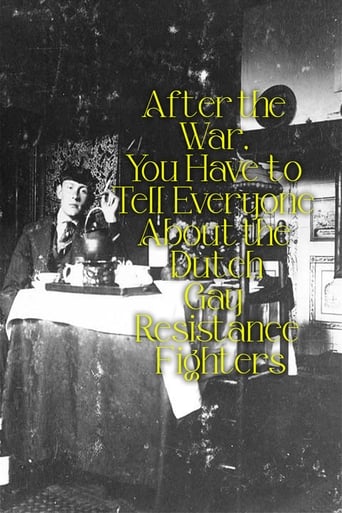
Many members of the Dutch Underground were gay and lesbian. This film pays homage to them and recounts their story.
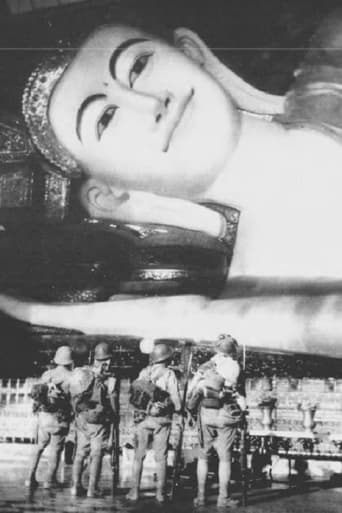
This film records the Japanese military's efforts to capture the Burma Road,one of the major supply lines to China, from the British beginning in December 1941. The film ends with the fall of Mandalay in May 1942.
"Never Again?" seeks to educate others on the horrors and consequences of anti-Semitism. The film follows the journey of a Holocaust Survivor and former radical Islamist as they seek to leave behind a legacy of love over hate.
Deportation - a political demand that often fails in Germany. There are over 200,000 people in the country who are required to leave the country, but only a few are actually deported. Olaf Sundermeyer accompanied a repatriation team from the Central Aliens Office in Brandenburg for months and shows how the judiciary, police and authorities block each other.
On June 29, 1941 thousands of Jews were herded into a courtyard in Iasi, Romania and were massacred by German and Romanian soldiers. Many of the Jacobovicis of Romania died that day. Canadian filmmaker Simcha Jacobovici goes back to the land of his forebears and explores issues of memory - his and Romania's. Charging the Rhino is a documentary about the Romanian Holocaust. Romanian fascists shot filmmaker Simcha Jacobovici’s father, Joseph, during WWII. Romanian communists shot his cousin, Sasha, during the Cold War. Through their stories the film explores the devastating history of fascism and communism in Romania and the life-altering affect it had on the psyche of those who endured Romania’s unimaginable.

Documentary to mark the WI's centenary. Lucy Worsley goes beyond the stereotypes of jam and Jerusalem to reveal the surprisingly radical side of this Great British institution.
A key overview of twentieth-century American fascism and antifascism produced in 1991 by the John Brown Anti-Klan Committee.
Documentary film about four families in Pori, Finland, all struggling with unemployment and poverty.
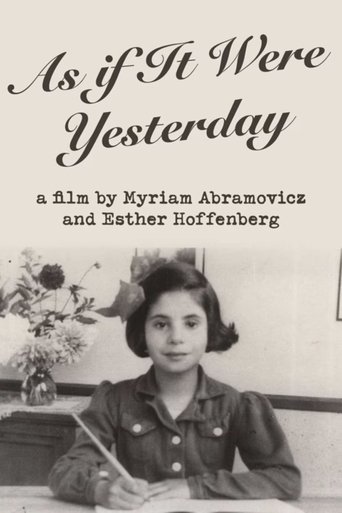
Documents the little-known heroism of the Belgian Resistance who, during the Nazi occupation, hid over 4,000 Jewish children, rescuing them from deportation and extermination, , often risking their own lives. Directed by Myriam Abramowicz and Esther Hoffenberg, children of parents who spent the war in hiding, the film inspired the creation of The Hidden Child, a world-wide network of hidden children, which, for three decades, has organized reunions of hidden children with the families who hid them in Belgium during WWII.