The Island of Tsar Samuil
2003-01-01 · 55 min · Not rated
An island in northwest Greece keeps memories of the Bulgarian past.
Trailers are previews, not full movies.
No authorized playback source configured. Use the legal watch options below.
Production details
- Directors
- Ралица Димитрова
- Production companies
- Unavailable
- Countries
- Bulgaria
- Status
- Released
Top Cast
Cast unavailable.
Title information and images are supplied by TMDb. Explore our discovery guide for advice on comparing metadata and legal viewing options.
Where to watch
Availability provided by JustWatch via TMDb. Offers can change. Provider links are listed on TMDb; full playback requires a separately authorized source.
Availability not listed for this country.
Seasons & episodes
Recommendations
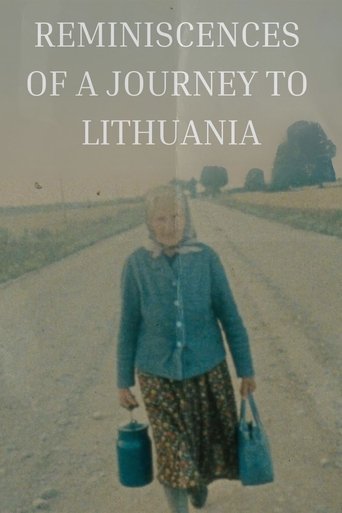
Jonas Mekas weaves an elegiac diary film from his 1971–72 return to Lithuania, chronicling a visit to his birthplace of Semeniškiai after decades in exile. Blending personal memory with documentary observation, the film becomes both a portrait of homecoming and a meditation on displacement, family, and the passage of time.

In an intimate and joyful story of love in the face of loss, celebrated poets Andrea Gibson and Megan Falley find strength—and unexpected hilarity—in what might be their final year together.

Through deeply personal interviews with her siblings and an examination of the photographs, letters, and belongings left behind, Mariska assembles a new portrait of her mother Jayne Mansfield, an extraordinary and complex woman.

A detailing of the rise to prominence and global sporting superstardom of six supremely talented young Manchester United football players (David Beckham, Nicky Butt, Ryan Giggs, Paul Scholes, Phil and Gary Neville). The film covers the period 1992-1999, culminating in Manchester United's European Cup triumph.

Ranjit, a farmer in India, takes on the fight of his life when he demands justice for his 13-year-old daughter, the victim of a brutal gang rape. His decision to support his daughter is virtually unheard of, and his journey unprecedented.

When Allied forces liberated the Nazi concentration camps in 1944-45, their terrible discoveries were recorded by army and newsreel cameramen, revealing for the first time the full horror of what had happened. Making use of British, Soviet and American footage, the Ministry of Information’s Sidney Bernstein (later founder of Granada Television) aimed to create a documentary that would provide lasting, undeniable evidence of the Nazis’ unspeakable crimes. He commissioned a wealth of British talent, including editor Stewart McAllister, writer and future cabinet minister Richard Crossman – and, as treatment advisor, his friend Alfred Hitchcock. Yet, despite initial support from the British and US Governments, the film was shelved, and only now, 70 years on, has it been restored and completed by Imperial War Museums under its original title "German Concentration Camps Factual Survey".

Director Michael Apted revisits the same group of British-born adults after a 7 year wait. The subjects are interviewed as to the changes that have occurred in their lives during the last seven years.

A string of threatening emails escalates into a revenge plot involving a newly married US marshal and his ex-girlfriend.

Musician and performance artist Laurie Anderson reflects on the deaths of her husband Lou Reed, her mother and her beloved dog.

A 1993 documentary film about Bruce Lee. The film includes interviews from some of his fellow students and opponents who worked alongside him in his movies.
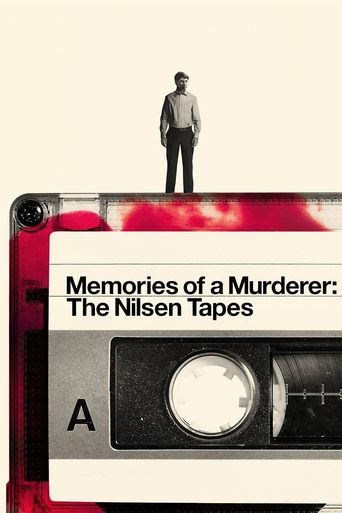
Serial killer Dennis Nilsen narrates his life and horrific crimes via a series of chilling audiotapes recorded from his jail cell.

A documentary that explores the downloading revolution; the kids that created it, the bands and the businesses that were affected by it, and its impact on the world at large.

A compilation of over 30 years of private home movie footage shot by Lithuanian-American avant-garde director Jonas Mekas, assembled by Mekas "purely by chance", without concern for chronological order.
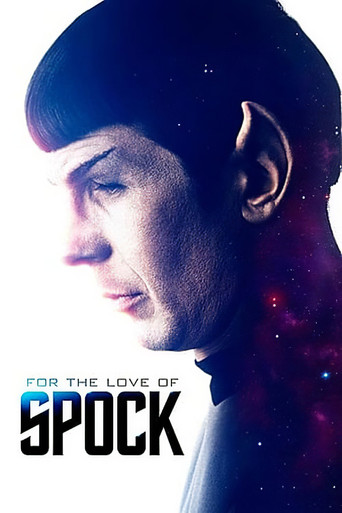
The life of Mr. Spock, as well as that of Leonard Nimoy, the actor who played him for almost fifty years, written and directed by his son: Adam.
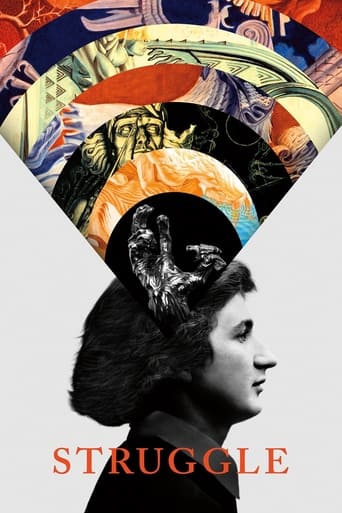
Artists in LA discover the work of forgotten Polish sculptor Stanislav Szukalski, a mad genius whose true story unfolds chapter by astounding chapter.
Go behind the scenes with stars, puppeteers and creators as they bring Jim Henson's magical world of Thra back to life in a sweeping fantasy series.

This revealing documentary honors the legendary Sidney Poitier—iconic actor, filmmaker, and civil rights activist. Featuring interviews with Denzel Washington, Spike Lee, Halle Berry, and more.
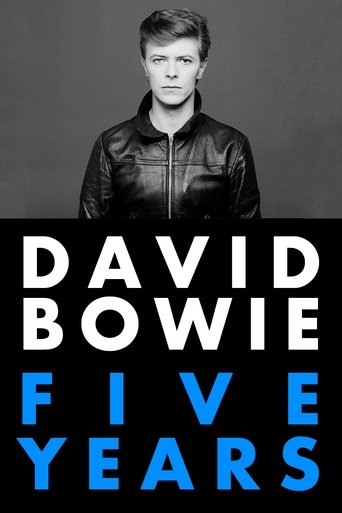
Featuring a wealth of previously unseen archive, this film looks at how Bowie continually evolved: from Ziggy Stardust to the Soul Star of Young Americans, to the ‘Thin White Duke’. It explores his regeneration in Berlin with the critically acclaimed album Heroes, his triumph with Scary Monsters and his global success with Let’s Dance. With interviews with all his closest collaborators, David Bowie - Five Years presents a unique account of why Bowie has become an ‘icon of our times’.

Documentary filmmaker Amy Berg investigates the life of 30-year pedophile Father Oliver O'Grady and exposes the corruption inside the Catholic Church that allowed him to abuse countless children. Victims' stories and a disturbing interview with O'Grady offer a view into the troubled mind of the spiritual leader who moved from parish to parish gaining trust ... all the while betraying so many.
A road trip across five countries to explore the social and political movements as well as the mainstream media's misperception of South America while interviewing seven of its elected presidents.
Similar titles
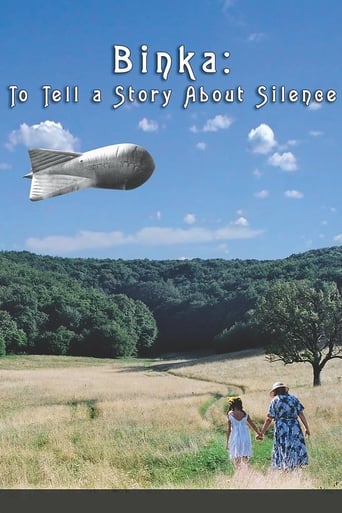
A film pioneer, Binka Zhelyazkova was at the forefront of political cinema under Bulgaria's Communist dictatorship. Though she remained faithful to the communist ideals she became an avid critic of the regime and brought upon herself the wrath of its censorship. As a result four of her nine films were shelved and released to the public only after the fall of the regime in 1989, and Binka Zhelyazkova became known as the bad girl of Bulgarian cinema. A provocative portrait that reveals the pressures and complexities that arise when art is made under totalitarianism.
A documentary film exploring the legacy of the Holocaust in Bulgaria and the Balkans through the personal stories of three Bulgarian Jews.
May It Fill Your Soul is a film about Bulgarian traditional music, about the pain of emigration and the promise of immigration, and about a family with a century-long musical history. Bulgaria's astonishingly rich village music traditions include strong women's singing, musical instruments with roots its millennia-old pastoral lifestyle and its 500-year history in the Ottoman Empire, and its lively dancing in additive meters of 5, 7, 9, and 11 beats to the measure. These practices are presented through the lens of a musical family trained during Bulgaria's communist regime (1944-1989) to represent the best that Bulgaria had to offer the world, but who made the wrenching decision in the post-communist period to immigrate to the United States for the sake of their daughters' futures. From that vantage point they have been able to teach their art to, and "fill the souls" of, singers, dancers, musicians, and audiences all over the world.
February 1954: ten mass graves with over 500 bodies are found in the region of Sofia, Bulgaria. Experts say they were killed and the deaths occurred in 1925. In one of the graves a glass eye is found - the glass eye of the poet Geo Milev.
Documentary about the ex-secretary of the Bulgarian Communist Party - Traicho Kostov.
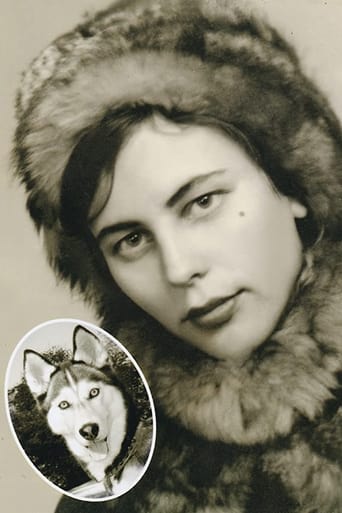
While the film focuses on a mother and son’s relationship, it investigates the long-term effects of the immigration of the filmmaker’s family from Bulgaria to Turkey and the life of a widow in a patriarchal culture.
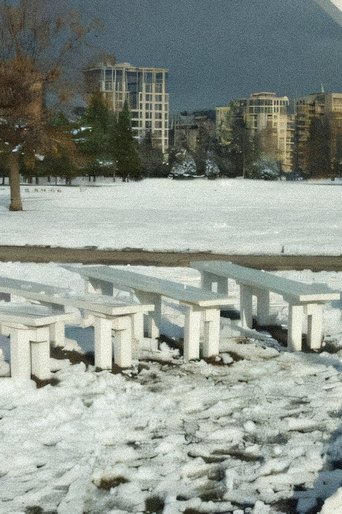
In the weeks and months surrounding the overthrowing of Bulgaria's socialist dictatorship, the public's taste for democratic discussion begs to be sated. Kiryakov's camera walks through Sofia's South Park as it turns into a hotbed for ideological debate and picketing, where citizens from all walks of life share their hopes despite the winter weather.
A short documentary film about Czech-Bulgarian painter Ivan Mrkvička
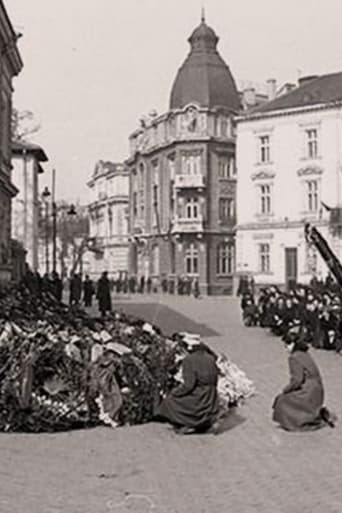
A film about the dramatic and extraordinary fate of the lonely man who confronted the meat grinder of the communist regime. Georgy Konstantinov, 19 years old, blew up Stalin's monument in Sofia and death passed him by only because the dictator died two days later. He miraculously survived 10 years in prison and psychiatric wards and managed to escape to France. His State Security file numbers more than 40,000 pages. Even today, he does not cease to expose the crimes of the regime with the strength of truth and of his character.
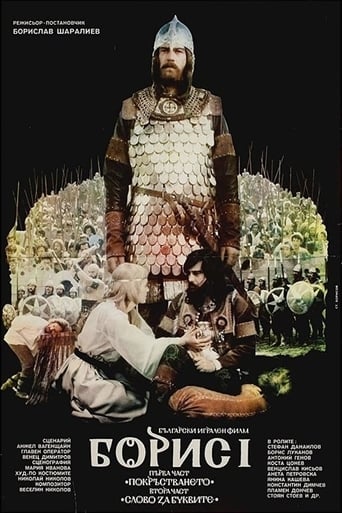
Part one of this two-part epic follows the life and deeds of Boris I – a strong historic personality, which completes his mission to the full and at the end of his life receives holy orders.
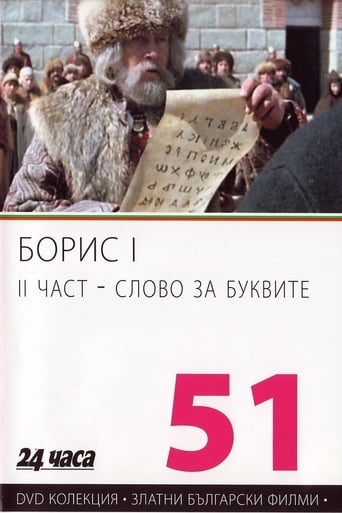
Knyaz Boris I reached the most important spiritual insight - the country needed a single language and script. It accepts students of Cyril and Methodius, creating Ohrid and Preslav Literary School. What other nations took centuries, for bulgarians takes place only about 20 years after their baptizing - introduced a Slavonic Alphabet.
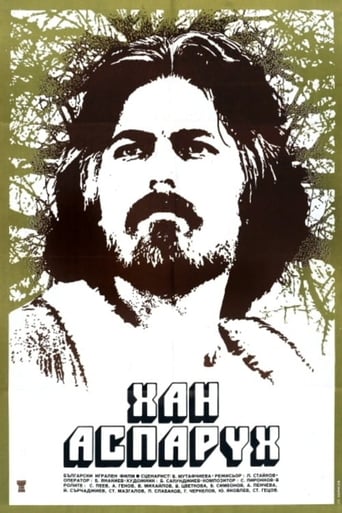
This is an epic screen presentation showing the creation, the consolidation and the power of First Bulgarian Kingdom and the first Bulgarian ruler Khan Asparuh. This is the first part of the film trilogy about the events before the creation of the Bulgarian state in the middle of the VII century. Volga Bulgaria is straining under the attacks of the Khazars. Following the testament of his father, the sons of Khan Kubrat looking for a new home for their tribes. The youngest of them - Asparukh, wander 20 years in search of "land forever" for his people and reaches the mouth of the Danube. The film is narrated by captured Byzantine chronicler Belisarius, which should Asparukh in his journeys. Byzantine witnessed the heroic efforts of the Bulgarians to win the land south of the Danube and to create their new country.
This is an epic screen presentation showing the creation, the consolidation and the power of First Bulgarian Kingdom and the first Bulgarian ruler Khan Asparuh. The second part of the great historical epic - "The Migration" - tells about the long journey to the land of the Bulgarians of today's Bulgaria. Here the young Khan Asparukh laid the foundations of the new state. The authors adhere to the established historical versions for this event. The film builds on the impressive mass scenes and the convincing served psychological characteristics of the main characters. The image of Asparoukh is a natural center of the story, in which many minor persons recreate the environment of the Khan. Romantic exalted, Asparukh is shown as capable leader of the people, consistently implement his own ideas.
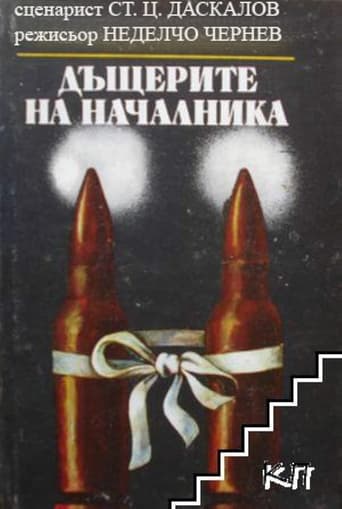
In September 1923, during the so-called 'anti-fascist' uprising, police chief's daughter Kita falls for a student with communist beliefs. Although loyal to the monarch, her father's paternal instinct force him to compromise but his retaliation against the rebels takes a devastating turn.
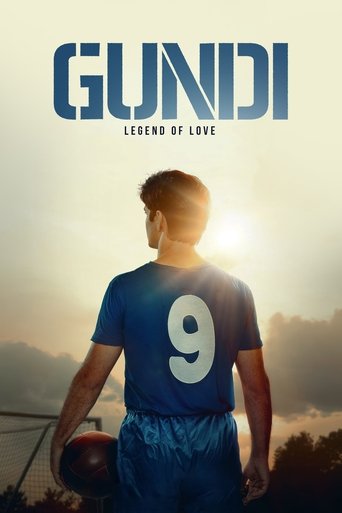
The great Bulgarian football player Georgi Asparuhov and his greatest love - his wife Lita go through a number of trials of life, football and the political system.
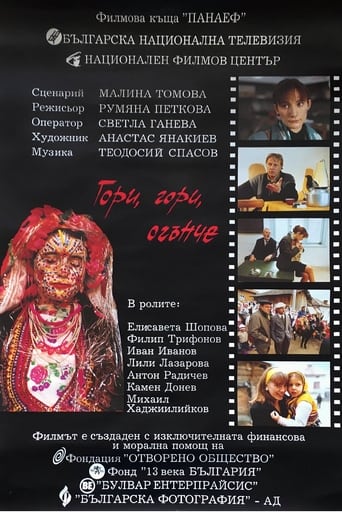
A new teacher - Marina - arrives in a small Pomak village in the late 1960s. She is a woman trying to live and think independently. Marina finds herself in a world unknown to her, at once pure and immaculate, but with the signs of the deformation of natural life that is typical of the whole country. After meeting the Doctor, Bai Mnogoznai, Mariana, the mayor, the internationalist Yosko, she discovers that each resists authority in their own way. And when the government starts changing the non-Bulgarian names of the Pomak villagers, the heroine realizes she is in a prison - with high mountains, forests, rivers - a prison of tragic beauty.
The last part of the epic "Khan Asparukh" - "Land Forever" is an impressive finish to scale narrative, created for the nationwide celebration of 13 century anniversary of the Bulgarian state. The authors collected in final chord all storylines, culminating in the political strengthening of the young Bulgarian state. In the center of the film epic again is the image of Khan Asparukh - a lofty romantic hero who embodies the virtues and energy of his people.
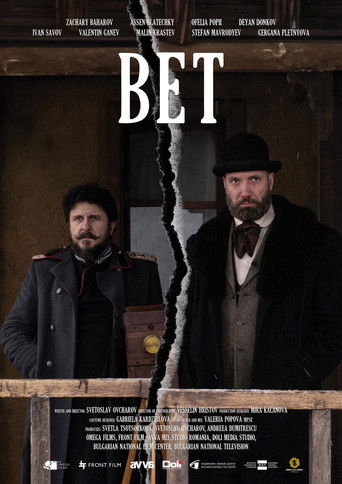
Before the Liberation, during the years of the exiled Bulgarian revolutionaries in Romania, the Major and the Prime Minister once shared the same ideals, the same home, and even the same woman. Today, the Major orchestrates a conspiracy to overthrow the government led by his former friend, the Prime Minister. The head of state must be assassinated, and the Prince – dethroned. The woman is part of the plot, but she will try to prevent the fratricide.
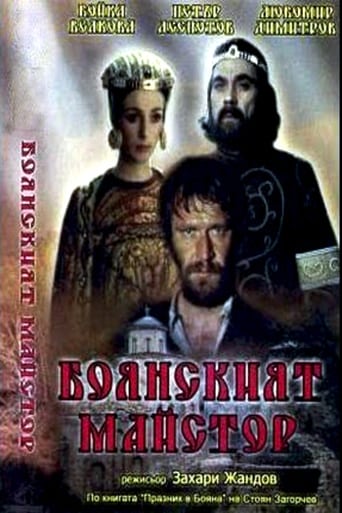
This is a film about the moral and philosophical sides of the life and the art, about the complex relations between the artist and the rough rules of the time in which he lives.
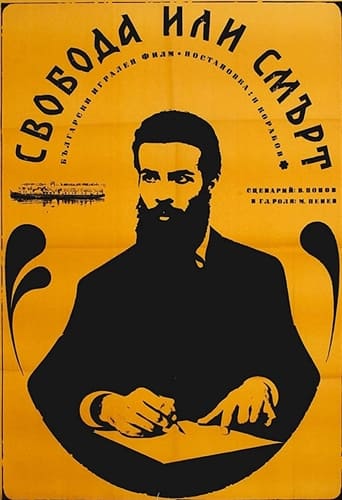
In а short but heroic campaign, Bulgarian poet and revolutionary Hristo Botev leads a band of rebels from the Danube to the Balkan Range.