Homo sapiens
2005-01-11 · 88 min · ★ 7.6
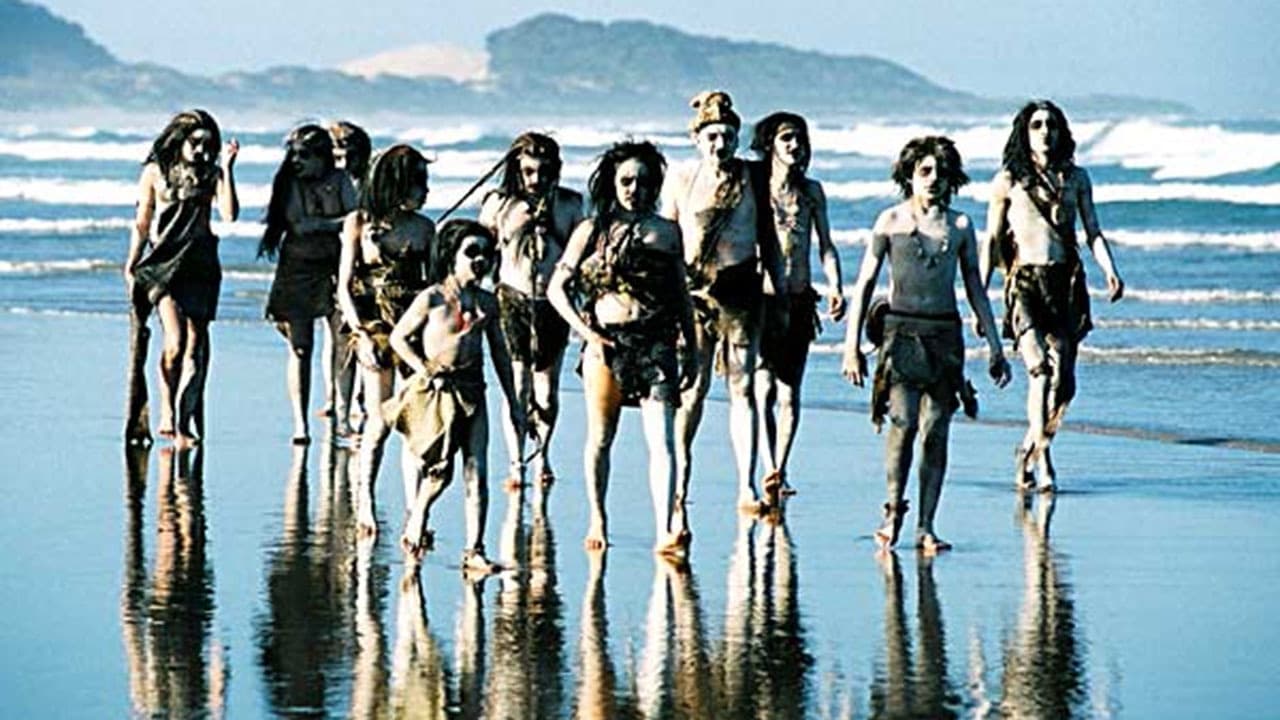
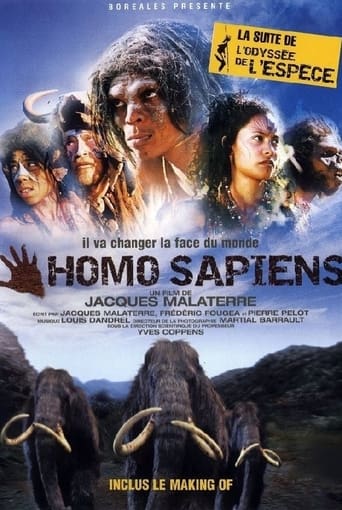
Two hundred and fifty thousand years ago, the first direct representative of our species appeared on earth: Homo Sapiens... From 400,000 to 20,000 BC, we follow the destiny of Homo Erectus, Neanderthal and Sapiens. We will thus discover the appearance of language, art, cults, agriculture, and breeding.
Trailers are previews, not full movies.
No authorized playback source configured. Use the legal watch options below.
Production details
- Directors
- Jacques Malaterre, Chip Proser
- Production companies
- Unavailable
- Countries
- France
- Status
- Released
Top Cast
Cast unavailable.
Title information and images are supplied by TMDb. Explore our discovery guide for advice on comparing metadata and legal viewing options.
Where to watch
Availability provided by JustWatch via TMDb. Offers can change. Provider links are listed on TMDb; full playback requires a separately authorized source.
Availability not listed for this country.
Seasons & episodes
Recommendations
This documentary delves into the mysteries surrounding the Neanderthals and what their fossil record tells us about their lives and disappearance.
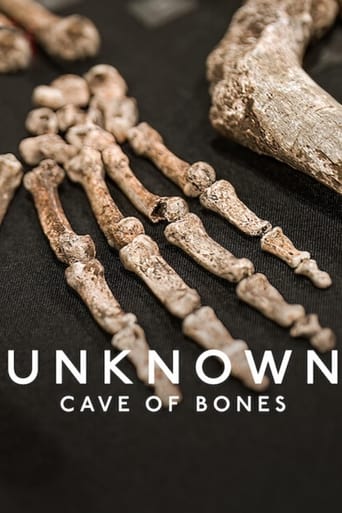
Scientists examine underground clues from over 250,000 years ago that raise questions about our early relatives — and what it truly means to be human.
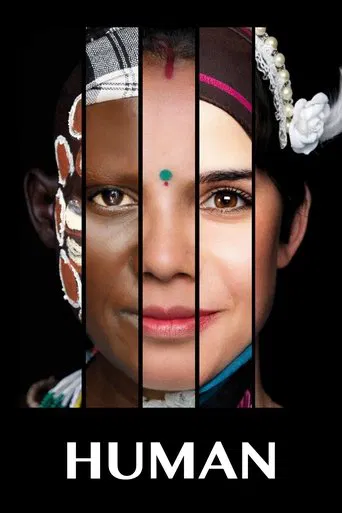
A collection of stories about and images of our world, offering an immersion to the core of what it means to be human. Through these stories full of love and happiness, as well as hatred and violence, it brings us face to face with the Other, making us reflect on our lives. From stories of everyday experiences to accounts of the most unbelievable lives, these poignant encounters share a rare sincerity and underline who we are – our darker side, but also what is most noble in us, and what is universal. Our Earth is shown at its most sublime through never-before-seen aerial images accompanied by soaring music, resulting in an ode to the beauty of the world, providing a moment to draw breath and for introspection. This film is a politically engaged work which allows us to embrace the human condition and to reflect on the meaning of our existence.

In an intimate and joyful story of love in the face of loss, celebrated poets Andrea Gibson and Megan Falley find strength—and unexpected hilarity—in what might be their final year together.

Through deeply personal interviews with her siblings and an examination of the photographs, letters, and belongings left behind, Mariska assembles a new portrait of her mother Jayne Mansfield, an extraordinary and complex woman.

The life and career of one of comedy's most inimitable modern voices, Mr. Gilbert Gottfried.
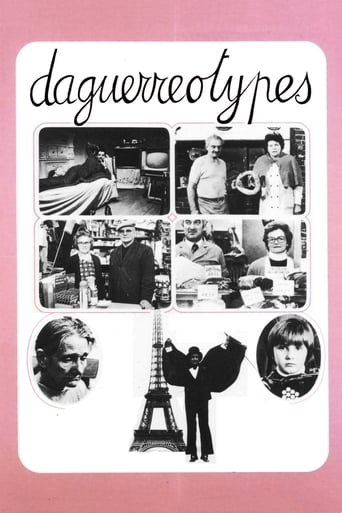
An intimate portrait of the small shops and shopkeepers of the Rue Daguerre in Paris, a picturesque street that has been the filmmaker’s home for more than 50 years.

The history of cinematic sound, told by legendary sound designers and visionary filmmakers.

Director Claude Lanzmann spent 11 years on this sprawling documentary about the Holocaust, conducting his own interviews and refusing to use a single frame of archival footage. Dividing Holocaust witnesses into three categories – survivors, bystanders, and perpetrators – Lanzmann presents testimonies from survivors of the Chelmno concentration camp, an Auschwitz escapee, and witnesses of the Warsaw Ghetto Uprising, as well as a chilling report of gas chambers from an SS officer at Treblinka.

Oskar Gröning, known as the "Accountant of Auschwitz," was charged with the murder of 300,000 Jews. When he took the stand in 2015, at the age of 94, his trial made headlines worldwide.
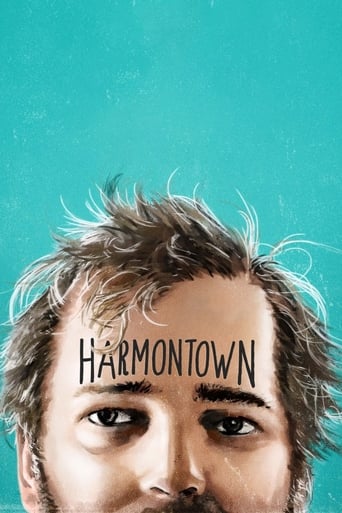
A comedic, brutally honest documentary following self-destructive TV writer Dan Harmon as he takes his live podcast on a national tour.

A compilation of over 30 years of private home movie footage shot by Lithuanian-American avant-garde director Jonas Mekas, assembled by Mekas "purely by chance", without concern for chronological order.
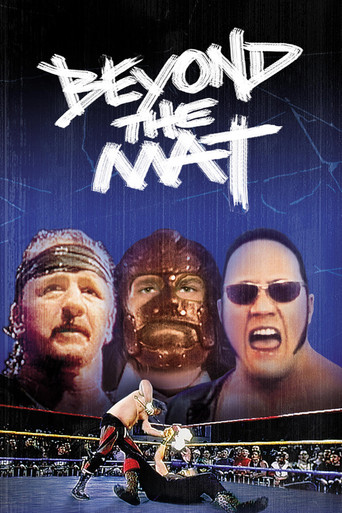
A heartfelt documentary focusing on the day-to-day lives of professional wrestlers, some on the rise, some on the wane, and others fighting for their lives.

When Allied forces liberated the Nazi concentration camps in 1944-45, their terrible discoveries were recorded by army and newsreel cameramen, revealing for the first time the full horror of what had happened. Making use of British, Soviet and American footage, the Ministry of Information’s Sidney Bernstein (later founder of Granada Television) aimed to create a documentary that would provide lasting, undeniable evidence of the Nazis’ unspeakable crimes. He commissioned a wealth of British talent, including editor Stewart McAllister, writer and future cabinet minister Richard Crossman – and, as treatment advisor, his friend Alfred Hitchcock. Yet, despite initial support from the British and US Governments, the film was shelved, and only now, 70 years on, has it been restored and completed by Imperial War Museums under its original title "German Concentration Camps Factual Survey".
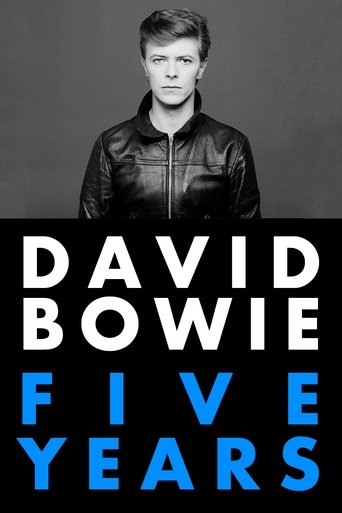
Featuring a wealth of previously unseen archive, this film looks at how Bowie continually evolved: from Ziggy Stardust to the Soul Star of Young Americans, to the ‘Thin White Duke’. It explores his regeneration in Berlin with the critically acclaimed album Heroes, his triumph with Scary Monsters and his global success with Let’s Dance. With interviews with all his closest collaborators, David Bowie - Five Years presents a unique account of why Bowie has become an ‘icon of our times’.

A documentary about how a dominant cultural and demographic institution both sustains their traditional activities and adapts to the digital revolution.

Experience the events of September 11, 2001 through the eyes of President Bush and his closest advisors as they personally detail the crucial hours and key decisions from that historic day.
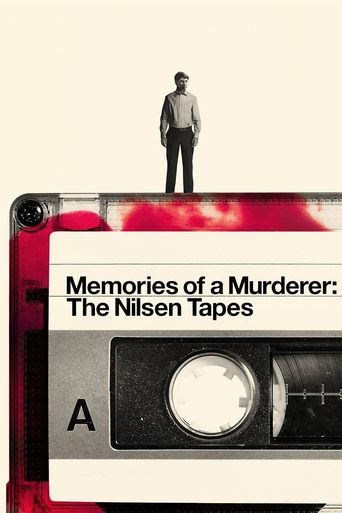
Serial killer Dennis Nilsen narrates his life and horrific crimes via a series of chilling audiotapes recorded from his jail cell.

A documentary on the expletive's origin, why it offends some people so deeply, and what can be gained from its use.

Director Michael Apted revisits the same group of British-born adults after a 7 year wait. The subjects are interviewed as to the changes that have occurred in their lives during the last seven years.
Similar titles
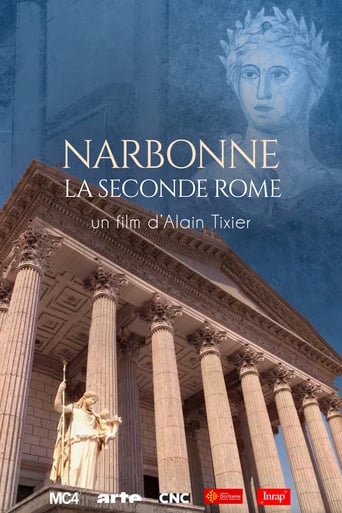
More than 2.000 years ago, Narbonne in today's Département Aude was the capital of a huge Roman province in Southern Gaul - Gallia Narbonensis. It was the second most important Roman port in the western Mediterranean and the town was one of the most important commercial hubs between the colonies and the Roman Empire, thus the town could boast a size rivaling that of the city that had established it: Rome itself. Paradoxically, the town that distinguished itself for its impressive architecture, today shows no more signs of it: neither temples, arenas, nor theaters. Far less significant Roman towns like Nîmes or Arles are full of ancient sites. Narbonne today is a tranquil town in Occitania
Film about archaeological research on settlements of the Czech lands by Slavic peoples. It focuses on individual stages of the research carried out in the localities of Dolní Věstonice, Staré Město u Uherského Hradiště, Staré Zámky u Líšně, Levý Hradec, and Libušín u Kladna. It presents the individual results in a manner that is almost educational in nature.
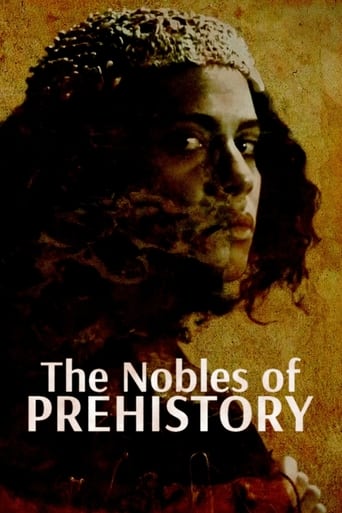
In 1872, in the cave of Cavillon in Monaco, archaeologist Émile Rivière (1835-1922) unearthed an apparently very old human skeleton, at least 24,000 years old, a discovery that changed the modern image of prehistoric men and women.


Archeologists discover a pit filled with terracotta warriors buried to protect the grave of the First Emperor of China.
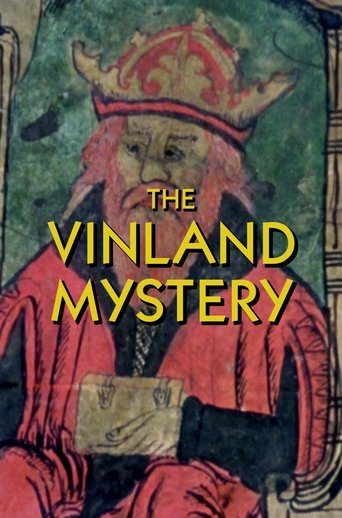
This short documentary depicts the search, discovery and authentication of the only known Norse settlement in North America - Vinland the Good. Mentioned in Icelandic manuscripts and speculated about for over two centuries, Vinland is known as "the place where the wild grapes grow" and was thought to be on the eastern coast between Virginia and Newfoundland. In 1960 a curious group of house mounds was uncovered at l'Anse aux Meadows in northern Newfoundland by Drs. Helge Ingstad and Anne Stine Ingstad of Norway. Added to the United Nations World Heritage List, l'Anse aux Meadows is considered one of the most important archaeological sites in the world.
Explores the Pyramids of Giza as Egyptologists try to unravel the mysteries and decipher the clues behind these stone giants built over 4,500 years ago.
An international team of art restorers and archaeologists begin work on the restoration of medieval frescoes inside a network of ancient caves. Faced with local bureaucratic challenges and systemic neglect of archaeological sites, the team encounters a community of shepherds and migrants that have used the caves for centuries and discover a living culture worth preserving most of all.
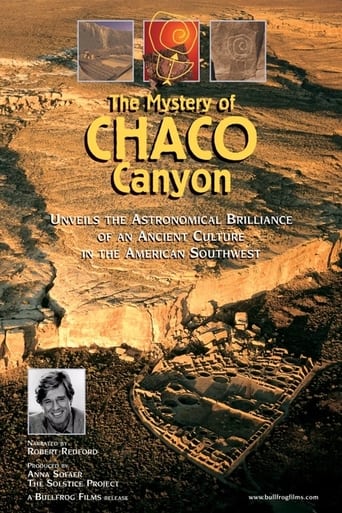
Chaco Canyon, located in northwest New Mexico, is perhaps the only site in the world constructed in an elaborate pattern that mirrors the yearly cycle of the sun and the 19-year cycle of the moon. How did an ancient civilization, with no known written language, arrange its buildings into a virtual celestial calendar, spanning an area roughly the size of Ireland?
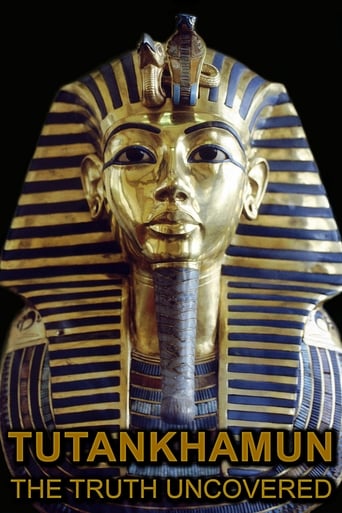
What killed King Tutankhamun? Ever since his spectacular tomb was discovered, the boy king has been the most famous pharaoh of all ancient Egypt. But his mysterious death, at just 19 years old, has never been explained. In this BBC One special, presenter Dallas Campbell reveals new scientific research and carries out unique experiments to get to the truth. For the first time, a virtual autopsy of Tut's mummified body reveals astonishing secrets about the pharaoh. Using CT scan data, the programme creates the first ever full size, scientifically accurate image of the real Tutankhamun. Brand new DNA analysis uncovers a shocking secret about Tut's family background, and the genetic trail of clues leads to a radical and revolutionary new theory to explain Tut's sudden and unexpected death. This is an epic detective story that uncovers the extraordinary truth of the boy behind the golden mask.
Professional, native and antiquarian researchers combine to investigate the archaeological history and modern legacy of Eastern Native civilization near Turners Falls, Massachusetts. They uncover possible evidence of a vast astronomical construct that covered a large area of what is now the northeastern United States.
From the far north of Canada to the southern tip of Chile, through the southern United States, central Mexico and the Brazilian Mato Grosso, new concordant but still controversial archaeological discoveries have brought a new paradigm to the archaeology of American prehistory: the appearance of the first humans on the continent could date back to nearly 30,000 years before our era, that is to say, about 15,000 years earlier than the commonly accepted and taught thesis. Although there were a few mavericks in the past who disputed the scenario according to which the first ancestors of Americans arrived on foot through the Bering Strait 16,000 years ago, they were long kept out of the scientific community.

In 79 A.D., Mount Vesuvius erupted, killing 2,000 people. This documentary asks what happened next as experts explore Ancient Rome's crisis management.

Viking Apocalypse is a examines the Ridgeway Hill Viking burial pit in Weymouth, UK, a site of a suspected mass execution long ago.[1] As they begin digging, archaeologists discover many male Viking skulls and search for clues that may reveal why Weymouth would have been a site for these beheadings.[2]

In northern Peru, the unprecedented archaeological discovery of the largest known mass child sacrifice in the world opens the doors to the kingdom of Chimor. This international archaeological investigation carried out like a criminal investigation reveals the mysteries of the last civilization of the Andes before the arrival of the Incas.
Documentary that discovers all the secrets of mummification in the Canary Islands thanks to pioneering research. Regis Francisco López approaches the mummification techniques that took place in Tenerife for more than 10 centuries.