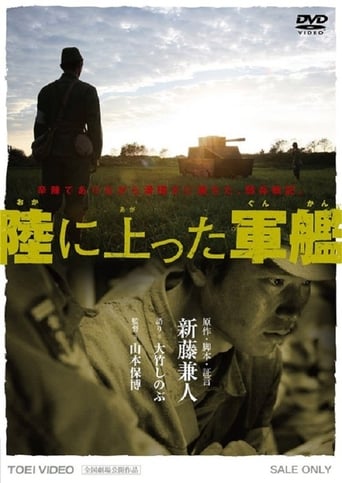
The Battleship on the Ground
2007-07-28 · 95 min · ★ 5.3
Writer/Director Kaneto Shindô recounts his time spent in the Japanese Navy in WWII. He tells about the harsh training, grueling conditions, and tragic losses which are reenacted in black & white sequences.
Trailers are previews, not full movies.
No authorized playback source configured. Use the legal watch options below.
Production details
- Directors
- Yasuhiro Yamamoto
- Production companies
- Pictures Network
- Countries
- Japan
- Status
- Released
Top Cast
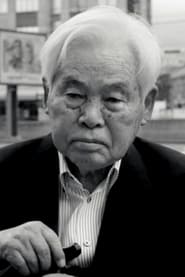 Kaneto Shindō
Title information and images are supplied by TMDb. Explore our discovery guide for advice on comparing metadata and legal viewing options.
Where to watch
Availability provided by JustWatch via TMDb. Offers can change. Provider links are listed on TMDb; full playback requires a separately authorized source.
Availability not listed for this country.
Seasons & episodes
Recommendations

When Sgt. First Class Brian Eisch is critically wounded in Afghanistan, it sets him and his sons on a journey of love, loss, redemption and legacy.

Prelude to War was the first film of Frank Capra's Why We Fight propaganda film series, commissioned by the Pentagon and George C. Marshall. It was made to convince American troops of the necessity of combating the Axis Powers during World War II. This film examines the differences between democratic and fascist states.
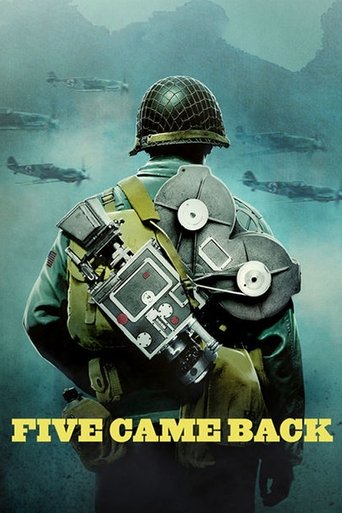
The extraordinary story of how Hollywood changed World War II – and how World War II changed Hollywood, through the interwoven experiences of five legendary filmmakers who went to war to serve their country and bring the truth to the American people: John Ford, William Wyler, John Huston, Frank Capra, and George Stevens. Based on Mark Harris’ best-selling book, “Five Came Back: A Story of Hollywood and the Second World War.”
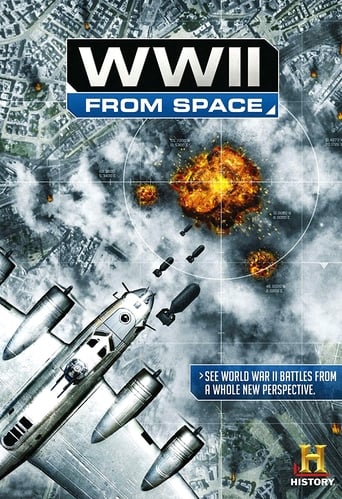
WWII from Space delivers World War II in a way you've never experienced it before. This HISTORY special uses an all-seeing CGI eye that offers a satellite view of the conflict, allowing you to experience it in a way that puts key events and tipping points in a global perspective. By re-creating groundbreaking moments that could never have been captured on camera, and by illustrating the importance of simultaneity and the hidden effects of crucial incidents, HISTORY presents the war's monumental moments in a never-before-seen context. And with new information brought to the forefront, you'll better understand how a nation ranked 19th in the world's militaries in 1939 emerged six years later as the planet's only atomic superpower.

“The Soviet Story” is a story of an Allied power, which helped the Nazis to fight Jews and which slaughtered its own people on an industrial scale. Assisted by the West, this power triumphed on May 9th, 1945. Its crimes were made taboo, and the complete story of Europe’s most murderous regime has never been told. Until now...

This documentary movie is about the battle of San Pietro, a small village in Italy. Over 1,100 US soldiers were killed while trying to take this location, that blocked the way for the Allied forces from the Germans. Preserved by the Academy Film Archive in 2005.
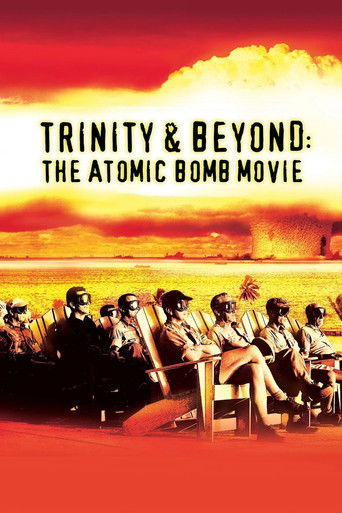
"Trinity and Beyond" is an unsettling yet visually fascinating documentary presenting the history of nuclear weapons development and testing between 1945-1963. Narrated by William Shatner and featuring an original score performed by the Moscow Symphony Orchestra, this award-winning documentary reveals previously unreleased and classified government footage from several countries.
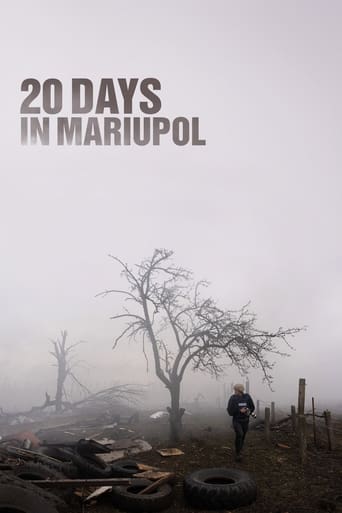
As the Russian invasion begins, a team of Ukrainian journalists trapped in the besieged city of Mariupol struggle to continue their work documenting the war's atrocities.
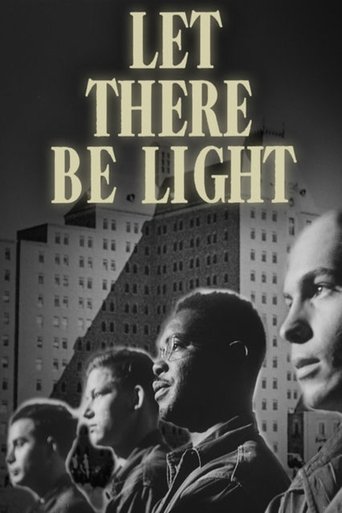
The final entry in a trilogy of films produced for the U.S. government by John Huston. Some returning combat veterans suffer scars that are more psychological than physical. This film follows patients and staff during their treatment. It deals with what would now be called PTSD, but at the time was categorised as psychoneurosis or shell-shock. Government officials deemed this 1946 film counterproductive to postwar efforts; it was not shown publicly until 1981.

Amid the failing counteroffensive, a journalist follows a Ukrainian platoon on their mission to traverse one mile of heavily fortified forest and liberate a strategic village from Russian occupation. But the farther they advance through their destroyed homeland, the more they realize that this war may never end.
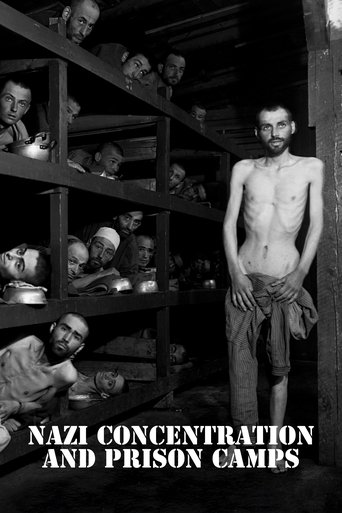
Produced and presented as evidence at the Nuremberg war crimes trial of Hermann Göring and twenty other Nazi leaders, this film consists primarily of dead and surviving prisoners and of facilities used to kill and torture during the World War II.
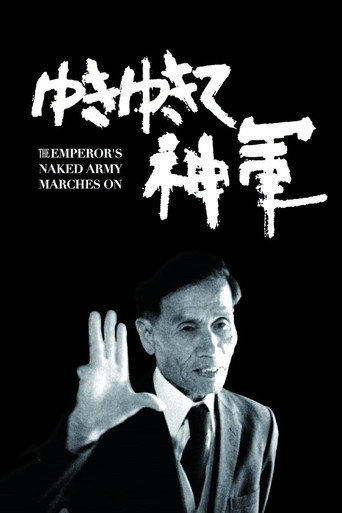
Kenzo Okuzaki, a 62-year-old anarchist veteran of the New Guinea campaign in World War II, sets out to conduct interviews with survivors and relatives to find the truth behind atrocities committed by Japanese military, in particular the unexplained killing of two Japanese privates in his unit.
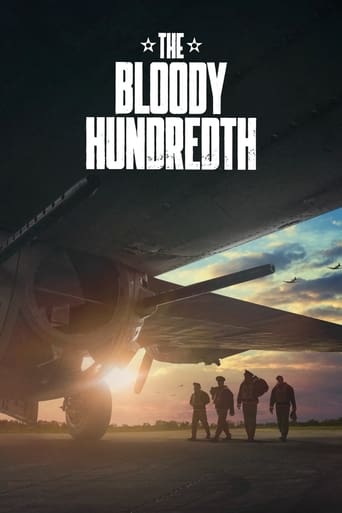
Meet the real-life airmen who inspired Masters of the Air as they share the harrowing and transformative events of the 100th Bomb Group.

When Allied forces liberated the Nazi concentration camps in 1944-45, their terrible discoveries were recorded by army and newsreel cameramen, revealing for the first time the full horror of what had happened. Making use of British, Soviet and American footage, the Ministry of Information’s Sidney Bernstein (later founder of Granada Television) aimed to create a documentary that would provide lasting, undeniable evidence of the Nazis’ unspeakable crimes. He commissioned a wealth of British talent, including editor Stewart McAllister, writer and future cabinet minister Richard Crossman – and, as treatment advisor, his friend Alfred Hitchcock. Yet, despite initial support from the British and US Governments, the film was shelved, and only now, 70 years on, has it been restored and completed by Imperial War Museums under its original title "German Concentration Camps Factual Survey".

A documentary about World War I with never-before-seen footage to commemorate the centennial of Armistice Day, and the end of the war.

Korengal picks up where Restrepo left off; the same men, the same valley, the same commanders, but a very different look at the experience of war.
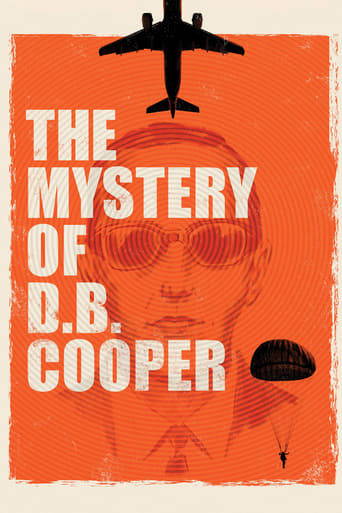
This documentary brings to life the stories of four people believed by their family and friends to be “DB Cooper,” a man who hijacked a 727 flying out of Seattle and jumped from the plane over the wilds of Washington State with a parachute and $200,000, never to be heard from again.
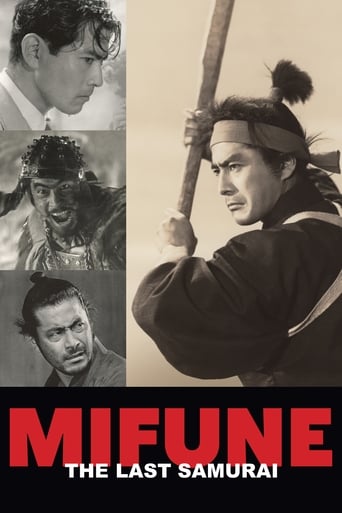
An account of the life and work of legendary Japanese actor Toshirō Mifune (1920-97), the most prominent actor of the Golden Age of Japanese cinema.

Marcel Ophuls' riveting film details the heinous legacy of the Gestapo head dubbed "The Butcher of Lyon." Responsible for over 4,000 deaths in occupied France during World War II, Barbie would escape—with U.S. help—to South America in 1951, where he lived until a global manhunt led to his 1983 arrest and subsequent trial.

Through deeply personal interviews with her siblings and an examination of the photographs, letters, and belongings left behind, Mariska assembles a new portrait of her mother Jayne Mansfield, an extraordinary and complex woman.
Similar titles

An American soldier who escapes the execution of his comrades by Japanese soldiers in Borneo during WWII becomes the leader of a personal empire among the headhunters in this war story told in the style of Joseph Conrad and Rudyard Kipling. The American is reluctant to rejoin the fight against the Japanese on the urging of a British commando team but conducts a war of vengeance when the Japanese attack his adopted people.
A documentary produced by the French armed forces which chronicles the way of France’s “1ere armée” in the second world war from the days it first crossed the Rhine in March of 1945, through the liberation of a POW-camp in Swabia, until the forces reached the Danube and the Alps at the end of the war and the day French troops marched in the victory parade in Berlin.
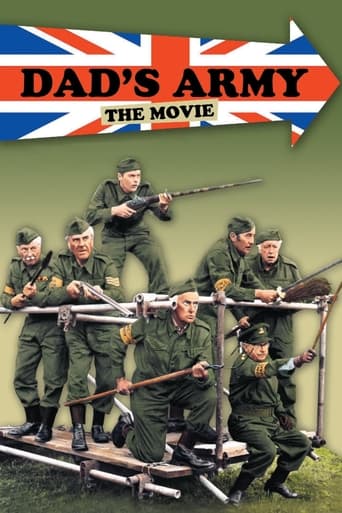
Dad's Army was a 1971 feature film based on the BBC television sitcom Dad's Army. Directed by Norman Cohen, it was filmed between series three and four and was based upon material from the early episodes of the television series. The film told the story of the Home Guard platoon's formation and their subsequent endeavours at a training exercise.
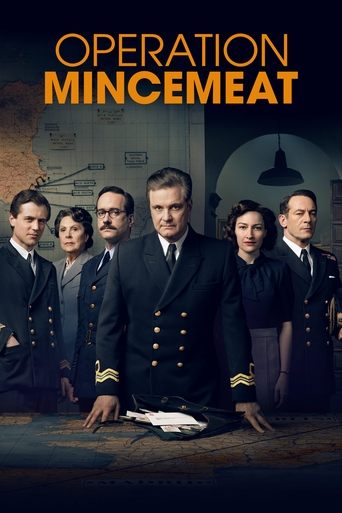
In 1943, two British intelligence officers concoct Operation Mincemeat, wherein their plan to drop a corpse with false papers off the coast of Spain would fool Nazi spies into believing the Allied forces were planning to attack by way of Greece rather than Sicily.
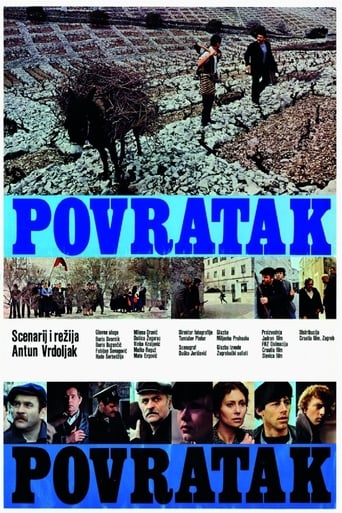
Despite the ongoing WW2, most of the people were just minding their own business. But everything changes when police arrests the group of youths under suspicion of being resistance sympathizers. Outraged townsfolk organize the siege of police station.

As the world faces its Second World War, John Halder, a good, intelligent German professor, finds himself pulled into a movement with unthinkable consequences.

Milquetoast Henry Limpet experiences his fondest wish and is transformed into a fish. As a talking fish he assists the US Navy in hunting German submarines during World War II.
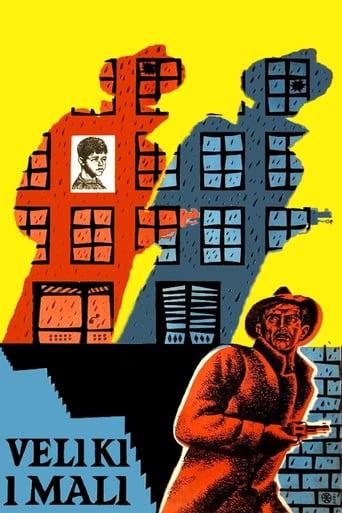
Under a police pursuit, Pavle tries to transfer a group of illegals on a free liberated territory. Pavle hopes to find a hideaway at an old friend Stevan, but these expectations fail. However, help unexpectedly comes from Stevan's little son Aca.

The movie takes place during World War II and depicts the true story of Jan Baalsruds amazing escape from the German army from the coast of Northern Norway and across the border to the neutral country Sweden.

A German Jewish industrialist is forced to hand over his business to the Nazis in order to ensure his family's safe passage out of Germany.
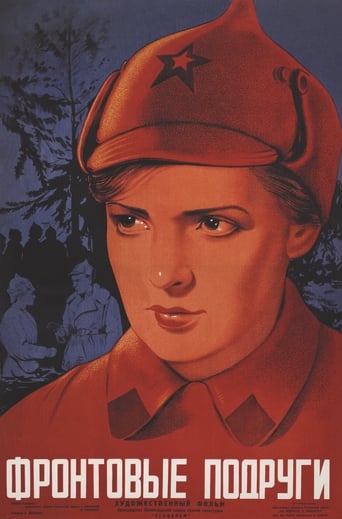
Set during the 1939–1940 Winter War, the film follows a group of young women from Leningrad who volunteer for service at the front. Working as nurses in hospitals and on the battlefield, they devote themselves to saving the lives of wounded soldiers, while also taking up arms alongside the men in combat. Through hardship and sacrifice, their courage forges bonds of friendship and love that endure amid the trials of war.
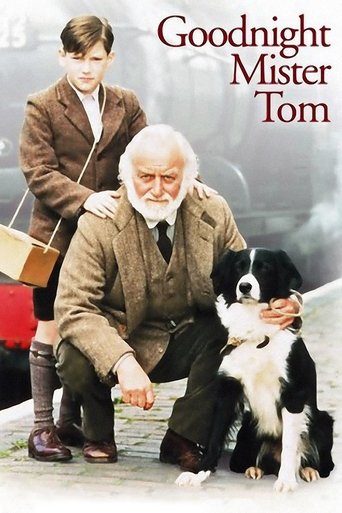
A shy and quiet World War II evacuee is housed by a disgruntled old man, and they soon develop a close bond.
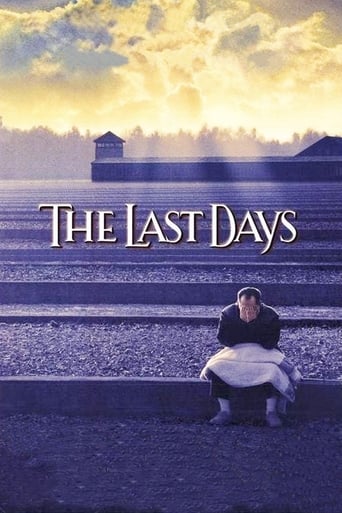
This Oscar-winning documentary recounts the harrowing stories of five Hungarian Jews who endured the horrors of the Holocaust and Hitler's reign.
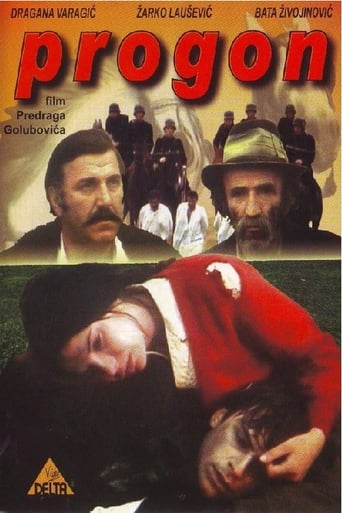
Two partisans, a man and a woman, try to escape a Nazi manhunt in the infernal landscape of WW2 Vojvodina.

A beautiful Austrian refugee in England--who is also a Nazi agent--marries a scholarly English pacifist. He lives near a secret military base she needs to get information about so she can help in Hitler's planned invasion of England.

The relationship between a boy and a girl shortly after the start of the war and the arrival of the Germans. He goes to Chetniks, and there he disappears without a trace, and she ,after much torture and solitude, begins to search for him not thinking in those moments of what the horrors of war can bring.

Germany, 1945. Soldier Willi Herold, a deserter of the German army, stumbles into a uniform of a Nazi captain abandoned during the last and desperate weeks of the Third Reich. Newly emboldened by the allure of a suit that he has stolen only to stay warm, Willi discovers that many Germans will follow the leader, whoever he is.

During WWII, the United States set up army bases in Great Britain as part of the war effort. Against their proper sensibilities, many of the Brits don't much like the brash Yanks, especially when it comes to the G.I.s making advances on the lonely British girls. One relationship that develops is between married John, an Army Captain, and the aristocratic Helen, whose naval husband is away at war. Helen loves her husband, but Helen and John are looking for some comfort during the difficult times.

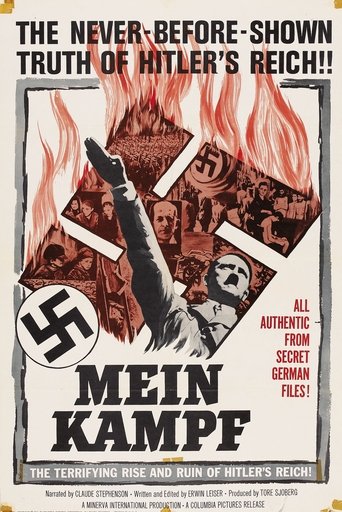
Using exclusively archival footage, Erwin Leiser traces the rise and collapse of the Third Reich, from Adolf Hitler’s early years to the devastation of Europe and his suicide in 1945. The film draws heavily on material produced and preserved by the Nazi propaganda apparatus to confront the mechanisms, imagery, and consequences of totalitarian power.