
Lursaguak
2019-09-20 · 12 min · Not rated
As Hélène Cixous would say, we precisely live in this time when the conceptual basis of an age-old culture is being undermined by millions of moles of a species never seen before.
Trailers are previews, not full movies.
No authorized playback source configured. Use the legal watch options below.
Production details
- Directors
- Izibene Oñederra
- Production companies
- Unavailable
- Countries
- Spain
- Status
- Released
Top Cast
Cast unavailable.
Title information and images are supplied by TMDb. Explore our discovery guide for advice on comparing metadata and legal viewing options.
Where to watch
Availability provided by JustWatch via TMDb. Offers can change. Provider links are listed on TMDb; full playback requires a separately authorized source.
Availability not listed for this country.
Seasons & episodes
Recommendations
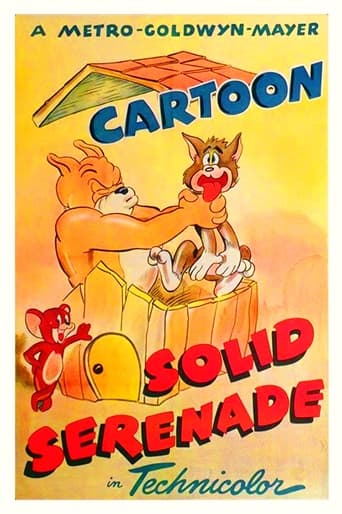
Tom ties up Spike and sneaks into the courtyard of the glamorous Toodles Galore with his bass, hoping to woo her with his song, much to the annoyance of a sleeping Jerry.
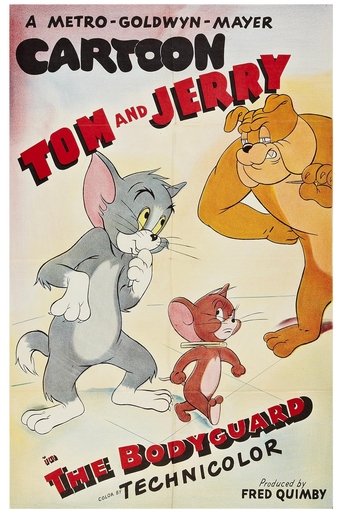
Spike the bulldog, grateful to Jerry for getting him out of the dogcatcher's van, offers to help the little mouse any time he whistles. Tom, Jerry's feline tormentor, seeks to overcome this new disadvantage.
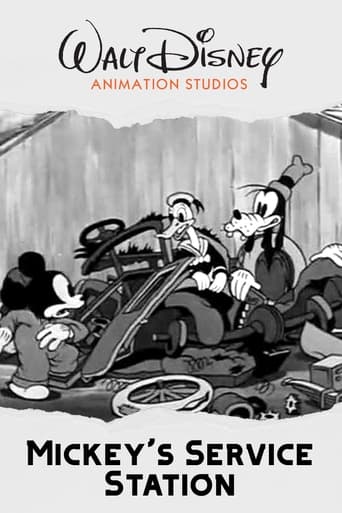
Mickey, Goofy & Donald have 10 minutes to fix Pete's car. Or else!

Tom is shipwrecked on an island, which is inhabited by at least one mouse - Jerry. To thwart the hungry cat, Jerry disguises himself as a cannibal.

Minnie Mouse knits a sweater for Pluto. When she puts it on him, Pluto does whatever he can to try to get it off, eventually shrinking it to the perfect size for Figaro.

Tired of always playing the same roles, Little Red Riding Hood, her grandmother and the Wolf demand a new version of the tale. The story then plays out in a more contemporary urban environment, with Little Red Riding Hood working as a pin-up girl in a night club.
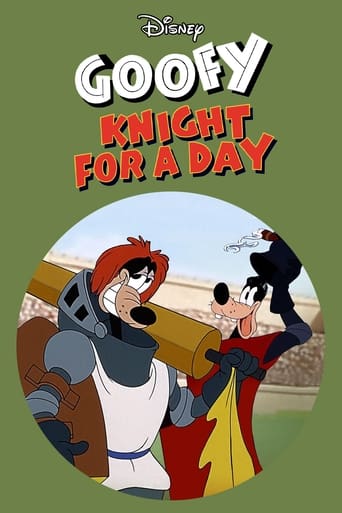
By accident, Cedric (Goofy), replaces his master, Sir Loinsteak, in the armor just before the joust with champion Sir Cumference.
Spike is showing his son Tyke how to barbecue when his cooking is disrupted by a typical Tom-and-Jerry chase.
As Tom and Jerry stage their typical fight sequences, the patriotic soldier theme of the title is evidenced by such things as a carton of eggs labeled "Hen Grenades"; Jerry dropping light bulbs from an airplane like bombs; and Jerry sending a telegram with the message "Sighted Cat - Sank Same." Musical phrasings from various patriotic war songs are heard throughout. The cut scene after Jerry hitting Tom with the board 4 times was cut from the 1950 reissue print for a war bond joke, and the original footage is currently considered "lost" due to the negatives destroyed in the 1978 George Eastman House fire.
Donald is leading a scout troop consisting of his nephews on a hike in the woods. Donald isn't nearly the expert on the woods that he thinks he is, much to the amusement of the boys. In a bid for sympathy, he douses himself in catsup and fakes injury; the boys bandage him so thoroughly he can't see, and he stumbles into a pot of honey, and is soon getting all too much attention from a bear.

Donald's sister Dumbella sends her three sons Huey, Dewey, and Louie to visit their uncle Donald. They prove to be quite a handful for Donald, even with help from his book on child rearing.

Tom heads for a big city penthouse to become acquainted with a rich pretty female cat that lives there. He brings her Jerry as a gift and does some humiliating things to Jerry. Jerry, in turn, attracts the attention of another cat who also becomes interested in the female cat. It eventually turns into a fight between Tom and the other cat for the lady's hand but Jerry is the one who gets her in the end.

Mickey's going golfing, and Pluto is his caddy. Besides the usual caddy duties, Pluto runs to the ball and points to it. But when the ball lands in a gopher hole, Pluto's got another task: chase the gopher. They eventually chase each other through a number of holes in a knoll where Mickey is trying to putt out, causing the knoll to collapse.
Donald is an admiral on a seagoing voyage with his nephews in which they encounter a ravenous shark.

A narrator explains the history of the Olympic Games while Goofy demonstrates events.
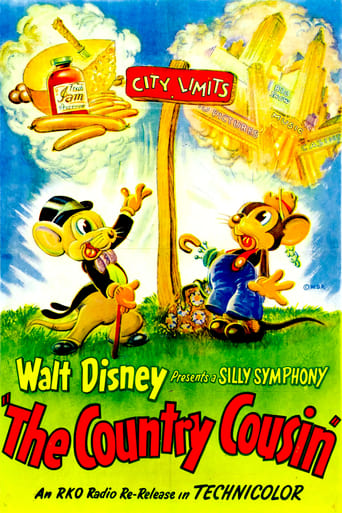
Monty Citymouse invites his cousin Abner Countrymouse for a visit and shows him the ways of the big city, including traps, eating quietly, and busy traffic.
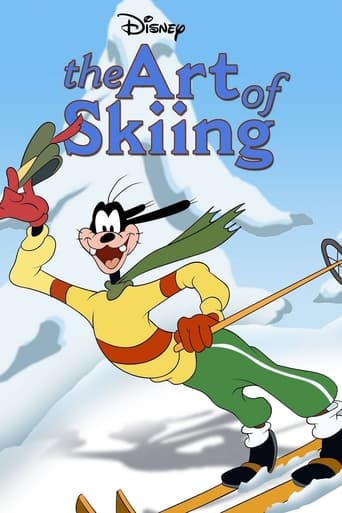
Goofy, staying at the Sugar Bowl resort, demonstrates the basics of downhill skiing, which the titles and announcer insist is pronounced "SHEEing". The equipment is, of course, of the era. As you can imagine, Goofy has much trouble keeping his skis parallel and pointing downhill. The final ski jump conveniently lands Goofy right back in bed.

Butch convinces Tom and Jerry that there's no reason to fight and they should all sign a peace treaty. Tom and Butch even rescue their pals from a fellow cat and dog. But then a steak falls off a truck and the boys can't decide how to divvy it up, ultimately losing it completely, and the truce is off.

When Margo, Agnes and Edith return from Badger Scout camp, three of the Minions are entranced by the girls' merit badges. Their own attempt at scout camp results in attracting a bear, eating poison berries and eventually blowing up a dam, creating a massive flood. But, when they arrive back home, the girls share their badges, encouraging the rest of the Minions to try their hand at scouting.
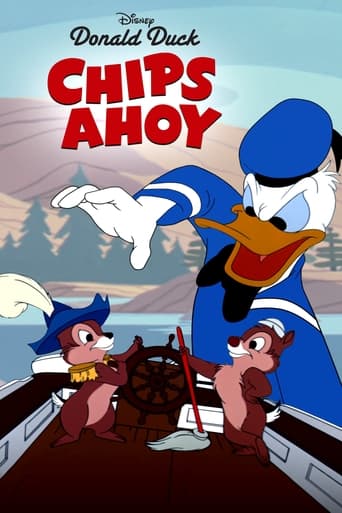
Chip and Dale are starving in their tree home when they notice a plentiful supply of acorns on an island in a lake. To get to the island, they borrow a miniature model ship of Donald's to sail on. The irate Donald, however, doesn't appreciate them stealing his ship and makes several attempts to get it back and thwart their scheme to get to their acorn paradise. Chip and Dale are, of course, always one step ahead of Donald.
Similar titles
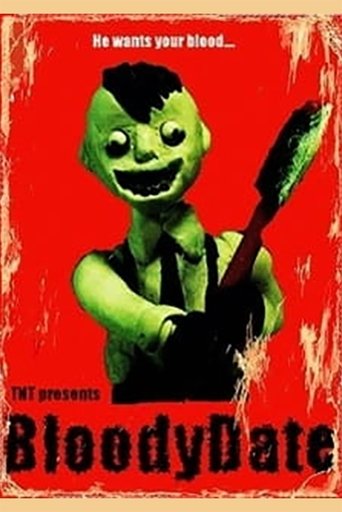
Your first date becomes your worst nightmare...

A pretty female cat gets into trouble. What's gonna happen?

It’s the Little Things that frustrate us all. Everyday sketches of a dysfunctional world in which nothing quite works and everybody has their foibles. Can the repetition of mundanity endure under extreme circumstances?

One summer afternoon in 1907, Abel and his wife (both mice) are picnicking, when they become separated during a violent rainstorm. After flying some distance, Abel discovers himself alone on a river island, unable to swim due to the powerful current. Abel periodically attempts to leave the island by various means: flying on a leaf, rowing a crudely fashioned boat, etc. Meanwhile, he tries to create a normal life of sorts, even learning to enjoy a new hobby: sculpture. Still, Abel's goal is to escape the island and rejoin his wife in the city.

Hykade's third and final part of The Country Trilogy. The once dead father of "We Lived in Grass" returns. "I give you the runt," he says. "But you take care of it and you kill it next year."
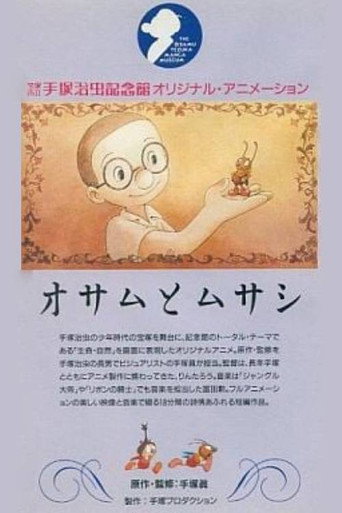
The animation was produced for the Tezuka Osamu Manga Museum, thus it features scenes from the "life and nature" of Tezuka Osamu's childhood, themes that are central to the museum as a whole, through exchanges between the boy Osamu and the carabid beetle (Osamushi) who provided the origin for the artist's name.
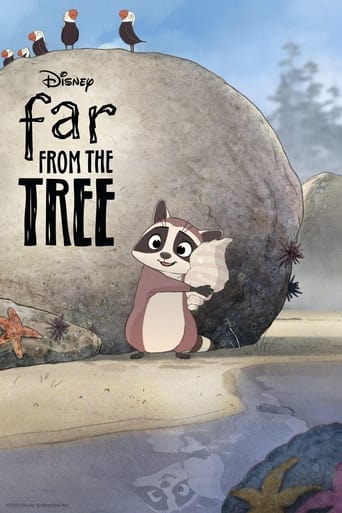
On an idyllic beach in the Pacific Northwest, curiosity gets the better of a young raccoon whose frustrated parent attempts to keep them both safe.

A film about the vortex of time. It’s also about childhood and how it marks us for life. It’s a film that speaks of the relationship a son has with his father. And of the many words never spoken because they’re written in one’s heart.
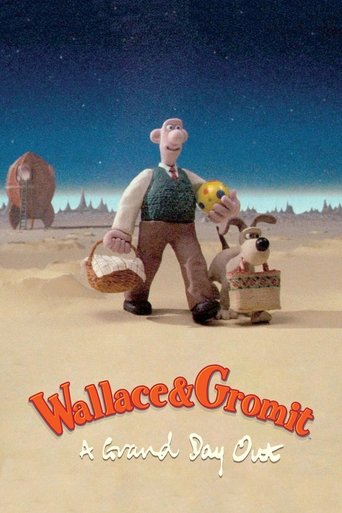
Wallace and Gromit have run out of cheese, and this provides an excellent excuse for the duo to take their holiday to the moon, where, as everyone knows, there is ample cheese.
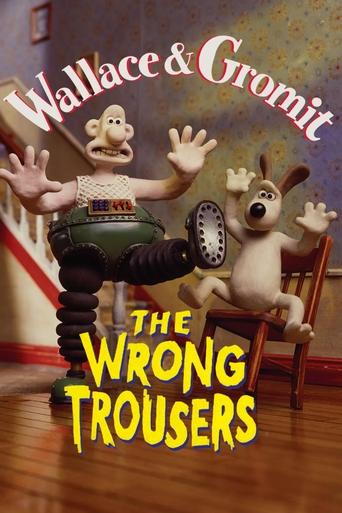
Wallace rents out Gromit's former bedroom to a penguin, who takes up an interest in the techno trousers created by Wallace. However, Gromit later learns that the penguin is a wanted criminal.
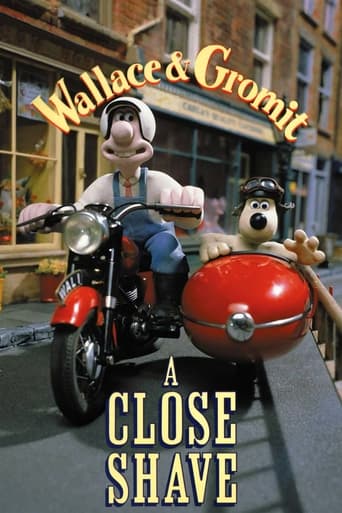
Wallace's whirlwind romance with the proprietor of the local wool shop puts his head in a spin, and Gromit is framed for sheep-rustling in a fiendish criminal plot.

Focusing on developing relationships with the computer as a nonhuman entity, Listener is an iterative, site-specific performance artwork which speculates a future through Lakota ontology, narratively and physically manifesting a relationship with metals in electronics, performed via an electronic interface woven into hair (hair is sacred to the Lakota). The sonic landscape includes live police scanners, synthesizers played by the hair, and algorithmically re-arranging poetry with a voice speaking of a future landscape, prophecies, dreams, and the possibilities in listening.
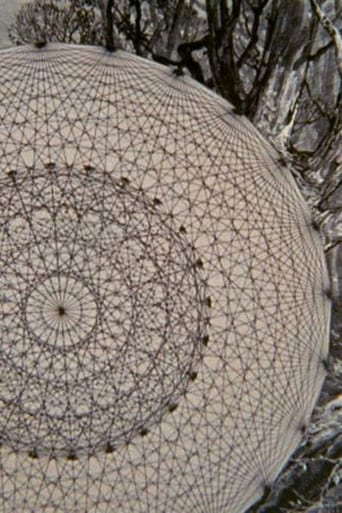
This is a classing Jordan animation, primarily in B/W, with touches of color. Actually, the engraved art work was film on color negative, so that subtle variations in tone are recorded. The mood--enhanced by John Davis' original music--is dream-like. It is both lyric and crackling, producing a kind of anticipatory tension. The scenes, in the usual Jordan manner, follow the surreal principle of placing objects and people where the ought not to be, and making movements that in the waking world are impossible. Each scene is a kind of drama from another world.

A wooden puppet who desperately wants to fit in makes an ill-fated wish upon a star, sparking a journey of self-discovery.
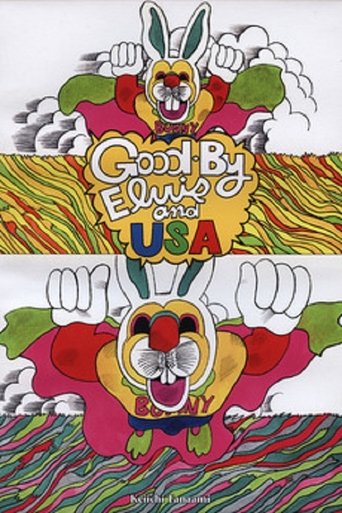
A trippy pop-art collage of phallic objects, naked women and American icons, most notably Elvis Presley.

The Pretender is a short animated documentary that revisits the life of Attar of Nishapur during the Mongol invasions of the 13th century. Blending cinema with architecture and rock music, the film follows a symbolic journey through the Seven Cities of Love, where Attar reflects on the mystical insights of Sufi philosophy.

The tale of the blacksmith Stepan, who returned the Moon, the Stars and the Sun to people.


This short film begins with the character Chauncey (a puppet made of sex toys resembling a mouth and hands with a sock for a body) rolling around in a babies’ rolling chair and watching obscure cartoons and shows on TV. They have satirical, comedic, religious, and disturbing overtones... but to Chauncey and his Dad, this is normal. After a while of the cartoons and Chauncey eating a sausage and then throwing it up, the cartoons inspire Chauncey to ask a series of philosophical questions to his Dad. The questions involve what happens after death, the meaning of life, and Chances asking about his identity and why he’s different.

Video art by Vibeke Sorensen made at Calarts in 1989