
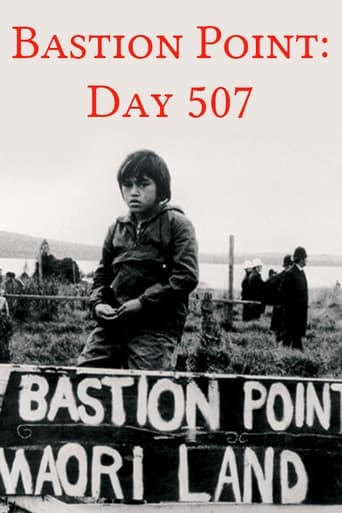
Bastion Point: Day 507
1980-01-01 · 27 min · Not rated
Merata Mita, Leon Narbey and Gerd Pohlmann’s powerful documentary Bastion Point: Day 507 depicts the eviction of protestors from Bastion Point during the struggle for Māori land rights.
Trailers are previews, not full movies.
No authorized playback source configured. Use the legal watch options below.
Production details
- Directors
- Merata Mita, Gerd Pohlmann, Leon Narbey
- Production companies
- Unavailable
- Countries
- New Zealand
- Status
- Released
Top Cast
Cast unavailable.
Title information and images are supplied by TMDb. Explore our discovery guide for advice on comparing metadata and legal viewing options.
Where to watch
Availability provided by JustWatch via TMDb. Offers can change. Provider links are listed on TMDb; full playback requires a separately authorized source.
Availability not listed for this country.
Seasons & episodes
Recommendations

A string of threatening emails escalates into a revenge plot involving a newly married US marshal and his ex-girlfriend.

In the Realms of the Unreal is a documentary about the reclusive Chicago-based artist Henry Darger. Henry Darger was so reclusive that when he died his neighbors were surprised to find a 15,145-page manuscript along with hundreds of paintings depicting The Story of the Vivian Girls, in What is Known as the Realms of the Unreal, of the Glodeco-Angelinnian War Storm, Cased by the Child Slave Rebellion.
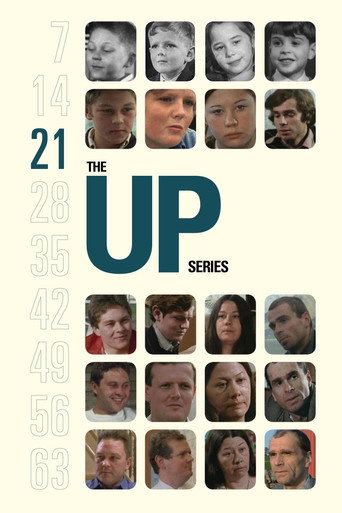
After another 7 year wait, director Michael Apted revisits the same group of British-born children from Seven Up! and 7 Plus Seven. The subjects are interviewed as to the changes that have occurred in their lives during the last seven years.

Over 35 years after Bob Lazar's revelations, this documentary exposes secrets of a facility the government still denies. Featuring Lazar's testimony, recreations, and new evidence, it reopens a case that continues to spark global curiosity

Director Michael Apted revisits the same group of British-born adults after a 7 year wait. The subjects are interviewed as to the changes that have occurred in their lives during the last seven years.
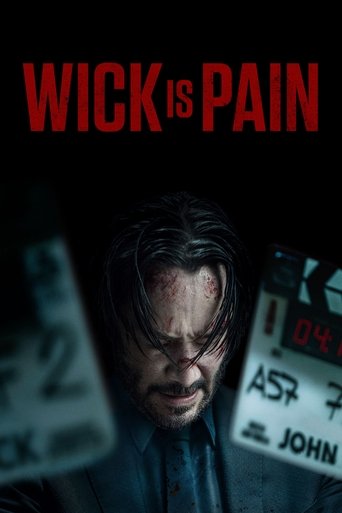
Witness the never-before-seen footage and true story behind the John Wick phenomenon – from independent film to billion-dollar franchise.
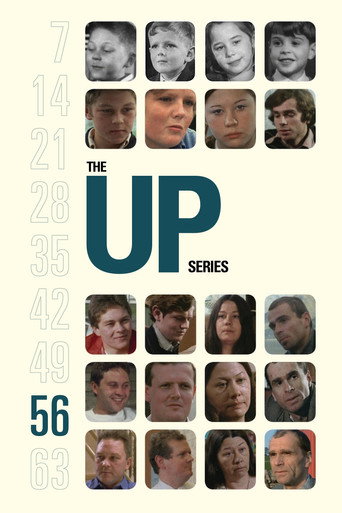
When a cross-section of seven-year-olds were interviewed for 7 Up in 1964 it was immediately evident that their social backgrounds influenced their attitudes towards life. While the upper class children were confident and self-assured, those from middle and working class backgrounds were resigned to a challenging life of hard work. This premise was put to the test every seven years when the same group were interviewed about the progression of their lives. 49 years in the making, the changes that occurred to the original 14 make for fascinating television and are in many ways the stories of all our lives. From success and disappointment, marriage and childbirth, to poverty and illness, nearly every facet of life has been captured on film. Now, at the age of 56, the group are once more brought together and, with the benefit of hindsight, assess whether their lives have been ruled by circumstance or self-determination.

Stars of "The Walking Dead," Andrew Lincoln and Danai Gurira, walk down memory lane and visit iconic locations where pivotal moments between their characters, Rick and Michonne, were filmed.

The film follows adventurer Jeff Johnson as he retraces the epic 1968 journey of his heroes Yvon Chouinard and Doug Tompkins to Patagonia.
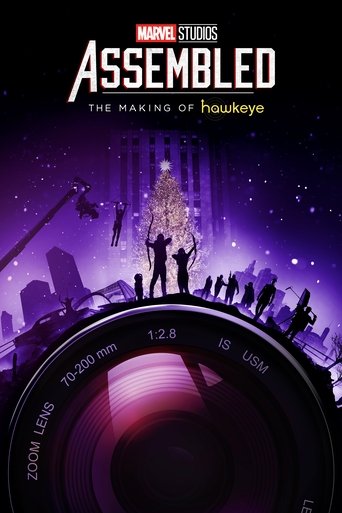
Join the likes of Jeremy Renner, Hailee Steinfeld, Florence Pugh, and Vincent D’Onofrio as they reveal how Marvel Studios’ “Hawkeye” was conceived and created. Witness firsthand what it took to pull off the show’s pulse-pounding action set pieces, and discover how iconic characters from the pages of Marvel Comics such as Kate Bishop were adapted and brought to life for the six-episode series.

Director Michael Apted revisits the same group of British-born adults after a 7 year wait. The subjects are interviewed as to the changes that have occurred in their lives during the last seven years.

An inside look at one of the most anticipated movie sequels ever with James Cameron and cast.

For a year, acclaimed British filmmaker Jeanie Finlay was embedded on the set of the hit HBO series “Game of Thrones,” chronicling the creation of the show’s most ambitious and complicated season. Debuting one week after the series 8 finale, GAME OF THRONES: THE LAST WATCH delves deep into the mud and blood to reveal the tears and triumphs involved in the challenge of bringing the fantasy world of Westeros to life in the very real studios, fields and car-parks of Northern Ireland. Made with unprecedented access, GAME OF THRONES: THE LAST WATCH is an up-close and personal portrait from the trenches of production, following the crew and the cast as they contend with extreme weather, punishing deadlines and an ever-excited fandom hungry for spoilers. Much more than a “making of” documentary, this is a funny, heartbreaking story, told with wit and intimacy, about the bittersweet pleasures of what it means to create a world – and then have to say goodbye to it.

Just two years away from turning 30, participants in Michael Apted's documentary series are facing serious questions of identity and purpose, wondering whether they've found their place in the world.

The definitive 3½-hour documentary about the troubled creation and enduring legacy of the science fiction classic 'Blade Runner', culled from 80 interviews and hours of never-before-seen outtakes and lost footage.
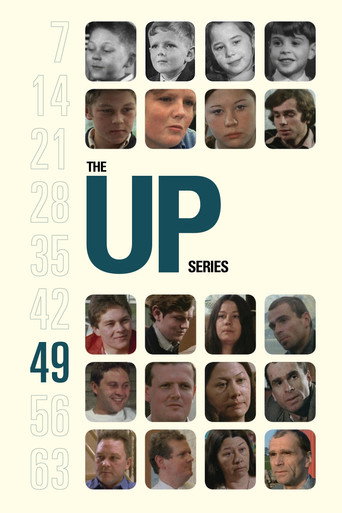
49 Up is the seventh film in a series of landmark documentaries that began 42 years ago when UK-based Granada's World in Action team, inspired by the Jesuit maxim "Give me the child until he is seven and I will give you the man," interviewed a diverse group of seven-year-old children from all over England, asking them about their lives and their dreams for the future. Michael Apted, a researcher for the original film, has returned to interview the "children" every seven years since, at ages 14, 21, 28, 35, 42 and now again at age 49.In this latest chapter, more life-changing decisions are revealed, more shocking announcements made and more of the original group take part than ever before, speaking out on a variety of subjects including love, marriage, career, class and prejudice.
Unravel the case of Utah therapist Jodi Hildebrandt, whose child abuse arrest with parenting YouTuber Ruby Franke exposed a twisted tale of manipulation.
A comedic, brutally honest documentary following self-destructive TV writer Dan Harmon as he takes his live podcast on a national tour.

A compilation of over 30 years of private home movie footage shot by Lithuanian-American avant-garde director Jonas Mekas, assembled by Mekas "purely by chance", without concern for chronological order.

In an intimate and joyful story of love in the face of loss, celebrated poets Andrea Gibson and Megan Falley find strength—and unexpected hilarity—in what might be their final year together.
Similar titles
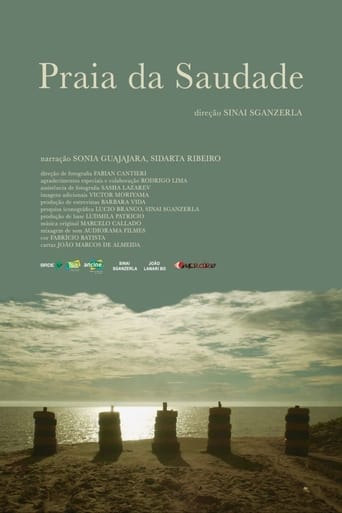
A documentary about climate change in Brazil, especially at Atafona Beach (in the Campos de Goytacazes region), which is being swallowed up by the sea. Narrated by Sonia Guajajara and Sidarta Ribeiro, the film deals with the genocide of the native people of Goytacazes.
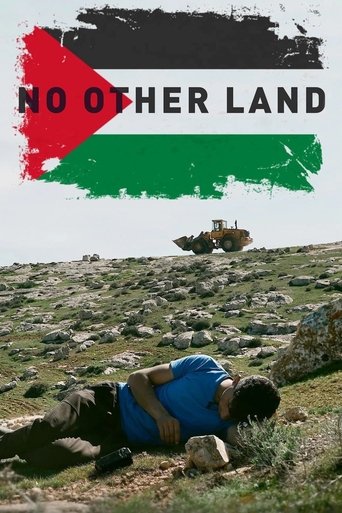
This film made by a Palestinian-Israeli collective shows the destruction of the occupied West Bank's Masafer Yatta by Israeli soldiers and the alliance which develops between the Palestinian activist Basel and Israeli journalist Yuval.
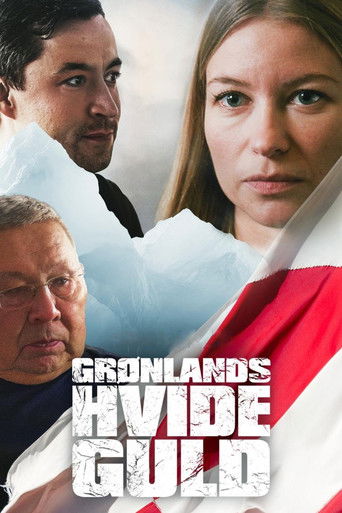
A documentary that challenges the notion of Greenland being the eternal cost for Denmark.
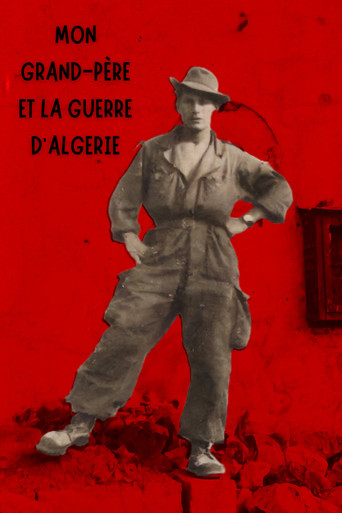
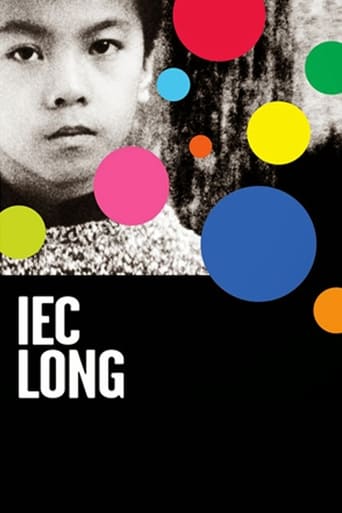
The word panchão was first heard in Macao. From the Chinese pan-tcheong or pau-tcheong, dictionaries define it as a Macanese regionalism also known as China cracker. Who inhabits the ancient IEC Long firecracker factory?
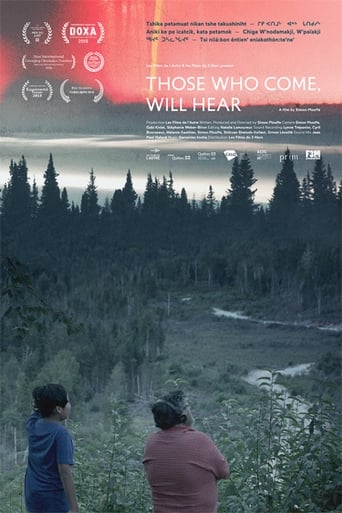
The documentary proposes a unique meeting with the speakers of several indigenous and inuit languages of Quebec – all threatened with extinction. The film starts with the discovery of these unsung tongues through listening to the daily life of those who still speak them today. Buttressed by an exploration and creation of archives, the film allows us to better understand the musicality of these languages and reveals the cultural and human importance of these venerable oral traditions by nourishing a collective reflection on the consequences of their disappearance.
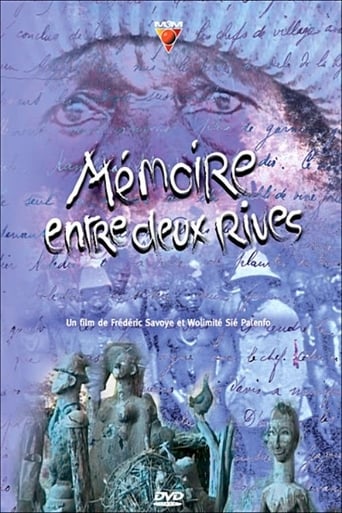
This documentary follows the traces of the French colonization of the country Lobi. In this region of southwestern Burkina Faso, there is not a village, not a family that does not remember the suffering brought by the colonizers. Confronted with the archival documents of the administrators, the oral tradition, through its numerous testimonies, allows us to trace back nearly a century of history, from the arrival of the first Whites until today. This word also testifies to the individual, social or religious consequences of this often painful history. Between the past and the present, between the living words and the writings of the colonists, "Mémoire entre deux rives" is as much a quest for Lobi identity as a reflection on "civilising" France.


Unknown history of one of the oldest countries, and the partitioning of it, with no regards for the people who lived on their land for many centuries! How Macedonia became Greek after The Balkan Wars!
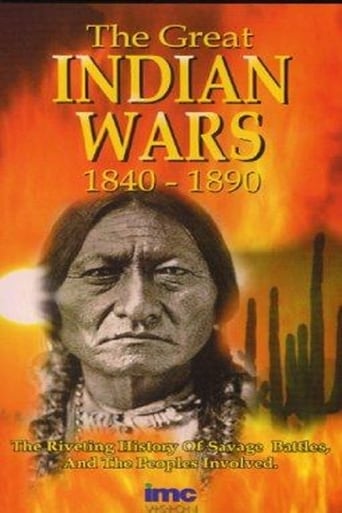
Documentation of the encroachment of European settlers upon Native American lands and the violent reaction of the Indians in their struggle to survive.

In this documentary companion to CHARLIE'S COUNTRY, Australian actor David Gulpilil tells the story of when his people's way of life was derailed by ours.
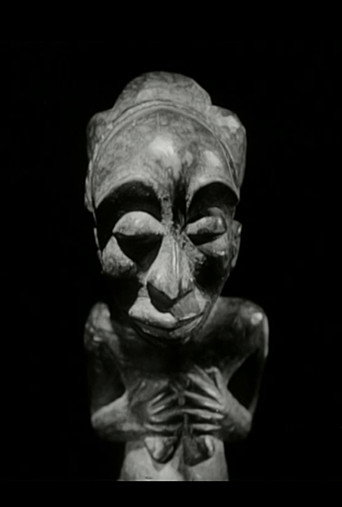
Passages from the Bible are read out while sculpted objects and monumental art works glide slowly past the camera. Most of them represent female figures in different stages of their life: women at work, pregnant women and mothers with children. The film shows a series of everyday objects such as headrests, chairs, combs, pipes, musical instruments and chiefs' sticks
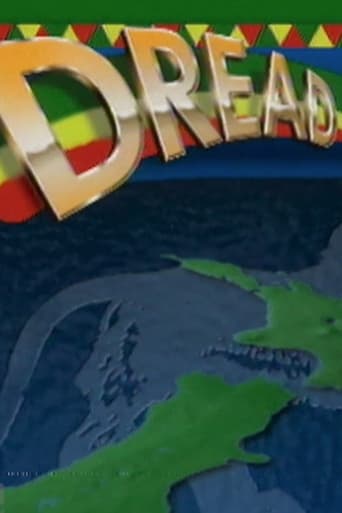
An East Coast community in Ruatōria, New Zealand attempts to live in autarchy according to the tenets of their movement. Bob Marley, a prophet of our electronic age, is the soundtrack to the everyday lives of these Māori who feel closer to their own roots by observing a blend of Afro-Carribean Rastafarianism and the Ringatū faith. Merata Mita's camera respectfully portrays this singular cultural dialogue. The outsider cultures of Jamaicans, Ethiopians and Māori have come together, vibrating to a common cosmic chord. They find an underground brotherhood, across continents and seas.
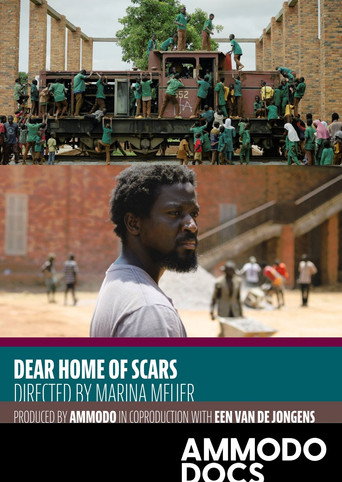
In Dear Home of Scars, we see celebrated visual artist Ibrahim Mahama return to his hometown of Tamale in Northern Ghana to visit Red Clay Studio, a lively cultural centre and art space he founded, where he works on a new art installation involving old colonial railcars and the reconstruction of a stretch of track. During British rule of Ghana (1821-1957), the colonisers used trains to transport gold and other resources to the coast. Remnants of track now lie abandoned as silent reminders of this history of exploitation. They are ‘scars in the landscape’, in the words of Mahama. The project brings new energy and self-awareness to local residents. Meanwhile, Mahama reflects on his role as a sought-after artist and builder of local communities.
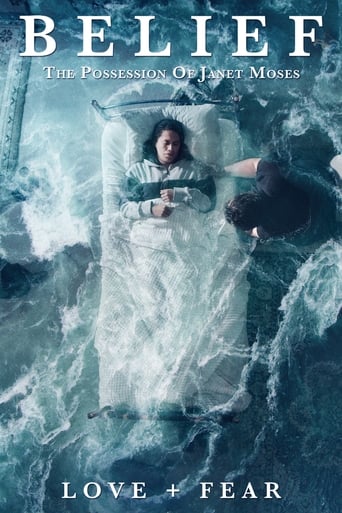
This impressive doco disperses the fog of shame and sensationalism to shed light on the tragedy that made international headlines in 2007 when a young Wainuiomata woman died during a mākutu lifting.
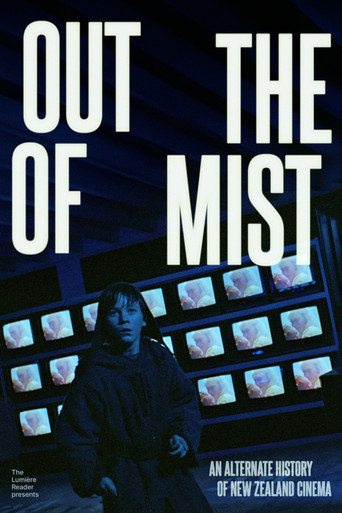
Two decades on from Sam Neill’s Cinema of Unease, Tim Wong’s essay film contemplates the prevailing image of a national cinema while privileging some of the images and image-makers displaced by the popular view of filmmaking in Aotearoa. Free to view at: lumiere.net.nz/films
The history of Amos, a town in Abitibi-Témiscamingue (Quebec).

Conservationist Sam the Trap Man brings to life the vision of "Recloaking Papatūānuku" - a bold initiative to restore and regenerate over 2 million hectares of Aotearoa's native bush and wetlands.

A gripping film chronicling Māori in a defiant struggle against systemic racism and colonial injustice to reclaim their fishing rights. Through resilience and legal strategy, they secured their place in the industry, marking a landmark victory for Indigenous sovereignty. Thirty years later, the fight for equity and environmental stewardship continues.
This 1981 NFU film is a tour of the contemporary world of Aotearoa’s tangata whenua. It won headlines over claims that its portrayal of Māori had been sanitised for overseas viewers. Debate and a recut ensued. Writer Witi Ihimaera felt that mentions of contentious issues (Bastion Point, the land march) in his original script were ignored or elided in the final film, and withdrew from the project. He later told journalists that the controversy showed that educated members of minority groups were no longer prepared to let the majority interpret the minority view.