

The Birth of the Genre
1967-11-25 · 17 min · ★ 7.5
The film summarizes the origin and development of animated film at the turn of the 19th and 20th centuries
Trailers are previews, not full movies.
No authorized playback source configured. Use the legal watch options below.
Production details
- Directors
- Elbert Tuganov
- Production companies
- Tallinnfilm
- Countries
- Soviet Union
- Status
- Released
Top Cast
Cast unavailable.
Title information and images are supplied by TMDb. Explore our discovery guide for advice on comparing metadata and legal viewing options.
Where to watch
Availability provided by JustWatch via TMDb. Offers can change. Provider links are listed on TMDb; full playback requires a separately authorized source.
Seasons & episodes
Recommendations

Camp Confidential: America's Secret Nazis, is a documentary short featuring animation that focuses on the story of a top secret POW camp that was classified for over 5 decades. In the midst of WWII, a group of young Jewish refugees are assigned to guard a top secret POW camp near Washington D.C. The Jewish soldiers soon discover that their prisoners are no other than Hitler's top scientists - What starts out as an intelligence mission to gather information from the Nazis, soon gets a shocking twist when the Jewish soldiers are tasked with a very different mission altogether. A mission that would question their moral values - exposing a dark secret from America's past.
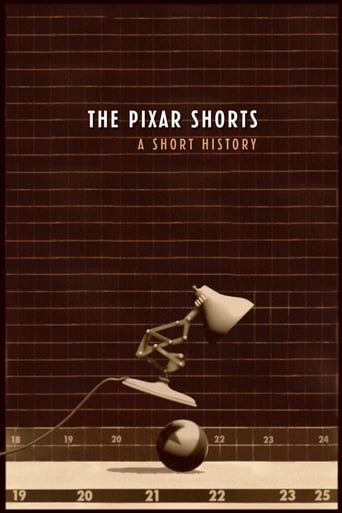
The story of Pixar's early short films illuminates not only the evolution of the company but also the early days of computer animation, when a small group of artists and scientists shared a single computer in a hallway, and struggled to create emotionally compelling short films.

Lupita Nyong'o narrates a documentary about Peanuts and its creator, Charles M. Schulz. Famous fans—including Drew Barrymore, Kevin Smith, and Al Roker—share its influence on them, and a new animated story finds Charlie Brown on a quest.
Werner Herzog gains exclusive access to film inside the Chauvet caves of Southern France, capturing the oldest known pictorial creations of humankind in their astonishing natural setting.
Roddy McDowall takes you, film by film, from production meetings to make-up sessions, then right onto the movie set to see the actual filming of the science fiction masterpiece. The most comprehensive history of Planet of the Apes ever created, this fascinating 127-minute documentary explores one of the most imaginative and influential series in movie history.

Combining archival footage with rotoscopic animation, Tower reveals the action-packed untold stories of the witnesses, heroes and survivors of America's first mass school shooting, when the worst in one man brought out the best in so many others.
A look at the first years of Pixar Animation Studios - from the success of "Toy Story" and Pixar's promotion of talented people, to the building of its East Bay campus, the company's relationship with Disney, and its remarkable initial string of eight hits. The contributions of John Lasseter, Ed Catmull and Steve Jobs are profiled. The decline of two-dimensional animation is chronicled as three-dimensional animation rises. Hard work and creativity seem to share the screen in equal proportions.
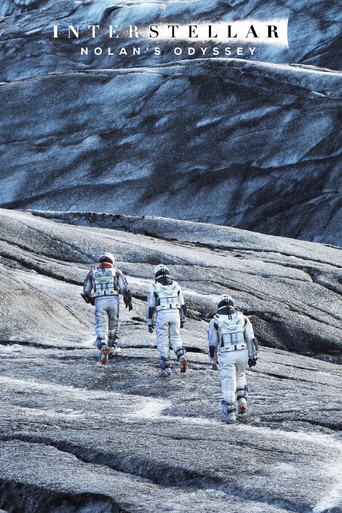
A look behind the lens of Christopher Nolan's space epic.
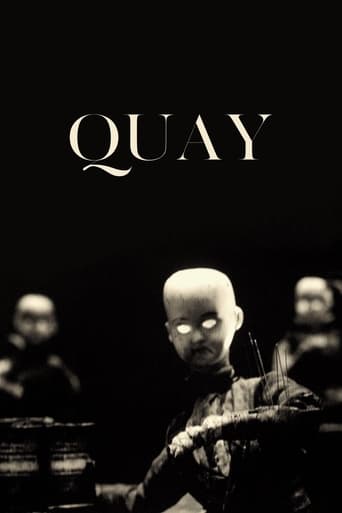
In 2015, Christopher Nolan curated a selection of short films by the surrealist animators the Quay Brothers to be distributed as a touring 35mm presentation. The three films—"In Absentia" (2000), "The Comb" (1991) and "Street of Crocodiles" (1986)—were accompanied by this brief portrait of the brothers at work in their London studio.

The story lives forever in this feature-length documentary that charts the making of Star Wars: The Rise of Skywalker.
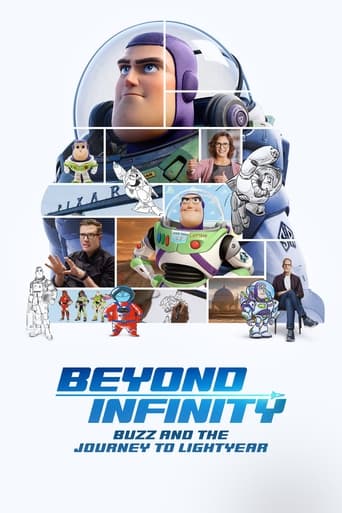
Explore the evolution of Buzz Lightyear from toy to human in the making of Pixar’s Lightyear. Dive into the origin and cultural impact of everyone’s favorite Space Ranger, the art of designing a new “human Buzz,” and the challenges faced by the Lightyear crew along the way.
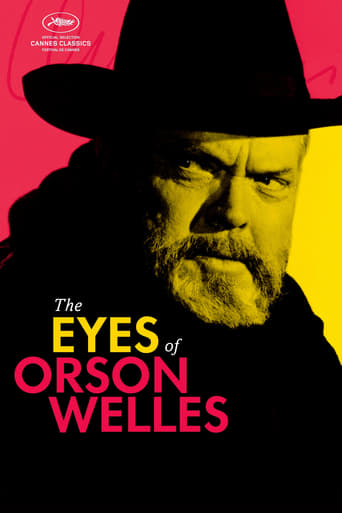
A poetic journey into the visual world of the legendary filmmaker and actor Orson Welles (1915-85) that reveals a new portrait of a unique genius, both of his life and of his monumental work: through his own eyes, drawn by his own hand, painted with his own brush.
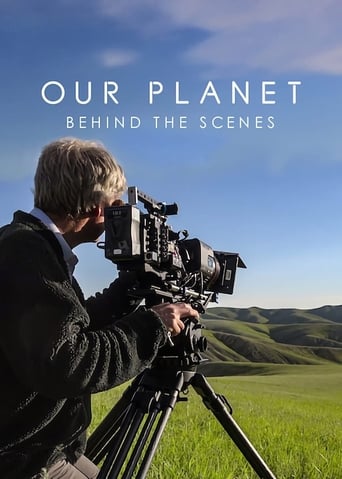
Years spent recording footage of creatures from every corner of the globe is bound to produce a bit of drama. Here's a behind-the-scenes look.
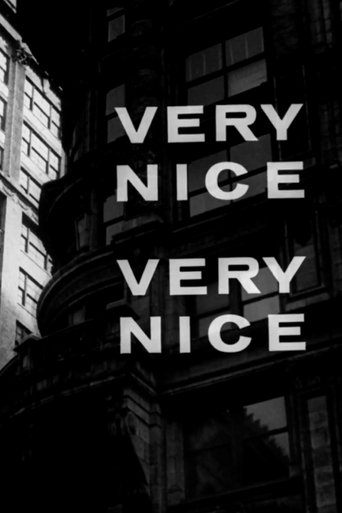
Arthur Lipsett's first film is an avant-garde blend of photography and sound. It looks behind the business-as-usual face we put on life and shows anxieties we want to forget. It is made of dozens of pictures that seem familiar, with fragments of speech heard in passing and, between times, a voice saying, "Very nice, very nice." The film was nominated for an Oscar for Best Live Action Short Film.

The history of cinematic sound, told by legendary sound designers and visionary filmmakers.
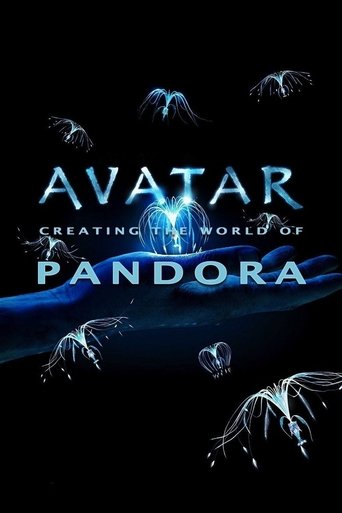
The Making-of James Cameron's Avatar. It shows interesting parts of the work on the set.

Cameramen and women discuss the craft and art of cinematography and of the "DP" (the director of photography), illustrating their points with clips from 100 films, from Birth of a Nation to Do the Right Thing. Themes: the DP tells people where to look; changes in movies (the arrival of sound, color, and wide screens) required creative responses from DPs; and, these artisans constantly invent new equipment and try new things, with wonderful results. The narration takes us through the identifiable studio styles of the 30s, the emergence of noir, the New York look, and the impact of Europeans. Citizen Kane, The Conformist, and Gordon Willis get special attention.
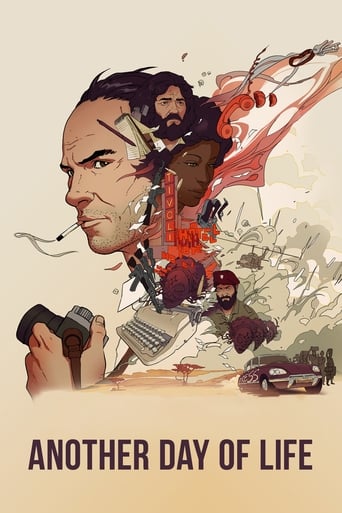
In 1975, Ryszard Kapuściński, a veteran Polish journalist, embarked on a seemingly suicidal road trip into the heart of the Angola's civil war. There, he witnessed once again the dirty reality of war and discovered a sense of helplessness previously unknown to him. Angola changed him forever: it was a reporter who left Poland, but it was a writer who returned…
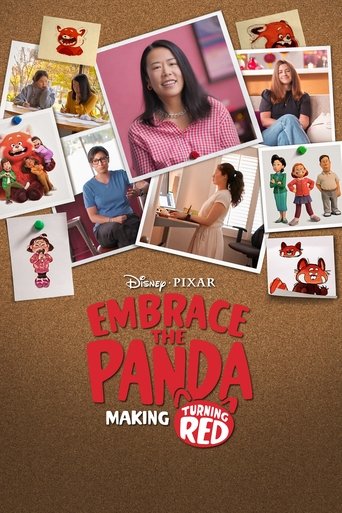
A feature length documentary about the all-women team at the helm of Pixar's original feature, Turning Red. With unprecedented behind-the-scenes access to Director Domee Shi and her core leadership crew, this story shines a light on the powerful professional and personal journeys that brought this incredibly comical, utterly relatable, and deeply heartfelt story to the screen.
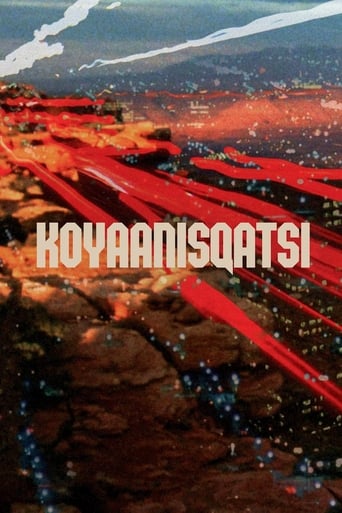
Takes us to locations all around the US and shows us the heavy toll that modern technology is having on humans and the earth. The visual tone poem contains neither dialogue nor a vocalized narration: its tone is set by the juxtaposition of images and the exceptional music by Philip Glass.
Similar titles
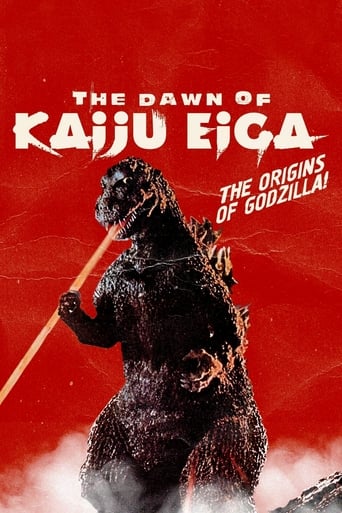
Japan, 1954. A legend emerges from the ashes of Hiroshima and Nagasaki, devastated by atomic bombs in 1945. The creature's name is Godzilla. The film that tells its story is the first of kaiju eiga, the giant monster movies.
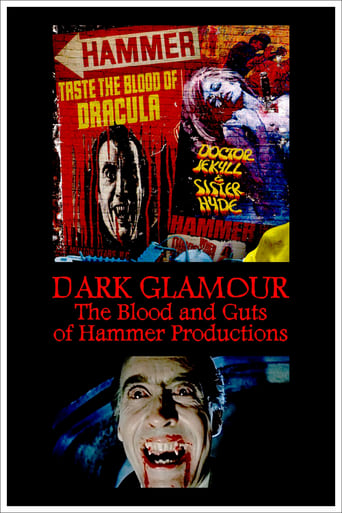
The greatness, fall and renaissance of Hammer, the flagship company of British popular cinema, mainly from 1955 to 1968. Tortured women and sadistic monsters populated oppressive scenarios in provocative productions that shocked censorship and disgusted critics but fascinated the public. Movies in which horror was shown in offensive colors: dreadful stories, told without prejudices, that offered fear, blood, sex and stunning performances.


Film critic Alejandro G. Calvo traces an audiovisual journey through the work of David Lynch trying to find clues to decipher his enigmatic universe.
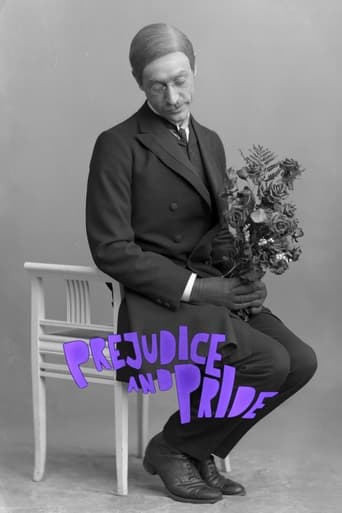
A journey through Swedish queer film history.

A documentary about Australian animation pioneer Eric Porter’s work on the iconic Aeroplane Jelly animated promos of the 1940s and 1950s.

London After Midnight (1927), directed by Tod Browning and starring Lon Chaney, is the most sought-after lost film by fans of fantastic cinema. Has this mythical treasure finally been found in an old South American cinema?
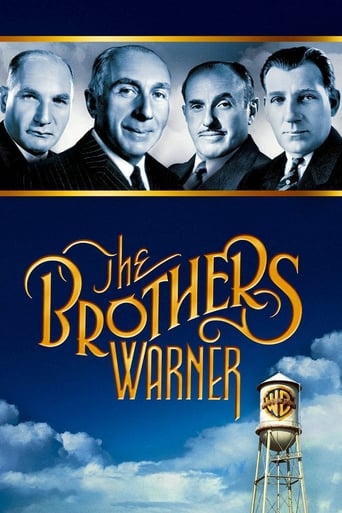
An intimate portrait and saga of four film pioneers--Harry, Albert, Sam and Jack who rose from immigrant poverty through personal tragedies persevering to create a major studio with a social conscience.
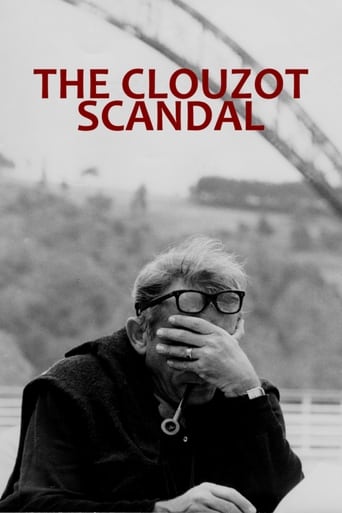
Great filmmakers claim the artistic influence of French director Henri-Georges Clouzot (1907-1977), a master of suspense, with a unique vision of the world, who knew how to offer both great shows and subtle studies of characters. Beyond the myth of the tyrannical director, a contrasting portrait of a visionary, an agitator, an artist against the system.
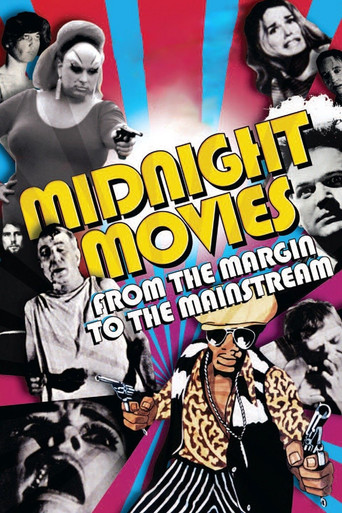
From 1970-1977, six low budget films shown at midnight transformed the way we make and watch films.

A journey into the mind of French actor and director Jean-Pierre Mocky (1929-2019), author of films both playful and profound, of an impressive richness.
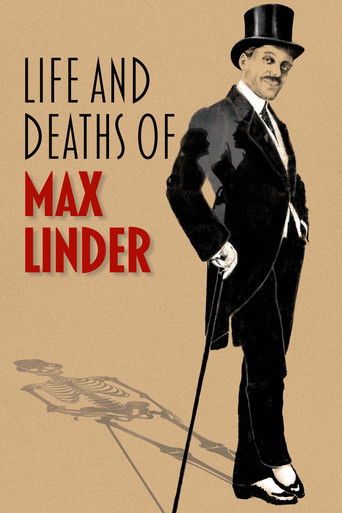
An exploration of the dazzling rise and mysterious downfall of French actor and filmmaker Max Linder (1883-1925), the world’s first international film star and mentor to British actor and filmmaker Charlie Chaplin.
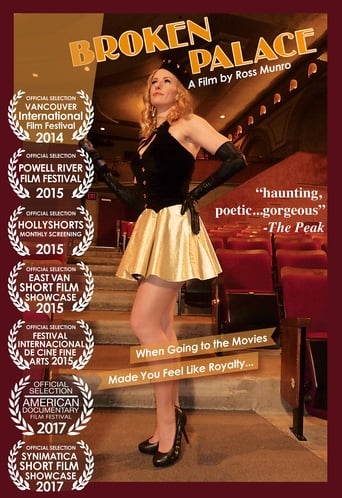
A short documentary about the rapidly disappearing era of heritage movie palaces and the film going experience once offered within those hallowed walls.
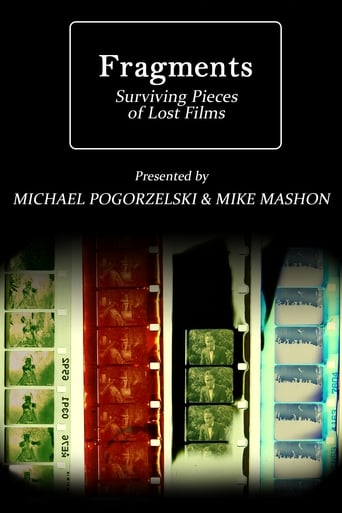
Among the pieces featured in Fragments are the final reel of John Ford's The Village Blacksmith (1922) and a glimpse at Emil Jannings in The Way of All Flesh (1927), the only Oscar®-winning performance in a lost film. Fragments also features clips from such lost films as Cleopatra (1917), starring Theda Bara; The Miracle Man (1919), with Lon Chaney; He Comes Up Smiling (1918), starring Douglas Fairbanks; an early lost sound film, Gold Diggers of Broadway (1929), filmed in early Technicolor, and the only color footage of silent star Clara Bow, Red Hair (1928). The program is rounded out with interviews of film preservationists involved in identifying and restoring these films. Also featured is a new interview with Diana Serra Cary, best known as "Baby Peggy", one of the major American child stars of the silent era, who discusses one of the featured fragments, Darling of New York (1923).
In this John Nesbitt's Passing Parade short, a look is taken at the problems of film preservation efforts in the 1930s and early 1940s.
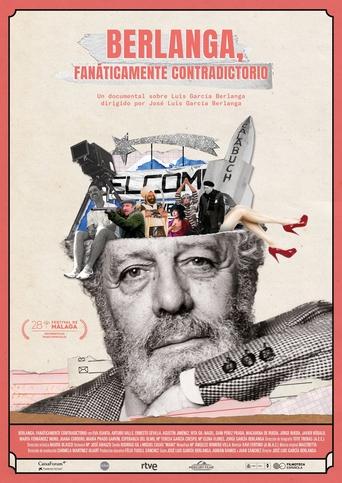
How does the vision of the brilliant Spanish filmmaker Luis García Berlanga (1921-2010) remain relevant in a time whose popular culture has little to do with his own? Since to understand the secrets of an artist it is essential to know the person behind, his family, his friends, his collaborators, as well as prestigious filmmakers and actors trace a collective portrait of a creator as singular as he is universal.
