
O Filme da Minha Vida
2020-09-04 · 81 min · Not rated
Trailers are previews, not full movies.
No authorized playback source configured. Use the legal watch options below.
Production details
- Directors
- Alvarina Souza e Silva
- Production companies
- Unavailable
- Countries
- Brazil
- Status
- Released
Top Cast
 Dira PaesAlvarina
 Ivan de Almeida
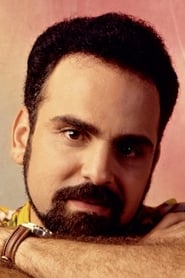 Guilherme KaramBarretão
 Flávio MigliaccioBombeiro
 Sandra Barsotti
 Françoise Forton
 Maria Zilda Bethlem
Title information and images are supplied by TMDb. Explore our discovery guide for advice on comparing metadata and legal viewing options.
Where to watch
Availability provided by JustWatch via TMDb. Offers can change. Provider links are listed on TMDb; full playback requires a separately authorized source.
Availability not listed for this country.
Seasons & episodes
Recommendations

This revealing documentary honors the legendary Sidney Poitier—iconic actor, filmmaker, and civil rights activist. Featuring interviews with Denzel Washington, Spike Lee, Halle Berry, and more.

The history of cinematic sound, told by legendary sound designers and visionary filmmakers.
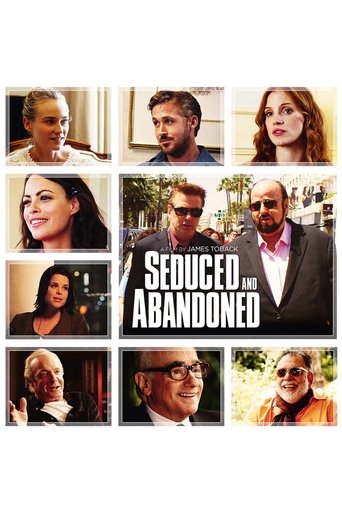
SEDUCED AND ABANDONED combines acting legend Alec Baldwin with director James Toback as they lead us on a troublesome and often hilarious journey of raising financing for their next feature film. Moving from director to financier to star actor, the two players provide us with a unique look behind the curtain at the world's biggest and most glamourous film festival, shining a light on the bitter-sweet relationship filmmakers have with Cannes and the film business. Featuring insights from directors Martin Scorsese, 'Bernando Bertolucci' and Roman Polanski; actors Ryan Gosling and Jessica Chastain and a host of film distribution luminaries.

Retrospective documentary about the making of the horror cult classic "The Return of the Living Dead."
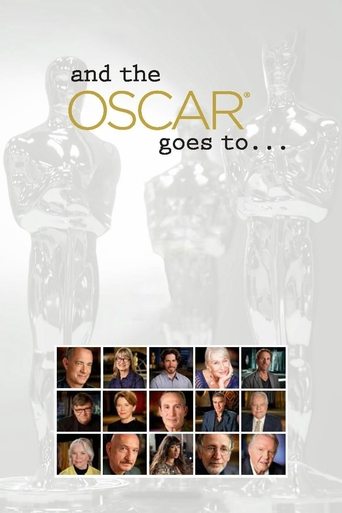
The story of the gold-plated statuette that became the film industry's most coveted prize, AND THE OSCAR GOES TO... traces the history of the Academy itself, which began in 1927 when Louis B. Mayer, then head of MGM, led other prominent members of the industry in forming this professional honorary organization. Two years later the Academy began bestowing awards, which were nicknamed "Oscar," and quickly came to represent the pinnacle of cinematic achievement.
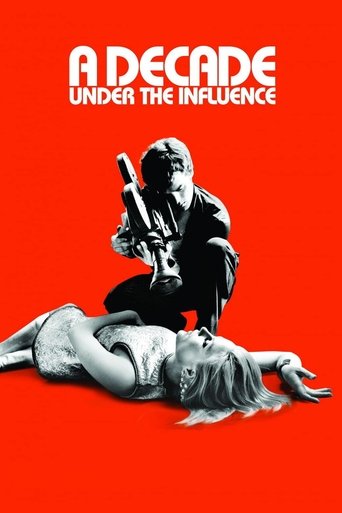
A documentary examining the decade of the 1970s as a turning point in American cinema. Some of today's best filmmakers interview the influential directors of that time.

Against the darkening backdrop of New Delhi's apocalyptic air and escalating violence, two brothers devote their lives to protecting one casualty of the turbulent times: the bird known as the black kite.

An inside look at one of the most anticipated movie sequels ever with James Cameron and cast.

Cameramen and women discuss the craft and art of cinematography and of the "DP" (the director of photography), illustrating their points with clips from 100 films, from Birth of a Nation to Do the Right Thing. Themes: the DP tells people where to look; changes in movies (the arrival of sound, color, and wide screens) required creative responses from DPs; and, these artisans constantly invent new equipment and try new things, with wonderful results. The narration takes us through the identifiable studio styles of the 30s, the emergence of noir, the New York look, and the impact of Europeans. Citizen Kane, The Conformist, and Gordon Willis get special attention.

The strange story of John McAfee, who went from millionaire software mogul to yogi, Kurtz-like jungle recluse to potential murderer, and most recently a prospective presidential candidate for the American Libertarian Party.

A compilation of over 30 years of private home movie footage shot by Lithuanian-American avant-garde director Jonas Mekas, assembled by Mekas "purely by chance", without concern for chronological order.
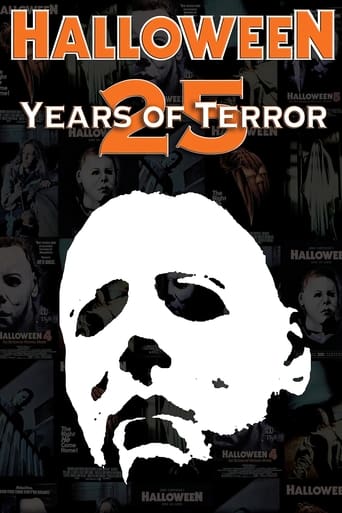
Follow the evolution of the 'Halloween' movies over the past twenty-five years. It examines why the films are so popular and revisits many of the original locations used in the films - seeing the effects on the local community. For the first time, cast, crew, critics and fans join together in the ultimate 'Halloween' retrospective.
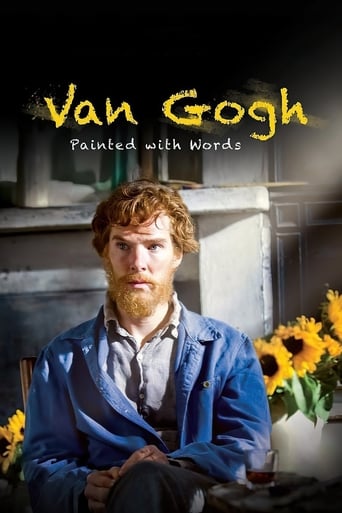
A drama-documentary presented by Alan Yentob, with Benedict Cumberbatch in the lead role. Every word spoken by the actors in this film is sourced from the letters that Van Gogh sent to his younger brother Theo, and of those around him. What emerges is a complex portrait of a sophisticated, civilised and yet tormented man.
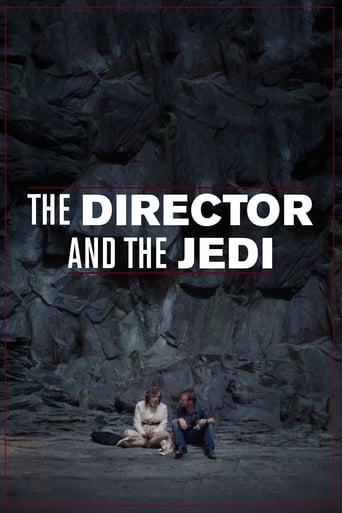
An intimate documentary delving into Rian Johnson's process as he comes in as a director new to the Star Wars universe.

In an intimate and joyful story of love in the face of loss, celebrated poets Andrea Gibson and Megan Falley find strength—and unexpected hilarity—in what might be their final year together.

Filmmaker Catarina Vasconcelos sifts through the memories of her ancestors. Her naval officer grandfather, Henrique, who married her grandmother, Beatriz, on her 21st birthday, spent extended periods at sea, leaving her with six children. This is the beginning of a generational saga.
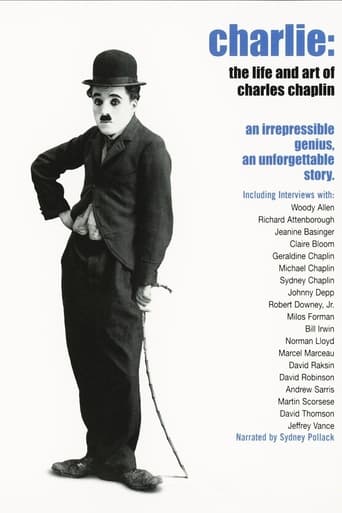
Brilliant, long in-the-works story of the life and art of the world's greatest comedian and the cinema's first genius, Charlie Chaplin. Produced, written and directed by renowned film critic Richard Schickel.

When Allied forces liberated the Nazi concentration camps in 1944-45, their terrible discoveries were recorded by army and newsreel cameramen, revealing for the first time the full horror of what had happened. Making use of British, Soviet and American footage, the Ministry of Information’s Sidney Bernstein (later founder of Granada Television) aimed to create a documentary that would provide lasting, undeniable evidence of the Nazis’ unspeakable crimes. He commissioned a wealth of British talent, including editor Stewart McAllister, writer and future cabinet minister Richard Crossman – and, as treatment advisor, his friend Alfred Hitchcock. Yet, despite initial support from the British and US Governments, the film was shelved, and only now, 70 years on, has it been restored and completed by Imperial War Museums under its original title "German Concentration Camps Factual Survey".

A documentary about the making of season five of the acclaimed AMC series Breaking Bad.
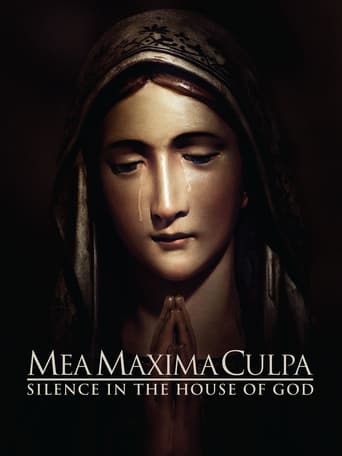
Alex Gibney explores the charged issue of pedophilia in the Catholic Church, following a trail from the first known protest against clerical sexual abuse in the United States and all way to the Vatican.
Similar titles

Film critic Alejandro G. Calvo traces an audiovisual journey through the work of David Lynch trying to find clues to decipher his enigmatic universe.

The extraordinary life of Orson Welles (1915-85), an enigma of Hollywood, an irreducible independent creator: a musical prodigy, an excellent painter, a master of theater and radio, a modern Shakespeare, a magician who was always searching for a new trick to surprise his audience, a romantic and legendary figure who lived only for cinema.
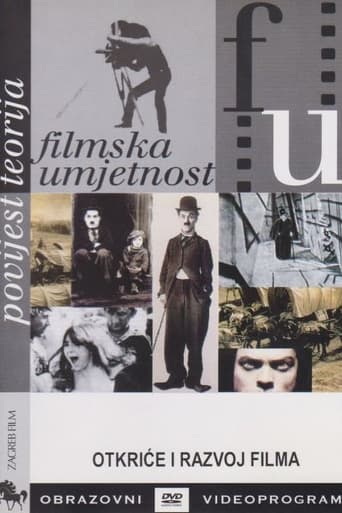
The birth date of film can be established: December 28, 1895. The place where it happened is also known: Paris, Boulevard des Capucines, Grand Caffe. It is also known who did it first: Louis Lumiere. However, the history of film starts in distant, almost unknown times: from drawings of cave people, through reliefs from Egyptian times, to the discovery of photography. Development of film technique: silent film, sound film, color film. Development of film expression: film as a recording of reality, film as an interpretation of reality, film as fiction or new reality. Development of film as an industry.
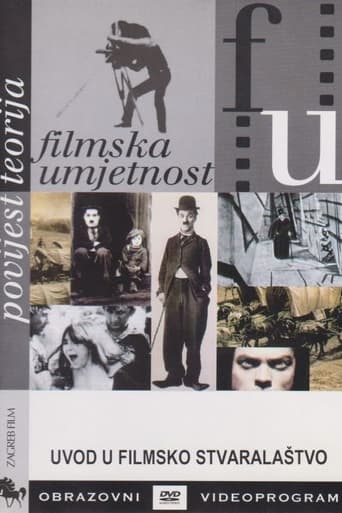
We live with films every day, and it seems nothing easier than answering the question: what is a film? Obviously, a film is, first and foremost, a document, a testimony of the world that surrounds us. The rich expressional possibilities of film are based on the imperfection of the human eye, its sluggishness, so thanks to the stroboscopic effect we can animate a still image. Film is therefore a kinetic image, or a moving image. It can make the invisible visible, bring the distant closer, enlarge the small, speed up the slow, slow down the fast, and return the end to the beginning. The technological basis of film: light, film tape, camera, projector, film screen. Expressive possibilities of film: scientific, documentary, communicative, artistic. Basic film genres: differences among films.

In 1936, the sound film had already been around for a decade. Nevertheless, Charlie Chaplin (1889-1977) made another silent film, "Modern Times", which only used sound effects as a dramaturgical device. Speaking is reserved for the apparatus alone. The film became a monument in the history of cinema for this very reason.
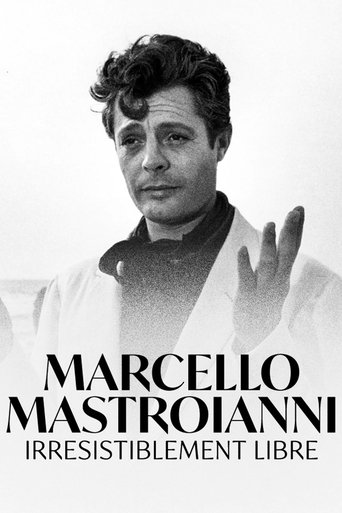
The 1960s opened with La Dolce Vita by Federico Fellini and its unforgettable lead: Marcello Mastroianni. The actor seemed to glide effortlessly through his roles — and through life — as if to say that life is not all that serious, or perhaps that it is far too serious not to be laughed at. But what kind of man was hiding behind the actor with the handsome, boyish looks, who appeared so gentle and nonchalant?

The story of iconic Spanish artist Susana Estrada's struggle against censorship and sexual repression during the turbulent years following the death of dictator Francisco Franco.
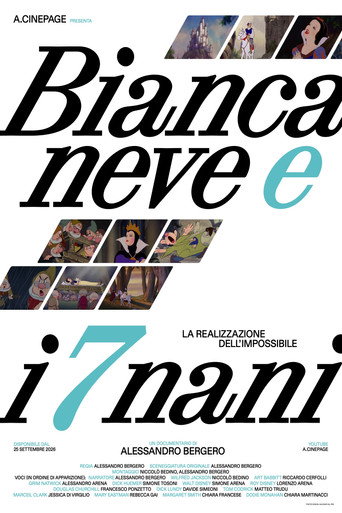
In 1934, Walt Disney set out to do what no one had dared before: transform animation, until then confined to short, rhythmic gags, into a feature-length film. Snow White and the Seven Dwarfs forced his studio to reinvent techniques, working methods, and even the art of visual storytelling itself. Amid delays, runaway budgets, and hundreds of artists at work, what seemed like madness turned into an unprecedented challenge. This is the story of making the impossible a reality.
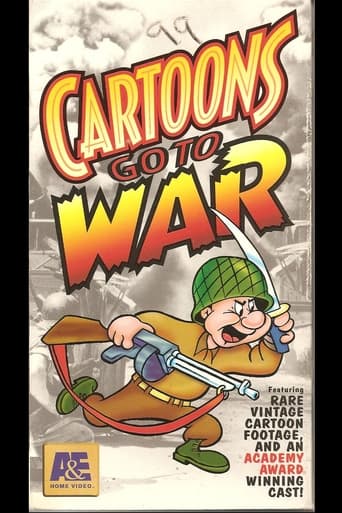
This remarkable documentary dedicates itself to an extraordinary chapter of the second World War – the psychological warfare of the USA. America’s trusted cartoon darlings from the studios of Warner Bros., Paramount, and the “big animals” of the Disney family were supposed to give courage to the people at the homefront, to educate them, but also to simultaneously entertain them. Out of this mixture grew a genre of its own kind – political cartoons. Insightful Interviews with the animators and producers from back then elucidate in an amusing and astonishing way under which bizarre circumstances these films partially came into existence.
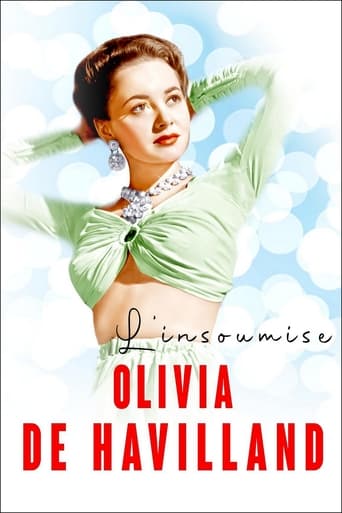
The legendary British-American actress Olivia de Havilland (1916-2020), who conquered Hollywood in the thirties, challenged the film industry when, in 1943, she took on the all-powerful producer Jack Warner in court, forever changing the ruthless working conditions that restricted the essential rights and freedom of artists.
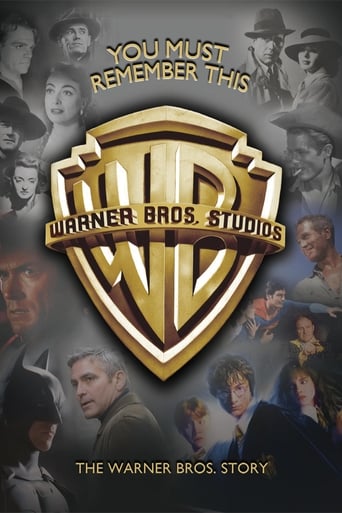
Jack L. Warner, Harry Warner, Albert Warner and Sam Warner were siblings who were born in Poland and emigrated to Canada near the turn of the century. In 1903, the brothers entered the budding motion picture business. In time, the Warner Brothers moved into film production and would open their own studio in 1923.
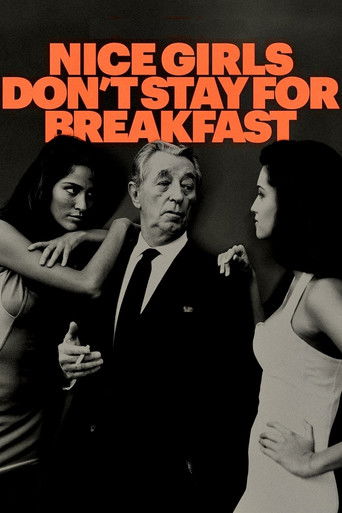
In the late 1990s, iconic photographer Bruce Weber barely managed to convince legendary actor Robert Mitchum (1917-97) to let himself be filmed simply hanging out with friends, telling anecdotes from his life and recording jazz standards.
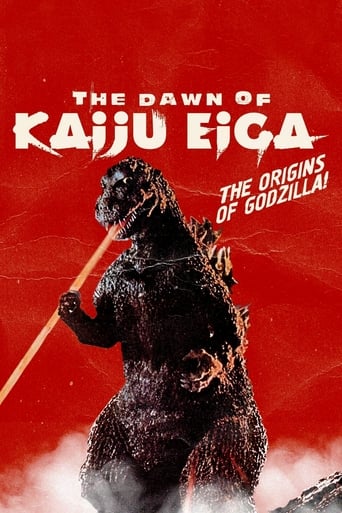
Japan, 1954. A legend emerges from the ashes of Hiroshima and Nagasaki, devastated by atomic bombs in 1945. The creature's name is Godzilla. The film that tells its story is the first of kaiju eiga, the giant monster movies.
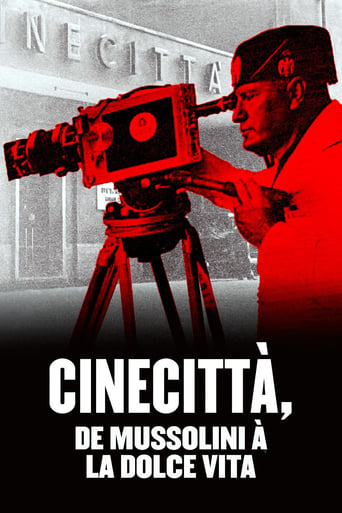
Cinecitta is today known as the center of the Italian film industry. But there is a dark past. The film city was solemnly inaugurated in 1937 by Mussolini. Here, propaganda films would be produced to strengthen the dictator's position.

The life and professional career of the Spanish filmmaker Florián Rey (1894-1962), a brilliant artist who began his career in silent films and had great commercial success during the Second Republic (1931-1936): a journey to the early days of Spanish cinema.
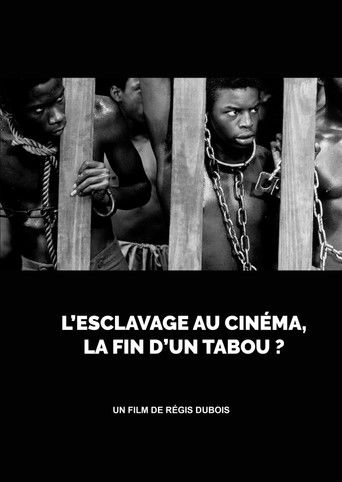
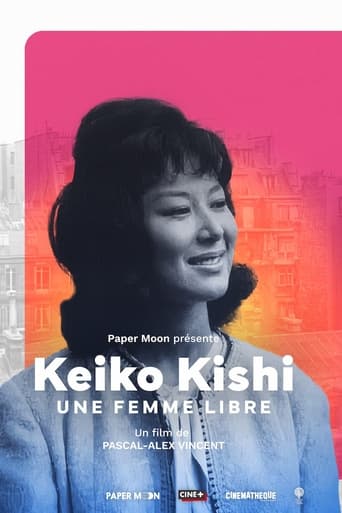
Born in 1932, Keiko Kishi has been one of the first Japanese actresses known worldwide. Her decision to move to France and to marry director Yves Ciampi in 1957 – after he filmed her in Typhoon Over Nagasaki starring Jean Marais and Danielle Darrieux – caused a huge scandal in Japan. Despite this transgression, Keiko Kishi continued acting in her home country with Kon Ichikawa, Yasujiro Ozu, Masaki Kobayashi… building unique bridges between Japanese and European cultures. Free and rebellious, she emancipated herself from the many obstacles she encountered in the film industry, and created her own production company in her early twenties. Let’s look back at the story of a pioneer, an inspiration for many generations.
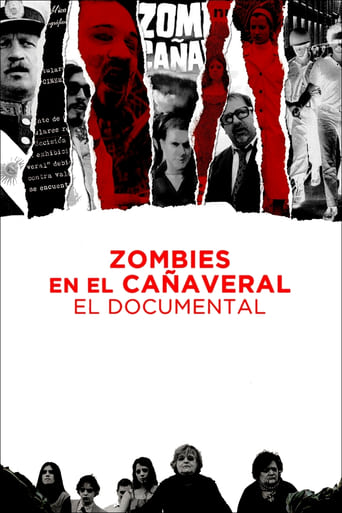
Tucumán, Argentina, 1965. Three years before George A. Romero's Night of the Living Dead was released, director Ofelio Linares Montt shot Zombies in the Sugar Cane Field, which turned out to be both a horror film and a political statement. It was a success in the US, but could not be shown in Argentina due to Juan Carlos Onganía's dictatorship, and was eventually lost. Writer and researcher Luciano Saracino embarks on the search for the origins of this cursed work.
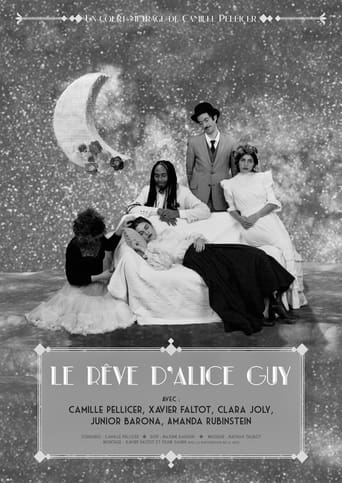
This is a short film about Alice Guy-Blaché, the first female director of fiction in cinema history. Alice Guy was Léon Gaumont's secretary at the beginning of the last century and she was the first woman to ever direct actors in front of the camera. In 1895, the Lumière brothers introduced to the world the "Cinématographe", the first camera. Léon Gaumont decided to sell this revolutionary new device. Fascinated, Alice asked her boss for permission to use the camera to make her own films. Mr. Gaumont agreed only under the condition that she “would be able to keep up with her mail.” This short film is a poetic reverie that Alice Guy might have had in her time if only society at the time hadn't presented her with so many challenges.