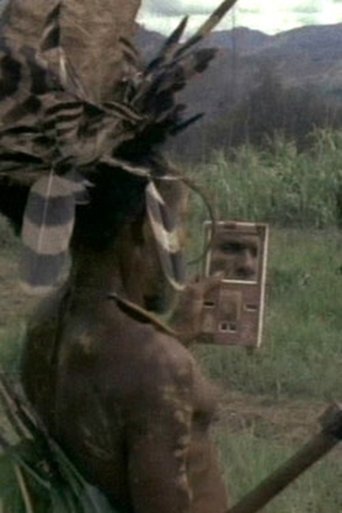
Oh, What a Blow That Phantom Gave Me!
2003-01-01 · Runtime unavailable · Not rated
Several filmmakers discuss the introduction of Western modes of communication, especially film, to native cultures. While these tools can help a native people to document their own culture, it can also "swallow" their culture, encroaching upon and irreversibly altering it. The film takes its title from a book written by filmmaker Edmund Carpenter in 1972 about his engagement with media in Papua New Guinea.
Trailers are previews, not full movies.
No authorized playback source configured. Use the legal watch options below.
Production details
- Directors
- John M. Bishop, Harald Prins
- Production companies
- Media-Generation
- Countries
- Unavailable
- Status
- Released
Top Cast
 Robert GardnerSelf
Title information and images are supplied by TMDb. Explore our discovery guide for advice on comparing metadata and legal viewing options.
Where to watch
Availability provided by JustWatch via TMDb. Offers can change. Provider links are listed on TMDb; full playback requires a separately authorized source.
Availability not listed for this country.
Seasons & episodes
Recommendations

A visual montage portrait of our contemporary world dominated by globalized technology and violence.

A documentary on the expletive's origin, why it offends some people so deeply, and what can be gained from its use.

A documentary about how a dominant cultural and demographic institution both sustains their traditional activities and adapts to the digital revolution.
An exploration of technologically developing nations and the effect the transition to Western-style modernization has had on them.
Takes us to locations all around the US and shows us the heavy toll that modern technology is having on humans and the earth. The visual tone poem contains neither dialogue nor a vocalized narration: its tone is set by the juxtaposition of images and the exceptional music by Philip Glass.

In an intimate and joyful story of love in the face of loss, celebrated poets Andrea Gibson and Megan Falley find strength—and unexpected hilarity—in what might be their final year together.

A string of threatening emails escalates into a revenge plot involving a newly married US marshal and his ex-girlfriend.
Roddy McDowall takes you, film by film, from production meetings to make-up sessions, then right onto the movie set to see the actual filming of the science fiction masterpiece. The most comprehensive history of Planet of the Apes ever created, this fascinating 127-minute documentary explores one of the most imaginative and influential series in movie history.

A compilation of over 30 years of private home movie footage shot by Lithuanian-American avant-garde director Jonas Mekas, assembled by Mekas "purely by chance", without concern for chronological order.

Amber Heard and Nicole Kidman discuss their characters Mera and Atlanna.
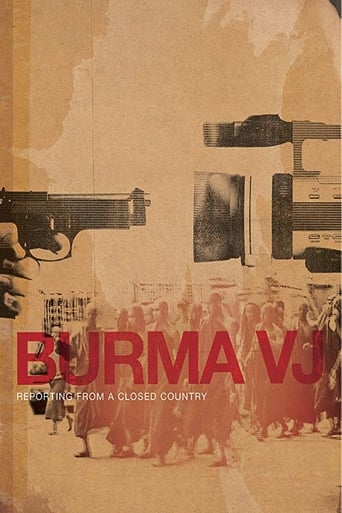
Going beyond the occasional news clip from Burma, the acclaimed filmmaker, Anders Østergaard, brings us close to the video journalists who deliver the footage. Though risking torture and life in jail, courageous young citizens of Burma live the essence of journalism as they insist on keeping up the flow of news from their closed country.

Martin Scorsese, Robert De Niro, Joe Pesci, and Al Pacino in conversation about The Irishman.
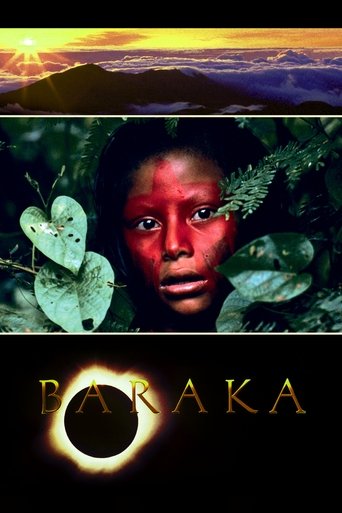
A paralysingly beautiful documentary with a global vision—an odyssey through landscape and time—that attempts to capture the essence of life.
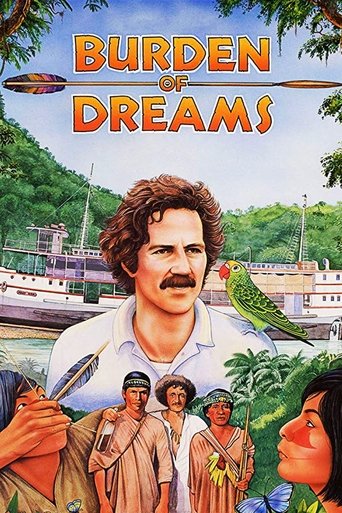
The Amazon rain forest, 1979. The crew of Fitzcarraldo (1982), a film directed by German director Werner Herzog, soon finds itself with problems related to casting, tribal struggles and accidents, among many other setbacks; but nothing compared to dragging a huge steamboat up a mountain, while Herzog embraces the path of a certain madness to make his vision come true.
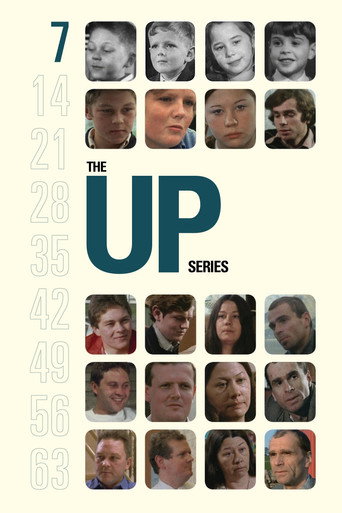
A group of British children aged 7 from widely ranging backgrounds are interviewed about a range of subjects. The filmmakers plan to re-interview them at 7 year intervals to track how their lives and attitudes change as they age.

Over 35 years after Bob Lazar's revelations, this documentary exposes secrets of a facility the government still denies. Featuring Lazar's testimony, recreations, and new evidence, it reopens a case that continues to spark global curiosity
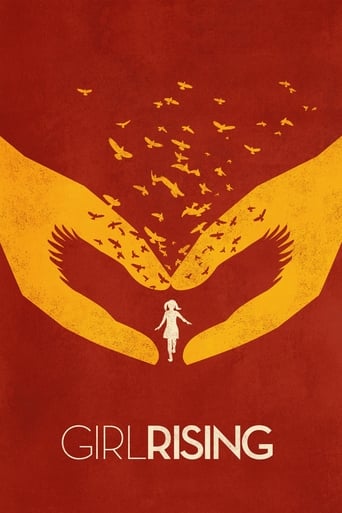
Nine filmmakers each profile a young girl from a different part of the world to weave a global tapestry of youth in the 21st century.
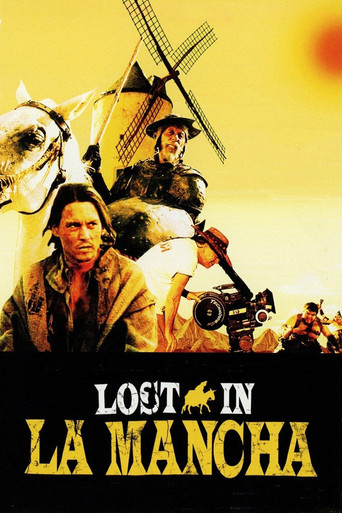
Fulton and Pepe's 2000 documentary captures Terry Gilliam's attempt to get The Man Who Killed Don Quixote off the ground. Back injuries, freakish storms, and more zoom in to sabotage the project.
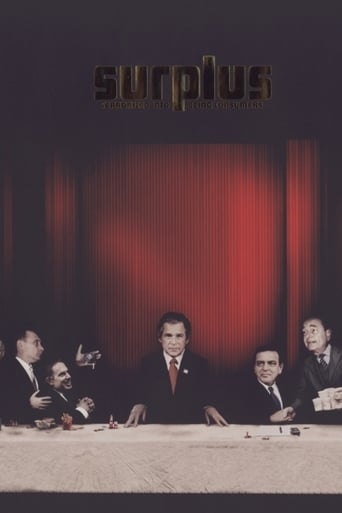
Swedish documentary film on consumerism and globalization, created by director Erik Gandini and editor Johan Söderberg. It looks at the arguments for capitalism and technology, such as greater efficiency, more time and less work, and argues that these are not being fulfilled, and they never will be. The film leans towards anarcho-primitivist ideology and argues for "a simple and fulfilling life".
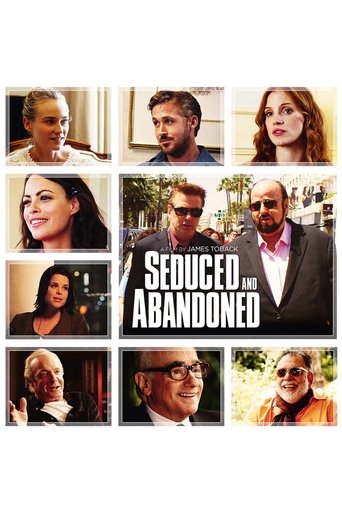
SEDUCED AND ABANDONED combines acting legend Alec Baldwin with director James Toback as they lead us on a troublesome and often hilarious journey of raising financing for their next feature film. Moving from director to financier to star actor, the two players provide us with a unique look behind the curtain at the world's biggest and most glamourous film festival, shining a light on the bitter-sweet relationship filmmakers have with Cannes and the film business. Featuring insights from directors Martin Scorsese, 'Bernando Bertolucci' and Roman Polanski; actors Ryan Gosling and Jessica Chastain and a host of film distribution luminaries.
Similar titles
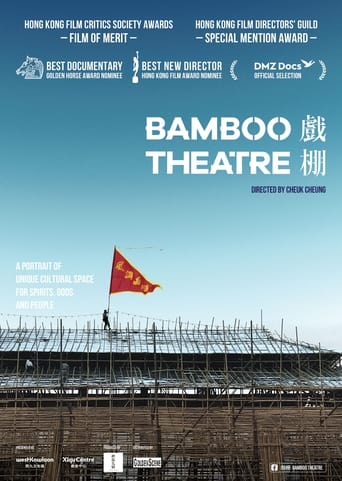
This film is a portrait of unique cultural space for Spirits, Gods and People. While permanent theatres are commonly built in most cosmopolitan modern cities, Hong Kong preserves a unique theatrical architecture, a Chinese tradition that has lasted more than a century - Bamboo Theatre.

An experimental ethnographic documentary that criticizes the colonizer view of anthropology.
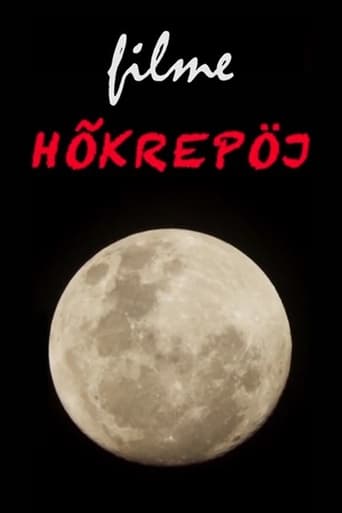
A deep dive into contemporary Brazilian music. Guided by the composer, anthropologist and ethnomusicologist Kilza Setti and the Hésperides Música das Américas nucleus, the documentary takes us to a world where contemporary music, the Guarani and Timbira peoples, the colonization of America and poetic professions meet.

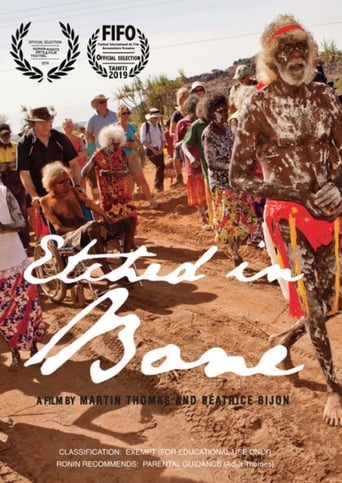
Drawing on original footage from National Geographic, Etched in Bone explores the impact of one notorious bone theft by a member of the 1948 American-Australian Scientific Expedition to Arnhem Land. Hundred of bones were stolen and deposited in the Smithsonian Institution in Washington DC, until it became known to Arnhem elders in the late 1990s. The return of the sacred artefacts was called for, resulting in a tense standoff between indigenous tribespeople and the Department of Anthropology at the Smithsonian.
Captain Kleinschmidt leads an expedition sponsored by the Carnegie Museum to the arctic regions of Alaska and Siberia to study the natives and the animal life.
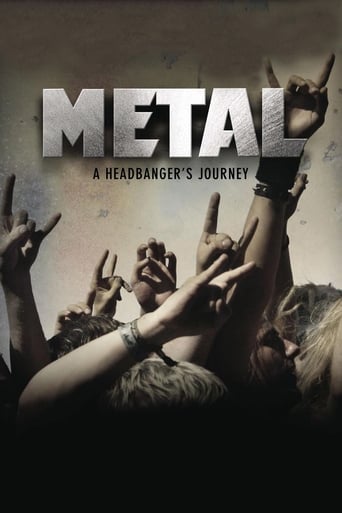
The film discusses the traits and originators of some of metal's many subgenres, including the New Wave of British Heavy Metal, power metal, Nu metal, glam metal, thrash metal, black metal, and death metal. Dunn uses a family-tree-type flowchart to document some of the most popular metal subgenres. The film also explores various aspects of heavy metal culture.
An anthropological documentary that gives voice to the Orokavia women in Papua New Guinea and shows their daily lives.
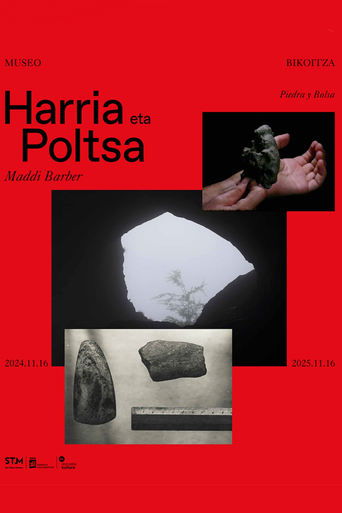
The film delves into the work processes of an archaeological team from the Aranzadi Science Society at the San Adrián Tunnel site. Interspersing this observation with archival materials, the film explores the relationships between archaeology and museography, as well as the different ways in which these two practices produce the displacement of objects.
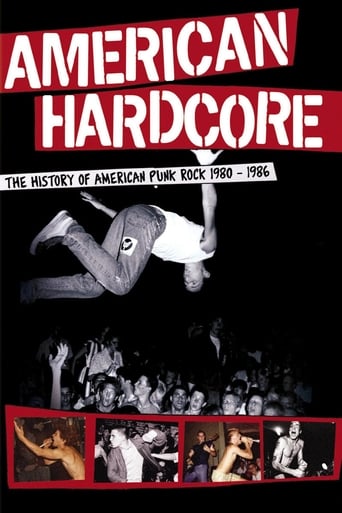
Inspired by Steven Blush's book "American Hardcore: A tribal history" Paul Rachman's feature documentary debut is a chronicle of the underground hardcore punk years from 1979 to 1986. Interviews and rare live footage from artists such as Black Flag, Bad Brains, Minor Threat, SS Decontrol and the Dead Kennedys.
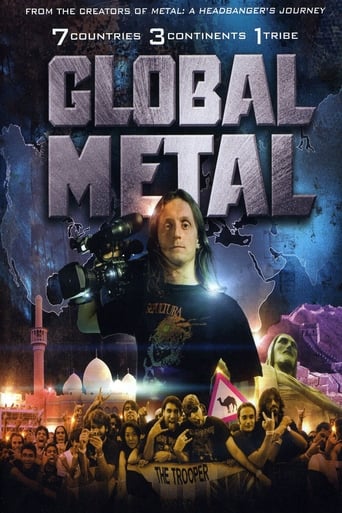
In GLOBAL METAL, directors Scot McFadyen and Sam Dunn set out to discover how the West's most maligned musical genre - heavy metal - has impacted the world's cultures beyond Europe and North America. The film follows metal fan and anthropologist Sam Dunn on a whirlwind journey through Asia, South America and the Middle East as he explores the underbelly of the world's emerging extreme music scenes; from Indonesian death metal to Chinese black metal to Iranian thrash metal. GLOBAL METAL reveals a worldwide community of metalheads who aren't just absorbing metal from the West - they're transforming it - creating a new form of cultural expression in societies dominated by conflict, corruption and mass-consumerism.

"Papua New Guinea: Anthropology on Trial" was a 1983 episode of the PBS science documentary series NOVA. It explored the field of anthropology, particularly in the context of Papua New Guinea, from the perspective of the people being studied.
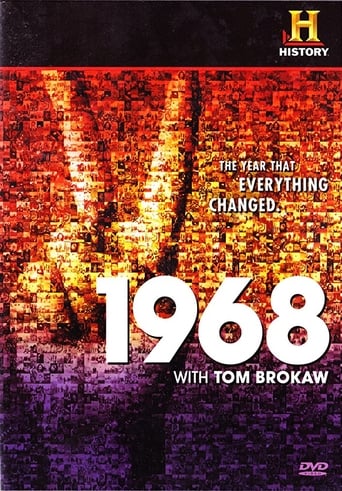
In 1968, the fury and violence of the Democratic National Convention in Chicago propelled us toward a tipping point in politics. Martin Luther King Jr. and Robert F. Kennedy were assassinated, America suffered its bloodiest year in Vietnam and drugs seduced us. Yet idealism--and hope--flourished. Explore the significance of that turbulent year and the way it continues to affect the American landscape. Tom Brokaw offers his perspective on the era and shares the rich personal odysseys of some of the people who lived through that chaotic time, along with the stories of younger people now experiencing its aftershocks. Includes archival footage and interviews with former Atlanta Mayor Andrew Young, who was talking to King when he was assassinated and rushed to his side to try to staunch the wound; Olympic gold medalist Rafer Johnson, who wrestled RFKs' assassin to the ground; and Arlo Guthrie, best known for his song "Alice's Restaurant.

Commissioned by the journal Présence Africaine, this short documentary examines how African art is devalued and alienated through colonial and museum contexts. Beginning with the question of why African works are confined to ethnographic displays while Greek or Egyptian art is celebrated, the film became a landmark of anti-colonial cinema and was banned in France for eight years.
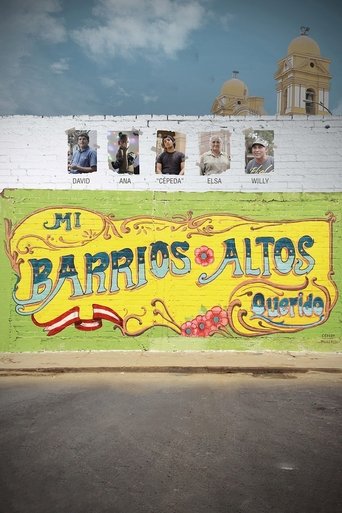
Five stories about dignity in the capital of Peru. A local leader looking for someone to leave the post of her complex work, a tourist guide who is a patron of the architectural heritage and Creole music, an ex-delinquent rescued by the Evangelical Church, a teenage dancer of Afro-Peruvian music forced to emigrate and a muralist of Bellas Artes son of Andean migrants, they try to get ahead in Barrios Altos, the most feared – but also most beloved – historic neighborhood of Lima.

The Fall of Womenland is a fascinating documentary on the unique sexual culture of the Mosuo people — a small minority situated in the southwest of China — and one of the last remaining matriarchal societies in the world. Without a formal marriage contract, the Mosuo traditionally build relationships based on free love and sexual satisfaction (‘walking marriages'). But can the sexual liberty and power of the Mosuo women survive as modern Chinese society slowly encroaches their ancestral land? The film explores the present reality for the Mosuo people as well as the dangers that threaten their inherited way of life.

This is the story of Dona Virginia, an elderly woman who awaits the expropriation of her house. Year after year, the government threatens to destroy the place, her past and her memories.
What happens when western anthropologists descend on the Amazon and make one of the last unacculturated tribes in existence, the Yanomami, the most exhaustively filmed and studied tribe on the planet? Despite their "do no harm" creed and scientific aims, the small army of anthropologists that has studied the Yanomami since the 1960s has wreaked havoc among the tribe – and sparked a war within the anthropology community itself.
Inside the Khmer Rouge takes an in-depth look at the history, domination, and current status of the Khmer Rouge (a Communist regime) in Cambodia. The film features revealing interviews with soldiers of both the modern Khmer Rouge and those who fight in opposition. A comprehensive timeline of the regime's five-year occupation in Cambodia is dissected and includes a review of key individuals, ideologies, and locations where devastation hit hardest. Following this, the film takes a look at the effects on the Cambodian citizens upon the retraction of Vietnamese forces. Inside the Khmer Rouge continues to investigate the current tactics the modern Khmer Rouge implement and their attempts to persuade followers in order to rebuild and expand their regime. Oppositely, local forces or "jungle soldiers" discuss their devices for assuring the destruction and atrocities once caused by the Khmer Rouge never happen again.