Homeland
2000-10-20 · 58 min · ★ 7.5
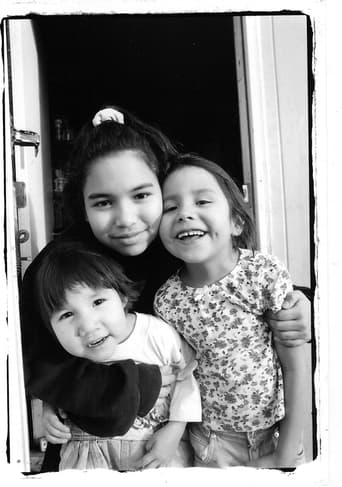
Following four Lakota families over three years, Homeland explores what it takes for the Lakota community to build a better future in the face of tribal and government corruption, scarce housing, unemployment, and alcoholism. Intimate interviews with a spiritual leader, a grandmother, an artist, and a community activist from South Dakota’s Pine Ridge Indian Reservation reveal how each survives through family ties, cultural tradition, humor, and a palpable yearning for self-reliance and personal freedom.
Trailers are previews, not full movies.
No authorized playback source configured. Use the legal watch options below.
Production details
- Directors
- Jilann Spitzmiller, Hank Rogerson
- Production companies
- Philomath Films, ITVS
- Countries
- United States of America
- Status
- Released
Top Cast
Title information and images are supplied by TMDb. Explore our discovery guide for advice on comparing metadata and legal viewing options.
Where to watch
Availability provided by JustWatch via TMDb. Offers can change. Provider links are listed on TMDb; full playback requires a separately authorized source.
Availability not listed for this country.
Seasons & episodes
Recommendations
The evolution of the depiction of the various Native American peoples in cinema, from the silent era to the present day: how their image on the screen has changed the way to understand their history and culture.
Filmmaker Christopher Quinn observes the ordeal of three Sudanese refugees -- Jon Bul Dau, Daniel Abul Pach and Panther Bior -- as they try to come to terms with the horrors they experienced in their homeland, while adjusting to their new lives in the United States.
A paralysingly beautiful documentary with a global vision—an odyssey through landscape and time—that attempts to capture the essence of life.

In an intimate and joyful story of love in the face of loss, celebrated poets Andrea Gibson and Megan Falley find strength—and unexpected hilarity—in what might be their final year together.
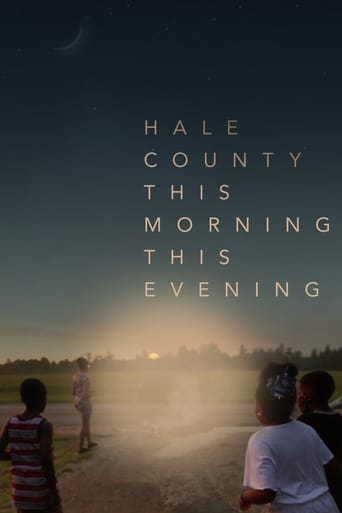
Composed of intimate and unencumbered moments of people in a community, this film is constructed in a form that allows the viewer an emotive impression of the Historic South - trumpeting the beauty of life and consequences of the social construction of race, while simultaneously a testament to dreaming.

Through deeply personal interviews with her siblings and an examination of the photographs, letters, and belongings left behind, Mariska assembles a new portrait of her mother Jayne Mansfield, an extraordinary and complex woman.
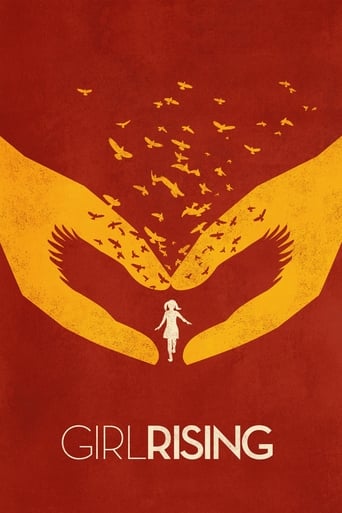
Nine filmmakers each profile a young girl from a different part of the world to weave a global tapestry of youth in the 21st century.
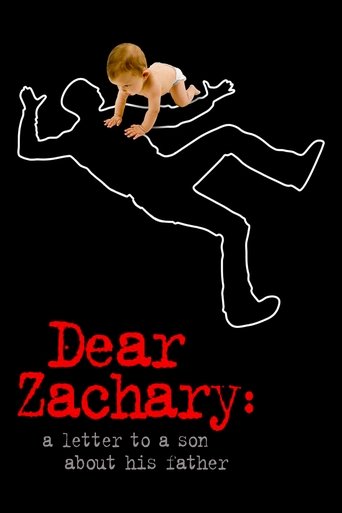
In 2001, Andrew Bagby, a medical resident, is murdered not long after breaking up with his girlfriend. Soon after, when she announces she's pregnant, one of Andrew's many close friends, Kurt Kuenne, begins this film, a gift to the child.

Musician and performance artist Laurie Anderson reflects on the deaths of her husband Lou Reed, her mother and her beloved dog.
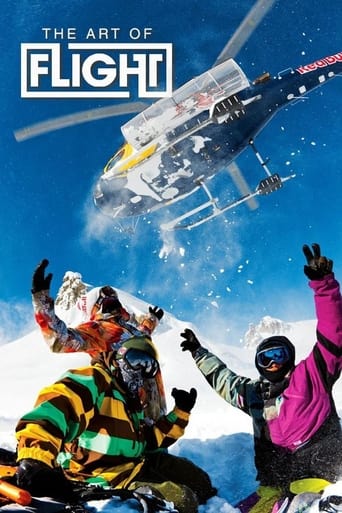
Iconic snowboarder Travis Rice and friends redefine what is possible in the mountains. Experience the highs, as new tricks are landed and new zones opened, alongside the lows, where avalanches, accidents, and wrong-turns strike.
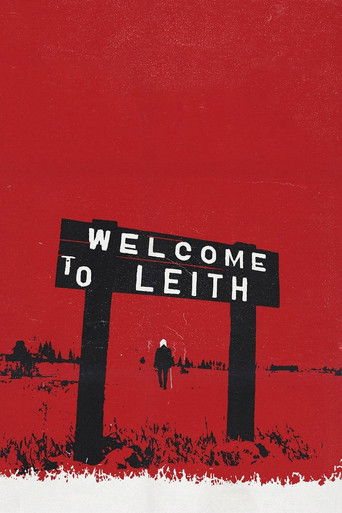
In September 2012, the tiny prairie town of Leith, North Dakota, sees its population of 24 grow by one. As the new resident's behavior becomes more threatening, tensions soar, and the residents desperately look for ways to expel their unwanted neighbor.

A documentary about how a dominant cultural and demographic institution both sustains their traditional activities and adapts to the digital revolution.

Martin Scorsese, Robert De Niro, Joe Pesci, and Al Pacino in conversation about The Irishman.

A three year self-described labour of love, 2040 takes the form of a visual letter from the filmmaker to his four-year-old daughter Velvet, showing her what the year 2040 could look like “if we simply embraced the best solutions that exist today.”
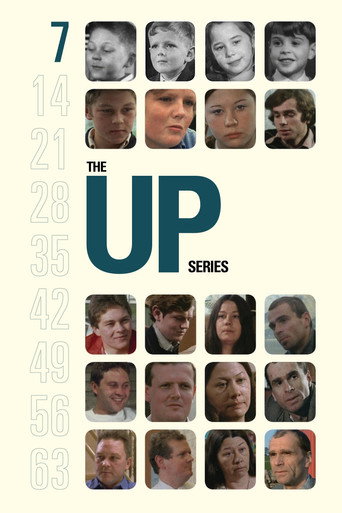
A group of British children aged 7 from widely ranging backgrounds are interviewed about a range of subjects. The filmmakers plan to re-interview them at 7 year intervals to track how their lives and attitudes change as they age.

In the Realms of the Unreal is a documentary about the reclusive Chicago-based artist Henry Darger. Henry Darger was so reclusive that when he died his neighbors were surprised to find a 15,145-page manuscript along with hundreds of paintings depicting The Story of the Vivian Girls, in What is Known as the Realms of the Unreal, of the Glodeco-Angelinnian War Storm, Cased by the Child Slave Rebellion.
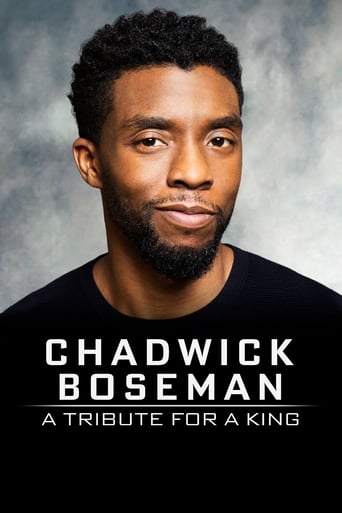
A tribute to Chadwick Boseman, celebrating his life and legacy.
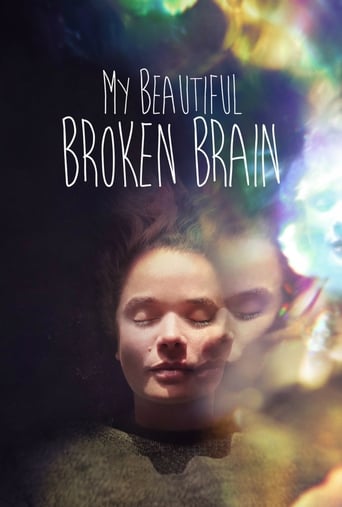
A profoundly personal voyage into the complexity, fragility and wonder of the human brain, after Lotje Sodderland miraculously survives a hemorrhagic stroke and finds herself starting again in an alien world, bereft of language and logic. This feature documentary takes us on a genre-twisting tale that is by turns excruciating and exquisite - from the devastating consequences of a first-time neurological experiment, through to the extraordinary revelations of her altered sensory perception.
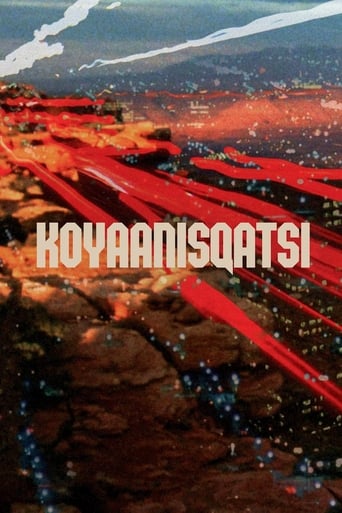
Takes us to locations all around the US and shows us the heavy toll that modern technology is having on humans and the earth. The visual tone poem contains neither dialogue nor a vocalized narration: its tone is set by the juxtaposition of images and the exceptional music by Philip Glass.

Director Michael Apted revisits the same group of British-born adults after a 7 year wait. The subjects are interviewed as to the changes that have occurred in their lives during the last seven years.
Similar titles
The title of this video, taken from the texts of the architect Kengo Kuma, suggests a way of looking at everything as “interconnected and intertwined” - such as the historical and the present and the tool and the artifact. Images and representations of two structures in the Portland Metropolitan Area that have direct and complicated connections to the Chinookan people who inhabit(ed) the land are woven with audio tapes of one of the last speakers of chinuk wawa, the Chinookan creole. These localities of matter resist their reduction into objects, and call anew for space and time given to wandering as a deliberate act, and the empowerment of shared utility.
Essence of Healing is a documentary exploring the life journeys of 14 American Indian nurses - their experiences growing up, their experiences in nursing school, and their experiences on the job. They are part of a larger story - a historical line of care and compassion that has run through hundreds of indigenous tribes for thousands of years.
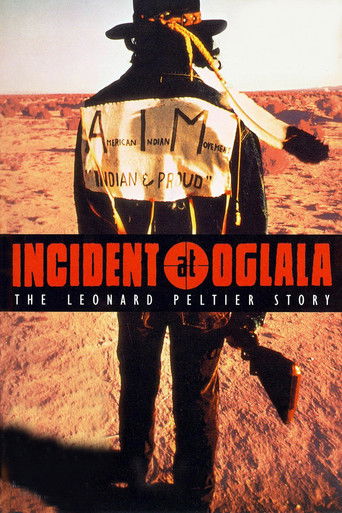
On June 26, 1975, during a period of high tensions on the Pine Ridge reservation in South Dakota, two FBI agents were killed in a shootout with a group of Indians. Although several men were charged with killing the agents, only one, Leonard Peltier, was found guilty. This film describes the events surrounding the shootout and suggests that Peltier was unjustly convicted.
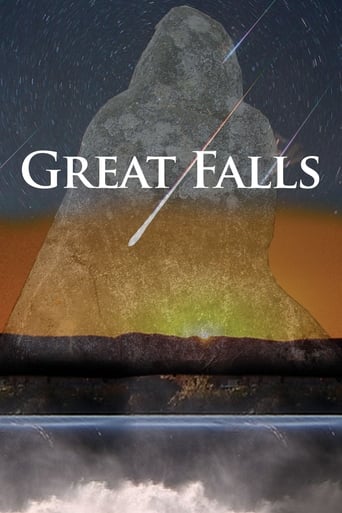
Professional, native and antiquarian researchers combine to investigate the archaeological history and modern legacy of Eastern Native civilization near Turners Falls, Massachusetts. They uncover possible evidence of a vast astronomical construct that covered a large area of what is now the northeastern United States.
This documentary is a portrait of Point St. Charles, one of Montreal’s notoriously bleak neighbourhoods. Many of the residents are English-speaking and of Irish origin; many of them are also on welfare. Considered to be one of the toughest districts in all of Canada, Point St. Charles is poor in terms of community facilities, but still full of rich contrasts and high spirits – that is, most of the time.
A young Native American man on his way to visit his uncle learns about his Navajo heritage by attending tribal gatherings, traditional ceremonies and listening to old folktales.
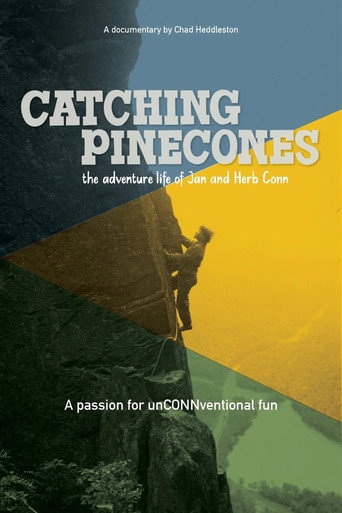
Jan and Herb Conn were the original American dirtbag couple, pioneering rock climbers and cave explorers who rejected a conventional lifestyle in pursuit of adventure and fun. The Conns’ story reveals a legacy of renowned discoveries and their philosophies for a rewarding, well-lived life.
Chennu committed his first crime when he was 15 years old: being a street kid. And he entered hell: Pademba Road. The adult prison in Freetown. In hell, Mr. Sillah is in charge, and there is no hope. Chennu got out after four years. Now he wants to go back.
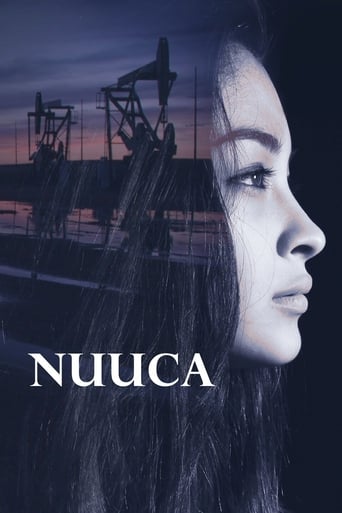
In this evocative meditation, a disturbing link is made between the resource extraction industries’ exploitation of the land and violence inflicted on Indigenous women and girls. Or, as one young woman testifies, “Just as the land is being used, these women are being used.”
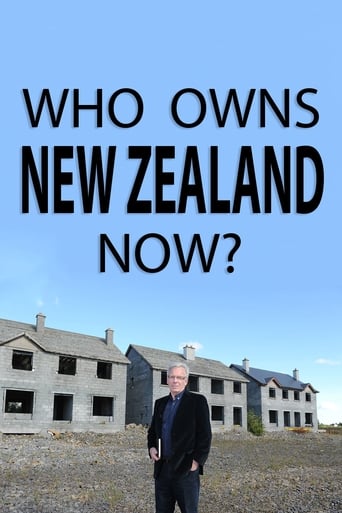
Award-winning documentary maker Bryan Bruce investigates New Zealand's housing crisis and what might be done to solve it. Bruce consults with recognised world experts (in Canada, Ireland and Germany) to discuss their global research – this time on foreign capital and housing affordability and the effect of immigration on house prices. Bruce also looks at some of the many possible solutions (available particularly in Germany) that would provide families with stability of tenure that don’t involve private ownership.
The Amsterdamse Bos (Amsterdam Forest), located between Amstelveen and Schiphol, was constructed during the years of economic crisis. In 1934, Amsterdam had 50,000 unemployed residents, who were put to work on the project as part of a government relief scheme. Annette Apon made this short documentary about the creation of the Amsterdamse Bos for the Amsterdams Stadsjournaal.

The Battle of New Orleans: A Meaningful Victory explores how the British misjudged their opponent and miscalculated the complexities of the battle ground. It also describes why the multi-cultural population of New Orleans proved the naysayers wrong about their loyalties to a young nation. WYES Community Projects Producer Marcia Kavanaugh and Tom Gregory hosted and produced this documentary.
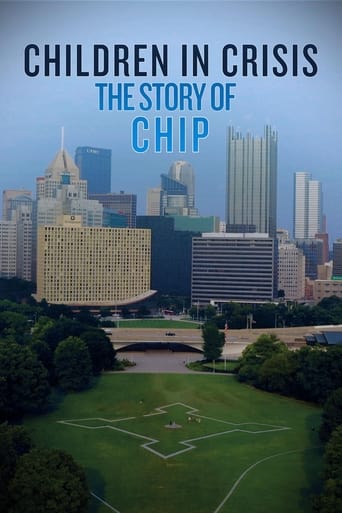
In the midst of a catastrophic steel industry collapse, a remarkable grassroots community effort leads to a national healthcare program that helps more than 200 million children...and counting.

Examines the impact a century of struggling for survival has on a native people. It weaves the Crow tribe's turbulent past with modern-day accounts from Robert Yellow-tail, a 97-year-old Crow leader and a major reason for the tribe's survival. Poverty and isolation combine with outside pressures to undermine the tribe, but they resist defeat as "Contrary Warriors," defying the odds.
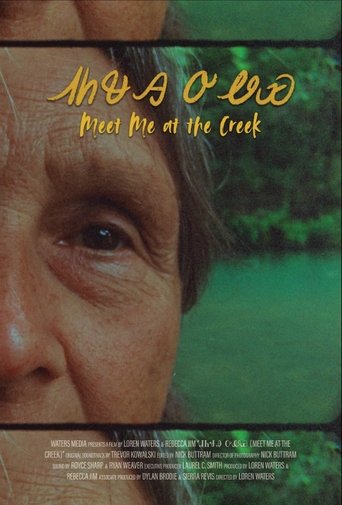
Waters’ LIFT project, ᏗᏂᏠᎯ ᎤᏪᏯ (Meet Me at the Creek), is the fourth of a quartet of films, and focuses on interconnectedness and Cherokee values through the lifelong fight of Rebecca Jim, a Cherokee Nation citizen and waterkeeper warrior, as she leads the effort to restore Tar Creek in Miami, Oklahoma.

While the center of Angola's capital Luanda is now ranked as one of the most expensive places in the world, the majority of the city's population lives in abject poverty. But young people are rebelling and creating their own counterculture with their own music styles and acrobatic dances, using the "ghetto" as a trademark to define their style.
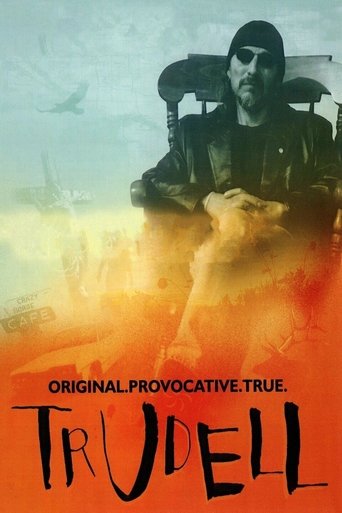
A chronicle of legendary Native American poet/activist John Trudell's travels, spoken word performances, and politics.
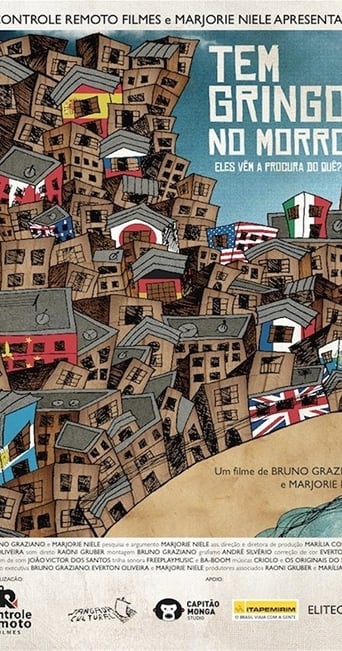
Documentary about the foreign tourism in Rocinha, the biggest Latin America's favela, which receives about 3.000 foreign tourists per month. They come to Rocinha looking for the most varied aspects, from the poorness to the violence, from the geography to the architecture, from the viewing to the atmosphere, from the curiosity to the welfarism.
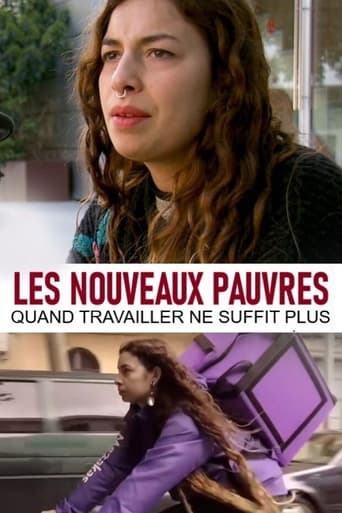
A third of Europeans live in economic insecurity: Zero hours contracts, the fear of redundancy and stagnating wages have brought more and more people into poverty and precariousness and provided fertile conditions for the political extremes. This documentary focuses on the new working poor, the precariat.
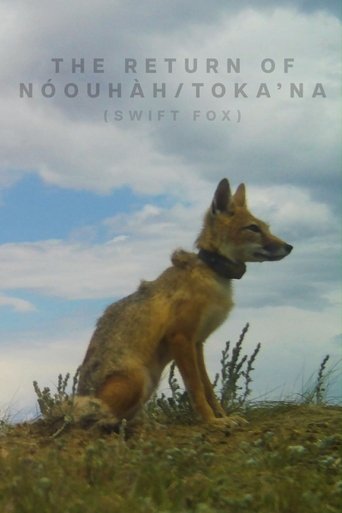
Nóouhàh-Toka’na, known as swift fox in English, once roamed the North American Great Plains from Canada to Texas. Like bison, pronghorn and other plains animals, Nóouhàh-Toka’na held cultural significance for the Native Americans who lived alongside them. But predator control programs in the mid-1900s reduced the foxes to just 10 percent of their native range. At the Fort Belknap Indian Community in Montana, members of the Aaniiih and Nakoda tribes are working with the Smithsonian’s National Zoo and Conservation Biology Institute and other conservation partners to restore biodiversity and return Nóouhàh-Toka’na to the land.