
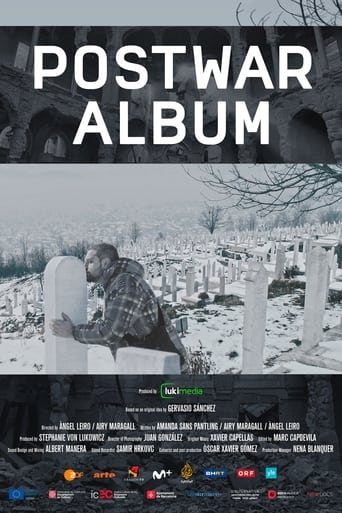
Postwar Album
2021-02-28 · 74 min · ★ 7.0
Winter 2019. Spanish war photographer Gervasio Sánchez, who documented with his camera the long and tragic siege of Sarajevo during the Bosnian War (1992-95), returns to the city in search of the children he met among the ruins, those who survived to grow up, live and remember.
Trailers are previews, not full movies.
No authorized playback source configured. Use the legal watch options below.
Production details
- Directors
- Àngel Leiro, Airy Maragall
- Production companies
- Lukimedia, Aragón TV, Movistar Plus, ZDF/Arte, Al Jazeera Documentary Channel
- Countries
- Germany, Qatar, Spain
- Status
- Released
Top Cast
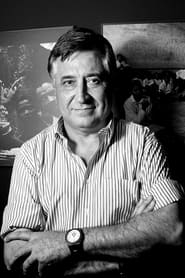 Gervasio SánchezSelf - Photojournalist
Title information and images are supplied by TMDb. Explore our discovery guide for advice on comparing metadata and legal viewing options.
Where to watch
Availability provided by JustWatch via TMDb. Offers can change. Provider links are listed on TMDb; full playback requires a separately authorized source.
Availability not listed for this country.
Seasons & episodes
Recommendations
Korengal picks up where Restrepo left off; the same men, the same valley, the same commanders, but a very different look at the experience of war.
He's devoted his career to uncovering stories the powerful want buried. From My Lai to Abu Ghraib, dig into the life's work of journalist Seymour Hersh.

Amid the failing counteroffensive, a journalist follows a Ukrainian platoon on their mission to traverse one mile of heavily fortified forest and liberate a strategic village from Russian occupation. But the farther they advance through their destroyed homeland, the more they realize that this war may never end.
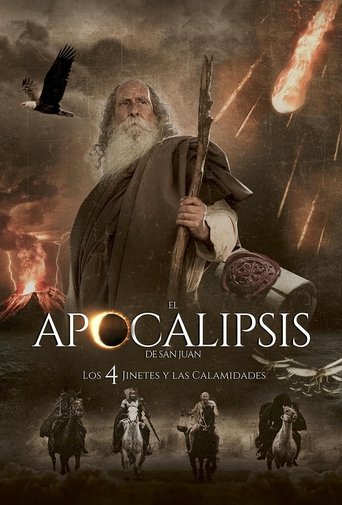
Embark on an epic journey through time and faith with 'The Apocalypse of Saint John.' Join the Apostle John in a stunning visual narrative that unravels the visions of the End Times. Experience each vision like never before, with striking visual effects and epic scenes that immerse you in the apocalyptic narrative.
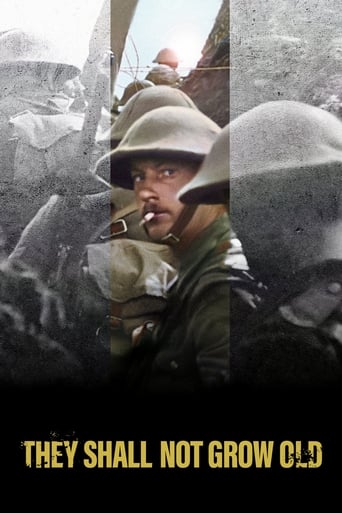
A documentary about World War I with never-before-seen footage to commemorate the centennial of Armistice Day, and the end of the war.

A love letter from a young mother to her daughter, the film tells the story of Waad al-Kateab’s life through five years of the uprising in Aleppo, Syria as she falls in love, gets married and gives birth to Sama, all while cataclysmic conflict rises around her. Her camera captures incredible stories of loss, laughter and survival as Waad wrestles with an impossible choice– whether or not to flee the city to protect her daughter’s life, when leaving means abandoning the struggle for freedom for which she has already sacrificed so much.

As a visually radical memoir, CAMERAPERSON draws on the remarkable footage that filmmaker Kirsten Johnson has shot and reframes it in ways that illuminate moments and situations that have personally affected her. What emerges is an elegant meditation on the relationship between truth and the camera frame, as Johnson transforms scenes that have been presented on Festival screens as one kind of truth into another kind of story—one about personal journey, craft, and direct human connection.

This documentary movie is about the battle of San Pietro, a small village in Italy. Over 1,100 US soldiers were killed while trying to take this location, that blocked the way for the Allied forces from the Germans. Preserved by the Academy Film Archive in 2005.
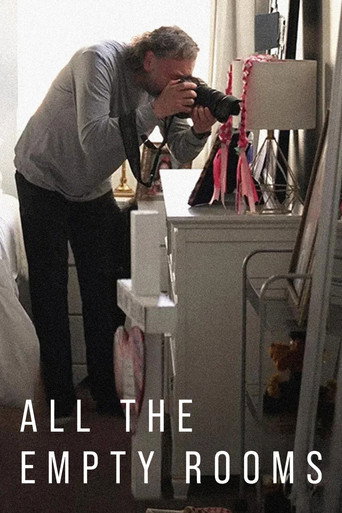
A journalist and a photographer set out to memorialize the bedrooms left behind by children killed in school shootings.
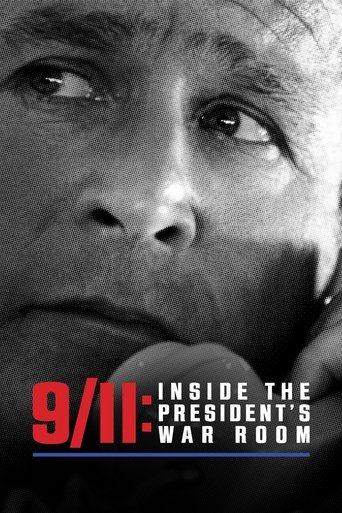
Experience the events of September 11, 2001 through the eyes of President Bush and his closest advisors as they personally detail the crucial hours and key decisions from that historic day.

“The Soviet Story” is a story of an Allied power, which helped the Nazis to fight Jews and which slaughtered its own people on an industrial scale. Assisted by the West, this power triumphed on May 9th, 1945. Its crimes were made taboo, and the complete story of Europe’s most murderous regime has never been told. Until now...

The history of cinematic sound, told by legendary sound designers and visionary filmmakers.
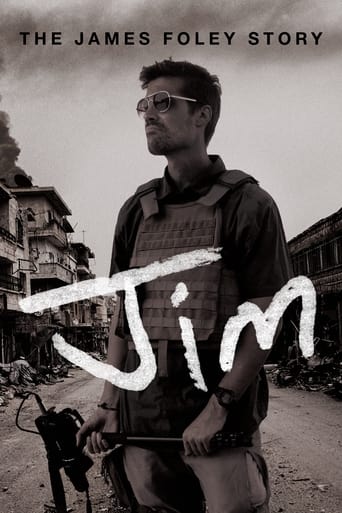
In August, 2014, a video of the public execution of American photojournalist James Foley rippled across the globe. Foley wore an orange jumpsuit as he knelt beside an ISIS militant dressed in black. That image challenged the world to deal with a new face of terror. And it tested one American family. Seen through the lens of filmmaker Brian Oakes, Foley’s close childhood friend, Jim takes us from small-town New England to the adrenaline-fueled front lines of Libya and Syria, where Foley pushed the limits of danger to report on the plight of civilians impacted by war.
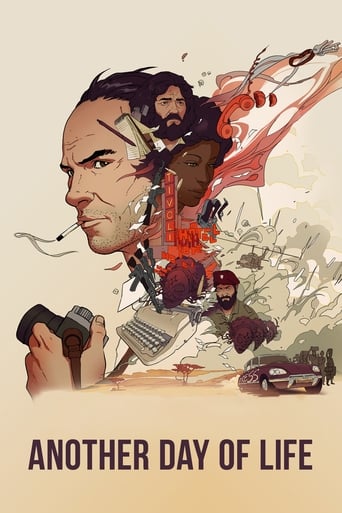
In 1975, Ryszard Kapuściński, a veteran Polish journalist, embarked on a seemingly suicidal road trip into the heart of the Angola's civil war. There, he witnessed once again the dirty reality of war and discovered a sense of helplessness previously unknown to him. Angola changed him forever: it was a reporter who left Poland, but it was a writer who returned…

Director Michael Apted revisits the same group of British-born adults after a 7 year wait. The subjects are interviewed as to the changes that have occurred in their lives during the last seven years.

Prelude to War was the first film of Frank Capra's Why We Fight propaganda film series, commissioned by the Pentagon and George C. Marshall. It was made to convince American troops of the necessity of combating the Axis Powers during World War II. This film examines the differences between democratic and fascist states.
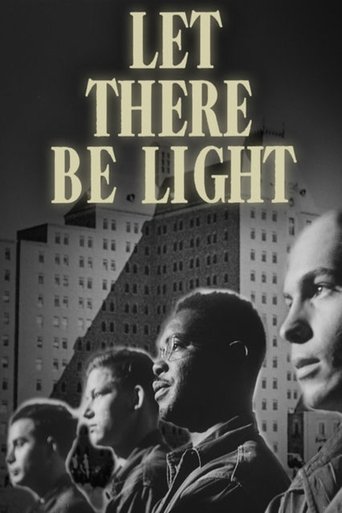
The final entry in a trilogy of films produced for the U.S. government by John Huston. Some returning combat veterans suffer scars that are more psychological than physical. This film follows patients and staff during their treatment. It deals with what would now be called PTSD, but at the time was categorised as psychoneurosis or shell-shock. Government officials deemed this 1946 film counterproductive to postwar efforts; it was not shown publicly until 1981.
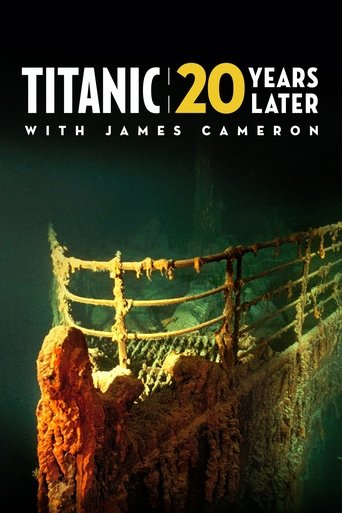
For the 20th anniversary of "Titanic," James Cameron reopens the file on the disaster.
Meet the real-life airmen who inspired Masters of the Air as they share the harrowing and transformative events of the 100th Bomb Group.

In an intimate and joyful story of love in the face of loss, celebrated poets Andrea Gibson and Megan Falley find strength—and unexpected hilarity—in what might be their final year together.
Similar titles
An exiled filmmaker finally returns to his home country where former mysteries and afflictions of his early life come back to haunt him once more.
Jabir, Usama and Uzeir are three young brothers in a Sunni family of shepherds. Since childhood, their father Ibrahim has rigidly trained them in the principles of the Quran and has filled their minds with stories of the Bosnian War.
Crossfire is the investigative documentary by an international team of journalists about two reporters, Andrea Rocchelli and Andrej Mironov, killed in eastern Ukraine, and the Ukrainian soldier Vitaly Markiv accused of their murder
After the discovery of a suitcase hidden in the family home of Francisco Martínez Gascón, known as Kautela, a photojournalist who lived through the Spanish Civil War from the perspective of the rebel side, his granddaughter decides to carry out an investigation into his life and work.

Follow a group of international journalists into the heart of the once cosmopolitan city of Sarajevo—now a danger zone of sniper and mortar attacks where residents still live. While reporting on an American aid worker who’s trying to get children out of the country, a British correspondent decides to take an orphaned girl home to London.
The carnage in Sarajevo provides the focus of this French documentary which seeks to call attention to the terrible conflict in the hopes of finally ending it. The film is divided into five parts. Each part covers a time frame ranging from April 4, 1992, the beginning of the war, to the present. The major issues that occur are three-fold. It depicts the systematic genocide of Bosnians, the silence of Western countries, and the determination of the Bosnians to resist. They refuse to be seen as victims, even though the filmmakers portray them so. Also included are the origins and political aspects of the war. It offers interviews with participants. It also reveals how the U.S. State Department censored reports about Serbian death camps.
During the conflict in the former Yugoslavia many soldiers were convinced to kill fellow citizens including friends and relatives in the name of patriotism. The Kolaborator follows the story of Goran, 24, a promising young soccer player who is forced to become a soldier. Goran goes from being a talented athlete to an executioner virtually overnight. Following orders, Goran lines up civilians, shoots them and drags them into mass graves. Justifying his role as a protector of his people, Goran becomes increasingly detached from the task until his soccer coach and life-long friend, Asim, is led in front of him. As a familiar face stands defeated before him, Goran must reconsider his actions and choose between his own life and that of his dear friend.

For four seasons, lone wolf Eddy van Wessel travels along the Ukrainian front lines. Now that the Netherlands' most awarded war photographer is in the twilight of his successful career, he wants to take the ultimate photo one more time, the image that summarizes the entire conflict and that makes all the struggles, traumas and setbacks he has endured worthwhile.
A surreal exploration of the war in Bosnia told through the unbreakable spirit of seven of her people whose strength to leave was as powerful as the fight to stay. Through the lens of diaspora, the film captures not just the weight of displacement, but the defiant act of survival and the unwavering pursuit of home, no matter where the journey leads.
An exploration of the perils of nationalism and art’s role as a weapon of resistance and activism throughout the 1990s Siege of Sarajevo during the Bosnian War. Explore how art and music sustained hope, thanks in part to humanitarians and the band U2.
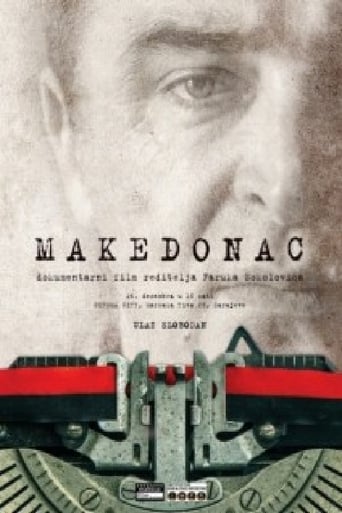
A tale of victory of humanism over revenge motif. Amir Reko (nicknamed "Macedonian", but actually Bosnian Muslim by ethnicity), the ex-captain of Yugoslav People's Army, saved lives of 44 Serb civilians during the siege of Gorazde in 1992. He went through personal and professional temptation during the war, while plenty of other officers ended up in Hague or other international criminal courts across Europe.
In the immediate aftermath of the fall of Srebrenica in 1995, Aida, receiving word that her sons who were taken by Serbian forces may be alive and held in a camp, launches a desperate search through a refugee center crowded with thousands of displaced women. As hope collides with silence, the women come to the realization that no outside help is coming unless they help themselves. Led by Aida, they confront the injustice and deceptions of a political system built on backroom deals with war criminals.
In September 2004, Himzo Muratovic returned from the dead. Himzo turned up in a taxi in his Bosnian Muslim village, 12 years after he disappeared at the height of the Serb terror. His mother fell unconscious when neighbors told her that her missing son had returned. For several days the village celebrated the return of the long-dead Himzo Muratovic.

Bosnia, July 1995. Aida is a translator for the UN in the small town of Srebrenica. When the Serbian army takes over the town, her family is among the thousands of citizens looking for shelter in the UN camp. As an insider to the negotiations Aida has access to crucial information that she needs to interpret. What is at the horizon for her family and people – rescue or death? Which move should she take?
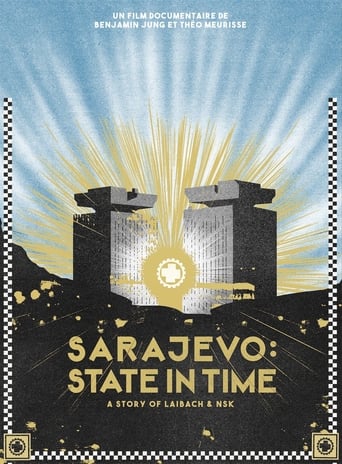
Shot in six European countries, it tells the story of the concerts given by cult underground band Laibach during the siege of Sarajevo back in 1995.

With a pair of scissors and some paper, he turned his art into a weapon the Nazis feared. A look back at the eventful career of satirist John Heartfield (1891-1968), pioneer of photomontage and modern graphic design.
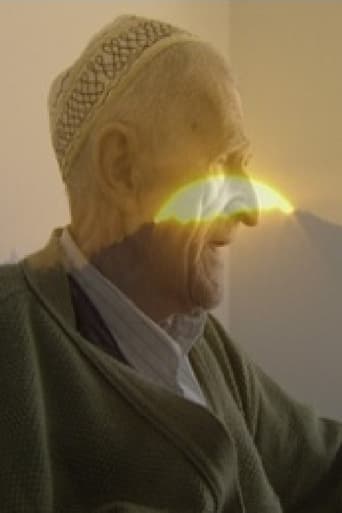
Hamdija Šahinpašić (1914-2003) was one of those rare individuals able to memorize songs in their authentic traditional form. Šahinpašić belonged to a family known for its songs. In the early 1950's, Miodrag A. Vasiljević recorded Šahinpašić singing dozen of songs at the Serbian Academy of Arts and Sciences in Belgrade. A 1967 publication finally included 300 of his songs, published bilingually in Bosnian and Russian. Šahinpašić himself become the focus of attention of numerous ethnomusicologists and folklorists and his repertoire was preserved on recording of good quality.

Six conflict photographers reflect on their experiences capturing the atrocities of war and other manifestations of violence on film.