
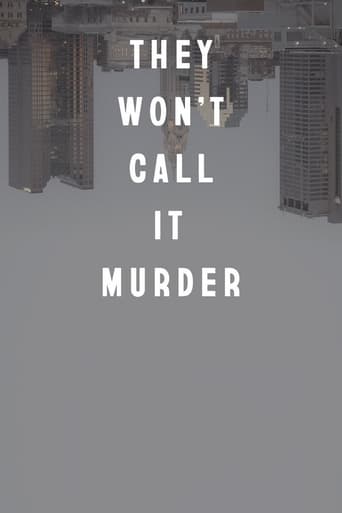
They Won't Call It Murder
2021-11-11 · 20 min · Not rated
Police have been killing people in Columbus, Ohio, with near impunity for more than two decades, leaving behind a community bound together by grief – and a system that refuses to call these killings murder. In a searing indictment of the police and justice system at large, educator and curator Ingrid Raphael and journalist Melissa Gira Grant have collaborated in this short film, which spotlights the testimonies and resistance strategies of the loved ones of Henry Green, Tyre King, Donna Dalton and Julius Tate. These are the mothers, sisters, and grandmothers of those who were killed by Columbus police, women seeking justice for their family members, despite knowing that it is unlikely to be found within the system that caused their wrongful deaths.
Trailers are previews, not full movies.
No authorized playback source configured. Use the legal watch options below.
Production details
- Directors
- Melissa Gira Grant, Ingrid Raphael
- Production companies
- Field of Vision, First Look Media
- Countries
- United States of America
- Status
- Released
Top Cast
Cast unavailable.
Title information and images are supplied by TMDb. Explore our discovery guide for advice on comparing metadata and legal viewing options.
Where to watch
Availability provided by JustWatch via TMDb. Offers can change. Provider links are listed on TMDb; full playback requires a separately authorized source.
Availability not listed for this country.
Seasons & episodes
Recommendations
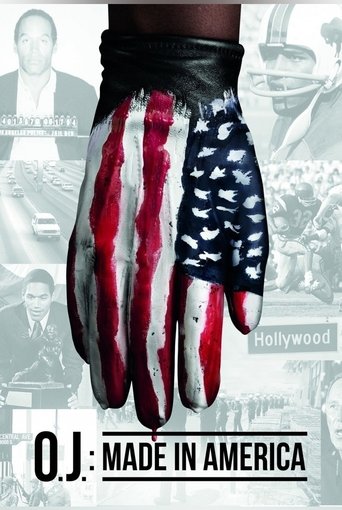
A chronicle of the rise and fall of O.J. Simpson, whose high-profile murder trial exposed the extent of American racial tensions, revealing a fractured and divided nation.

Twenty-five years after the verdict in the Rodney King trial sparked several days of protests, violence and looting in Los Angeles, LA 92 immerses viewers in that tumultuous period through stunning and rarely seen archival footage.
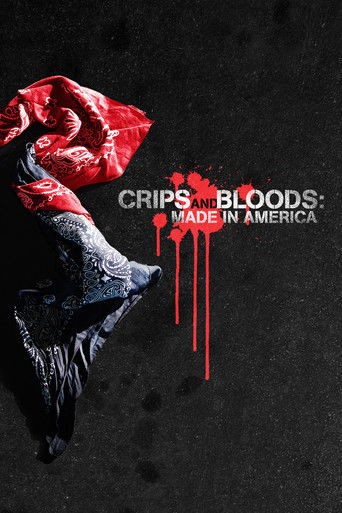
With a first-person look at the notorious Crips and Bloods, this film examines the conditions that have lead to decades of devastating gang violence among young African Americans growing up in South Los Angeles.

Through deeply personal interviews with her siblings and an examination of the photographs, letters, and belongings left behind, Mariska assembles a new portrait of her mother Jayne Mansfield, an extraordinary and complex woman.

A string of threatening emails escalates into a revenge plot involving a newly married US marshal and his ex-girlfriend.

In an intimate and joyful story of love in the face of loss, celebrated poets Andrea Gibson and Megan Falley find strength—and unexpected hilarity—in what might be their final year together.

Police bodycam footage reveals how a long-running neighborhood dispute turned fatal in this documentary about fear, prejudice and Stand Your Ground laws.

A documentary on the expletive's origin, why it offends some people so deeply, and what can be gained from its use.
Amber Heard and Nicole Kidman discuss their characters Mera and Atlanna.
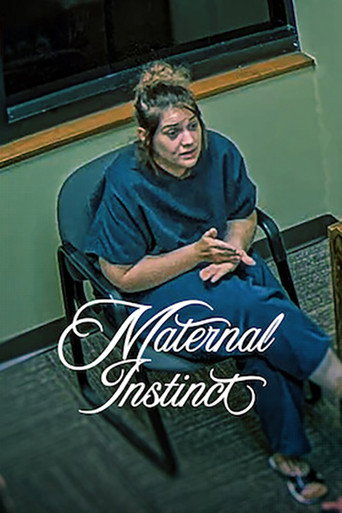
Police pull over a woman who claims she just gave birth. But the baby — and the blood — aren't hers. Twisted lies unravel in this true-crime documentary.

Documentary filmmaker Amy Berg investigates the life of 30-year pedophile Father Oliver O'Grady and exposes the corruption inside the Catholic Church that allowed him to abuse countless children. Victims' stories and a disturbing interview with O'Grady offer a view into the troubled mind of the spiritual leader who moved from parish to parish gaining trust ... all the while betraying so many.
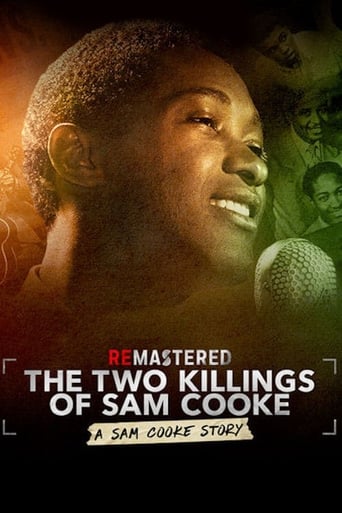
This investigation examines the mysterious shooting of soul icon Sam Cooke, whose death silenced one of the most vital voices in the civil rights movement.

This revealing documentary honors the legendary Sidney Poitier—iconic actor, filmmaker, and civil rights activist. Featuring interviews with Denzel Washington, Spike Lee, Halle Berry, and more.
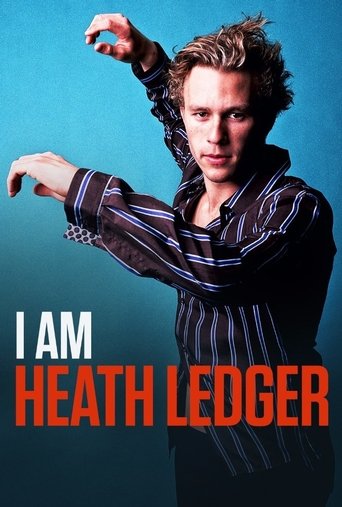
The life and career of an actor, artist, and icon. His own journey through his own camera.

Musician and performance artist Laurie Anderson reflects on the deaths of her husband Lou Reed, her mother and her beloved dog.

Ranjit, a farmer in India, takes on the fight of his life when he demands justice for his 13-year-old daughter, the victim of a brutal gang rape. His decision to support his daughter is virtually unheard of, and his journey unprecedented.
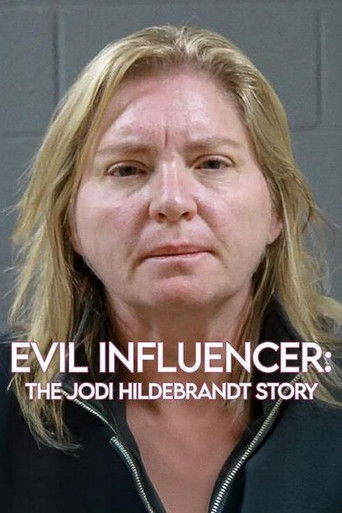
Unravel the case of Utah therapist Jodi Hildebrandt, whose child abuse arrest with parenting YouTuber Ruby Franke exposed a twisted tale of manipulation.

A compilation of over 30 years of private home movie footage shot by Lithuanian-American avant-garde director Jonas Mekas, assembled by Mekas "purely by chance", without concern for chronological order.

Alexander McQueen's rags-to-riches story is a modern-day fairy tale, laced with the gothic. Mirroring the savage beauty, boldness and vivacity of his design, this documentary is an intimate revelation of McQueen's own world, both tortured and inspired, which celebrates a radical and mesmerizing genius of profound influence.
A journalist and a photographer set out to memorialize the bedrooms left behind by children killed in school shootings.
Similar titles

Set in motion by a tragic police-involved shooting, two communities of color navigate fraught perceptions of injustice, inequality, and discrimination in the eyes of the law.
During World War I, African-Americans worked on the railroad near Corbin, Kentucky. When whites returned from the war, there was conflict. Whites sought their former jobs and positions in the community. In 1919, a race riot occurred. Whites put the African-Americans on railroad cars and ran them out of town. In Trouble Behind, members of the Corbin community speak out on the issue. The filmmakers also interview former members of the Corbin, which at the time of filming had only one black family. Some Corbin residents express confusion as to why African-Americans don't move back. Others openly use racial epithets. Some young adults seem troubled by the racism, past and present. Others don't.

Cassius X puts a period of often-overlooked history into the spotlight – the period when Cassius Clay fought his way to achieving his lifelong dream of becoming World Heavyweight Champion while embarking on a secret spiritual journey.
On June 21 2007, the Howard Federal Government launched an intervention into Aboriginal communities in the Northern Territory. It was one of the most dramatic policy shifts in the history of Aboriginal affairs. Relentless media attention focuses on ideological arguments for and against the Intervention, while the voices of those affected by the policy are rarely heard. For this film more than 40 Alice Springs town camp residents were interviewed in depth over the course of eight months to find out the answer to the question - is it working?
This film made by a Palestinian-Israeli collective shows the destruction of the occupied West Bank's Masafer Yatta by Israeli soldiers and the alliance which develops between the Palestinian activist Basel and Israeli journalist Yuval.

In an intense action-filled 85 minutes, you will learn to defend yourself against the mounting threat of “knife culture” offenders.
A film about small Ontario town's struggle to restore a desecrated African-Canadian cemetery and the resulting turmoil over it.
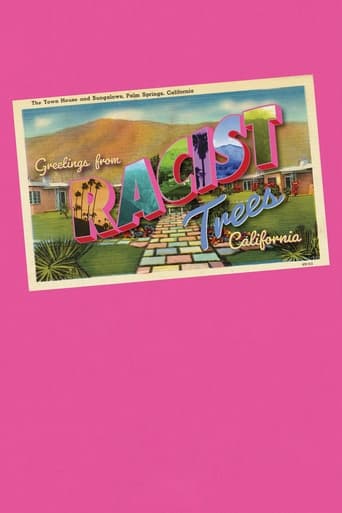
Can a tree be racist? A few years ago, debate on this issue reached as far as Fox News. The focus was a row of tamarisk trees along a huge golf course in Palm Springs, which screened off the neighborhood of Crossley Tract. This is a historically Black neighborhood, named after its founder Lawrence Crossley, who was one of the first Black residents to settle in the largely white tourist paradise, established on indigenous land over a century ago.
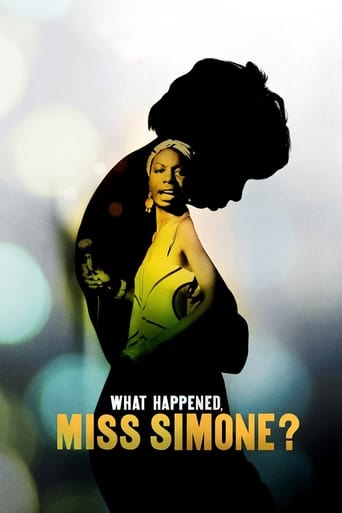
The film chronicles Nina Simone's journey from child piano prodigy to iconic musician and passionate activist, told in her own words.
An oral history documentary of people of color at Miami University during its Public Ivy period—from 1970 to the early 2000s.
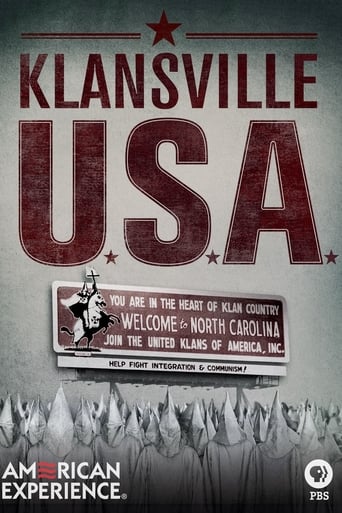
Investigates the reasons North Carolina, long seen as the most progressive state in the South, became home to the largest Klan organization in the country, with more members than all the other Southern states combined, during the 1960s.
A look at the rise of racism in modern football
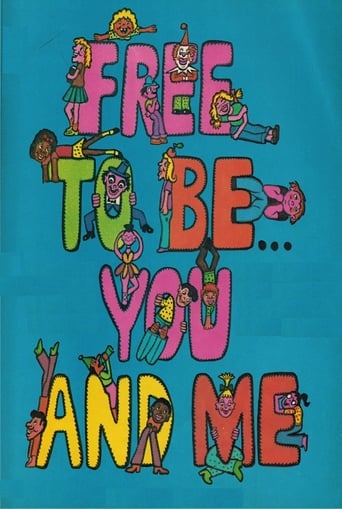
Free to Be…You and Me, a project of the Ms. Foundation for Women, is a record album, and illustrated book first released in November 1972, featuring songs and stories from many current celebrities of the day (credited as "Marlo Thomas and Friends") such as Alan Alda, Rosey Grier, Cicely Tyson, Carol Channing, Michael Jackson, and Diana Ross, among others. An ABC Afterschool Special using poetry, songs, and sketches, followed two years later in March 1974. The basic concept is to encourage a post-60's gender neutrality, while saluting values such as individuality, tolerance, and happiness with one's identity. A major thematic message is that anyone, whether a boy or a girl, can achieve anything.
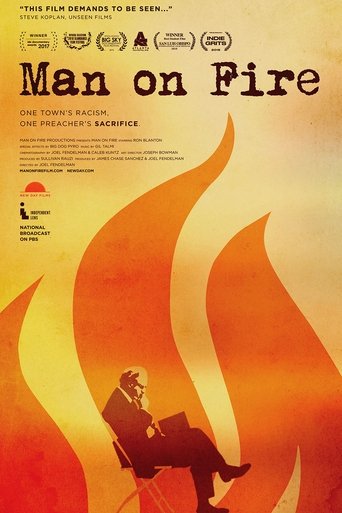
Grand Saline, Texas, was a sleepy, unremarkable town—until a white preacher lit himself on fire to protest the town's racism in 2014. The subject of this film is deceptively straightforward: A minister commits suicide by setting himself on fire. He leaves behind a letter that frames his decision as a religious response to the intolerable racism of America's past and present, particularly in his Texas hometown. The aftermath is befuddling: There are townspeople who can recall incidents of racial violence and hate speech, and those who have never seen anything of the kind. Black folk in surrounding towns who share rumors and fears about acts of violence, and white folk who say you can't believe everything you hear. Fellow ministers who share the desire to be liberated from a racist past, and churchgoers who believe only mental illness could explain such a suicide.
Kai M Green's film, “It Gets Messy in Here,” is a 32-minute short that examines the lives of transgender men of colour and masculine identified women of colour and their bathroom experiences.
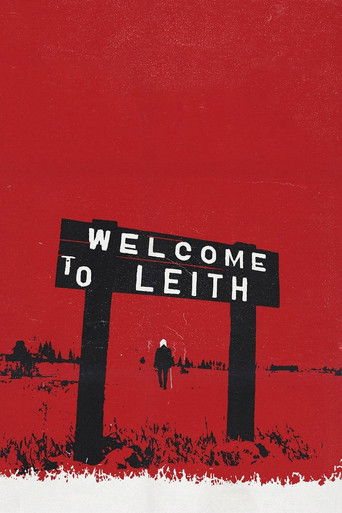
In September 2012, the tiny prairie town of Leith, North Dakota, sees its population of 24 grow by one. As the new resident's behavior becomes more threatening, tensions soar, and the residents desperately look for ways to expel their unwanted neighbor.
About the black community in Ladbroke Grove and Notting Hill which grew up in the 1950s. “No Irish, no coloured, no dogs" read the rooms-to-let signs in what was already a decaying inner area of London. In the Grove black people had to face the brunt of a crude and brutal racism and a grassroots defence was organised against white racist attacks in 1958, to become part of the more general community resistance. And that strength was reflected in the emergence of several major 'Black Power' organisations. Since the 1960s the vital sense of black community which developed in the Grove has resisted attempts to disperse and weaken the community and in particular the attempt to suppress the annual Carnival - the major Afro-Caribbean event in Britain.
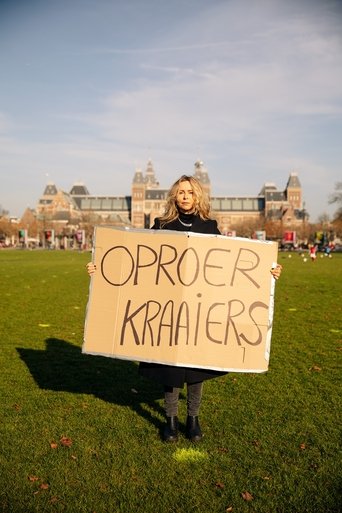
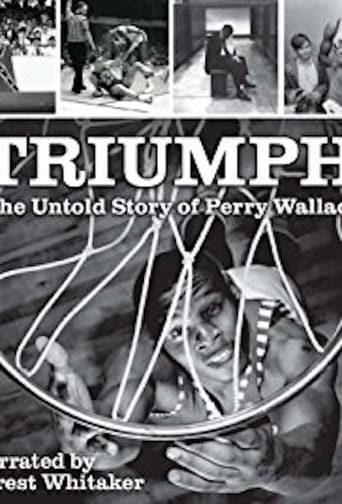
Whenever the phrase "breaking the color line" is used, there's a temptation to invoke Jackie Robinson's story. However, Perry Wallace, the first black college athlete in the Southeast Conference, was a mere teenager who stood all alone at center court in such hotbeds of rabid racism as Starkville, Mississippi and Tuscaloosa, Alabama.
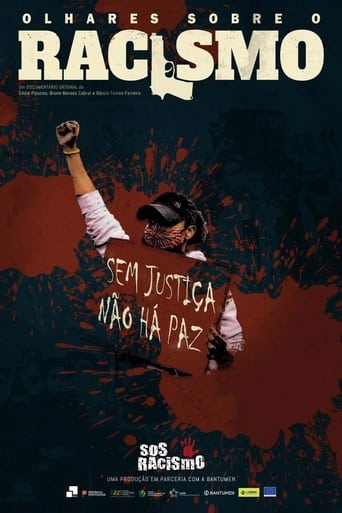
The film marks the 30th anniversary of the SOS Racismo Movement and gives voice to participants in the debate on racial issues in Portugal, bringing together multiple testimonies from racialized, black, gypsy, and migrant communities, as well as contributions from various figures in social and political mobilization, reflecting the intersectionality, diversity, and transversality of the various fronts in the fight against racism. As a tool for debate, mobilization, and awareness-raising in the fight against racism, this documentary aims to contribute to the development of effective political responses to racial discrimination.