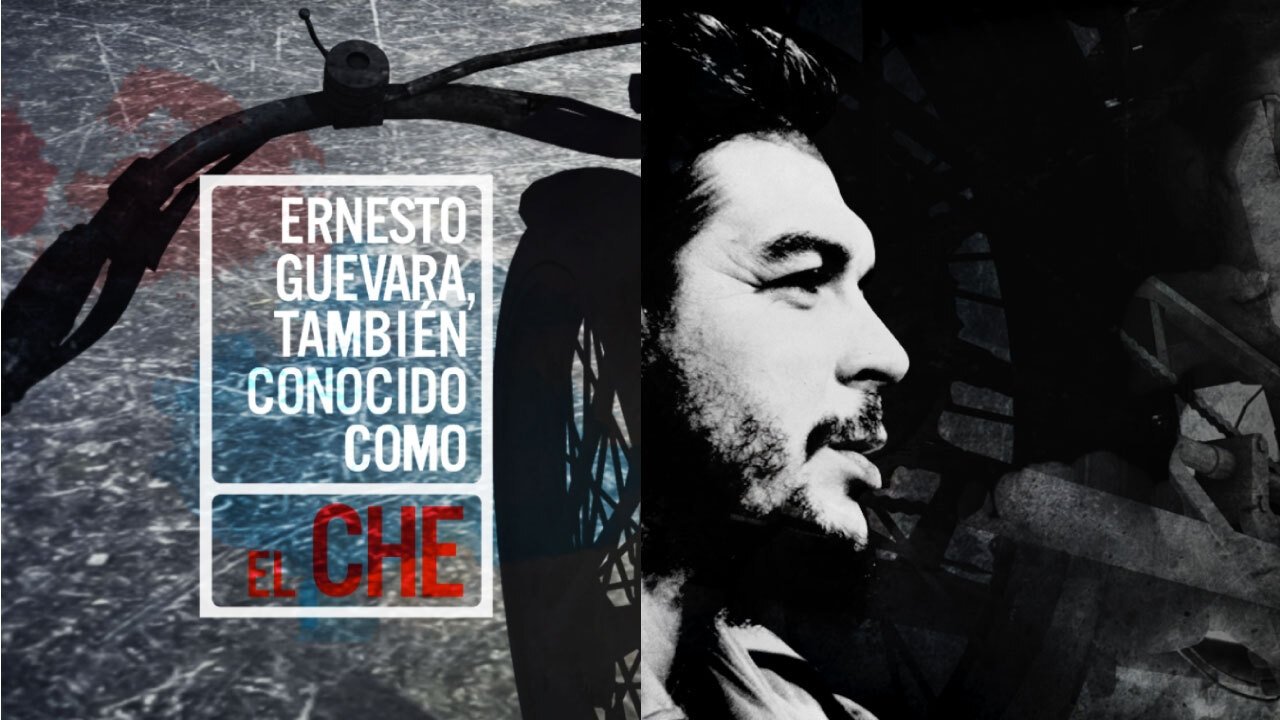
Ernesto Guevara, also known as "Che"
2015-10-08 · 476 min · ★ 8.0
From millions of photos, posters, videos, t-shirts, postcards, records, books, phrases, testimonies, Che watches over us. Beyond all paraphernalia, he returns. Irreverent, mocking, stubborn - morally stubborn - Che will always be the subject of debate. The exclusive teleSUR series “Ernesto Guevara, also known as 'Che'”, aims to address the figure of Ernesto Guevara as it has never been told before. Conversing with the characters who were with him in important moments, visiting the real settings where Che spent his life.
Trailers are previews, not full movies.
No authorized playback source configured. Use the legal watch options below.
Production details
- Directors
- Matías Gueilburt
- Production companies
- Unavailable
- Countries
- Argentina, Bolivia, Guatemala, Mexico
- Status
- Released
Top Cast
 Paco Ignacio Taibo IISelf
Title information and images are supplied by TMDb. Explore our discovery guide for advice on comparing metadata and legal viewing options.
Where to watch
Availability provided by JustWatch via TMDb. Offers can change. Provider links are listed on TMDb; full playback requires a separately authorized source.
Availability not listed for this country.
Seasons & episodes
Recommendations

A compilation of over 30 years of private home movie footage shot by Lithuanian-American avant-garde director Jonas Mekas, assembled by Mekas "purely by chance", without concern for chronological order.

A documentary about how a dominant cultural and demographic institution both sustains their traditional activities and adapts to the digital revolution.

Taking inspiration from Peter M. Bracke's definitive book of the same name, this seven-hour documentary dives into the making of all twelve Friday the 13th films, with all-new interviews from the cast and the crew.
Thirty-four days before she's sent to prison, notorious Silicon Valley founder Elizabeth Holmes invites a skeptical film crew to document her every move. What begins as an intimate portrait of an enigmatic felon becomes a mind-bending three-year journey into the abyss.
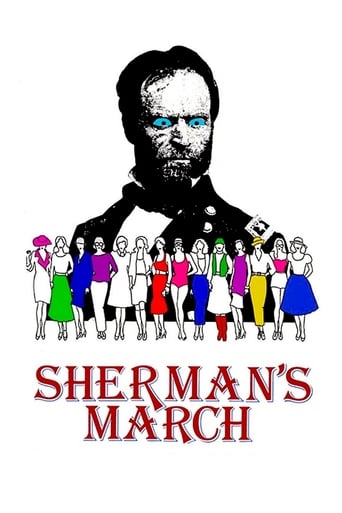
Documentarian Ross McElwee originally set out to make a travelogue of sorts tracing General William T. Sherman's infamous scorched-earth march through the Confederacy in the latter stages of the Civil War. Instead, haunted by a recent breakup with a girlfriend, McElwee ends up documenting his progress -- or lack thereof -- in starting a new relationship. His journey then becomes one of self-reflection and self-discovery rather than a historical/sociological exploration.

The definitive 3½-hour documentary about the troubled creation and enduring legacy of the science fiction classic 'Blade Runner', culled from 80 interviews and hours of never-before-seen outtakes and lost footage.

Oliver Stone charts the history of the United States from the Second World War to the present.
A documentary about the making of David Fincher's 2008 film THE CURIOUS CASE OF BENJAMIN BUTTON. Virtually every element in the evolution of the Fincher's film is documented here, from the project's attachment to numerous other directors during the 1990s, to its shoot in 2006 and 2007 in New Orleans, to its complex, CGI-intensive postproduction process.
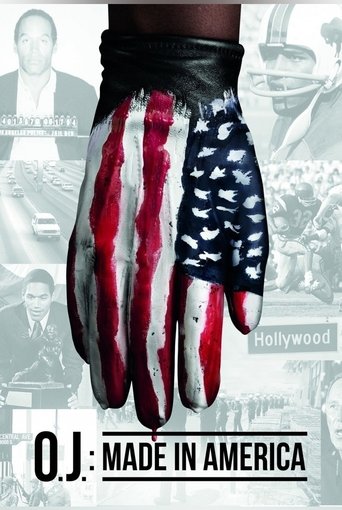
A chronicle of the rise and fall of O.J. Simpson, whose high-profile murder trial exposed the extent of American racial tensions, revealing a fractured and divided nation.
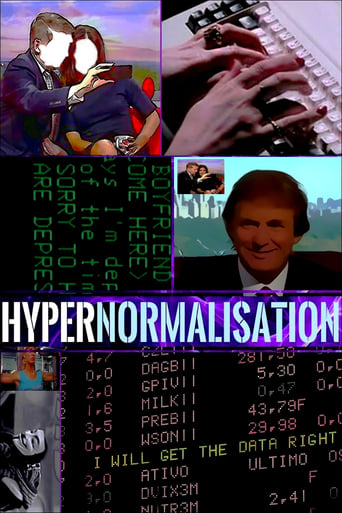
We live in a world where the powerful deceive us. We know they lie. They know we know they lie. They do not care. We say we care, but we do nothing, and nothing ever changes. It is normal. Welcome to the post-truth world. How we got to where we are now…
Live Aid was held on 13 July 1985, simultaneously in Wembley Stadium in London, England, and the John F. Kennedy Stadium in Philadelphia, United States. It was one of the largest scale satellite link-ups and television broadcasts of all time: watched live by an estimated global audience of 1.9 billion, across 150 nations. "It's twelve noon in London, seven AM in Philadelphia, and around the world it's time for Live Aid...!"

Marcel Ophuls' riveting film details the heinous legacy of the Gestapo head dubbed "The Butcher of Lyon." Responsible for over 4,000 deaths in occupied France during World War II, Barbie would escape—with U.S. help—to South America in 1951, where he lived until a global manhunt led to his 1983 arrest and subsequent trial.
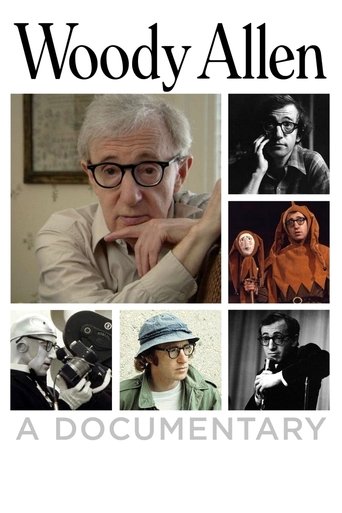
An intense portrait of the iconic filmmaker, writer, actor, comedian and musician Woody Allen: his life, family and friends; his writing and directing habits, and his relationship with performers.
From its distinctive neighborhoods to its architectural homes, Los Angeles has been the backdrop to countless movies. In this dazzling work, Andersen takes viewers on a whirlwind tour through the metropolis' real and cinematic history, investigating the myriad stories and legends that have come to define it, and meticulously, judiciously revealing the real city that lives beneath.
An intimate look at the Woodstock Music & Art Festival held in Bethel, NY in 1969, from preparation through cleanup, with historic access to insiders, blistering concert footage, and portraits of the concertgoers; negative and positive aspects are shown, from drug use by performers to naked fans sliding in the mud, from the collapse of the fences by the unexpected hordes to the surreal arrival of National Guard helicopters with food and medical assistance for the impromptu city of 500,000.
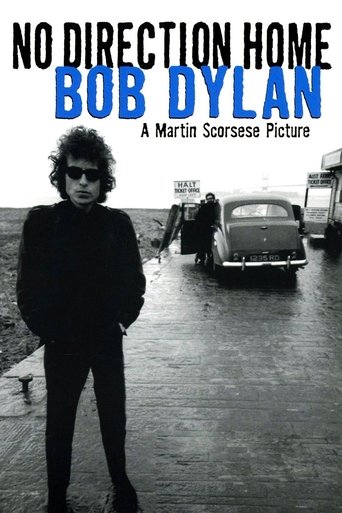
A chronicle of Bob Dylan's strange evolution between 1961 and 1966 from folk singer to protest singer to "voice of a generation" to rock star.
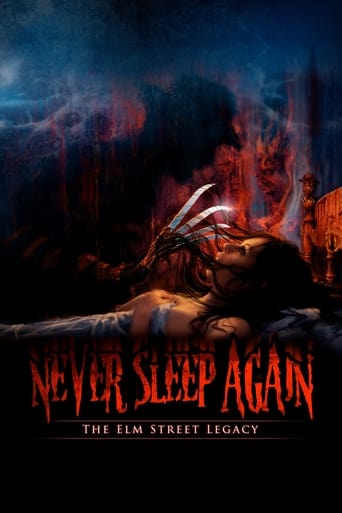
For decades, Freddy Krueger has slashed his way through the dreams of countless youngsters, scaring up over half a billion dollars at the box office across eight terrifying, spectacular films.
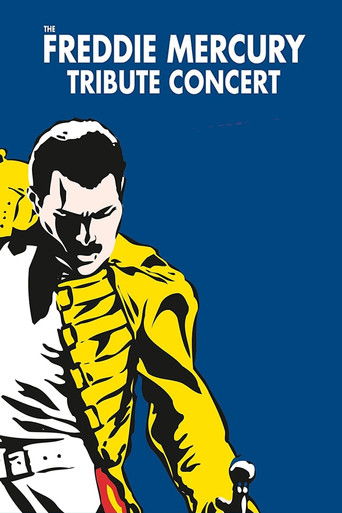
A live concert in tribute to Freddie Mercury, former lead singer of Queen. Mercury died of AIDS and so some of the proceeds of this concert went to AIDS research. Features performers such as Metallica, Def Leppard, Elton John, Axl Rose, Extreme, George Michael, and many others. Performers alternate between doing their own hits, covering Queen songs, or jamming with the surviving members of Queen.

Juan Gabriel's historic live concert at the El Palacio de Bellas Artes, recorded on May 9-12th, 1990.
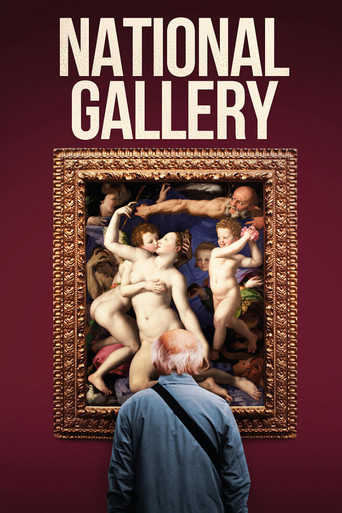
A portrait of the day-to-day operations of the National Gallery of London, that reveals the role of the employees and the experiences of the Gallery's visitors. The film portrays the role of the curators and conservators; the education, scientific, and conservation departments; and the audience of all kinds of people who come to experience it.
Similar titles
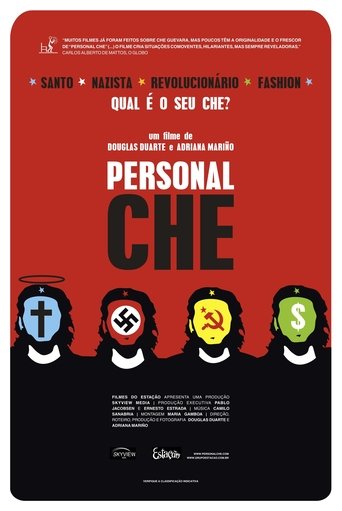
A documentary that explores the myth behind the truth. Different people around the globe reinterpret the legend of Che Guevara at will: from the rebel living in Hong Kong fighting Chinese domination, to the German neonazi preaching revolution and the Castro-hating Cuban. Their testimonies prove that the Argentinian revolutionary's historical impact reverberates still. But like with all legends, each sees what he will, in often contradictory perspectives.
The Kafkaesque world of Cuba under Castro's rule is brought to light in this reconstruction of the 1989 trial and execution of General Arnaldo Ochoa Sanchez, the highest-ranking general and hero of the revolution, and commander of the Angolan and Ethiopian campaigns.
An American lesbian in Cuba explores gender through dance and film, blending personal experiences and cultural symbols with music and Revolutionary cinema and questions how lesbians fit into Cuban cinema.

A documentary vignette explores the life of Revolutionary feminist and filmmaker Magda Gonzalez Grau, capturing a pivotal interview moment that reveals her evolving feminist politics during the Cuban Revolution.
In Havana, Cuba in the late 1950's, a wealthy family, one of whose sons is a prominent nightclub owner, is caught in the violent transition from the oppressive regime of Batista to the Marxist government of Fidel Castro. Castro's regime ultimately leads the nightclub owner to flee to New York.
GDR 1961: Tamara Bunke, daughter of Jewish exiles from Argentina, not only falls for the political goals of the rousing revolutionary Che Guevara during a state visit. She also meets Ulises Estrada, the commandant of Che's team. Ignited by the fire of the revolution, she gets involved in a diabolical espionage deal with the Stasi in order to cheat her way out of Cuba. In Cuba, she ends up caught between all fronts: under the watchful eye of the Stasi, which expects results from her, but in reality solely dedicated to Che's revolution, Tamara allows herself to be trained as a double spy by Che's troops. At the same time, her honest love grows for Commandante Ulises, who eventually gives her the choice of following her personal happiness and going into hiding rather than following Che's plans to liberate South America, which by now he considers a suicide mission. An unresolvable, deeply tragic conflict that ends fatally for Tamara in the battle of Bolivia's Rio Grande..
Oliver Stone spends three days filming with Fidel Castro in Cuba, discussing an array of subjects with the president such as his rise to power, fellow revolutionary Che Guevara, the Cuban Missile crisis, and the present state of the country.
The latest documentary by Tristan Bauer took 12 years to complete. It is a unique and invaluable historical document—a jewel not to be missed—that offers us a different, more intimate and personal, perspective on the life of Ernesto Che Guevara than other films about him that have emerged recently. Presenting brilliantly edited archival material, including private documents and intimate recordings that have never been made available to the public before (including recordings of Che reading poems by Vallejo and Neruda to his wife, intimate family gatherings on 8mm, a speech given by Che in French), Bauer allows us to see the iconic figure as a hero but also as the larger-than-life passionate and idealistic human being that he was.
Shot in Cuba in 1961, this documentary follows a volunteer militia brigade organized in defense of the Cuban Revolution. Joris Ivens and his crew observe military training, daily life, and collective discipline among civilian volunteers. The film emphasizes popular mobilization as a defining feature of the revolutionary state.
In her feature documentary Seguridad, Newfoundland-based filmmaker Tamara Segura—once named “Cuba’s youngest soldier” in a militia publicity stunt—portrays her troubled relationship with her father in the context of the Cuban Revolution. When Segura accepts a scholarship to study film in Canada, the move offers crucial distance from her alcoholic father. After four years, she returns to Cuba hoping to make amends. But her father’s sudden death just days after her arrival forces Segura to explore his troubled past and the role Cuba’s highly militarized system played in his downfall. Through a series of deeply personal on-camera interviews with her immediate family, Segura unearths long-held secrets that ultimately tell a story of resilience and profound love between family members. Seguridad artfully weaves a lifetime’s worth of still photographs into its intimate narrative, which offers a rare glimpse into the inner lives of Cubans in the post-revolutionary era.
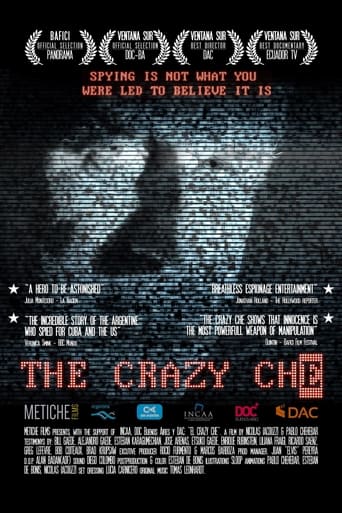
The incredible story of Bill Gaede, an Argentinian engineer, programmer… and Cold War spy.
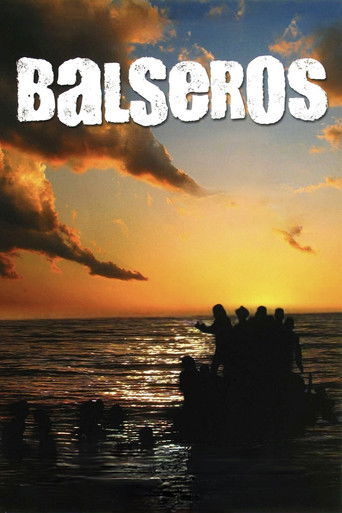
In the summer of 1994, a team of public television reporters filmed and interviewed seven Cubans a few days before their risky venture of setting out to sea in homemade rafts to reach the coast of the United States. Six made it far enough to be picked up at sea by the U.S. Coast Guard. When these balseros (rafters) were finally allowed to go to the United States, the film crew went with them to a string of several cities. Seven years later, the film crew visits them again, to discover that their destiny has been in the United States. Theirs is a true story about some of the authentic survivors of our times, the human adventure of people who are shipwrecked between two worlds.
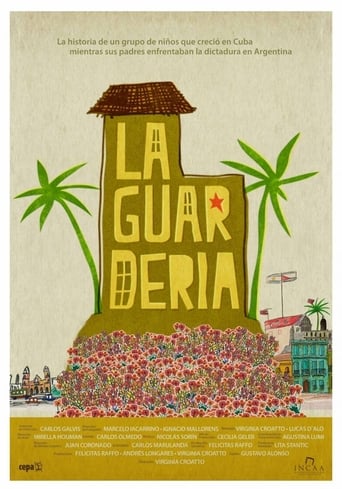
There was a time in Argentina, not so long ago, when the army wasn't only one, official, but many and made up by civilians. In those times of courageous youths determined to fight to the death for that cause upheld around Peronism as wll as some left-wing postulates, revolutionary Cubas was a beacon of hope in the world scheme -a Montonero nation. "A House in Cuba" seeks to recover the curious adventure of a couple of Montonero parents and their small children, who were lovingly sent into exile in order for their parents to take up arms.
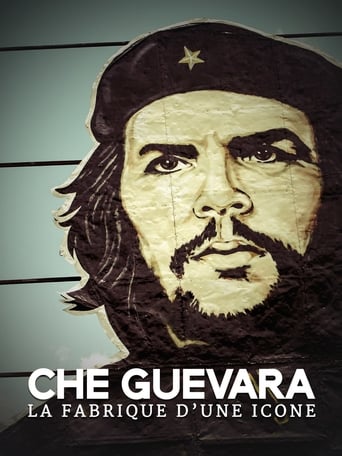
How does a politician – assassinated more than 50 years ago – gradually become a public figure? An extremely vibrant image which shows up where you least expect it. It served as figurehead for the Arab Spring revolutions, from Rabat to Sanaa, whereas we had thought it had been relegated to t-shirts and cigarette lighters. Why has this image become so universal that we are no longer surprised to find it in drawings, graffiti, tattoos and prints on all types of media in all sorts of contexts the world over? How can this image be used to advertise luxury automobiles and also be brandished angrily by indignant agitators? What is the formula that made this figure go viral? This documentary is a journey to investigate and decode a piece of iconography.
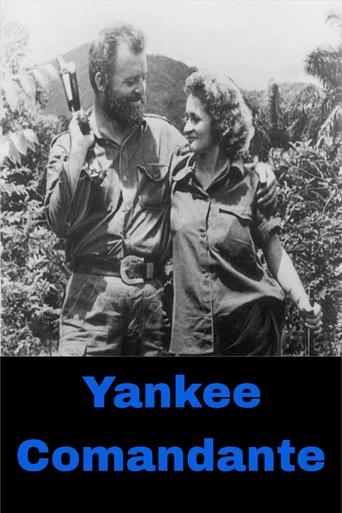
Two people rose to the rank of comandante during the Cuban Revolution. One was Che Guevara. The other was a man from Ohio.

The life of Michèle Firk — a trailblazing French journalist, film critic, aspiring director and communist activist involved in various liberation struggles in the second half of the 20th century — as told by narrator Alice Diop, modern day French director.
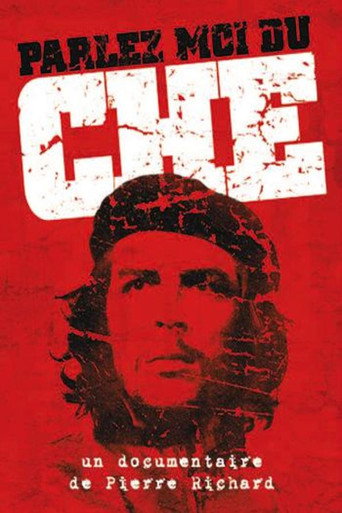
Twenty years after Che’s death, in 1987, Pierre Richard and his journalist friend Jean Cormier set out to follow in his footsteps in Cuba. Through a series of encounters, their journey brings the revolutionary guerrilla back to life through numerous firsthand accounts.
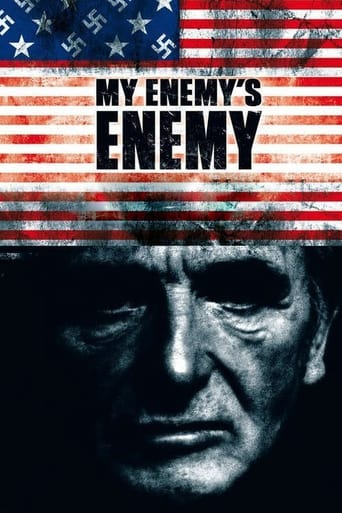
Reveals an alternate history of the post-war world. This is a version of history where, in contrast to what we are all told, fascist ideology prevailed. The story of Klaus Barbie, Nazi torturer, American spy, tool of repressive right-wing regimes, is symbolic of the real relationship that the "Western" governments had with fascism and makes us see the world as it is today - and the politicians that inhabit it - in a different way.
This film was shot in Cuba in 1994. The opportunity came when Russel Porter, an Australian documentary filmmaker, was invited to teach at the international film and television school (EICTV) located some forty kilometers from Havana. He took the opportunity to make a film about life in Cuba today. He examines how people are surviving the hardships caused initially by the "blockade" imposed by the USA over 30 years ago and increased by the more recent loss of trade with the countries of Eastern Europe. The goal was to faithfully and objectively portray the current atmosphere and character of this "little island in the Caribbean." Apart from Russel and producer Denise Patience, the film crew was Cuban: cinematographer Alejandro Perez, sound recordist Lenin de los Reyes, production manager Elaine Santos, and local liaison Alex Alday.

A documentary about Che Guevara, composed of numerous testimonies and published archived images, all compiled to answer the question: "Who really was Che Guevara?'