Haymarket: The Bomb, the Anarchists, the Labor Struggle
2021-05-01 · 85 min · Not rated
The Chicago Haymarket tragedy, where a bomb thrown into the ranks of Police was followed by an eruption of panic and violence resulting in a trial and execution of presumably innocent workers' rights activists, is examined in this feature documentary film. Expert historians and professors present the history of the bomb, the anarchist movement of the 19th century, and the labor struggle of working people fighting for a shorter work day during the industrial might of America's Gilded Age.
Trailers are previews, not full movies.
No authorized playback source configured. Use the legal watch options below.
Production details
- Directors
- Adrian Prawica
- Production companies
- FILMADRIA
- Countries
- United States of America
- Status
- Released
Top Cast
Title information and images are supplied by TMDb. Explore our discovery guide for advice on comparing metadata and legal viewing options.
Where to watch
Availability provided by JustWatch via TMDb. Offers can change. Provider links are listed on TMDb; full playback requires a separately authorized source.
Seasons & episodes
Recommendations
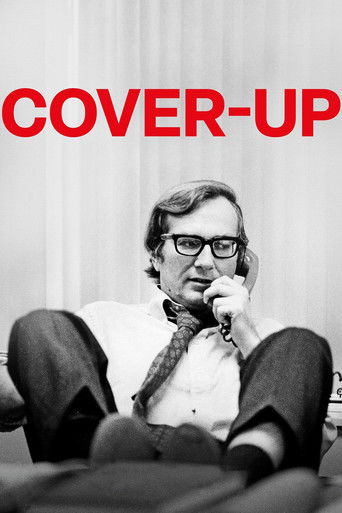
He's devoted his career to uncovering stories the powerful want buried. From My Lai to Abu Ghraib, dig into the life's work of journalist Seymour Hersh.
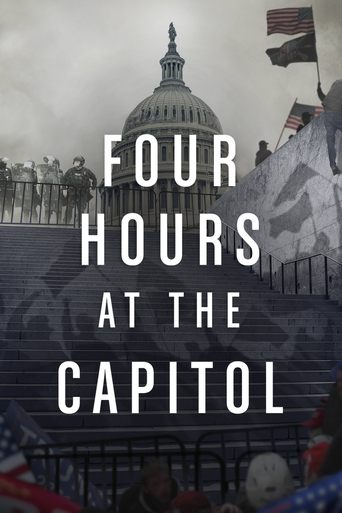
The documentary is an immersive chronicle of the insurrection at the U.S. Capitol on January 6, 2021, when thousands of American citizens from across the country gathered in Washington D.C. to protest the results of the 2020 presidential election, many with the intent of disrupting the certification of Joe Biden's presidency.

A documentary on the expletive's origin, why it offends some people so deeply, and what can be gained from its use.
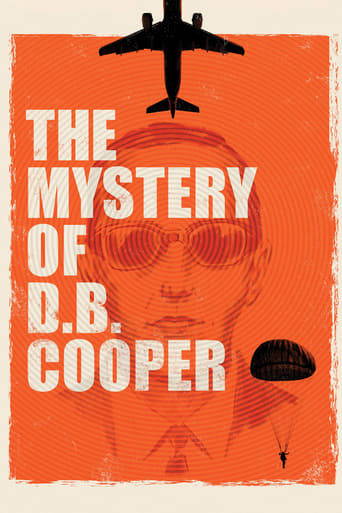
This documentary brings to life the stories of four people believed by their family and friends to be “DB Cooper,” a man who hijacked a 727 flying out of Seattle and jumped from the plane over the wilds of Washington State with a parachute and $200,000, never to be heard from again.

A documentary highlighting the Soviet Union's legendary and enigmatic hockey training culture and world-dominating team through the eyes of the team's Captain Slava Fetisov, following his shift from hockey star and celebrated national hero to political enemy.

Set both in Latin America and the United States, the film explores the historic and current relationship of Washington with countries such as Venezuela, Bolivia and Chile. Pilger says that the film "...tells a universal story... analysing and revealing, through vivid testimony, the story of great power behind its venerable myths. It allows us to understand the true nature of the so-called "war on terror". According to Pilger, the film’s message is that the greed and power of empire is not invincible and that people power is always the "seed beneath the snow".
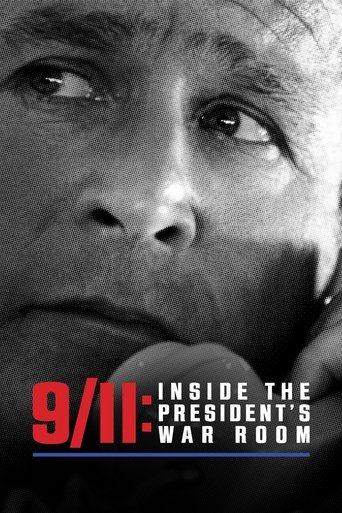
Experience the events of September 11, 2001 through the eyes of President Bush and his closest advisors as they personally detail the crucial hours and key decisions from that historic day.

Through deeply personal interviews with her siblings and an examination of the photographs, letters, and belongings left behind, Mariska assembles a new portrait of her mother Jayne Mansfield, an extraordinary and complex woman.

Cameramen and women discuss the craft and art of cinematography and of the "DP" (the director of photography), illustrating their points with clips from 100 films, from Birth of a Nation to Do the Right Thing. Themes: the DP tells people where to look; changes in movies (the arrival of sound, color, and wide screens) required creative responses from DPs; and, these artisans constantly invent new equipment and try new things, with wonderful results. The narration takes us through the identifiable studio styles of the 30s, the emergence of noir, the New York look, and the impact of Europeans. Citizen Kane, The Conformist, and Gordon Willis get special attention.

A visual montage portrait of our contemporary world dominated by globalized technology and violence.
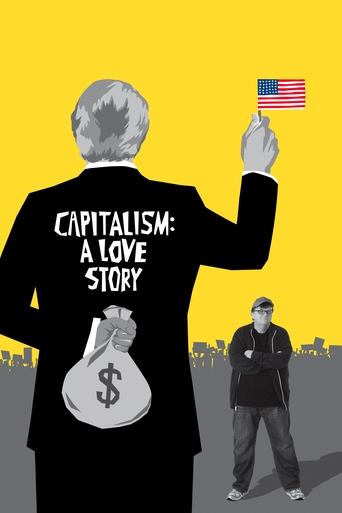
Michael Moore comes home to the issue he's been examining throughout his career: the disastrous impact of corporate dominance on the everyday lives of Americans (and by default, the rest of the world).

Oliver Stone charts the history of the United States from the Second World War to the present.
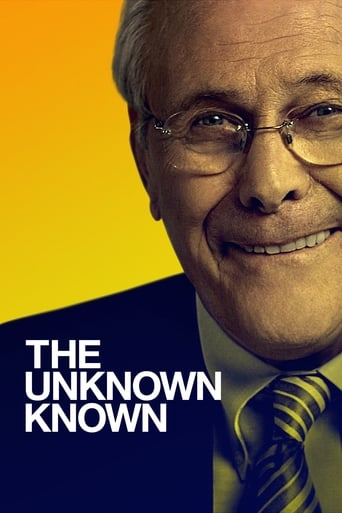
Former United States Secretary of Defense Donald Rumsfeld discusses his career in Washington D.C. from his days as a congressman in the early 1960s to planning the invasion of Iraq in 2003.

From the heights of her modeling fame to her tragic death, this documentary reveals Anna Nicole Smith through the eyes of the people closest to her.
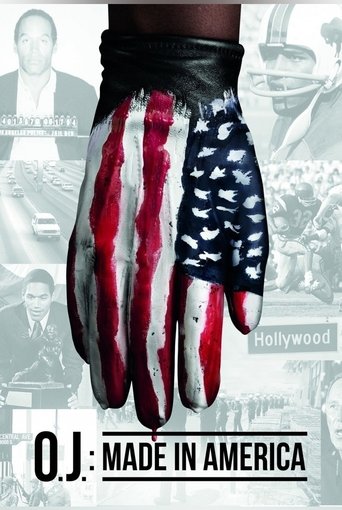
A chronicle of the rise and fall of O.J. Simpson, whose high-profile murder trial exposed the extent of American racial tensions, revealing a fractured and divided nation.
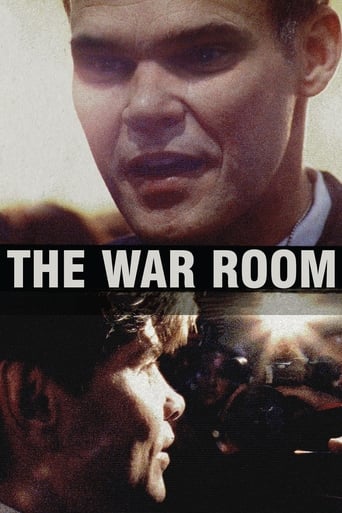
A behind-the-scenes documentary about the Clinton for President campaign, focusing on the adventures of spin doctors James Carville and George Stephanopoulos.

In an intimate and joyful story of love in the face of loss, celebrated poets Andrea Gibson and Megan Falley find strength—and unexpected hilarity—in what might be their final year together.

Twenty-five years after the verdict in the Rodney King trial sparked several days of protests, violence and looting in Los Angeles, LA 92 immerses viewers in that tumultuous period through stunning and rarely seen archival footage.
Documentary about the art of film editing. Clips are shown from many groundbreaking films with innovative editing styles.
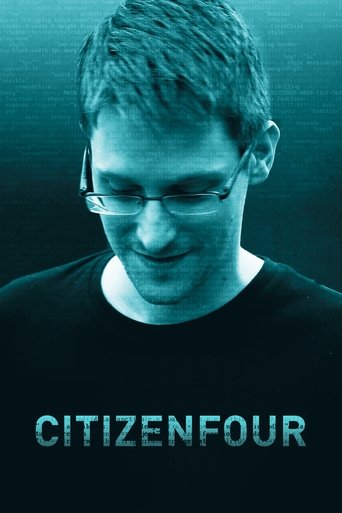
In June 2013, Laura Poitras and reporter Glenn Greenwald flew to Hong Kong for the first of many meetings with Edward Snowden. She brought her camera with her.
Similar titles
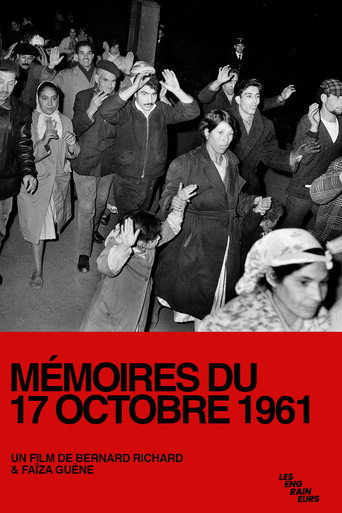
Three demonstrators from October 17, 1961, and a journalist recount the peaceful success of the demonstration and its brutal repression in the streets of Paris. Five months before the end of the Algerian War, the Gaullist government violently suppressed (40 to 300 deaths in a single evening, according to various sources) a peaceful demonstration by the entire Algerian civilian population of the Paris region, protesting the curfew imposed solely on this population (all participants held French citizenship). The government long denied this state crime; the official version: 3 deaths! In 1962, these events were granted amnesty by a simple decree (later enacted into law) issued by the same Gaullist government.
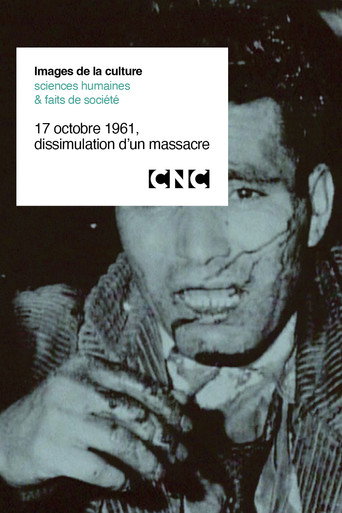
On October 17 and 18, 1961, during a non-violent demonstration against the imposed curfew, dozens of Algerians were murdered in Paris by police officers acting on orders from their superiors. For forty years, this crime has been concealed; yet these events, the deadliest on French soil since the Second World War, resemble, in some respects, the darkest hours of the collaboration. Why has this history been hidden? Under what conditions, and in the name of what reasons, did officials of a democratic state conceal the scale and gravity of such events?

Wisconsin's tribe's ongoing fight to protect Lake Superior for future generations. "Bad River" shows the Bad River Band of Lake Superior Chippewa's long history of activism and resistance in the context of continuing legal battles with Enbridge Energy over its Line 5 oil pipeline. The Line 5 pipeline has been operating on 12 miles of the Bad River Band's land with expired easements for more than a decade. The Band and the Canadian company have been locked in a legal battle over the pipeline since 2019.
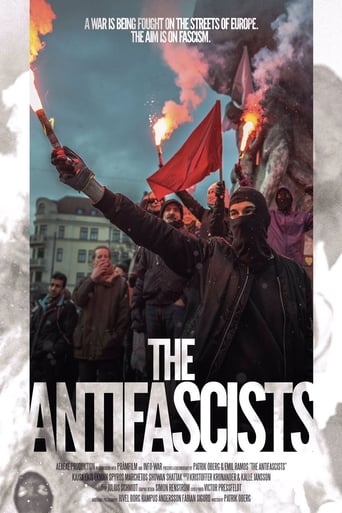
A low-intensity war is being fought on the streets of Europe and the aim is on fascism. This critically acclaimed documentary takes us behind the masks of the militants called antifascists. In 2013 a group of armed nazis attacks a peaceful demonstration in Stockholm where several people are injured. In Greece the neo-nazi party Golden Dawn becomes the third largest in the election and in Malmö the activist Showan Shattak and his friends are attacked by a group of nazis with knives and he ends up in a coma. In this portrait of the antifascists in Greece and Sweden we get to meet key figures that explain their view on their radical politics but also to question the level their own violence and militancy.
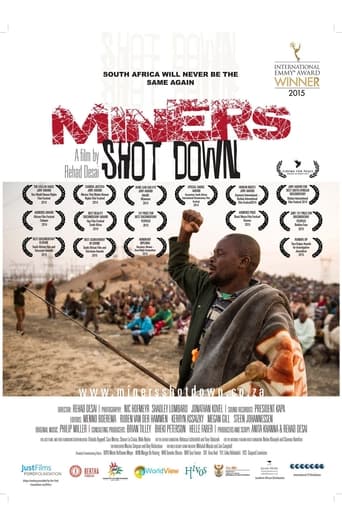
In August 2012, mineworkers in one of South Africa’s biggest platinum mines began a wildcat strike for better wages. Six days later the police used live ammunition to brutally suppress the strike, killing 34 and injuring many more. Using the point of view of the Marikana miners, Miners Shot Down follows the strike from day one, showing the courageous but isolated fight waged by a group of low-paid workers against the combined forces of the mining company Lonmin, the ANC government and their allies in the National Union of Mineworkers.
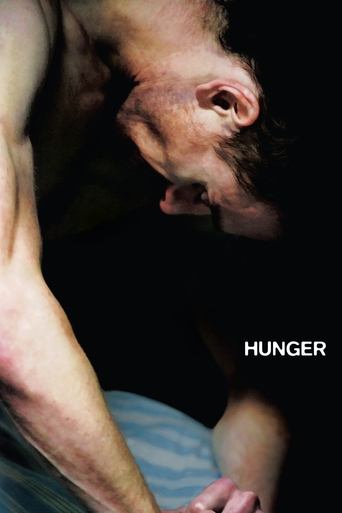
The story of Bobby Sands, the IRA member who led the 1981 hunger strike during The Troubles in which Irish Republican prisoners tried to win political status.
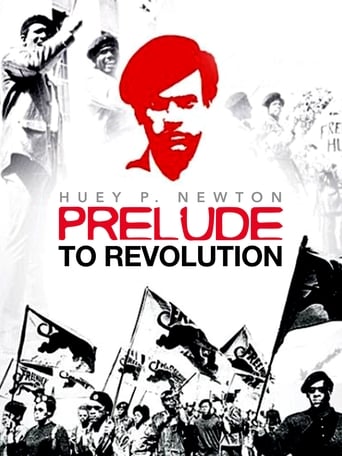
Hear the inside story of Huey Newton and the Black Panthers with this documentary that examines their efforts to promote the rights of African Americans as well as the organization's violent tactics, including the killing of a police officer. The film features a rare jailhouse interview with Newton discussing the role of revolution and civil disobedience, plus footage of several Panthers' bullet-riddled homes following police raids.
Sami reindeer herders win a Supreme Court victory against Europe’s largest wind farm - but when the state refuses to act, their fight reveals a deeper crisis of justice and trust.
A documentary about the police tactics during the G-8 summit in Genoa in 2002 which lead to the death of one person and left many people wounded.
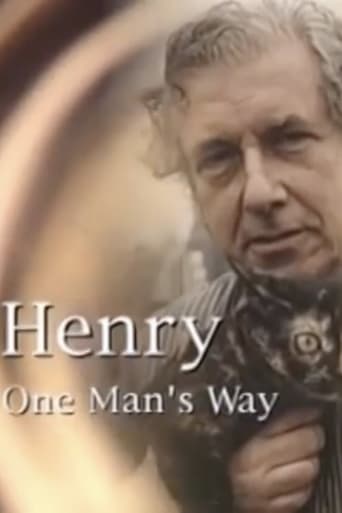
One Man's Way is a 1996 documentary in which Peter Singer documents the efforts and philosophies of animal rights activist Henry Spira, who is often remembered as the most effective animal activist of the 20th century. Henry Spira is most notably known for his tireless efforts to expose the the cruel animal experimentation that goes on behind doors, especially in the cosmetic industry.
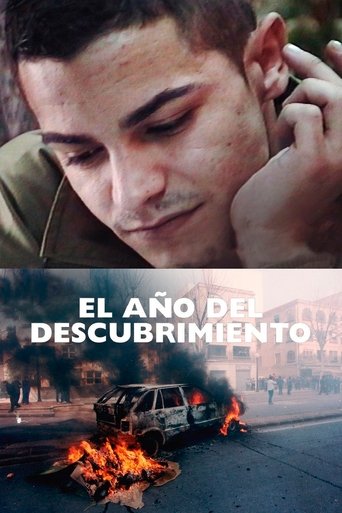
In 1992 – 500 years after the beginning of Spain's global empire with the discovery of America – Spain proudly presented itself to the international community as a modern, developed, dynamic country through the Olympic Games in Barcelona and the Expo in Seville. But for filmmaker Luis López Carrasco (1981, Murcia), 1992 was also the year in which the regional parliament building in Cartagena was razed during furious protests against the threatened closure of various local industries. El año del descubrimiento revives this almost forgotten history in a typical Spanish bar in Cartagena, where different generations come together to drink, eat, smoke and talk. Stories from witnesses, demonstrators and strikers from back then and discussions among younger café visitors on themes such as class consciousness, the economic crisis and the role of unions percolate to the surface amidst talk of other life issues.
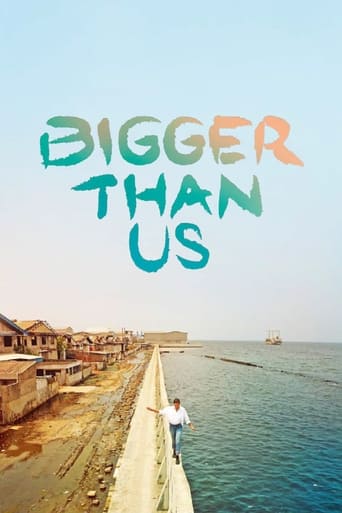
For six years, Melati, 18, has been fighting the plastic pollution that is ravaging her country, Indonesia. Like her, a generation is rising up to fix the world. Everywhere, teenagers and young adults are fighting for human rights, the climate, freedom of expression, social justice, access to education or food. Dignity. Alone against all odds, sometimes risking their lives and safety, they protect, denounce and care for others. The earth. And they change everything. Melati goes to meet them across the globe. At a time when everything seems to be or has been falling apart, these young people show us how to live. And what it means to be in the world today.
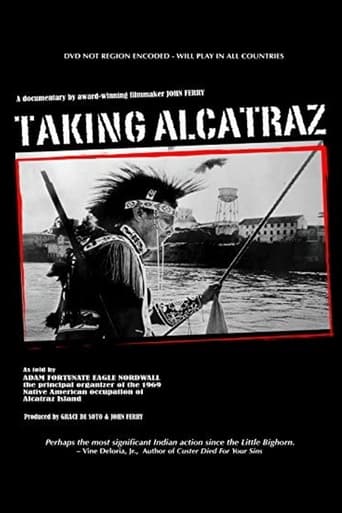
A documentary account by award-winning filmmaker John Ferry of the events that led up to the 1969 Native American occupation of Alcatraz Island as told by principal organizer, Adam Fortunate Eagle. The story unfolds through Fortunate Eagle's remembrances, archival newsreel footage and photographs.
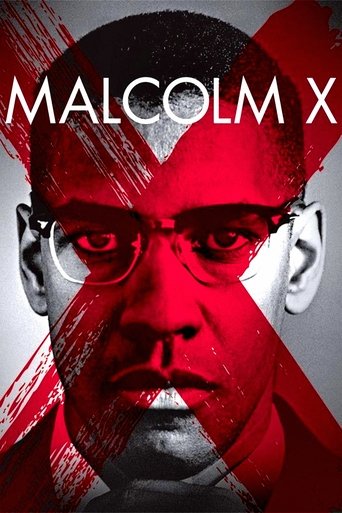
A tribute to the controversial black activist and leader of the struggle for black liberation. He hit bottom during his imprisonment in the '50s, he became a Black Muslim and then a leader in the Nation of Islam. His assassination in 1965 left a legacy of self-determination and racial pride.
1989, New York City's Alphabet City and East Village. A year after the Tompkins Square Park Riot, squatters and their community allies try to stop the demolition of their building after an arson. Police forces occupy the neighborhood while the demolition continues. A portrait of an East Village that is no more. An homage to the voices and sounds of a neighborhood before its gentrification.
The Delano Manongs tells the story of farm labor organizer Larry Itliong and a group of Filipino farm workers who instigated one of the American farm labor movement’s finest hours – The Delano Grape Strike of 1965 that brought about the creation of the United Farm Workers Union (UFW). While the movement is known for Cesar Chavez’s leadership and considered a Chicano movement, Filipinos played a pivotal role. Filipino labor organizer, Larry Itliong, a cigar-chomping union veteran, organized a group of 1500 Filipinos to strike against the grape growers of Delano, California, beginning a collaboration between Filipinos, Chicanos and other ethnic workers that would go on for years.
A documentary about a case of police brutality in the 80's NYC, the killing of graffiti artist Michael Stewart