

Algeria 1943: A Colony Under Vichy Control
2022-01-11 · 53 min · ★ 7.5
World War II, June 1940. France has fallen and suffers the relentless boot of Nazi Germany. But Algeria, the prized French colony in North Africa, remains part of the territory controlled by the Vichy regime of Marshal Pétain. A strict colonial order is maintained: the French of European origin rule, while local Jews are stripped of French citizenship and discrimination against the mainly Muslim population increases.
Trailers are previews, not full movies.
No authorized playback source configured. Use the legal watch options below.
Production details
- Directors
- Stéphane Benhamou
- Production companies
- ARTE, Siècle Productions
- Countries
- France
- Status
- Released
Top Cast
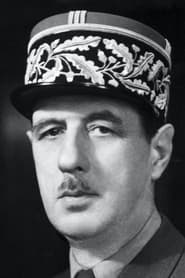 Charles de GaulleSelf (archive footages)
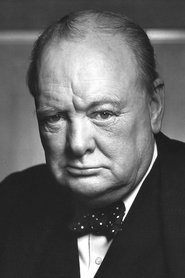 Winston ChurchillSelf (archive footages)
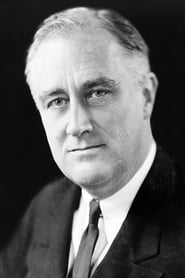 Franklin D. RooseveltSelf
 François DarlanSelf
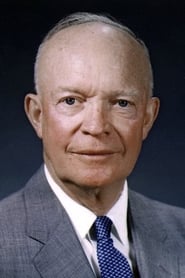 Dwight D. EisenhowerSelf (archive footages)
 Henri GiraudSelf (archive footages)
 Benjamin StoraSelf
Title information and images are supplied by TMDb. Explore our discovery guide for advice on comparing metadata and legal viewing options.
Where to watch
Availability provided by JustWatch via TMDb. Offers can change. Provider links are listed on TMDb; full playback requires a separately authorized source.
Availability not listed for this country.
Seasons & episodes
Recommendations

Director Claude Lanzmann spent 11 years on this sprawling documentary about the Holocaust, conducting his own interviews and refusing to use a single frame of archival footage. Dividing Holocaust witnesses into three categories – survivors, bystanders, and perpetrators – Lanzmann presents testimonies from survivors of the Chelmno concentration camp, an Auschwitz escapee, and witnesses of the Warsaw Ghetto Uprising, as well as a chilling report of gas chambers from an SS officer at Treblinka.

Marcel Ophuls' riveting film details the heinous legacy of the Gestapo head dubbed "The Butcher of Lyon." Responsible for over 4,000 deaths in occupied France during World War II, Barbie would escape—with U.S. help—to South America in 1951, where he lived until a global manhunt led to his 1983 arrest and subsequent trial.

“The Soviet Story” is a story of an Allied power, which helped the Nazis to fight Jews and which slaughtered its own people on an industrial scale. Assisted by the West, this power triumphed on May 9th, 1945. Its crimes were made taboo, and the complete story of Europe’s most murderous regime has never been told. Until now...
Filmmaker Alain Resnais documents the atrocities behind the walls of Hitler's concentration camps.
In 1936, Victor H. Green (1892-1960) published The Negro Motorist Green Book, a book that was both a travel guide and a survival manual, to help African-Americans navigate safe those regions of the United States where segregation and Jim Crow laws were disgracefully applied.

Prelude to War was the first film of Frank Capra's Why We Fight propaganda film series, commissioned by the Pentagon and George C. Marshall. It was made to convince American troops of the necessity of combating the Axis Powers during World War II. This film examines the differences between democratic and fascist states.

When Sgt. First Class Brian Eisch is critically wounded in Afghanistan, it sets him and his sons on a journey of love, loss, redemption and legacy.
Jazz and decolonization are intertwined in a powerful narrative that recounts one of the tensest episodes of the Cold War.

Produced and presented as evidence at the Nuremberg war crimes trial of Hermann Göring and twenty other Nazi leaders, this film consists primarily of dead and surviving prisoners and of facilities used to kill and torture during the World War II.

A documentary about World War I with never-before-seen footage to commemorate the centennial of Armistice Day, and the end of the war.

This documentary movie is about the battle of San Pietro, a small village in Italy. Over 1,100 US soldiers were killed while trying to take this location, that blocked the way for the Allied forces from the Germans. Preserved by the Academy Film Archive in 2005.

The history of cinematic sound, told by legendary sound designers and visionary filmmakers.
Oskar Gröning, known as the "Accountant of Auschwitz," was charged with the murder of 300,000 Jews. When he took the stand in 2015, at the age of 94, his trial made headlines worldwide.
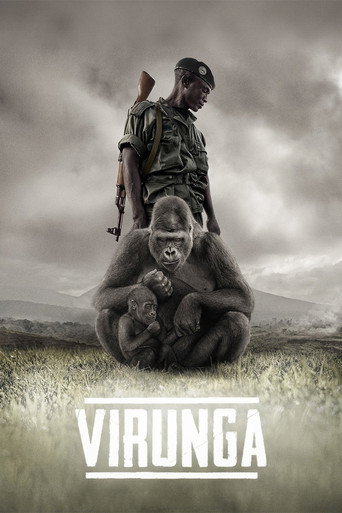
Virunga in the Democratic Republic of the Congo is Africa's oldest national park, a UNESCO world heritage site, and a contested ground among insurgencies seeking to topple the government that see untold profits in the land. Among this ongoing power struggle, Virunga also happens to be the last natural habitat for the critically endangered mountain gorilla. The only thing standing in the way of the forces closing in around the gorillas: a handful of passionate park rangers and journalists fighting to secure the park's borders and expose the corruption of its enemies. Filled with shocking footage, and anchored by the surprisingly deep and gentle characters of the gorillas themselves, Virunga is a galvanizing call to action around an ongoing political and environmental crisis in the Congo.
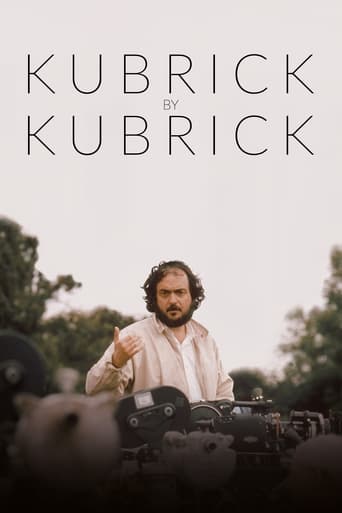
American filmmaker Stanley Kubrick (1928–1999), one of the greatest in history, but also one of the most reserved, gave few interviews throughout his long career, and none of them were filmed. A first-person journey through his life and work, based on a recorded conversation with French film critic Michel Climent.
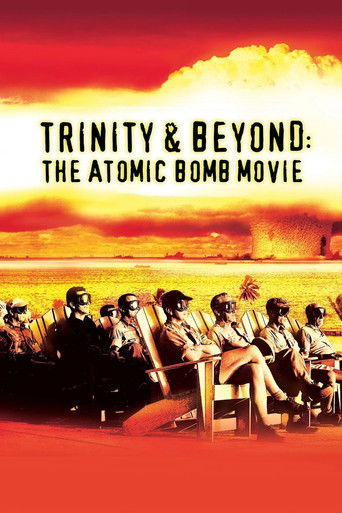
"Trinity and Beyond" is an unsettling yet visually fascinating documentary presenting the history of nuclear weapons development and testing between 1945-1963. Narrated by William Shatner and featuring an original score performed by the Moscow Symphony Orchestra, this award-winning documentary reveals previously unreleased and classified government footage from several countries.

The epic life story of Alice Guy-Blaché (1873–1968), a French screenwriter, director and producer, true pioneer of cinema, the first person who made a narrative fiction film; author of hundreds of movies, but banished from history books. Ignored and forgotten. At last remembered.
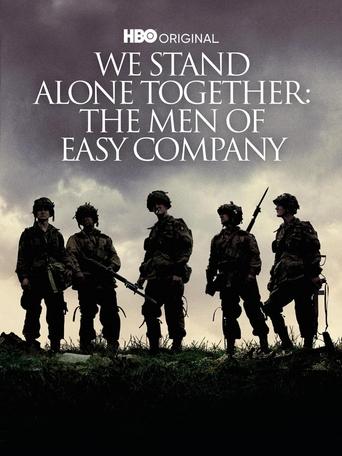
Over a period of two years, Mark Cowen and his crew travelled to thirty U.S. states and ten European cities, to interview the veterans of Easy Company. The stories told by the veterans themselves, create a history of the Second World War from the point of view of this heroic company of men, made famous in the mini-series Band of Brothers.
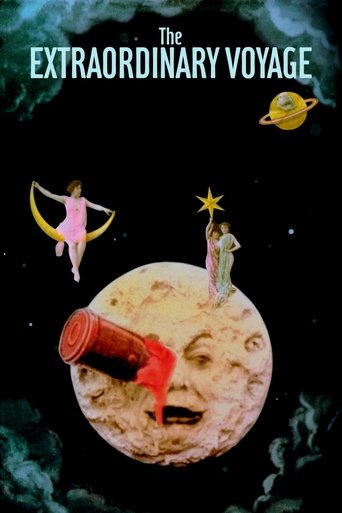
An account of the extraordinary life of film pioneer Georges Méliès (1861-1938) and the amazing story of the copy in color of his masterpiece A Trip to the Moon (1902), unexpectedly found in Spain and restored thanks to the heroic efforts of a group of true cinema lovers.

A behind-the-scenes documentary about the Clinton for President campaign, focusing on the adventures of spin doctors James Carville and George Stephanopoulos.
Similar titles
American sailor Charlie Madison falls for a pretty Englishwoman while trying to avoid a senseless and dangerous D-Day mission concocted by a deranged admiral.
A German intelligence officer investigates a prostitute's killing in Warsaw during World War II. He lands on three major Nazi generals as suspects, two of whom are also involved in a plot to kill Adolf Hitler.
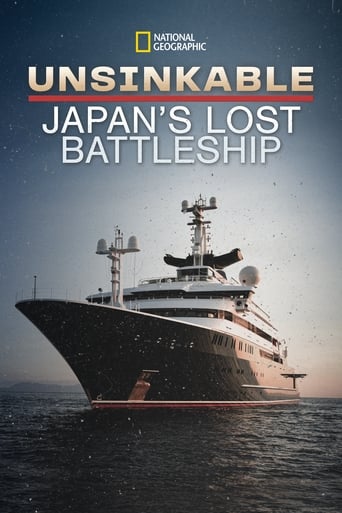
October 24, 1944, the world’s greatest battle at sea begins in the Philippines. Japan’s navy gambles on a decisive victory against the United States to turn the tide of World War II. Instead, Musashi, its top-secret super battleship, ends up at the bottom of the ocean.

Further east of the Dark Blue Sky, where the Heavenly Horsemen fought, the story of a Czechoslovakian fighter squadron takes place, to which Second Lieutenant Jandak arrives as a rookie. He then experiences both his first love and a battle high above the clouds in the collective of combat pilots. Combat pilots on the Eastern Front thus experience similar stories to their Western colleagues, with the same goals and plans and the same slim prospects of survival in their daily life-and-death battles. Not surprisingly, they fought at a time when they had a common enemy, characterised by the Messerschmitt aircraft.
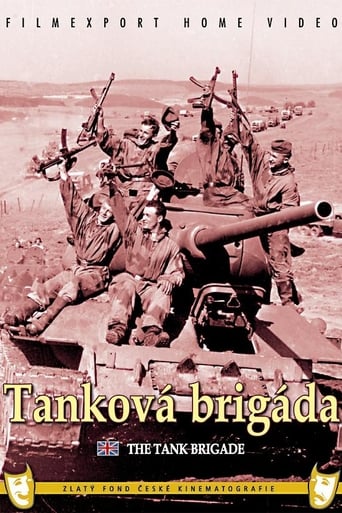
The fate of a tank crew on the most difficult part of the First Czechoslovak Independent Brigade's combat path during World War II. We also follow the fate of its commander, Sergeant Juraj Klimka. During the bloody battles for the Dukel Pass, he falls in love and it turns out that behind the mask of a sovereign, he is actually a shy and sensitive person.
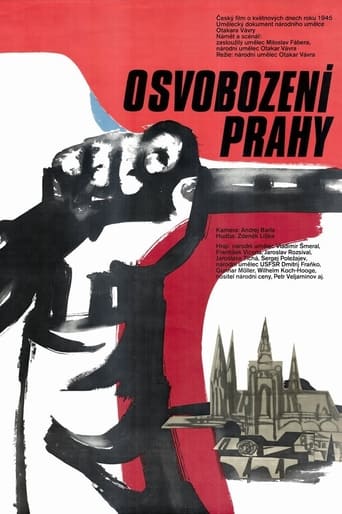
On 20th of April 1945 the Soviet army launches its attack on Berlin. The end has come for Nazi Germany and Hitler decides to commit suicide. In Prague K.H. Frank (Nazi Secretary of State and Chief of police in the Protectorate of Bohemia a Moravia) discusses with his commanders how to transform the city into an impregnable fortress, but the Praguers do not intend to wait any longer. From the early hours of 4th of May people start assembling in the streets and tearing down German signs. On the next day, the 5th of May, the uprising begins.
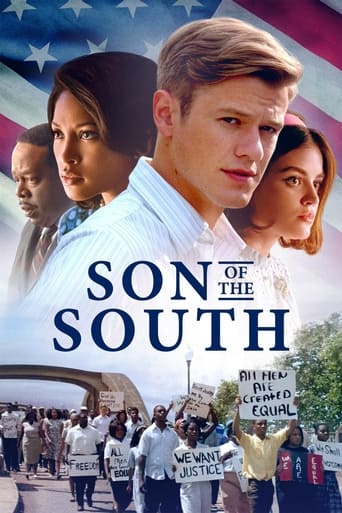
In civil rights era Montgomery, Alabama, Klansman's grandson Bob Zellner must choose which side of history to be on during the Movement. Defying his family and white Southern norms, he fought against social injustice, repression and violence to change the world around him
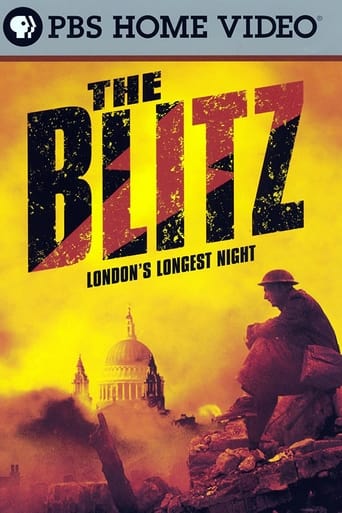
Details the German bombing of London the night of the 29th of December, in 1940.
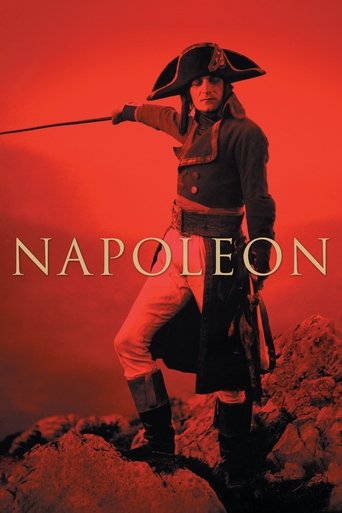
A biopic of former Emperor of France, Napoleon Bonaparte, tracing the Corsican's career from his schooldays (where a snowball fight is staged like a military campaign) to his flight from Corsica, through the French Revolution (where a real storm is intercut with a political storm) and the Terror, culminating in his triumphant 1797 invasion of Italy.
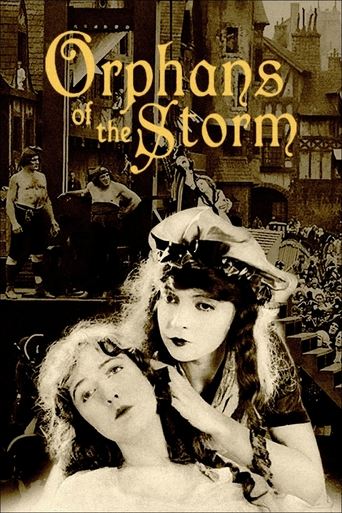
France, on the eve of the French Revolution. Henriette and Louise have been raised together as sisters. When the plague that takes their parents' lives causes Louise's blindness, they decide to travel to Paris in search of a cure, but they separate when a lustful aristocrat crosses their path.
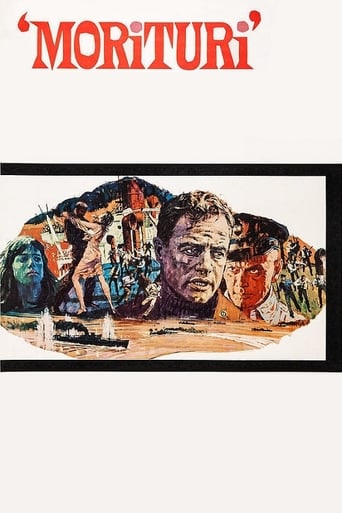
A German living in India during World War II is blackmailed by the English to impersonate an SS officer on board a cargo ship leaving Japan for Germany carrying a large supply of rubber for tyres. His mission is to disable the scuttling charges so the captain cannot sink the ship if they are stopped by English warships.
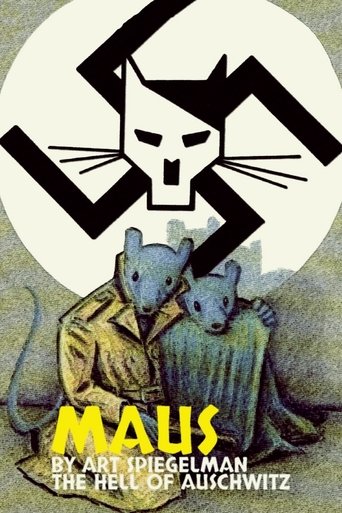
Art Spiegelman's graphic novel Maus (1980-91) was the first comic to address the Shoah in mainstream culture and is still considered a landmark in art history.

A documentary about America's knowledge of the Holocaust during the Second World War dares to ask, ""Could the Jews of Europe have been saved?"

A 15 minute documentary utilizing archival Super 8 film footage and original animation about a father fulfilling his dream of reconnecting his 5 small children to the steps of his own father when he fought for the Canadian military in WW2 through a trip to Europe in 1973.

Based on the story about Guy Gabaldon, a Los Angeles Hispanic boy raised in the 1930s by a Japanese-American foster family. After Pearl Harbor, his foster family is interned at the Manzanar camp for Japanese Americans, while he enlists in the Marines, where his ability to speak Japanese becomes a vital asset. During the Battle of Saipan, he convinces 800 Japanese to surrender after their general commits suicide.

The 1989 murder of Yusef Hawkins by white youths in the Bensonhurst section of New York City set off a racial and political fire storm. On the eve of the first verdicts in the murder case, writer Shelby Steele returns to talk to the participants and tries to unravel the forces that propelled this racial crisis.

Fighting men in World War II learn the value of courage and quickness at the risk of losing their lives.

To historians, physicist Lise Meitner deserves to be placed on a par with Einstein, Heisenberg and Otto Hahn. In the 1930s on the verge of World War II, she led a small group of scientists who discovered that splitting the atomic nucleus of uranium releases enormous energy. This extraordinary film tells the story of a woman who was far ahead of her time as a scientist and a pioneer of feminism.

American and Japanese soldiers, stranded on a tiny Pacific island during World War II, must make a temporary truce and cooperate to survive various tribulations. Told through the eyes of the American and Japanese unit commanders, who must deal with an atmosphere of growing distrust and tension between their men.