
Afghanistan : le tombeau de l'URSS
2019-11-23 · 53 min · Not rated
This is the story of a conflict that definitively changed the face of the world. From the Cold War to the attacks of September 11, 2001, from the Soviets to Al-Qaeda terrorists, from the Mujahideen resistance fighters to the Taliban, from the alliances of the past to those of today, ten years of world history are revisited through the lens of Afghanistan, from 1979 to 1989. A plunge into the heart of a tragedy that shaped the end of the 20th century and the beginning of the 21st . Ten years of war, suffering, and destruction in a unique international context marked by the collapse of the Soviet Union, the end of communism, and the emergence of the terrorist network that threatens the planet. It resonates strongly with the present.
Trailers are previews, not full movies.
No authorized playback source configured. Use the legal watch options below.
Production details
- Directors
- Nicolas Jallot
- Production companies
- Interscoop
- Countries
- France
- Status
- Released
Top Cast
Cast unavailable.
Title information and images are supplied by TMDb. Explore our discovery guide for advice on comparing metadata and legal viewing options.
Where to watch
Availability provided by JustWatch via TMDb. Offers can change. Provider links are listed on TMDb; full playback requires a separately authorized source.
Availability not listed for this country.
Seasons & episodes
Recommendations

In an intimate and joyful story of love in the face of loss, celebrated poets Andrea Gibson and Megan Falley find strength—and unexpected hilarity—in what might be their final year together.

Through deeply personal interviews with her siblings and an examination of the photographs, letters, and belongings left behind, Mariska assembles a new portrait of her mother Jayne Mansfield, an extraordinary and complex woman.
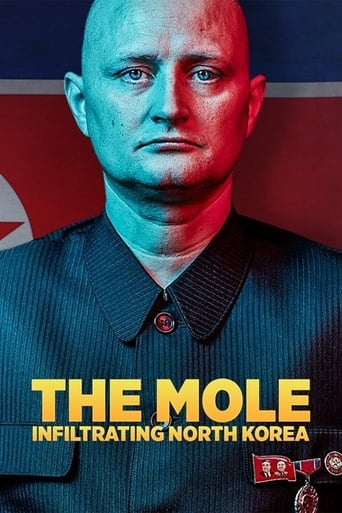
A real-life undercover thriller about two ordinary men who embark on an outrageously dangerous ten-year mission to penetrate the world's most secretive and brutal dictatorship: North Korea.
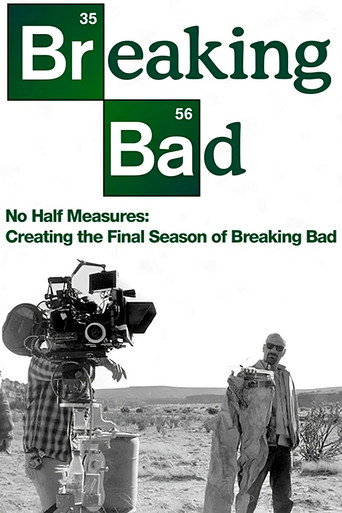
A documentary about the making of season five of the acclaimed AMC series Breaking Bad.
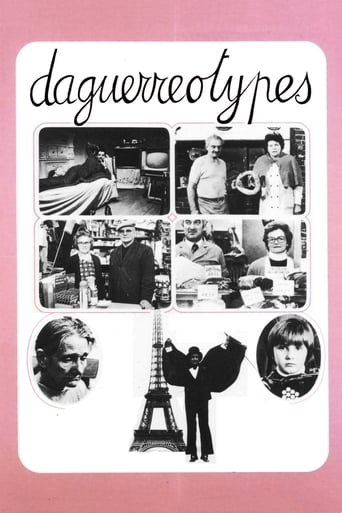
An intimate portrait of the small shops and shopkeepers of the Rue Daguerre in Paris, a picturesque street that has been the filmmaker’s home for more than 50 years.
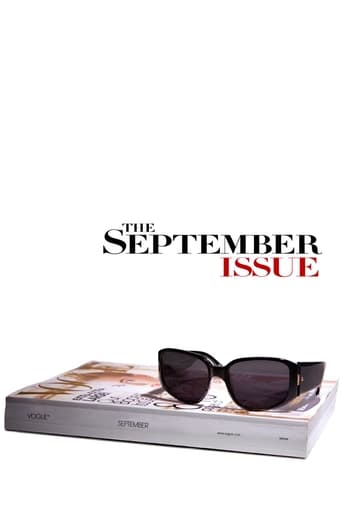
A documentary chronicling Vogue editor-in-chief Anna Wintour's preparations for the 2007 fall-fashion issue.

An inside look at one of the most anticipated movie sequels ever with James Cameron and cast.

A documentary about how a dominant cultural and demographic institution both sustains their traditional activities and adapts to the digital revolution.

Ranjit, a farmer in India, takes on the fight of his life when he demands justice for his 13-year-old daughter, the victim of a brutal gang rape. His decision to support his daughter is virtually unheard of, and his journey unprecedented.

A documentary about the life and films of director John Ford.

When Sgt. First Class Brian Eisch is critically wounded in Afghanistan, it sets him and his sons on a journey of love, loss, redemption and legacy.
Alex Gibney explores the charged issue of pedophilia in the Catholic Church, following a trail from the first known protest against clerical sexual abuse in the United States and all way to the Vatican.
A documentary on the life of John Lennon, with a focus on the time in his life when he transformed from a musician into an antiwar activist.

A string of threatening emails escalates into a revenge plot involving a newly married US marshal and his ex-girlfriend.
The Making-of James Cameron's Avatar. It shows interesting parts of the work on the set.
The film is based on interviews with 2,000 women from 50 countries, and covers the status of women all over the world. The topics covered include forced marriages, sexual assault, female genital mutilation, acid attacks, motherhood, sexuality, menstruation, education and the professional success of women.
A documentary examining the decade of the 1970s as a turning point in American cinema. Some of today's best filmmakers interview the influential directors of that time.
Brilliant, long in-the-works story of the life and art of the world's greatest comedian and the cinema's first genius, Charlie Chaplin. Produced, written and directed by renowned film critic Richard Schickel.

A visual montage portrait of our contemporary world dominated by globalized technology and violence.
A documentary about the Bibliothèque Nationale in Paris. It presents the building, with its processes of cataloguing and preserving all sorts of printed material, as both a monument of cultural memory and as a monstrous, alien being.
Similar titles
Directors Hetherington and Junger spend a year with the 2nd Battalion of the United States Army located in one of Afghanistan's most dangerous valleys. The documentary provides insight and empathy on how to win the battle through hard work, deadly gunfights and mutual friendships while the unit must push back the Taliban.
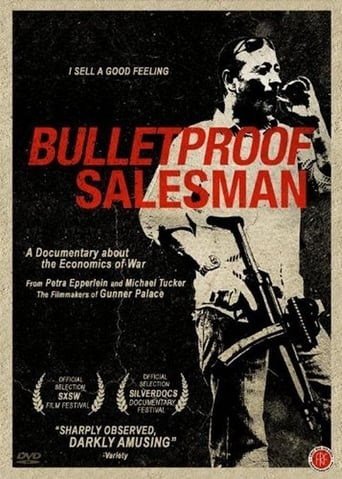
Fidelis Cloer is a self-confessed war profiteer who found The Perfect War when the US invaded Iraq. It wasn't about selling a dozen cars, or even a hundred, it was a thousand-car war where security would become the ultimate product.
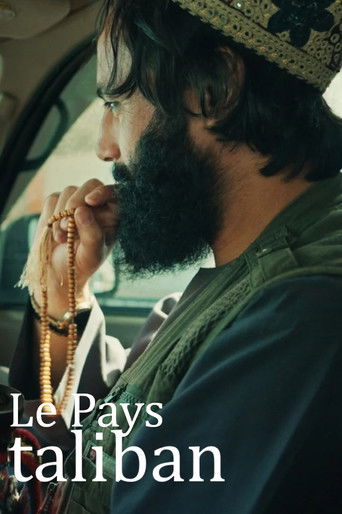
Almost five years after their return to power, a new era has dawned under the yoke of the Taliban, an inflexible fundamentalist regime. Under their rule, the former republic has disappeared, replaced by an ultra-rigid power structure closed off from the rest of the world and the foreign press. An "Islamic Emirate of Afghanistan", largely unrecognised, even by Islamic theocracies. After four shoots, mainly carried out outside the official framework, "The Taliban Country" offers a glimpse into the heart of this new Afghan reality. Through the eyes of the men and women facing these upheavals, the film paints a portrait of a paradoxical and radical system. It offers an in-depth look at the workings of a state characterised by extreme rigour, unparalleled in the contemporary world.

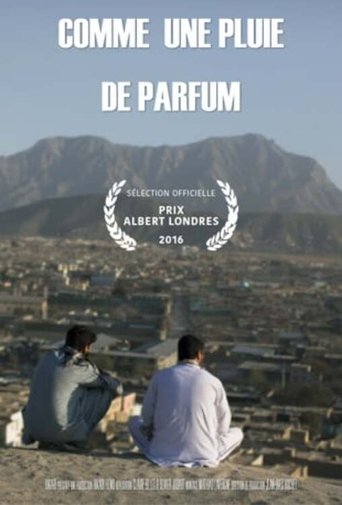
Five Afghan men try to reach Europe. The filmmakers followed them for over six months, filming their clandestine journey and chronicling a migration combining fantasy and stark reality, setbacks and achievements, in the midst of the dangers of such trips.
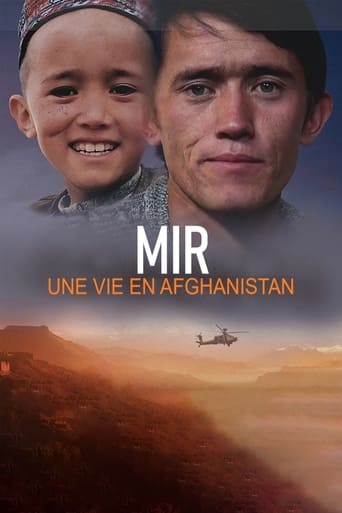
This film creates a real-life epic of boyhood and manhood that follows the same individual over 20 years, living in one of the most dangerous countries in the world. When we first meet Mir, he is a mischievous boy of seven living in a cave in central Afghanistan alongside the Buddhas of Bamiyan, two statues that were recently destroyed. For two decades, the film follows the adventures of his life, until, as an adult with a family of his own, he decides to pursue his own career as a news cameraman in Kabul. More than just a personal journey, My Childhood, My Country is an powerful examination of what has – and has not – been achieved in Afghanistan over the past 20 years.
Recounted mostly through animation to protect his identity, Amin looks back over his past as a child refugee from Afghanistan as he grapples with a secret he’s kept hidden for 20 years.
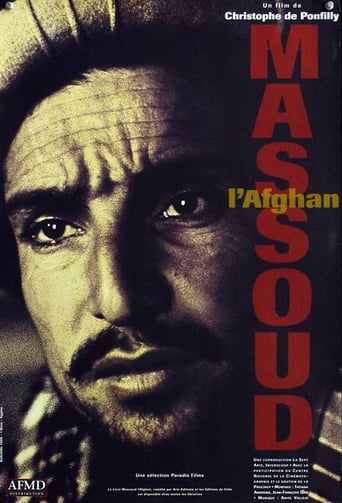
The friendship between Christophe de Ponfilly and Commander Massoud, a legendary figure of the Afghan resistance against the Soviet invader, goes back to the filmmaker's first film, "A Valley Against an Empire", made in 1981. Fifteen years later, weakened, isolated, betrayed by many of his own, the "Lion of Panshir" has not surrendered to his new and implacable enemies, the Taliban. While preparing his next offensive, he evokes his commitment and his fights, and bears witness to a history in which he has been one of the main actors for twenty years. At the same time, the director questions the role and power of the media, as well as his own approach as a filmmaker. Commander Massoud was killed in an attack in September 2001.
The four Afghan refugees who have applied for asylum in Austria strike up the song, “The caravan moves on” again and again. Encouraged by the journalist Lucy Ashton to record their lives on their smartphone cameras as a video diary, the friends film their precarious daily routine between visits to authorities, small jobs, and changing accommodations. Yet even when hope is lost, one certainty remains: the power of friendship.
Jung is a narrative documentary that follows the human and professional adventure of its protagonists, the Afghan people in the midst of civil war.
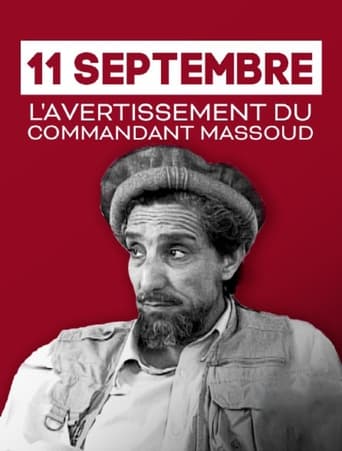
On September 9, 2001, Commander Massoud, a hero of the Afghan resistance, was assassinated by two members of al-Qaeda posing as journalists. Two days later, the terrorist organization struck the United States. However, a few months earlier, during a visit to France, Commander Massoud had come to warn the West about the disastrous plans of al-Qaeda and the rise of the Taliban. He asked the West to exert pressure on Pakistan, a country that supplied arms, supported and sheltered the Taliban, but which was also a major buyer of French arms. He was not listened to.

James Glancy, a filmmaker and former British Royal Marine commando who was decorated for his actions in combat, returns to Afghanistan with a small, handpicked team to help him answer the question that has haunted him for ten years. Was it worth it?
Documentary exploring the experience of Soviet soldiers during the Soviet war in Afghanistan.

What happens when you can no longer practice the profession that is part of your identity? You Can’t Stop the Music is a portrait from today’s Afghanistan, where life in the shadow of the Taliban can at times seem surreal. When the Taliban took over Afghanistan, Akbar Adeli was a music student at Kabul University. For conservative Afghans, music had been suspect even before the Taliban takeover, but it soon became a gamble with one’s life – especially since Akbar plays Western pop music.

Since the Taliban returned to power in August 2021, Afghanistan has drawn growing international attention for its enormous reserves of rare earths and strategic minerals essential to the global energy transition. The country is believed to hold more than €1 trillion in resources, including copper, lithium, cobalt, iron, uranium, chromite, mercury, and rare earth elements, as well as valuable gemstones and gold. Often described as the “Saudi Arabia of minerals,” Afghanistan has become the focus of a geopolitical race for supplies. While Europe and the United States remain hesitant to engage with a regime accused of serious human rights abuses, countries such as China, Russia, Turkey, Qatar, Pakistan, and India are already positioning themselves in Kabul to secure access to these critical resources.

Filmed by the first-ever team of women video journalists trained in Afghanistan, this uncompromising film reveals the effects of the Taliban's repressive rule and U.S.-sponsored bombing campaign on Afghan women.

"Afghan Cycles" is a feature documentary about a generation of Afghan women who are pedaling their own revolution, aggressively challenging gender and cultural barriers using the bicycle as a vehicle for freedom, empowerment and social change.
One of our biggest music stars Gary Barlow faces his toughest gig when he heads to the harsh terrain of Afghanistan to perform an exclusive concert for British troops.
Jawed Taiman takes a distinct look at Afghanistan and lets the Afghan people have their say. En route through the different provinces, through urban and rural regions, in discussion with intellectuals and simple folk, politicians and Taliban fighters a multifaceted picture emerges of a country that is often portrayed as incomprehensible.

In 2010, renowned Australian artists George Gittoes and Hellen Rose established the Yellow House in Jalalabad, Afghanistan - a sanctuary for artistic expression amidst conflict. This documentary chronicles their return to the Yellow House in 2024 under Taliban rule, aiming to demonstrate that "where war fails, art wins."