
Cold War Roadshow
2014-11-18 · 53 min · Not rated
Cold War Roadshow tells the story of one of the most bizarre episodes in the annals of modern history — the unprecedented barnstorming across America in the fall of 1959 by Soviet Premier Nikita Khrushchev, the world leader of communism and America’s arch nemesis. At the very height of the Cold War, with American schoolchildren practicing duck-and-cover drills, the man who Americans feared could incinerate them in a rain of hydrogen bombs arrived in Washington, D.C. at the invitation of President Eisenhower. For both men, the visit was an opportunity to halt the escalating threats of the Cold War and chart a new course toward peaceful coexistence. For the American press, it was the media blockbuster story of the year.
Trailers are previews, not full movies.
No authorized playback source configured. Use the legal watch options below.
Production details
- Directors
- Robert Stone, Tim Toidze
- Production companies
- ARTE, Point du Jour, Robert Stone Productions, Sundial Entertainment
- Countries
- United States of America
- Status
- Released
Top Cast
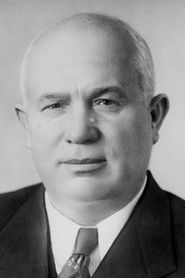 Nikita KhrushchevSelf (archive footage)
Title information and images are supplied by TMDb. Explore our discovery guide for advice on comparing metadata and legal viewing options.
Where to watch
Availability provided by JustWatch via TMDb. Offers can change. Provider links are listed on TMDb; full playback requires a separately authorized source.
Availability not listed for this country.
Seasons & episodes
Recommendations

Oliver Stone charts the history of the United States from the Second World War to the present.

The history of cinematic sound, told by legendary sound designers and visionary filmmakers.

A documentary highlighting the Soviet Union's legendary and enigmatic hockey training culture and world-dominating team through the eyes of the team's Captain Slava Fetisov, following his shift from hockey star and celebrated national hero to political enemy.

The life and career of an actor, artist, and icon. His own journey through his own camera.
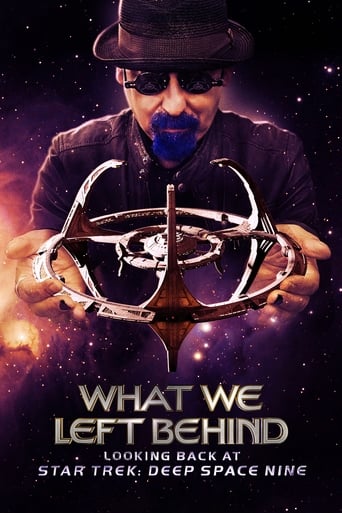
A documentary exploring the legacy of Star Trek: Deep Space Nine, the reasons it went from the black sheep of Star Trek to a beloved mainstay of the franchise, and a brainstorm with the original writers on what a theoretical eighth season of the show could look like.

A visual montage portrait of our contemporary world dominated by globalized technology and violence.

Prelude to War was the first film of Frank Capra's Why We Fight propaganda film series, commissioned by the Pentagon and George C. Marshall. It was made to convince American troops of the necessity of combating the Axis Powers during World War II. This film examines the differences between democratic and fascist states.

A documentary on the life of John Lennon, with a focus on the time in his life when he transformed from a musician into an antiwar activist.

Through deeply personal interviews with her siblings and an examination of the photographs, letters, and belongings left behind, Mariska assembles a new portrait of her mother Jayne Mansfield, an extraordinary and complex woman.
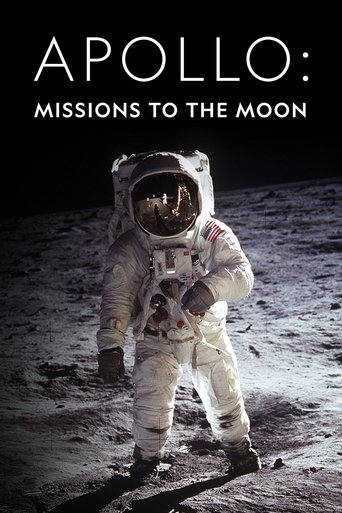
National Geographic's riveting effort recounts all 12 crewed missions using only archival footage, photos and audio.
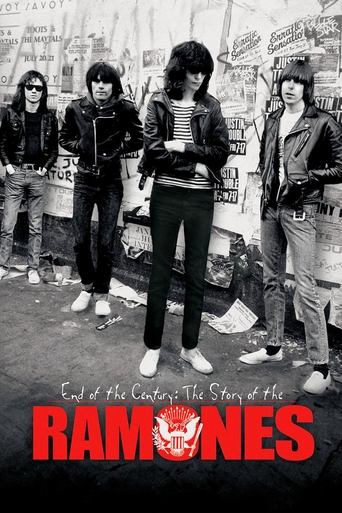
A years-in-the-making documentary on the legendary punk band the Ramones. Through a mixture of archival footage, archival and new interviews with all members of the band's various lineups, and new interviews with a number of their contemporaries, the film traces the peaks and valleys the band experienced over the course of its 20-plus year career before disbanding in 1995.

The film follows adventurer Jeff Johnson as he retraces the epic 1968 journey of his heroes Yvon Chouinard and Doug Tompkins to Patagonia.
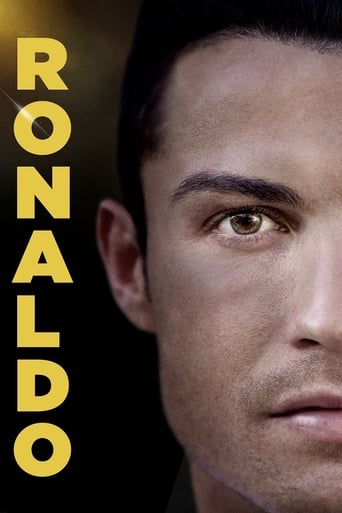
Filmed over 14 months with unprecedented access into the inner circle of the man and the sport, this is the first official and fully authorised film of one of the most celebrated figures in football. For the first time ever, the world gets vividly candid and un-paralleled, behind-closed-doors access to the footballer, father, family-man and friend in this moving & fascinating documentary. Through in-depth conversations, state of the art football footage and never before seen archival footage, the film gives an astonishing insight into the sporting and personal life of triple Ballon D'Or winner Cristiano Ronaldo at the peak of his career. From the makers of ‘Senna’ and ‘Amy’, Ronaldo takes audiences on an intimate and revealing journey of what it’s like to live as an iconic athlete in the eye of the storm.
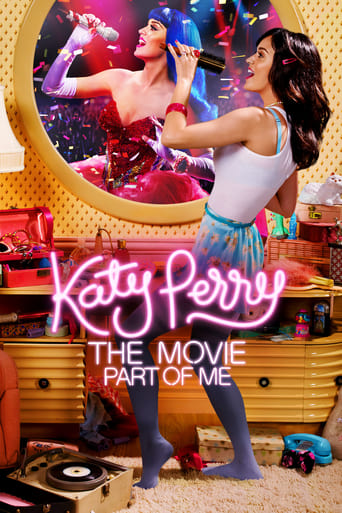
Giving fans unprecedented access to the real life of the music sensation, Katy Perry: Part of Me exposes the hard work, dedication and phenomenal talent of a girl who remained true to herself and her vision in order to achieve her dreams. Featuring rare behind-the-scenes interviews, personal moments between Katy and her friends, and all-access footage of rehearsals, choreography, Katy’s signature style and more, Katy Perry: Part of Me reveals the singer’s unwavering belief that if you can be yourself, then you can be anything.
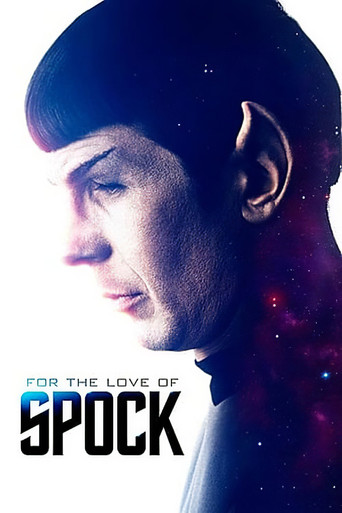
The life of Mr. Spock, as well as that of Leonard Nimoy, the actor who played him for almost fifty years, written and directed by his son: Adam.
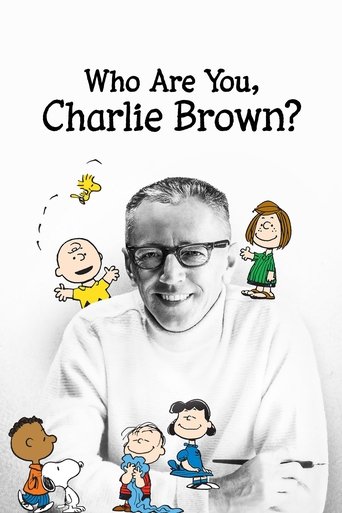
Lupita Nyong'o narrates a documentary about Peanuts and its creator, Charles M. Schulz. Famous fans—including Drew Barrymore, Kevin Smith, and Al Roker—share its influence on them, and a new animated story finds Charlie Brown on a quest.
Michael Moore comes home to the issue he's been examining throughout his career: the disastrous impact of corporate dominance on the everyday lives of Americans (and by default, the rest of the world).
A backstage and on-stage look at Justin Bieber during his rise to super stardom.
For the 20th anniversary of "Titanic," James Cameron reopens the file on the disaster.

A look at the origins, history and conspiracies behind the "Majestic 12", a clandestine group of military and corporate figureheads charged with reverse-engineering extraterrestrial technology.
Similar titles

Arguably one of the most fateful and resonant events of the last half millennium, the Pilgrims journey west across the Atlantic in the early 17th century is a seminal, if often misunderstood episode of American and world history. The Pilgrims explores the forces, circumstances, personalities and events that converged to exile the English group in Holland and eventually propel their crossing to the New World; a story universally familiar in broad outline, but almost entirely unfamiliar to a general audience in its rich and compelling historical actuality. Includes the real history of the "first thanksgiving".
On August 15th, 1914, the Panama Canal opened, connecting the world's two largest oceans and signaling America's emergence as a global superpower.
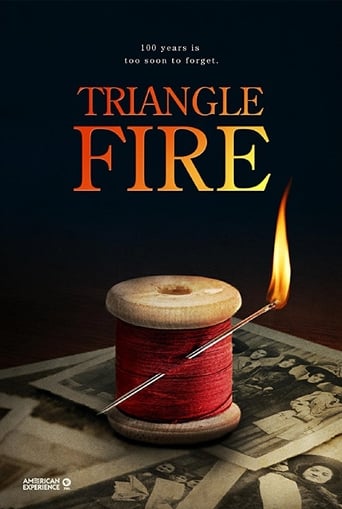
The Triangle Fire chronicles the 1911 fire at the Triangle Shirtwaist Factory in New York City killing one hundred and forty-eight young women and forever changed the relationship between labor and industry in the United States.
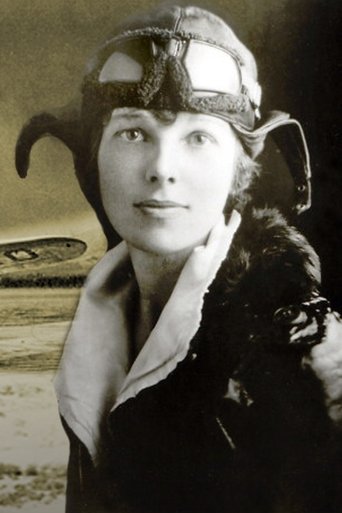
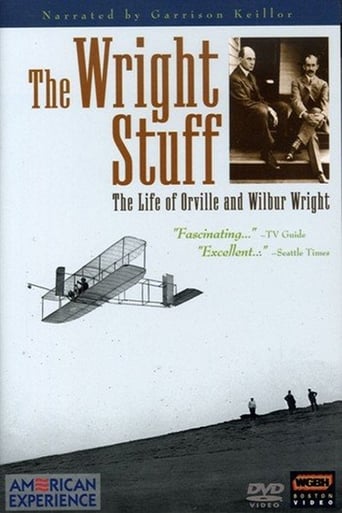
On August 8, 1908, at a racetrack outside Paris, Wilbur Wright executed what was, for him, a routine flight: a smooth take-off banking into a couple of tight circles, ending in a perfect landing. The flight took less than two minutes, but it left spectators awestruck. While the combined talents of Wilbur and Orville Wright had produced the first plane capable of controlled flight , their distrust of others had almost cost them the credit for their invention. Now, having proved to the public that they had mastered the sky, the reserved brothers from the small town of Dayton, Ohio, became world celebrities.
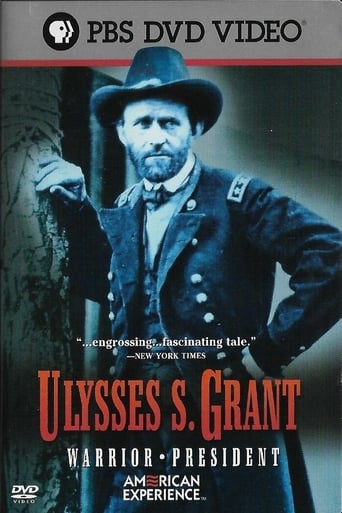
As a general, he had fought to preserve the Union. As president, he helped to oversee the transformation from union to nation. As a former president, he was the embodiment of the very idea of national union, and of America's entry onto the world stage. As a dying general, he was the symbol of the nation's greatest and most traumatic war. The story of Ulysses S. Grant's life, from his first days on the Ohio frontier to his last days out-writing death in the Adirondacks, is an endlessly fascinating one. Few public figures have ever held a such a firm grip on the American popular imagination. Grant was a man whose rise from obscurity made him a hero to millions who could see themselves in him. An ordinary man who faced and met extraordinary challenges, his successes and failures seemed to encapsulate the national character. He was so popular with the American public that, despite his two scandal-ridden terms as president, he was nearly nominated to run for a third term.
As a general, he had fought to preserve the Union. As president, he helped to oversee the transformation from union to nation. As a former president, he was the embodiment of the very idea of national union, and of America's entry onto the world stage. As a dying general, he was the symbol of the nation's greatest and most traumatic war. The story of Ulysses S. Grant's life, from his first days on the Ohio frontier to his last days out-writing death in the Adirondacks, is an endlessly fascinating one. Few public figures have ever held a such a firm grip on the American popular imagination. Grant was a man whose rise from obscurity made him a hero to millions who could see themselves in him. An ordinary man who faced and met extraordinary challenges, his successes and failures seemed to encapsulate the national character. He was so popular with the American public that, despite his two scandal-ridden terms as president, he was nearly nominated to run for a third term.
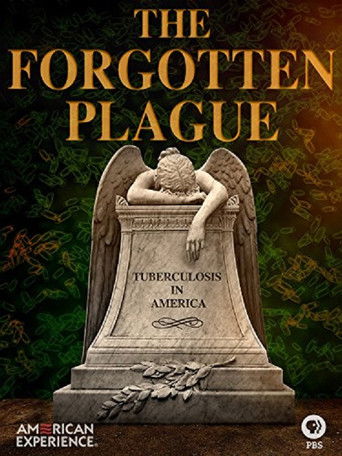
Tuberculosis is the deadliest killer in human history, responsible for one in four deaths for almost two centuries. While it shaped medical pursuits, social habits, economic development and public policy, TB and its impact are poorly understood.
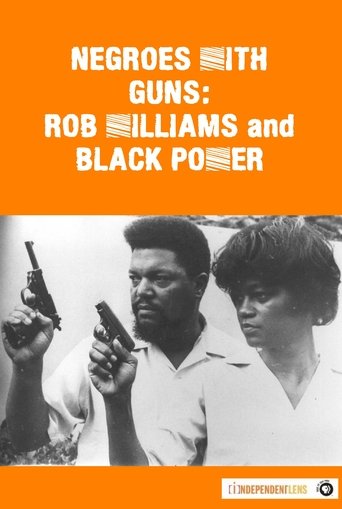
Rob Williams was an African-American living in Monroe, North Carolina in the 1950s and 1960s. Living with injustice and oppression, many African-Americans advocated a non-violent resistance. Williams took a different tack, urging the oppressed to take up arms. Williams was stripped of his rank as leader of the local NAACP chapter, but he continued to encourage local African-Americans to carry weapons as a means of self-defense. Wanted on a kidnapping charge, Williams and his wife fled to Cuba. His radio show Radio Free Dixie could be heard in some parts of the United States.
In the closing decades of the nineteenth century, during what has become known as the Gilded Age, the population of the United States doubled in the span of a single generation. As national wealth expanded, two classes rose simultaneously, separated by a gulf of experience and circumstance that was unprecedented in American life. These disparities sparked passionate and violent debate over questions still being asked in our own times: How is wealth best distributed, and by what process? Does government exist to protect private property or provide balm to the inevitable casualties of a churning industrial system? The outcome of these disputes was both uncertain and momentous, and marked by a passionate vitriol and level of violence that would shock the conscience of many Americans today.
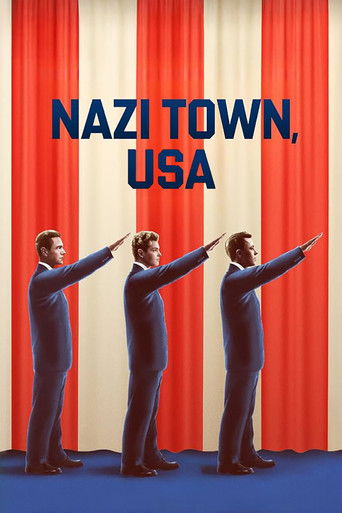
In February 1939, more than 20,000 Americans filled Madison Square Garden for an event billed as a “Pro-American Rally.” Images of George Washington hung next to swastikas and speakers railed against the “Jewish controlled media” and called for a return to a racially “pure” America. The keynote speaker was Fritz Kuhn, head of the German American Bund. Nazi Town, USA tells the largely unknown story of the Bund, which had scores of chapters in suburbs and big cities across the country and represented what many believe was a real threat of fascist subversion in the United States. The Bund held joint rallies with the Ku Klux Klan and ran dozens of summer camps for children centered around Nazi ideology and imagery. Its melding of patriotic values with virulent anti-Semitism raised thorny issues that we continue to wrestle with today.

In 1988, after two terms in office, Ronald Reagan left the White House one of the most popular presidents of the twentieth century -- and one of the most controversial. A failed actor, Reagan became a passionate ideologue who preached a simple gospel of lower taxes, less government, and anti-communism.
Filmed over five years in Kansas City, this documentary follows four transgender kids – beginning at ages 4, 7, 12, and 15 – as they redefine “coming of age.” These kids and their families show us the intimate realities of how gender is re-shaping the family next door in a unique and unprecedented chronicle of growing up transgender in the heartland.
Influenza 1918 is the story of the worst epidemic the United States has ever known. Before it was over, the flu would kill more than 600,000 Americans - more than all the combat deaths of this century combined.
November 2016 : The United States of America are about to elect their new president. AMERICA is a deep dive into the heart of Arizona, meeting the inhabitants of a little town crossed by Road 66, the broken inheritors of the American Dream who deliver us their hopes and fears.
Follow General George Armstrong Custer from his memorable, wild charge at Gettysburg to his lonely, untimely death on the windswept Plains of the West. On June 26, 1876, Custer, a reputation for fearless and often reckless courage ordered his soldiers to drive back a large army of Lakota and Cheyenne warriors. By day's end, Custer and nearly a third of his army were dead.
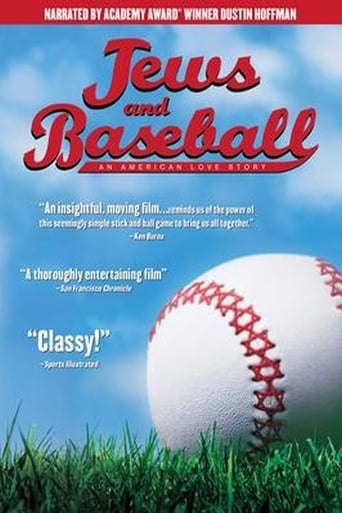
Actor Dustin Hoffman narrates this decade-spanning documentary that highlights the contributions of Jewish Americans to the most American sport of them all: baseball. Highlights include a rare interview with legendary pitcher Sandy Koufax.
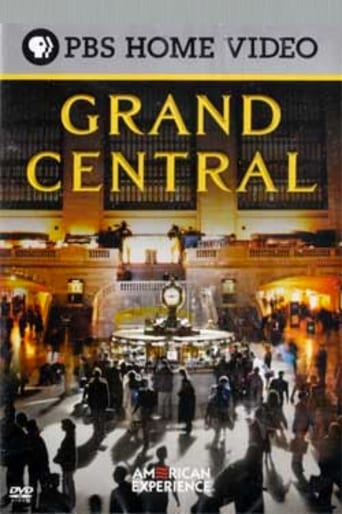
On February 1, 1913, more than 150,000 people eagerly rushed to Grand Central Terminal to gaze at New York City's newest landmark. A marvel of engineering, architecture, and vision, the new Beaux Arts structure on 42nd street housed an underground electric train station that would revolutionize the way people traveled and transform midtown Manhattan.
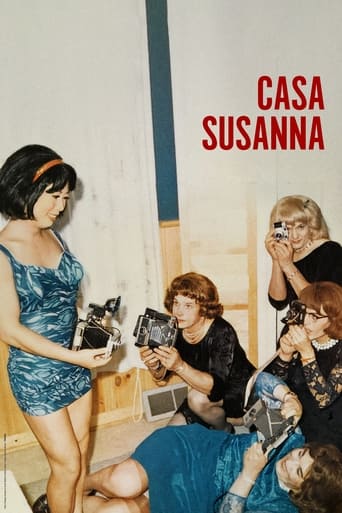
In the 50s and 60s, deep in the American countryside at the foot of the Catskills, a small wooden house with a barn behind it was home to the first clandestine network of cross-dressers. Diane and Kate are now 80 years old. At the time, they were men and part of this secret organization. Today, they relate this forgotten but essential chapter of the early days of trans-identity. It is a story full of noise and fury, rich in extraordinary characters, including the famous Susanna, who had the courage to create this refuge that came to be known as Casa Susanna.
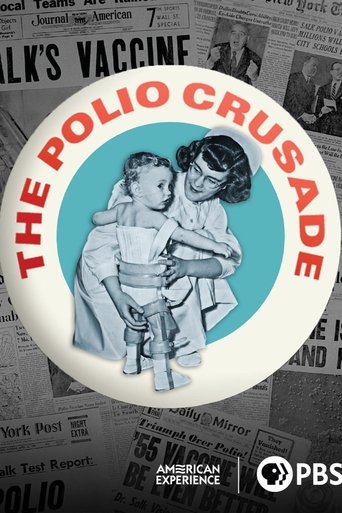
The film interweaves the personal accounts of polio survivors with the story of an ardent crusader who tirelessly fought on their behalf while scientists raced to eradicate this dreaded disease. Based in part on the Pulitzer Prize-winning book Polio: An American Story by David Oshinsky, Features interviews with historians, scientists, polio survivors, and the only surviving scientist from the core research team that developed the Salk vaccine, Julius Youngner.