The Great War
1964-05-30 · 40 min / episode · ★ 8.3
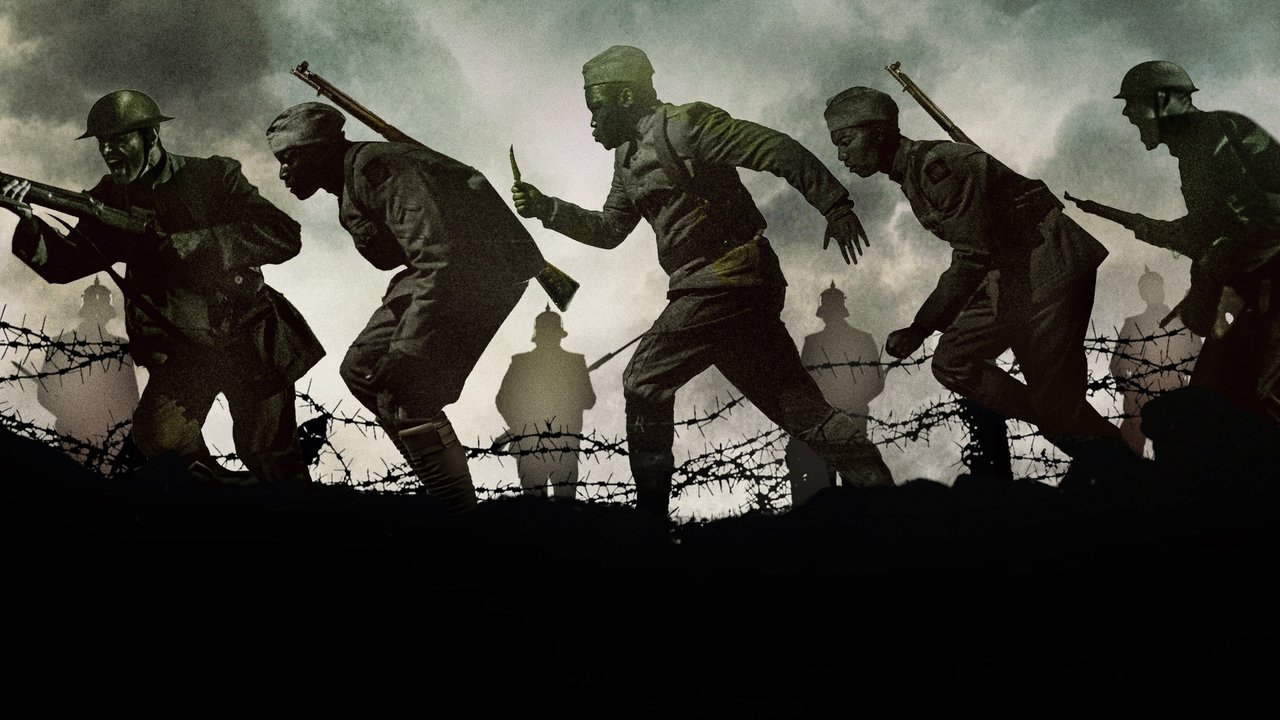
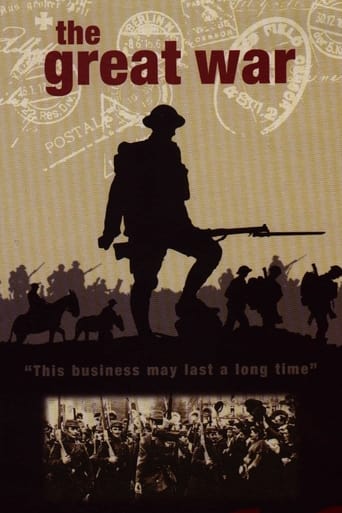
Extensive archive footage and sound effects, linked with contemporary classic music of the era, brings to life the vast history of World War I, concentrated by the commentaries by Michael Redgrave, and some of the finest actors of the 20th-century.
Trailers are previews, not full movies.
No authorized playback source configured. Use the legal watch options below.
Production details
- Creators
- John Terraine, Corelli Barnett
- Production companies
- CBC, BBC, Australian Broadcasting Corporation, Imperial War Museums
- Countries
- United Kingdom, Canada, Australia
- Status
- Ended
Top Cast
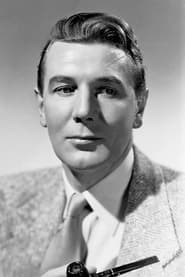 Michael RedgraveNarrator
 Ralph RichardsonDouglas Haig (voice)
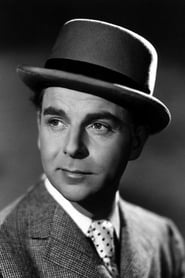 Emlyn WilliamsLloyd George (voice)
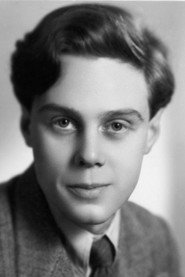 Marius GoringVarious (voice)
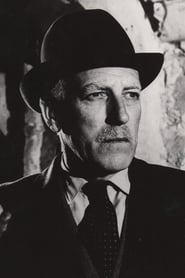 Cyril LuckhamVarious (voice)
 Sebastian ShawVarious (voice)
Title information and images are supplied by TMDb. Explore our discovery guide for advice on comparing metadata and legal viewing options.
Where to watch
Availability provided by JustWatch via TMDb. Offers can change. Provider links are listed on TMDb; full playback requires a separately authorized source.
Availability not listed for this country.
Seasons & episodes
Recommendations
A worldwide guided tour of the greatest movies ever made and the story of international cinema through the history of cinematic innovation.
Explore Marvel’s rich legacy of pioneering characters, creators and storytelling to reflect the world outside your window. Each documentary, helmed by a unique filmmaker, showcases the intersections of storytelling, pop culture, and fandom within the Marvel Universe.
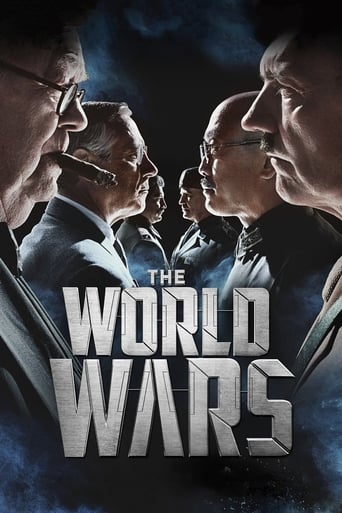
The story of three decades of war told through the eyes of various men who were its key players: Roosevelt, Hitler, Patton, Mussolini, Churchill, Tojo, DeGaulle and MacArthur. The series examines the two wars as one contiguous timeline starting in 1914 and concluding in 1945 with these unique individuals coming of age in World War I before ultimately calling the shots in World War II.

30 for 30 is the title for a series of documentary films airing on ESPN, its sister networks, and online highlighting interesting people and events in sports history. This currently includes four "volumes" of 30 episodes each, a 13-episode series under the ESPN Films Presents title in 2011–2012, and a series of 30 for 30 Shorts shown through the ESPN.com website. The series has also expanded to include Soccer Stories, which aired in advance of the 2014 FIFA World Cup, and audio podcasts. This entry refers to the main Volumes of the series presented by ESPN
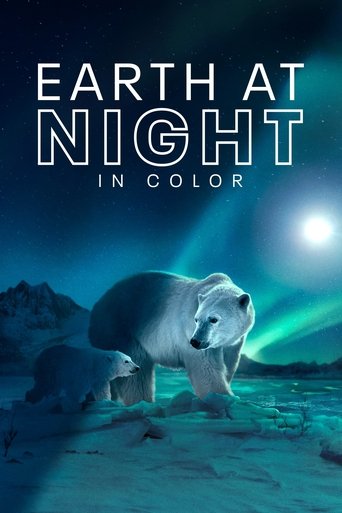
Filmed across six continents, this docuseries uses cutting-edge camera technology to capture animals' nocturnal lives, revealing new behaviours filmed in full color like never before.
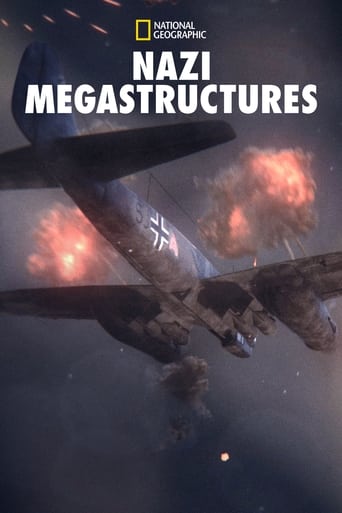
In a quest for world domination, the Nazis built some of the biggest and deadliest pieces of military hardware and malevolent technology in history. This is the stories of the engineers who designed them and how these structures sparked a technological revolution that changed warfare forever.

Doctor Who Confidential is a documentary to complement the revival of the long-running British science fiction television series Doctor Who. Each episode was broadcast on BBC Three on Saturdays, immediately after the broadcast of the weekly television episode on BBC One. The running time of the first two series was 30 minutes, being extended to 45 minutes in the third. BBC Three also broadcast a cut-down edition of the programme, lasting 15 minutes, shown after the repeats on Sundays and Fridays and after the weekday evening repeats of earlier seasons.
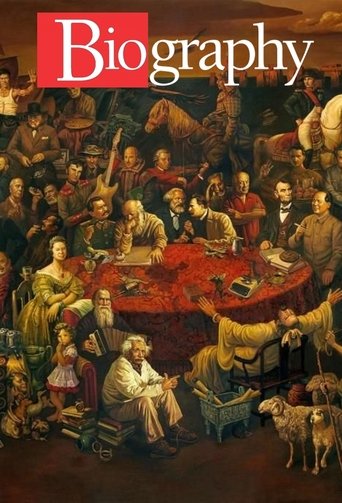
Biography is a documentary television series. It was originally a half-hour filmed series produced for CBS by David Wolper from 1961 to 1964 and hosted by Mike Wallace. The A&E Network later re-ran it and has produced new episodes since 1987. The older version featured historical figures such as Helen Keller and Mark Twain, or long-dead entertainment figures such as Will Rogers or John Barrymore. The A&E series has placed the emphasis on such people as Marilyn Monroe, Elvis Presley, Plácido Domingo, Freddie Mercury, Jacqueline Kennedy Onassis, Eric Clapton, Pope John Paul II, Gene Tierney, Selena, Diego Rivera, Mao Zedong and Queen Elizabeth II, and fictional characters like The Phantom, Superman, Hamlet, Betty Boop, and Santa Claus. The program ended up profiling enough figures that in 1999, A&E spun it off into an entire network, The Biography Channel.
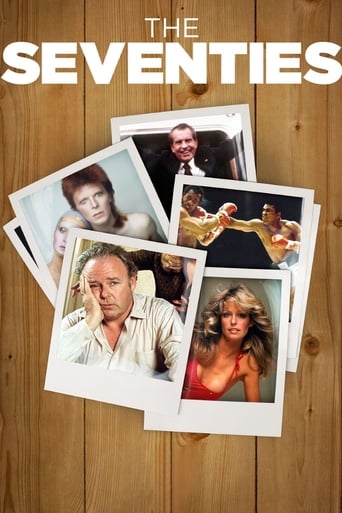
A documentary series focusing on the ongoing Vietnam War, the Watergate scandal, evolving music industry, the Iran Hostage Crisis, the sexual revolution, and the rise of foreign and domestic terrorism.
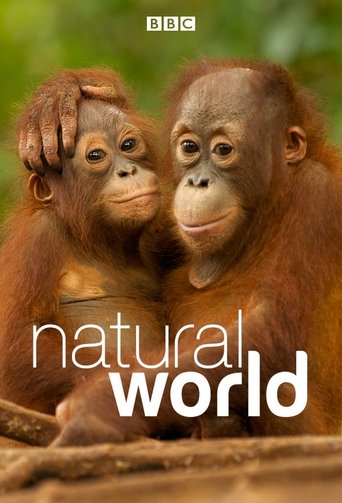
Natural World is a nature documentary television series broadcast annually on BBC Two and regarded by the BBC as its flagship natural history brand. It is currently the longest-running series in its genre on British television, with more than 400 episodes broadcast since its inception in 1983. Natural World is produced by the BBC Natural History Unit in Bristol, but individual programmes can be in-house productions, collaborative productions with other broadcasters or films made and distributed by independent production companies and purchased by the BBC. Natural World programmes are often broadcast as PBS Nature episodes in the USA. Since 2008, most Natural World programmes have been shot and broadcast in high definition.
Part detective story, part true-life drama, long-running series explores some of the most iconic moments in history to debunk myths and shed new light on past events. Using the latest investigative techniques, forensic science and historical examination, it shatters accepted wisdom, challenges prevailing ideas, overturns existing hypotheses, spotlights forgotten mysteries, and ultimately rewrites history.
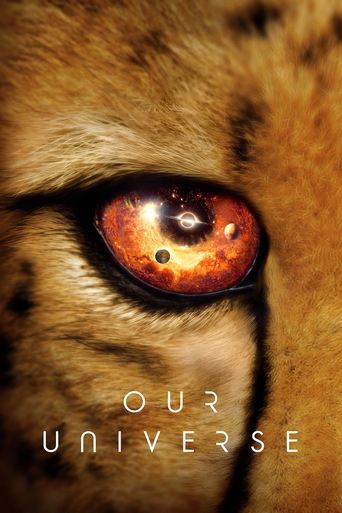
Witness the remarkable story of our universe over billions of years and its inextricable link to life on Earth in this sweeping documentary series.

This immersive series follows the world's most magnificent creatures, capturing never-before-seen moments from the heartwarming to the outrageous.
A users' guide to the cosmos, from the Big Bang to galaxies, stars, planets and moons: where did it all come from and how does it all fit together? A primer for anyone who has ever looked up at the night sky and wondered.
A rare look at warring animal clans battling for survival in a remote region of Africa, which is drying up after years of flood-soaked abundance.

Based on the popular BBC series running since 1979, the PBS Antiques Roadshow combines history with discovery. Each year, the show visits a handful of cities to appraise items brought in by viewers. Are these items worth a lot of money, more than the visitors expect?

Enter an unseen micro-verse where miniature heroes use amazing superpowers to survive in a series of spellbinding dramas.
Will Smith whose curiosity and wonder is positively infectious—is guided by National Geographic Explorers traveling to different corners of the world to get up close and personal with the weirdest, most unusual, dangerous and thrilling spectacles of the planet.

An insider's look at the engineering and scientific miracles behind the things that form the modern world.
Influential builders, dreamers and believers whose feats transformed the United States, a nation decaying from the inside after the Civil War, into the greatest economic and technological superpower the world had ever seen. The Men Who Built America is the story of a nation at the crossroads and of the people who catapulted it to prosperity.
Similar titles


Why Not Us takes you into the locker rooms, practice facilities, dorm rooms, classrooms and communities of some of the most well-respected HBCU athletic programs in the country. Explore what it means to be an athlete, student and coach at an HBCU and why men & women everywhere are choosing to experience the rich tradition of these often lesser funded and lesser known programs.
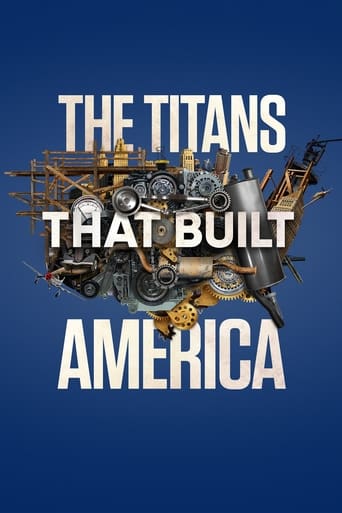
Out of the ashes of World War I, a new generation of titan rises…Pierre Du Pont, Walter Chrysler, J.P. Morgan Jr., Henry Ford, and William Boeing. Their fight to reach the top will transform America as they compete to dominate new industries—from the highways to the skyways. After years of fighting each other, and FDR, these rivals must unite during World War II to defeat a greater enemy and save the world.
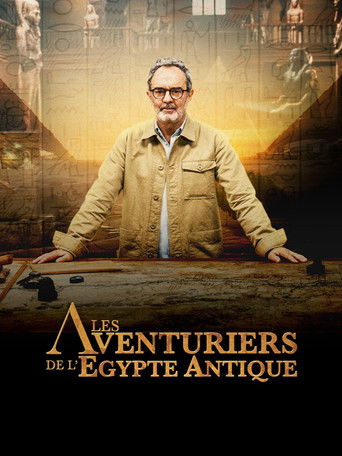
Tutankhamun, Ramses the Great, Cleopatra, Khufu…these legendary pharaohs built the wonders of Karnak, Luxor and the pyramids of Giza before their civilization faded into obscurity. But in 1798, Napoleon Bonaparte’s expedition to Egypt reopened the doors to a forgotten world and ignited a fascination with Ancient Egypt that continues to this day. Bold explorers, such as Jean-François Champollion and Giovanni Battista Belzoni, risked everything to unearth these wonders. Archaeology became a conquest, and Egypt’s heritage was plundered by tomb raiders - until Auguste Mariette laid the foundations of modern Egyptology. This immersive series reveals the splendor of the pharaohs and the feats of the explorers.
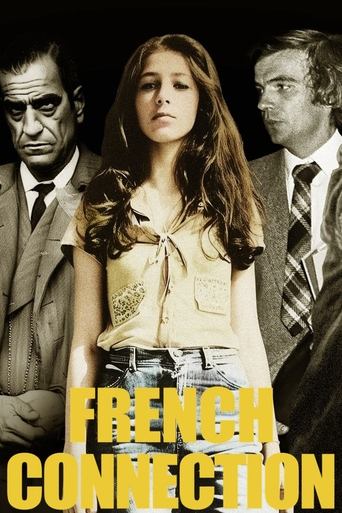
A journey through documentary film history, from famous to obscure works worldwide, showing how the genre helps us understand reality while inspiring both experts and newcomers.

For centuries, explorers have searched for the Bible’s most sacred religious artefacts. One of the most mysterious of these objects is the famed Ark of the Covenant. The gold-plated wooden chest – one of the most instrumental symbols of faith and God's presence – was believed to house the two tablets bearing the Ten Commandments. The Ark’s exact whereabouts has long puzzled scholars. Where did it go? And why has it remained such a mystery?
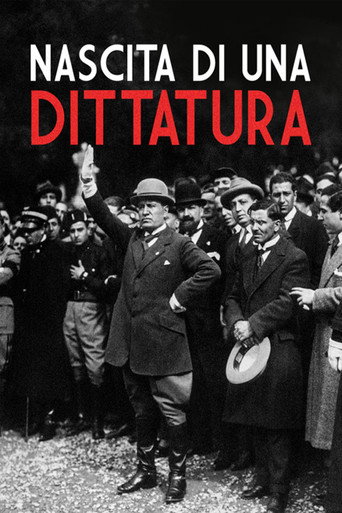
One of the most important historical investigations carried out by Rai, signed by the great Sergio Zavoli with the collaboration of Luciano Onder and Edek Osser and the scientific consultancy of Alberto Aquarone, Gaetano Arfé, Renzo De Felice, Gabriele De Rosa, Gastone Manacorda and Salvatore Valitutti. The six-part series, broadcast for the first time in the autumn of 1972, represented, half a century after the "March on Rome", a significant assessment of the years of the advent of the Mussolini regime, recalled with the rigor of the best television journalism (Saint-Vincent Award 1973) and through the direct testimonies of over fifty protagonists of the time, both fascists and anti-fascists.
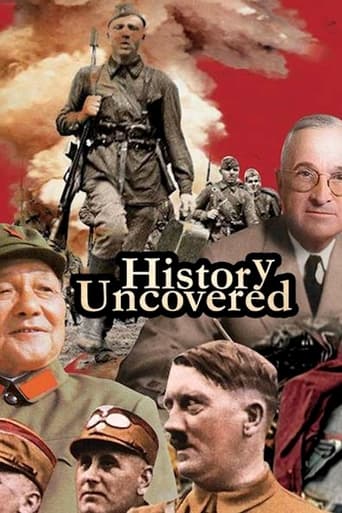
Myths die hard, and the history of the 20th century is no exception to this rule. Even today, we hold popular beliefs that we take for Evangelical truths. Thus, we believe that Hiroshima caused Japan to surrender, that the Marshall Plan saved Europe, that Adolf Hitler was a military genius, or that Mao Zedong was a necessary evil for China’s modernization. Of course, these judgements contain some truth; but, too broad-stroked to be accurate, they contradict the historical reality by denying its complexity. What if the truth was slightly different? Through an exploration of great national or international myths, this full archive documentary collection revisits the key moments of the 20th century with a new perspective in order to provide a new, smarter and more subtle interpretation, bringing elements to light that have been forgotten or sometimes overshadowed.
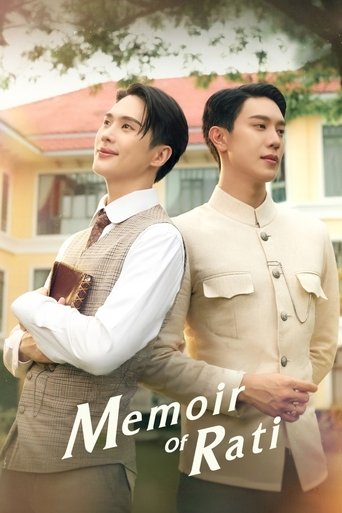
In 1915, Rati returns to Siam and finds connection with Thee, the heir to a wealthy and powerful family, which seeks to sabotage the relationship.

February 1916. World War I has been raging for two years and has killed over three million people, neither side gaining the upper hand. The Germans mobilize more artillery and men in Verdun than in any other offensive -- for three hundred days -- but the French hold out. Constructed from over five hundred hours of restored, colorized archival footage.
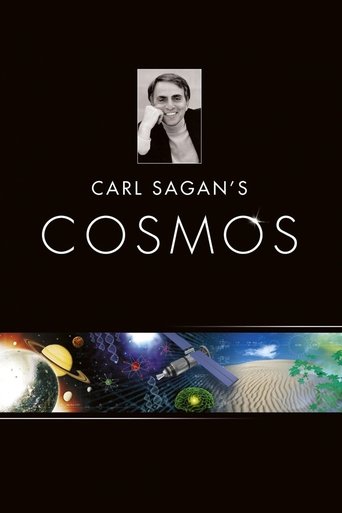
Carl Sagan covers a wide range of scientific subjects, including the origin of life and a perspective of our place in the universe.
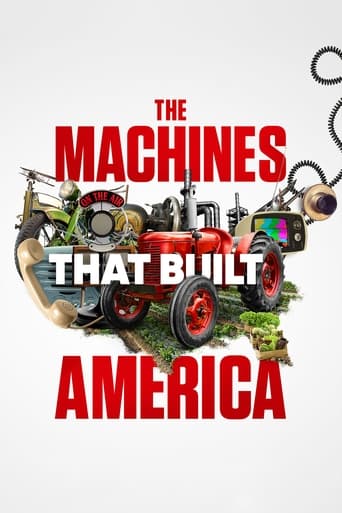
The stories behind innovations such as TV, radio, phones, airplanes, motorcycles and power tools as well as the inventors including Nikola Tesla, William Harley, Alexander Graham Bell, Duncan Black and Alonzo Decker.

When war broke out in Europe in 1914, most people thought the conflict would be over by Christmas; they could not imagine how wrong they were. An attack in Sarajevo ended up becoming a snowball that swept the world: a new kind of warfare had begun, waged with techniques and means never seen before. By November 1918, ten million people had died and the political map of the planet had been redrawn.
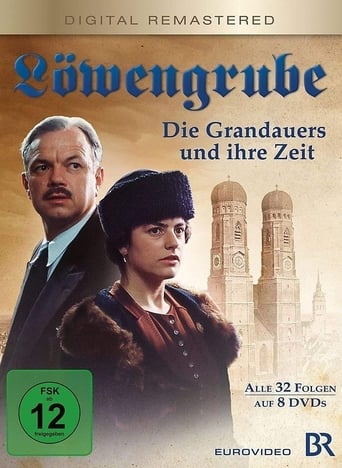
"Löwengrube – Die Grandauers und ihre Zeit" is a German television series first aired between 1989 and 1992, created by Willy Purucker and directed by Rainer Wolffhardt. It is set in Munich and follows the lives of Ludwig Grandauer and his son Karl, both policemen, covering the years from 1897 to 1954. The TV show is based on Purucker's radio play series Die Grandauers und ihre Zeit (‘The Grandauers and their time’). The series’ main title "Löwengrube", meaning ‘Lions’ Den’, refers to the address of the Munich Police Headquarters inaugurated in 1913.
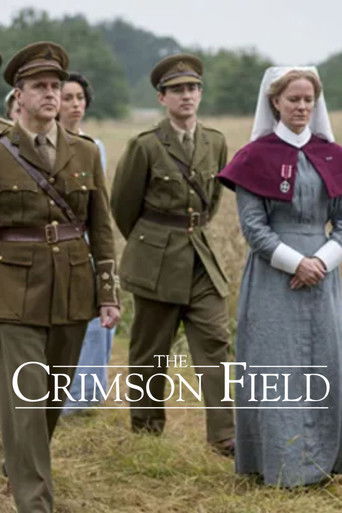
In a tented field hospital on the coast of France, a team of doctors, nurses and women volunteers work together to heal the bodies and souls of men wounded in the trenches.
The story of three decades of war told through the eyes of various men who were its key players: Roosevelt, Hitler, Patton, Mussolini, Churchill, Tojo, DeGaulle and MacArthur. The series examines the two wars as one contiguous timeline starting in 1914 and concluding in 1945 with these unique individuals coming of age in World War I before ultimately calling the shots in World War II.
Communism spread to all of the continents of the word, lasting through four generations and over seven decades. Hundreds of millions of men and women were affected by this political system, one of the most unjust and bloodiest in history. Using newly discovered propaganda films and archival photos, these four episodes explore the mysteries of this totalitarian political machine that lured its share of important followers into the fold. Known as the red church, communism seduced its ardent followers like some earthly religion.
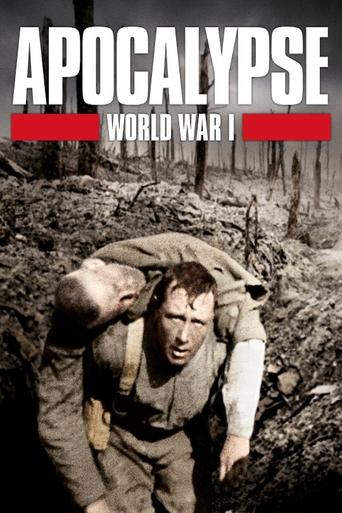
Colorized historical footage in ascending order of World War 1. Not only the relatively known Flanders and France battles, but also the generally unknown Italian-Austrian, German-Polish-Russian, Japanese-German, Ottoman Empire- Allied and African German Colonies, and other unknown or forgotten fronts and battles.