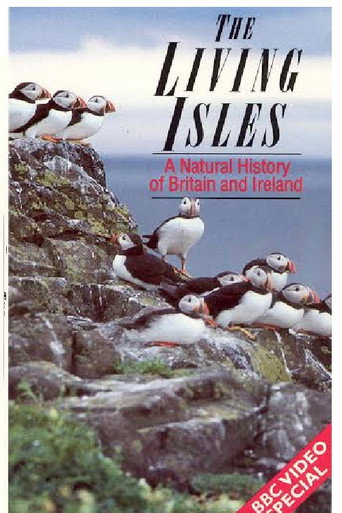
The Living Isles
1986-01-05 · Runtime unavailable · Not rated
The story of the permanently changing landscape and its wildlife of the British isles since the last ice age. In 10 episodes.
Trailers are previews, not full movies.
No authorized playback source configured. Use the legal watch options below.
Production details
- Creators
- Unavailable
- Production companies
- Unavailable
- Countries
- Unavailable
- Status
- Ended
Top Cast
Title information and images are supplied by TMDb. Explore our discovery guide for advice on comparing metadata and legal viewing options.
Where to watch
Availability provided by JustWatch via TMDb. Offers can change. Provider links are listed on TMDb; full playback requires a separately authorized source.
Availability not listed for this country.
Seasons & episodes
Recommendations
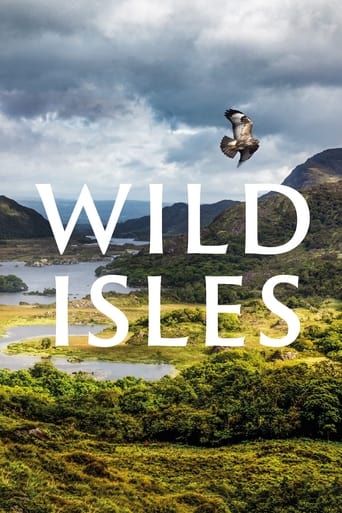
This nature documentary introduces viewers to the fauna and flora of Britain and Ireland across four main areas: woodlands, grasslands, freshwater and marine.
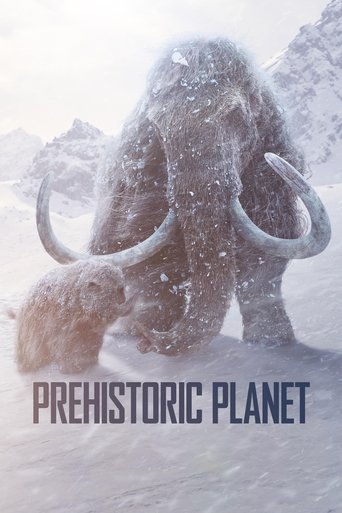
Experience the wonders of our world like never before in this epic series from Jon Favreau and the producers of Planet Earth. Travel back 66 million years to when majestic dinosaurs and extraordinary creatures roamed the lands, seas, and skies.
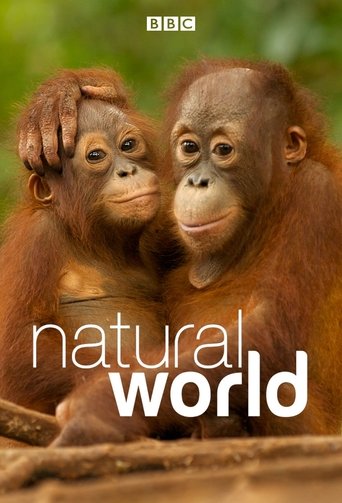
Natural World is a nature documentary television series broadcast annually on BBC Two and regarded by the BBC as its flagship natural history brand. It is currently the longest-running series in its genre on British television, with more than 400 episodes broadcast since its inception in 1983. Natural World is produced by the BBC Natural History Unit in Bristol, but individual programmes can be in-house productions, collaborative productions with other broadcasters or films made and distributed by independent production companies and purchased by the BBC. Natural World programmes are often broadcast as PBS Nature episodes in the USA. Since 2008, most Natural World programmes have been shot and broadcast in high definition.
Journeying to the far reaches of our planet, this eight part series follows some of the world's most amazing species, telling extraordinary stories that are dramatic, thrilling, funny and sometimes heart-breaking, but always full of hope.
Experience our planet's natural beauty and examine how climate change impacts all living creatures in this ambitious documentary of spectacular scope.
Filmed across six continents, this docuseries uses cutting-edge camera technology to capture animals' nocturnal lives, revealing new behaviours filmed in full color like never before.
David Attenborough celebrates the amazing variety of the natural world in this epic documentary series, filmed over four years across 64 different countries.
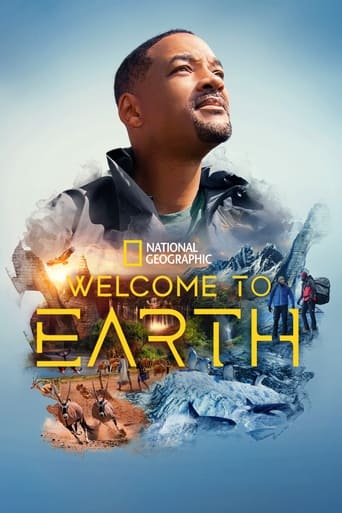
Will Smith whose curiosity and wonder is positively infectious—is guided by National Geographic Explorers traveling to different corners of the world to get up close and personal with the weirdest, most unusual, dangerous and thrilling spectacles of the planet.

David Attenborough presents a documentary series exploring how animals meet the challenges of surviving in the most iconic habitats on earth.
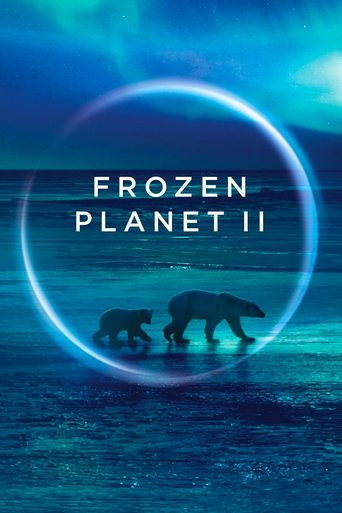
Ten years on from the original Frozen Planet, this documentary series takes audiences back to the wildernesses of the Arctic and Antarctica and tells the complete story of the entire frozen quarter of our planet that’s locked in ice and blanketed in snow.
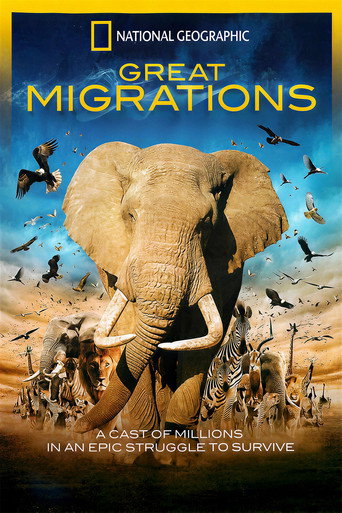
Shot from land and air, in trees and cliff-blinds, on ice floes and underwater, this documentary tells the powerful stories of many of the planet's species and their movements, while revealing new scientific insights with breathtaking high-definition clarity and emotional impact. The beauty of these stories is underscored by a new focus into these species; fragile existence and their life-and-death quest for survival in an ever-changing world.
Consistently stunning documentaries transport viewers to far-flung locations ranging from the torrid African plains to the chilly splendours of icy Antarctica. The show's primary focus is on animals and ecosystems around the world. A comic book based on the show, meant to be used an as educational tool for kids, was briefly distributed to museums and schools at no cost in the mid-2000s.
This six part documentary draws attention to the most extraordinary — almost supernatural — accounts of animals that have adapted to the cruelest evolutionary curveballs.
A rare look at warring animal clans battling for survival in a remote region of Africa, which is drying up after years of flood-soaked abundance.

This immersive series follows the world's most magnificent creatures, capturing never-before-seen moments from the heartwarming to the outrageous.

PBS' premier science series helps viewers of all ages explore the science behind the headlines. Along the way, NOVA demystifies science and technology, and highlights the people involved in scientific pursuits.
Life's extraordinary journey to conquer, adapt and survive on Earth across billions of years comes alive in this groundbreaking nature docuseries.
Millions of years ago, incredible forces ripped apart the Earth’s crust creating seven extraordinary continents. This documentary series reveals how each distinct continent has shaped the unique animal life found there.
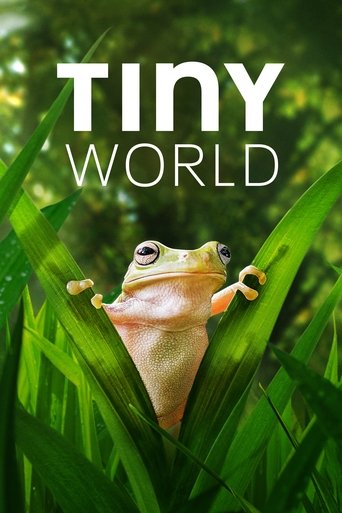
This docuseries showcases nature's lesser-known tiny heroes. Spotlighting small creatures and the extraordinary things they do to survive, each episode is filled with surprising stories and spectacular cinematography.

30 for 30 is the title for a series of documentary films airing on ESPN, its sister networks, and online highlighting interesting people and events in sports history. This currently includes four "volumes" of 30 episodes each, a 13-episode series under the ESPN Films Presents title in 2011–2012, and a series of 30 for 30 Shorts shown through the ESPN.com website. The series has also expanded to include Soccer Stories, which aired in advance of the 2014 FIFA World Cup, and audio podcasts. This entry refers to the main Volumes of the series presented by ESPN
Similar titles
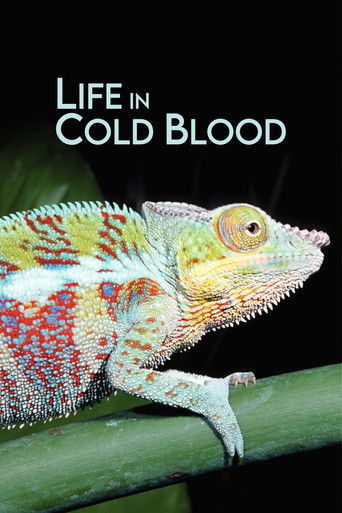
David Attenborough reveals the surprising truth about the cold-blooded lives of reptiles and amphibians. These animals are as dramatic, as colourful and as tender as any other animals.
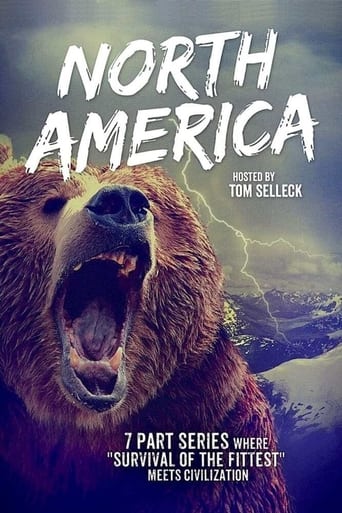
The seven episodes explore North America: where civilization collides with untamed wilderness. Just feet beyond our own backyards rages a spectacle we never see. Join us as we step into this hidden world teaming with life - across impossible mountains and endless deserts. Dive into unexplored forests and crash into rugged coasts. This vast continent offers boundless rewards for those brave enough to take on this land - and call her home.
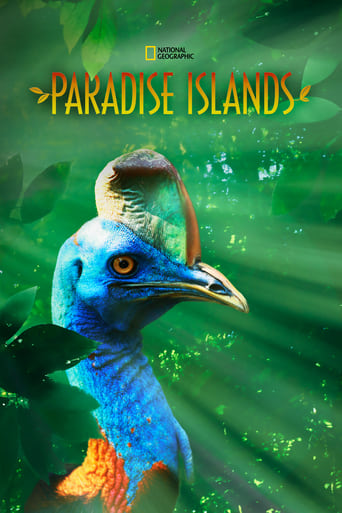
The tropical islands that lie between Asia and Australia are among the biologically richest on earth, and home to a vast number of plants and animals. From tree kangaroos to tarsiers, manta rays to mudskippers, the region abounds with life. But why? The answer lies deep in time, due to the many millions of years these islands have existed - and the power of the earth, the sun and the moon.
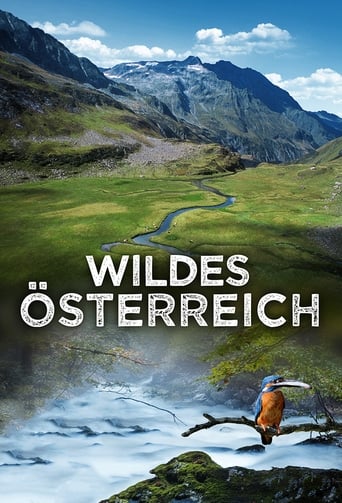
One force determines a country's fate more than any other: Water. Austria's love-affair with water has given her unique and amazing landscapes and biospheres, carved out by Alpine glaciers, ancient seas and mighty rivers, home to iconic animals like eagles, ibex, otters and deer. But this country has wildlife surprises, too. The days are gone when raging oceans brought giant sharks to her primeval shores, but there's an odd little survivor from those times: a three-eyed hermaphrodite, maybe the oldest animal on the planet. The tadpole shrimp lives in pools and puddles, until they dry out. Its eggs can stay dormant for decades or centuries, till water brings them to life. At a pinch, an adult can even fertilize itself - a single survivor guaranteeing future generations. Goldeneye ducks breed in abandoned woodpecker holes high in trees. Once the last sibling has hatched, the ducklings follow their mother in a leap of faith of up to ten meters to the river below. Two months later, they will finally learn to fly! The Bullhead, a fish that will never master the art of swimming, lives in brooks and creeks at up to 2,000 meters. It claws its way upstream, digging its fins into the gravelly riverbed. From ice caves, crystalline mountain springs and spectacular waterfalls, down to Lake Neusiedl, world-famous bird sanctuary on the edge of the endless Eurasian steppe: This epic two-part documentary celebrates Austria's most precious landscapes and her wildlife's unrivaled beauty.
Will Smith whose curiosity and wonder is positively infectious—is guided by National Geographic Explorers traveling to different corners of the world to get up close and personal with the weirdest, most unusual, dangerous and thrilling spectacles of the planet.
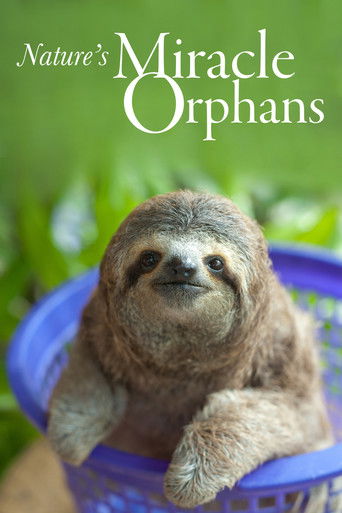
The first months of an animal's life are crucial - if they lose their mothers, they'll need help. Meet the wild orphans getting a second chance, and those devoted to saving them.

Professor Alice Roberts journeys 40,000 years back in time on the trail of the great beasts of the Ice Age. This was the last time that giants like mammoths, woolly rhinos, and sabre-tooth cats ruled the Earth and Alice attempts to reconstruct their lives in incredible detail.
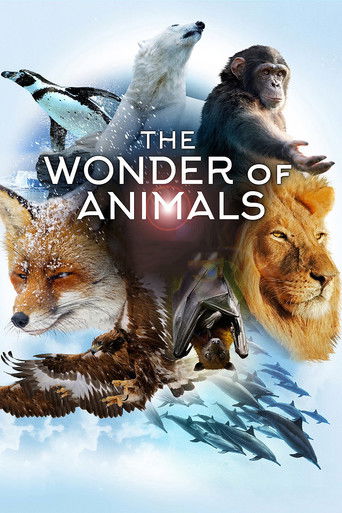
Chris Packham uses groundbreaking science and brand-new behaviour to delve deep beneath the skin and discover the unique features that have made certain animal groups successful.
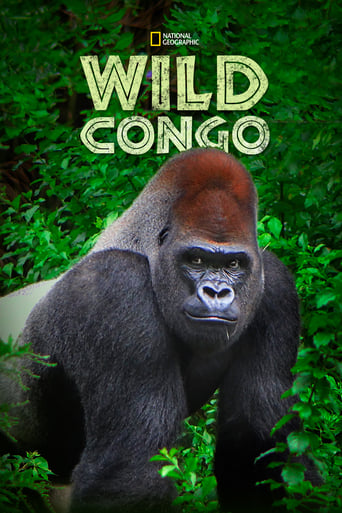
The Congo: more powerful and dangerous than any other river, yet a sanctuary and home for some of the most wonderful creatures on our Earth.
Documentary series examining the most dangerous and most feared animals on the planet.
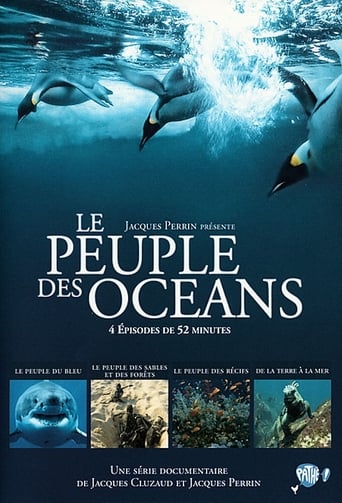
A four-part documentary series on ocean life around the world.
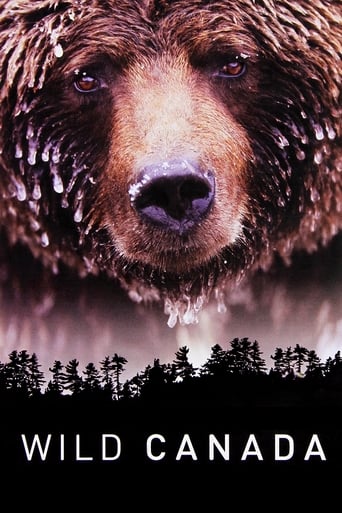
The four-part series takes an awe-inspiring look at the world around us, shot with ultra-high-definition cameras that capture sweeping panoramas and extraordinary close-ups of Canada’s majestic terrain and diverse species.

Bill Pullman introduces and narrates this four-part documentary on the world's first national park, Yellowstone.
Experience the wonders of our world like never before in this epic series from Jon Favreau and the producers of Planet Earth. Travel back 66 million years to when majestic dinosaurs and extraordinary creatures roamed the lands, seas, and skies.
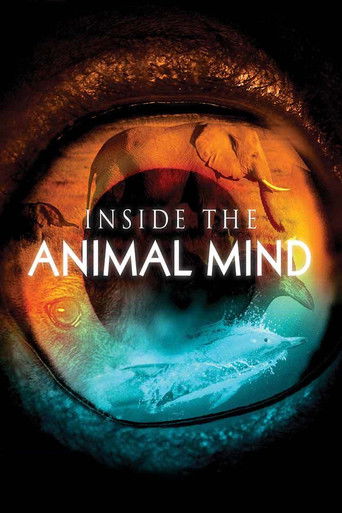
Chris Packham travels the world to uncover the secrets of the animal mind.
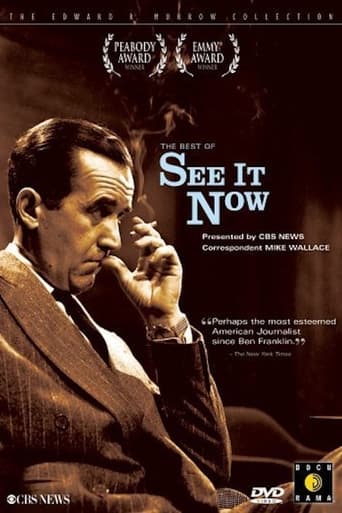
See It Now is an American newsmagazine and documentary series broadcast by CBS from 1951 to 1958. It was created by Edward R. Murrow and Fred W. Friendly, Murrow being the host of the show. From 1952 to 1957, See It Now won four Emmy Awards and was nominated three other times. It also won a 1952 Peabody Award, which cited its
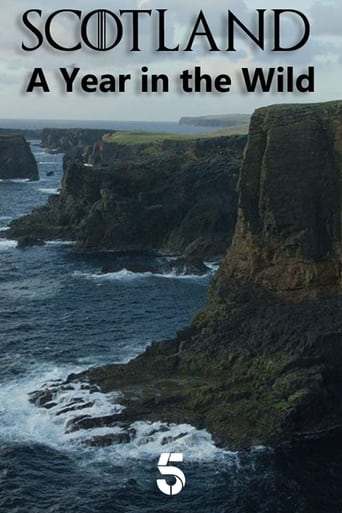
This four-part nature series reveals the extraordinary stories of Scotland’s secret wild places and the unexpected animals that live there. Scotland hosts a spectacular array of wildlife, from highland red deer, white-tailed eagles, red squirrels and pine martens to coastal dwelling puffins, grey seals, otters, and even killer whales. Stretching from the Shetlands to the south of the country, each episode focuses on how animals strive to survive through four very different seasons in one epic year, dominated by a maritime climate that’s both punishing and unpredictable, with their lives always at the mercy of the elements.
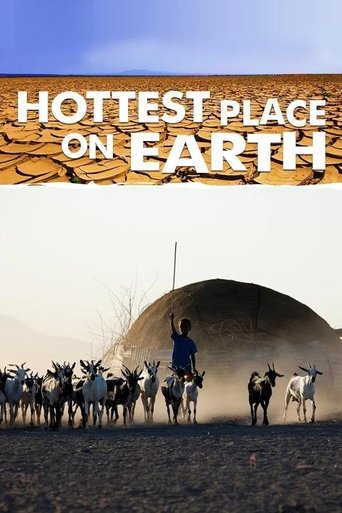
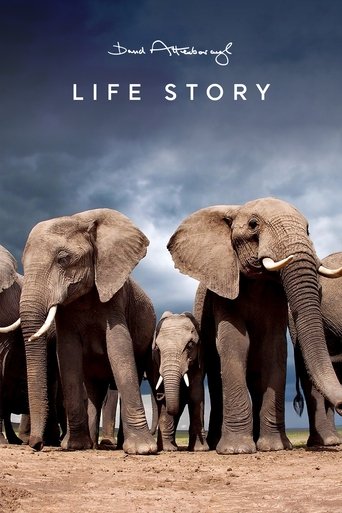
The remarkable and often perilous story of the journey through life. It is a story that unites each of us with every animal on the planet, because we all set out on this journey from the moment we are born. For animals there is just one goal in life – to continue their bloodline in the form of offspring. This series follows that journey through its six crucial stages: first steps, growing up, finding a home, gaining power, winning a mate and succeeding as a parent.