

The Great Epochs of European Art
1989-01-01 · Runtime unavailable · Not rated
Ten programs filmed across Europe explore the history of European art through masterpieces of architecture, sculpture, and painting. The series spans from Greek and Roman art to Christian, Byzantine, and Gothic styles, followed by the Baroque, Rococo, and the artistic movements of the 19th and 20th centuries.
Trailers are previews, not full movies.
No authorized playback source configured. Use the legal watch options below.
Production details
- Creators
- Gaby Imhof-Weber, Kurt W. Oehlschläger
- Production companies
- BR
- Countries
- Germany
- Status
- Ended
Top Cast
Cast unavailable.
Title information and images are supplied by TMDb. Explore our discovery guide for advice on comparing metadata and legal viewing options.
Where to watch
Availability provided by JustWatch via TMDb. Offers can change. Provider links are listed on TMDb; full playback requires a separately authorized source.
Availability not listed for this country.
Seasons & episodes
Recommendations

Motoring programme featuring reviews of and reports about cars of all types.
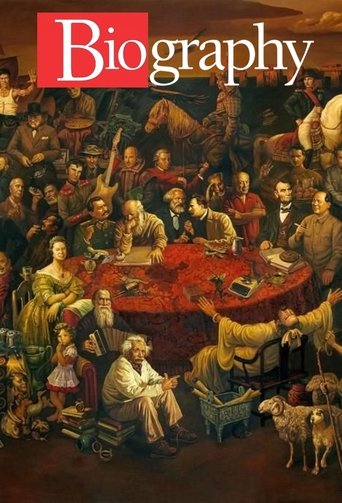
Biography is a documentary television series. It was originally a half-hour filmed series produced for CBS by David Wolper from 1961 to 1964 and hosted by Mike Wallace. The A&E Network later re-ran it and has produced new episodes since 1987. The older version featured historical figures such as Helen Keller and Mark Twain, or long-dead entertainment figures such as Will Rogers or John Barrymore. The A&E series has placed the emphasis on such people as Marilyn Monroe, Elvis Presley, Plácido Domingo, Freddie Mercury, Jacqueline Kennedy Onassis, Eric Clapton, Pope John Paul II, Gene Tierney, Selena, Diego Rivera, Mao Zedong and Queen Elizabeth II, and fictional characters like The Phantom, Superman, Hamlet, Betty Boop, and Santa Claus. The program ended up profiling enough figures that in 1999, A&E spun it off into an entire network, The Biography Channel.
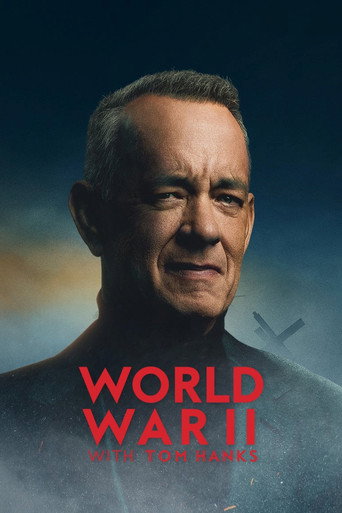
Explores WWII from Germany's invasion of Poland through the atomic age, examining pivotal battles, wartime leaders like Churchill and Roosevelt, and the human cost of total war.
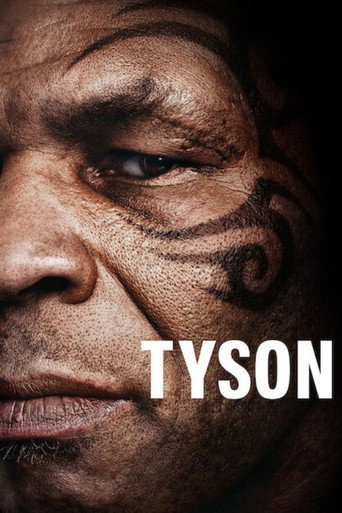
This gripping four-part documentary series explores the explosive life of Mike Tyson — one of the most feared and fascinating figures in sports history.
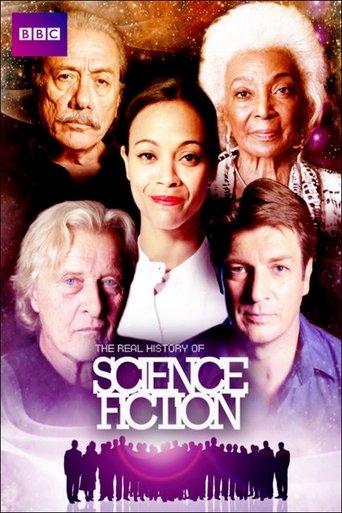
The series heads to the very frontiers of space and science to produce the definitive television history of science fiction, told through its impact on cinema, television and literature, with the help of filmmakers, writers, actors, and graphic artists. Each episode will explore one of the enduring themes of science fiction: time travel; the exploration of space; robots and artificial intelligence; and aliens.

This compelling series investigates the motives and m.o. of female murderers. While males are often driven by anger, impulse and destruction, women usually have more complex, long-term reasons to kill.
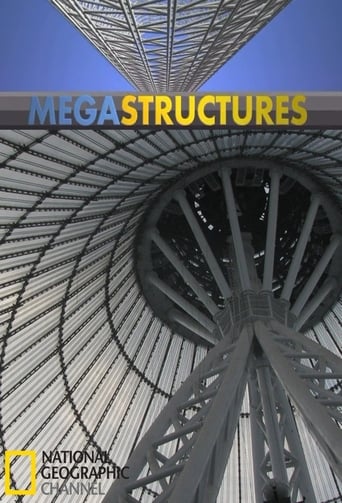
MegaStructures is a documentary television series appearing on the National Geographic Channel in the United States and the United Kingdom, Channel 5 in the United Kingdom, France 5 in France, and 7mate in Australia. Each episode is an educational look of varying depth into the construction, operation, and staffing of various structures or construction projects, but not ordinary construction products. Generally containing interviews with designers and project managers, it presents the problems of construction and the methodology or techniques used to overcome obstacles. In some cases this involved the development of new materials or products that are now in general use within the construction industry. MegaStructures focuses on constructions that are extreme; in the sense that they are the biggest, tallest, longest, or deepest in the world. Alternatively, a project may appear if it had an element of novelty or are a world first. This type of project is known as a Megaproject.
Infographics and archival footage deliver bite-size history lessons on scientific breakthroughs, social movements and world-changing discoveries.
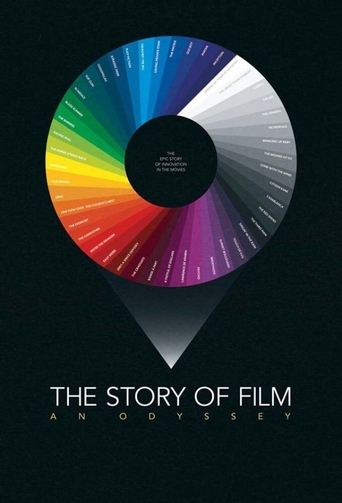
A worldwide guided tour of the greatest movies ever made and the story of international cinema through the history of cinematic innovation.

Award-winning actor and nervous explorer Eugene Levy steps out of his comfort zone for a whirlwind tour of the world's most beautiful and intriguing destinations.
Explore the surprising things we know (and don’t know) about why people are the way they are through expert interviews, rare footage from historical experiments, and brand-new, ground-breaking demonstrations of human nature at work.
Natural World is a nature documentary television series broadcast annually on BBC Two and regarded by the BBC as its flagship natural history brand. It is currently the longest-running series in its genre on British television, with more than 400 episodes broadcast since its inception in 1983. Natural World is produced by the BBC Natural History Unit in Bristol, but individual programmes can be in-house productions, collaborative productions with other broadcasters or films made and distributed by independent production companies and purchased by the BBC. Natural World programmes are often broadcast as PBS Nature episodes in the USA. Since 2008, most Natural World programmes have been shot and broadcast in high definition.
A series of standalone documentaries powered by the unparalleled journalism and insight of The New York Times, bringing viewers close to the essential stories of our time.
American Masters is a PBS television series which produces biographies on enduring writers, musicians, visual and performing artists, dramatists, filmmakers, and others who have left an indelible impression on the cultural landscape of the United States.
Filmed across six continents, this docuseries uses cutting-edge camera technology to capture animals' nocturnal lives, revealing new behaviours filmed in full color like never before.

30 for 30 is the title for a series of documentary films airing on ESPN, its sister networks, and online highlighting interesting people and events in sports history. This currently includes four "volumes" of 30 episodes each, a 13-episode series under the ESPN Films Presents title in 2011–2012, and a series of 30 for 30 Shorts shown through the ESPN.com website. The series has also expanded to include Soccer Stories, which aired in advance of the 2014 FIFA World Cup, and audio podcasts. This entry refers to the main Volumes of the series presented by ESPN
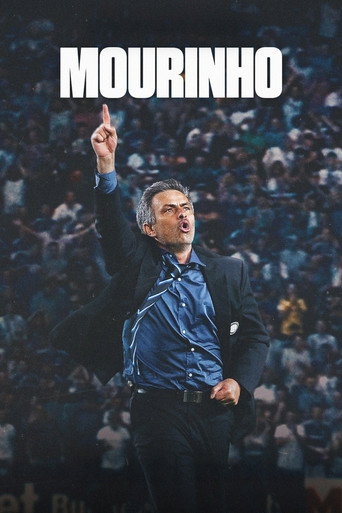
This trophy-packed, insider-fuelled documentary charts José Mourinho's iconic rise as one of the world's top footballing managers of the most elite clubs.
Explore the history of the American LGBTQ movement through the lens of TV in this five-part docuseries. Combining archival footage with new interviews, the series looks at homophobia, the evolution of LGBTQ characters, and coming out in the TV world.
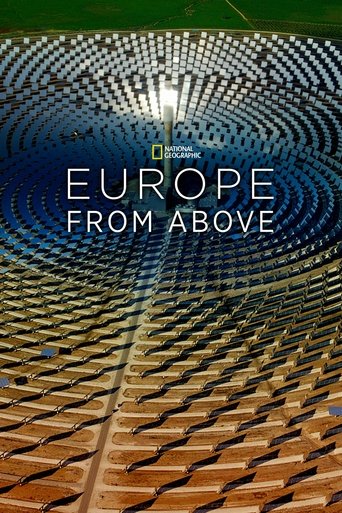
Using the very latest in drone and aerial photographic technology, tour across countries and their seasons, getting a unique view from above.
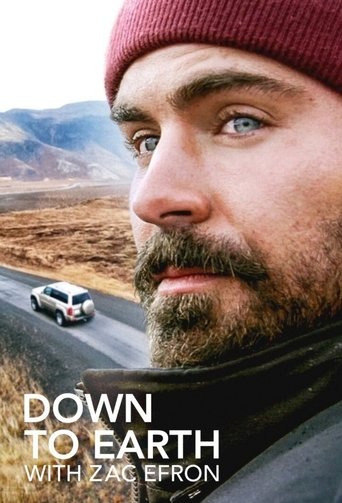
Actor Zac Efron journeys around the world with wellness expert Darin Olien in a travel show that explores healthy, sustainable ways to live.
Similar titles
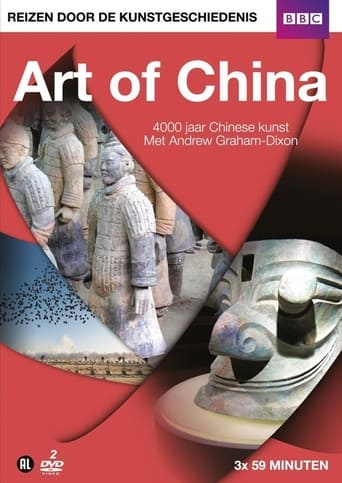
Andrew Graham-Dixon undertakes an epic journey to uncover the art of China.
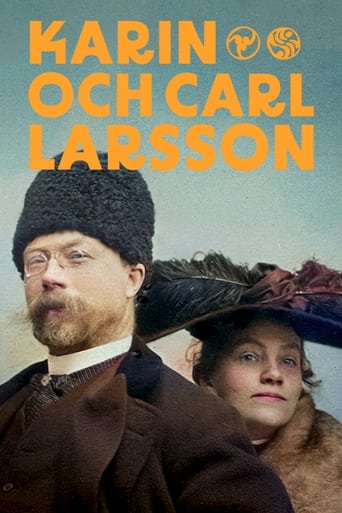

Simon Schama explores the history of British portraiture, revealing the stories behind the most compelling images in British art and examining the ways portraiture is used to make a statement.
Women write art history – but in turn are systematically ignored by it. LOST WOMEN ART tells the story of the suppressed female avant-garde and by doing so introduces a new art history.
In his most personal project to date, Simon Schama looks back at the dramatic history that has played out in his lifetime. Best known for writing history, he has lived a fair bit of it too. Born in 1945, on the night of the bombing of Dresden, Simon grew up as part of a generation determined to rebuild the world from the ashes of war. In this film, he reveals the stories of artists and writers who have been at the forefront of the fight for truth and democracy, often at great personal cost.
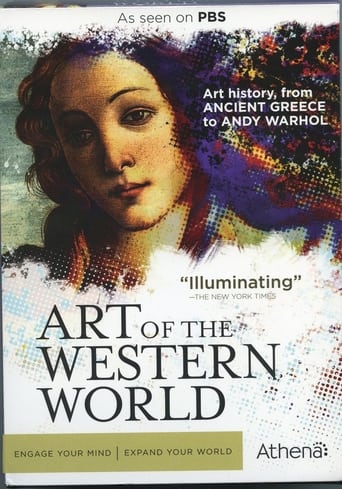
First broadcast on October 2, 1989, these 18 original 30-minute episodes provide a panorama of 2000 years of architecture, painting and sculpture, and studies the art masterpieces as reflections of the Western culture that produced them.
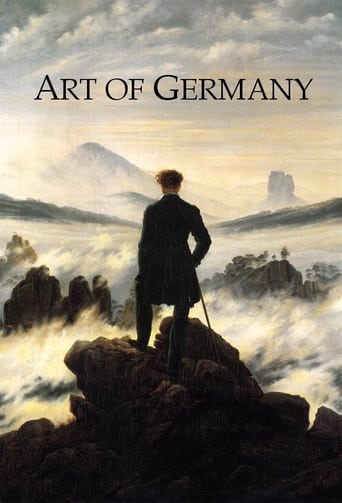
In an absorbing study, Andrew Graham-Dixon tells the story of a national art that conveys passion, precision, hope and renewal. He juxtaposes escapism with control and a deep affinity with nature against love for the machine. The fascinating story takes us from the towering cathedral of Cologne, the woodcuts of Albrecht Dürer and paintings of Grünewald to the gothic fairytale Neuschwanstein Castle, the Baltic landscapes of Caspar David Friedrich and the industrialisation lent expression of Adolph Menzel and Käthe Kollwitz. As the series progresses, it presents a rare focus on the cultural impact of Hitler's obsession with visual art, reveals how art became an arena for the Cold War and examines the redemptive work of the "visionary" Joseph Beuys – the most influential artist of modern times.
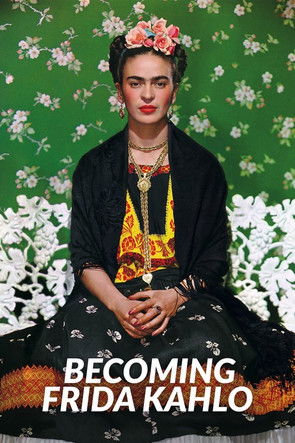
A look into Frida Kahlo's world, revealing an artist driven by politics, power, sex and identity, with her epic love affair with Diego Rivera at the heart of it all.
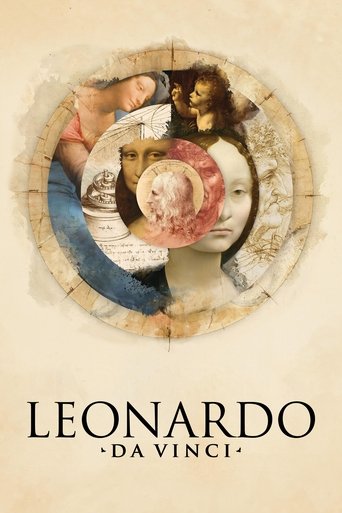
This two-part, four-hour documentary delves into the world of a 15th-century art titan and unravels his journey while shedding light on his lasting impact on future generations.
This series is immersing you into the greatest museums of the world. The occasion to discover the quality and variety of the art collections exhibited in the most renowned museums across continents, from Europe or America to Asia and more.

The series Houses of Art takes viewers to places where great artists lived, worked, and found inspiration. It is in these settings that masterpieces were created and personal dramas unfolded—offering a cinematic journey of discovery through the landmarks of European art history. Far from the bustle of the world, artists found creative momentum in homes that still bear the imprint of their genius today, attracting visitors from all corners of the globe.
Historian Simon Schama recounts the story of eight moments of high drama in the making of eight artistic masterpieces.

Supported by stunning 3D graphics, Dr. Darius Arya explains the purpose and architectural significance of ancient Roman buildings.

Behind the closed doors of a museum, famous paintings lead lives of their own. This short film series playfully reimagines masterpieces from across the history of art through humorous reenactments. From gaming and heartbreak to gossip, nothing is too wild to stay within the frame.
Channel 4 documentary series covering all branches of the arts.

Andrew Graham-Dixon examines the history of French art, revealing how it emerged from a struggle between tradition and revolution, and rulers and citizens. He compresses centuries of culture into three thematically linked chapters.
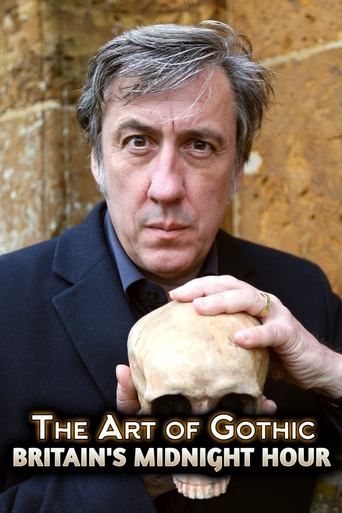
Andrew Graham-Dixon explores how a group of 19th-century architects and artists spurned the modern age and turned to Britain's medieval past to create iconic works and buildings.
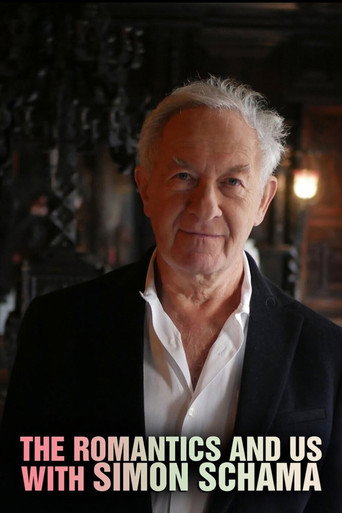
From popular revolt to the obsession with the self, even to modern nationalism, Simon Schama explores the enduring and powerful legacy the Romantics have left on our modern world.

Art historian Andrew Graham-Dixon travels through time to unlock the world of Russian art.

Mythos is a three-part documentary that consists of a series of lectures given by Joseph Campbell. Campbell conceived of the original lectures, filmed over the last six years of his life, as a summation of what he had learned about the human mythic impulse, in terms of psychology, ethnology and comparative mythology—what he called "the one great story of mankind."