
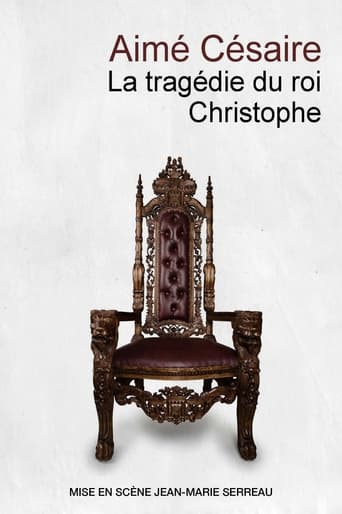
La Tragédie du Roi Christophe
1965-01-01 · Runtime unavailable · ★ 10.0
Trailers are previews, not full movies.
No authorized playback source configured. Use the legal watch options below.
Production details
- Directors
- Jean-Marie Serreau
- Production companies
- Unavailable
- Countries
- Unavailable
- Status
- Released
Top Cast
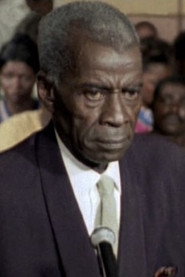 Douta SeckLe Roi Christophe
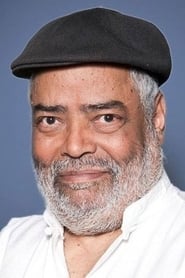 Med HondoMagny
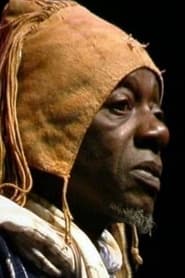 Akonio DoloL'enfant de choeur - Congo
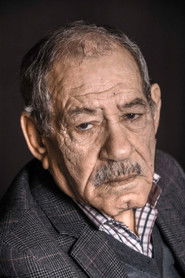 Ahmed BenaissaJuan de Dios-Martial Besse
 Jean-Marie SerreauLe maître de cérémonies-Franco de Médina
 Armand AbplanalpCorneille Brelle-Stewart
 Hervé DenisPaysan
 Désiré EcaréPräsidentin des Staatsrats
Title information and images are supplied by TMDb. Explore our discovery guide for advice on comparing metadata and legal viewing options.
Where to watch
Availability provided by JustWatch via TMDb. Offers can change. Provider links are listed on TMDb; full playback requires a separately authorized source.
Availability not listed for this country.
Seasons & episodes
Recommendations
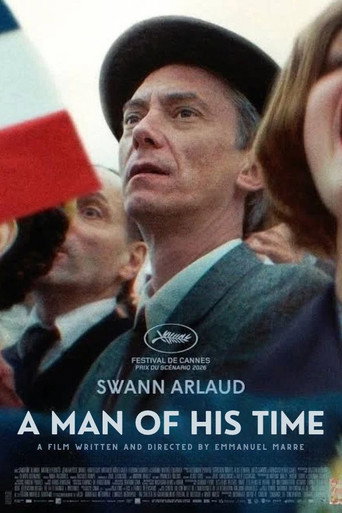
September 1940. Henri Marre arrives alone in Vichy as the authoritarian regime settles in. Broke, estranged from his family, and carrying copies of his self-published manifesto Notre Salut (Our Salvation), the 49-year-old is determined to secure what he believes is his rightful place in the new administration. In his writing, Henri sets out his patriotic convictions and his engineer’s methodology: efficiency above all. Claiming he wants to help save France after defeat, he does whatever is required to remain useful, serving the machinery of the new order with increasing skill. But he may be pursuing something more urgent: escape from his own ruin
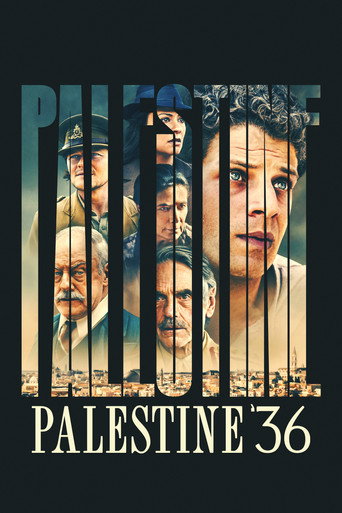
Year 1936. As villages across Palestine rise against British colonial rule, Yusuf drifts between his rural home and the restless energy of Jerusalem, longing for a future beyond the growing unrest. But history is relentless. With rising numbers of Jewish immigrants escaping antisemitism in Europe and some arriving with nefarious Zionist-colonial ambitions, and the Palestinian population uniting in the largest and longest uprising against Britain’s 30-year dominion, all sides spiral towards inevitable collision in a decisive moment for the British Empire and the future of the entire region.
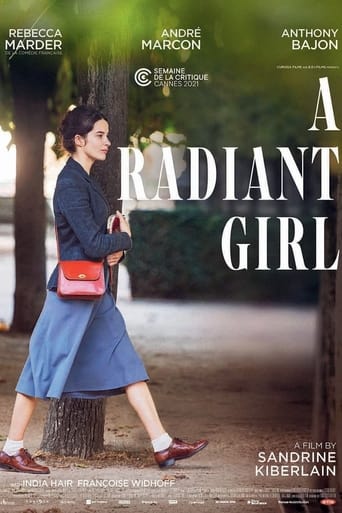
Paris, summer 1942. Irene is a young, bubbly, 19-year-old Jewish girl. Her family watches her discover the world, friends, new love and a passion for the theatre. The aspiring actress is living her youthful life without a care in the world, but she does not know that time may be running out.
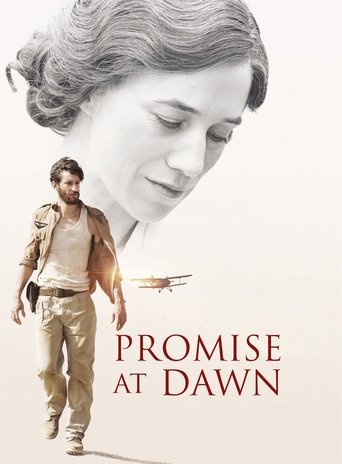
From his childhood in Poland to his adolescence in Nice to his years as a student in Paris and his tough training as a pilot during World War II, this tragi-comedy tells the romantic story of Romain Gary, one of the most famous French novelists and sole writer to have won the Goncourt Prize for French literature two times.
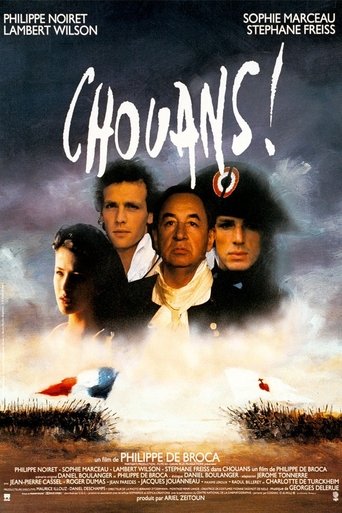
Directed by Philippe de Broca, the film recounts a bloody episode of the French Revolution. 1793, the Terror . In Vendée and in Bretagne, the chouans are revolting against the young Republic and fight for the monarchy restauration. The civil war divides also the family of the Count Savinien de Kerfadec, a liberal and generous noble and a flying machines inventor.

Paris, France, December 1897. The young playwright Edmond Rostand feels like a failure. Inspiration has abandoned him. Married and father of two children, desperate and penniless, he persuades the great actor Constant Coquelin to perform the main role in his new play. But there is a problem: Coquelin wants to premiere it at Christmas and Edmond has not written a single word.
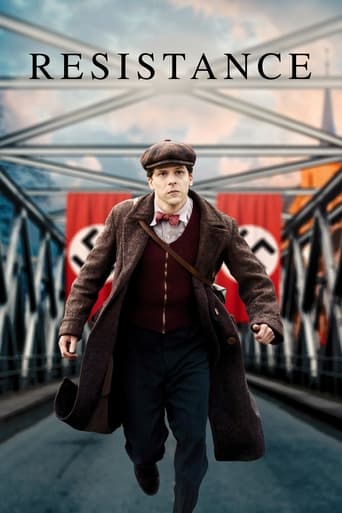
The story of mime Marcel Marceau as he works with a group of Jewish boy scouts and the French Resistance to save the lives of ten thousand orphans during World War II.
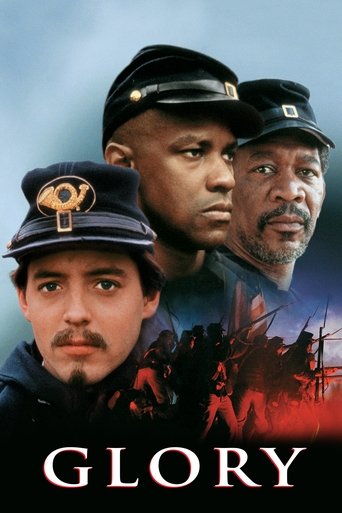
Robert Gould Shaw leads the US Civil War's first all-black volunteer company, fighting prejudices of both his own Union army and the Confederates.
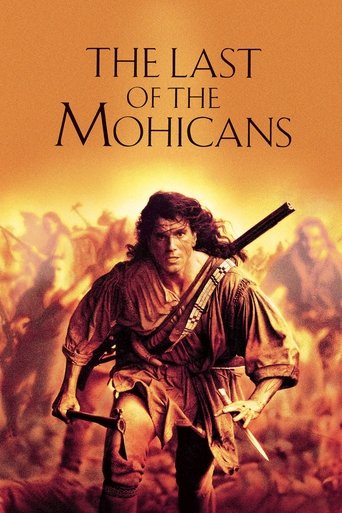
In war-torn colonial America, in the midst of a bloody battle between British, the French and Native American allies, the aristocratic daughter of a British Colonel and her party are captured by a group of Huron warriors. Fortunately, a group of three Mohican trappers comes to their rescue.
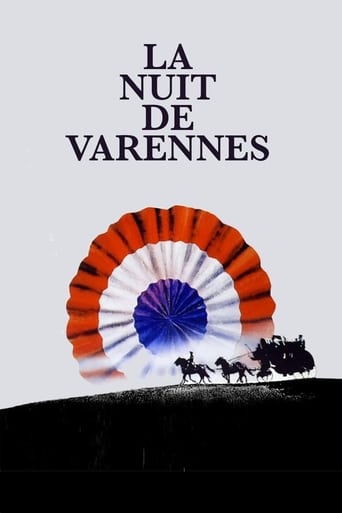
During the French Revolution, a surprising company shares a coach, trying to catch up something - the time itself, perhaps.
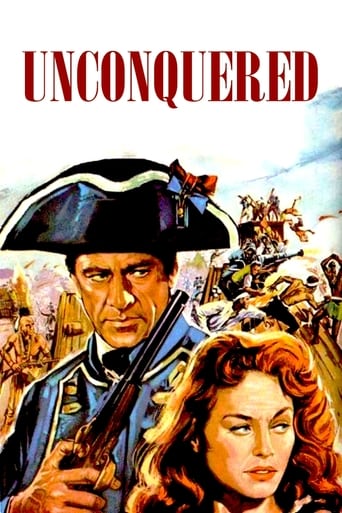
England, 1763. After being convicted of a crime, the young and beautiful Abigail Hale agrees, to escape the gallows, to serve fourteen years as a slave in the colony of Virginia, whose inhabitants begin to hear and fear the sinister song of the threatening drums of war that resound in the wild Ohio valley.
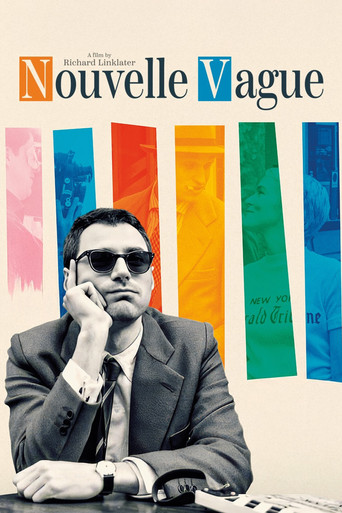
After writing for Cahiers du cinéma, young Godard decides making films is the best film criticism. He gets Beauregard to fund a low-budget feature, creating a treatment with Truffaut about a gangster couple.

A WWII veteran escapes his care home in Northern Ireland and embarks on an arduous but inspirational journey to France to attend the 75th anniversary of the D-Day landings, finding the courage to face the ghosts of his past.
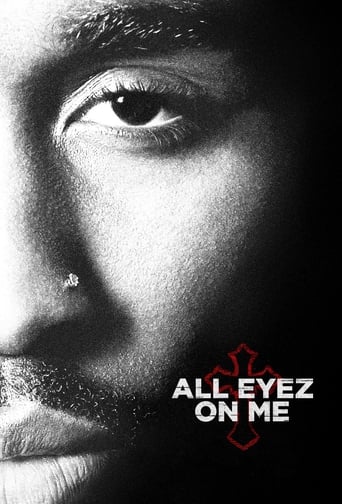
All Eyez on Me chronicles the life and legacy of Tupac Shakur, including his rise to superstardom as a hip-hop artist, actor, poet and activist, as well as his imprisonment and prolific, controversial time at Death Row Records. Against insurmountable odds, Tupac rose to become a cultural icon whose career and persona both continue to grow long after his passing.
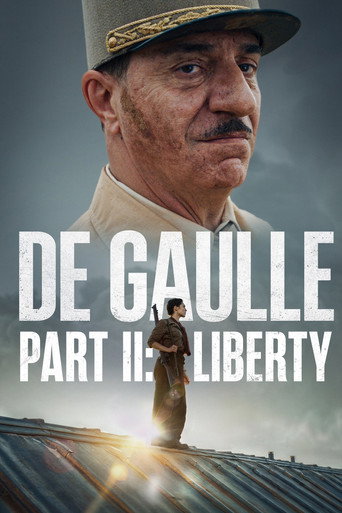
While World War II is raging, General De Gaulle seeks to convince the world that the battle for France not lost. Reality seems determined to prove him wrong. Yet, little by little, resistance fighters, rebellious students and determined soldiers rise up. Their faith, audacity and thirst for freedom defy what history seemed to have written in advance.
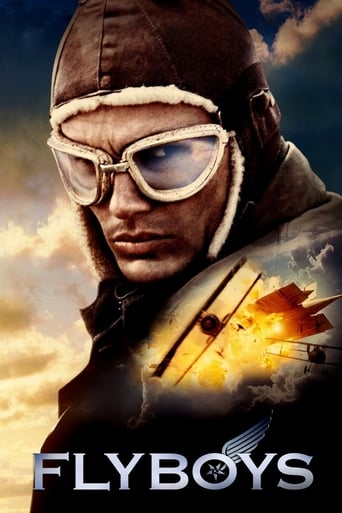
The adventures of the Lafayette Escadrille, young Americans who volunteered for the French military before the U.S. entered World War I, and became the country's first fighter pilots.
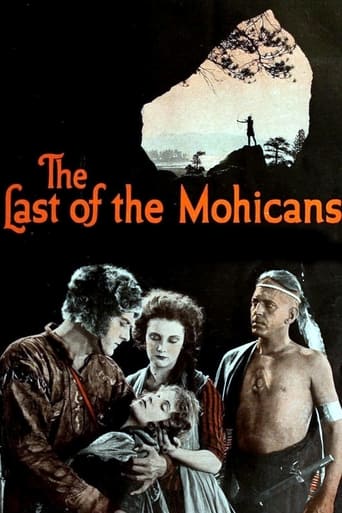
As Alice and Cora Munro attempt to find their father, a British officer in the French and Indian War, they are set upon by French soldiers and their cohorts, Huron tribesmen led by the evil Magua. Fighting to rescue the women are Chingachgook and his son Uncas, the last of the Mohican tribe, and their white ally, the frontiersman Natty Bumppo, known as Hawkeye.
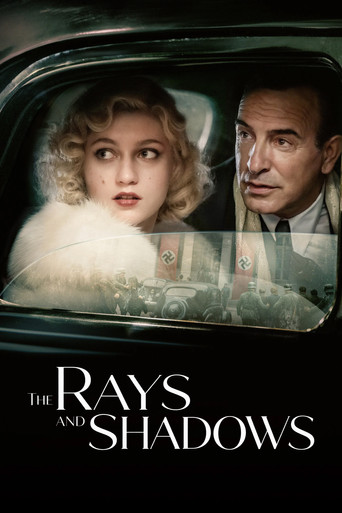
Jean and Otto, a French newspaperman and a young German Francophile, are fighting for peace in Europe. Jean’s daughter, Corinne, is launching a brilliant acting career in the film world, but war breaks out and France is occupied. The two friends have a major role to play in this new France. Jean becomes a big press baron and an ardent advocate of collaboration with the occupying forces, while Otto becomes the Reich’s ambassador in Paris. Corinne, meanwhile, finds herself thrown into the lion’s pit.
In 1415, in the midst of the Hundred Years' War, the young King Henry V of England embarks on the conquest of France.

World premiering on the Plage, it tells the story of « the little fiancée of the Atlantic », who’s career reached its peak with her victory of the Route du Rhum in 1990.
Similar titles
The former French colonies in Central and West Africa have been independent since 1960, but most of these countries still use the currency of the former oppressor: the CFA franc. It was linked to the French franc when it was introduced, so the national bank in Paris controlled monetary policy. Now the currency has a fixed exchange rate with the euro. The link with the European currency strongly influences the monetary policy of CFA countries. And that means the value of the CFA franc is defined by political decisions taken elsewhere, rather than by the domestic economy.
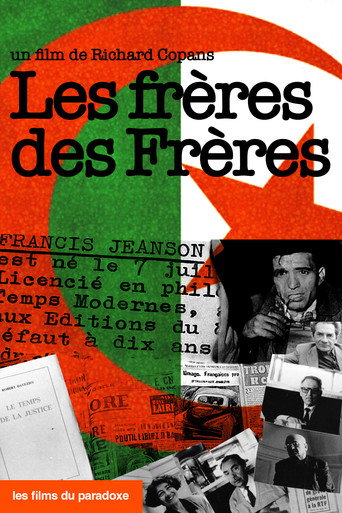
From 1954 to 1962, during the Algerian War, French citizens provided concrete assistance to the FLN in France: sheltering refugees, forging documents, facilitating border crossings, and transporting funds. Whether committed to the ideals of the Republic or driven by Third Worldist revolutionaries, they sought to build a bridge of friendship between nations. They paid for their commitment with imprisonment and exile. Four veterans of the Jeanson network recall this period. Today, they are no longer seen as traitors or heroes, but as witnesses recounting "their" war... Silent for 30 years, the "Jeanson network" now bears witness to this history.
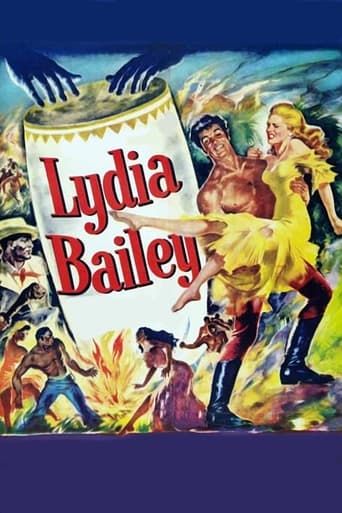
A young Boston lawyer, Albron Hamlin, goes to Haiti in 1802 to find Lydia Bailey, whose estate he must settle. The island is war-torn in the strife between Toussaing L'Overture, the black president, and the French who are trying to retake possession of the country. Hamlin finds Lydia and, against the background of war and rebellion, they fall in love while helping the Haitians against the French.
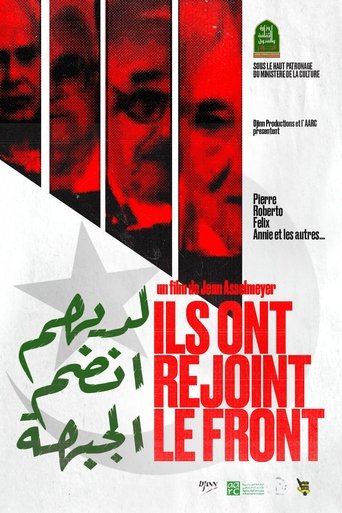
In this film, four key witnesses, who live in Algeria today, as full-fledged Agerians, show us what this colonization was really like, so "beneficial" that they themselves perceived it as the oppression of one people by another. Three of them, who today would be called "pieds noirs," in other words, those Europeans to whom France, the occupying power, gave the best land, taken from the indigenous populations, work, and exclusive rights, not shared by the entire population, lived rather well compared to the majority of the "natives." The fourth was far from all that and lived in Argentina. Annie Steiner, Felix Colozzi, Pierre Chaulet, and Roberto Muniz explain to us what led them to show solidarity with the struggle of the weak, the humiliated, and to risk their freedom and their lives by committing to liberate Algeria.
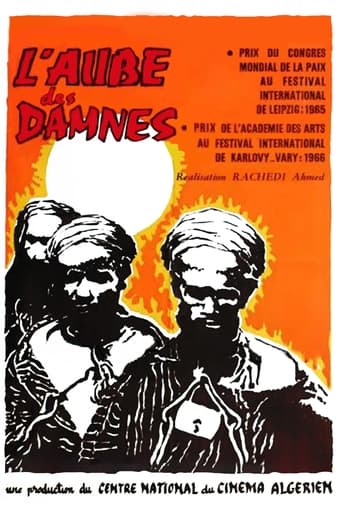
This excellent feature-length documentary - the story of the imperialist colonization of Africa - is a film about death. Its most shocking sequences derive from the captured French film archives in Algeria containing - unbelievably - masses of French-shot documentary footage of their tortures, massacres and executions of Algerians. The real death of children, passers-by, resistance fighters, one after the other, becomes unbearable. Rather than be blatant propaganda, the film convinces entirely by its visual evidence, constituting an object lesson for revolutionary cinema.
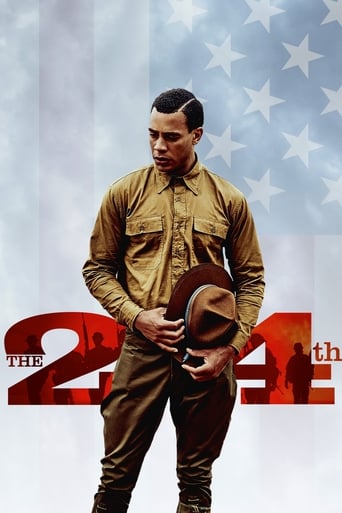
The incredibly powerful and timely true story of the all-black Twenty-Fourth United States Infantry Regiment, and the Houston Riot of 1917. The Houston Riot was a mutiny by 156 African American soldiers in response to the brutal violence and abuse at the hands of Houston police officers.
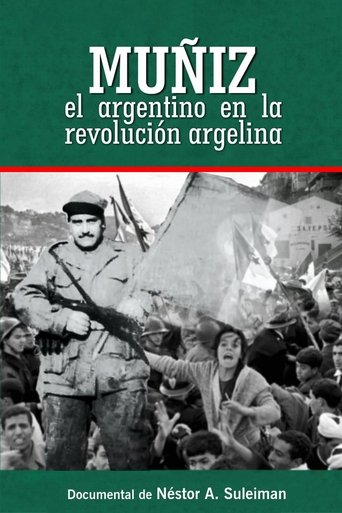
Roberto Muniz, nicknamed "Mahmoud the Argentinian," was a revolutionary fighter who joined the National Liberation Army in 1959 to support the Algerian cause in the war of independence against France. He joined a clandestine group that manufactured weapons and ammunition to be transported to Algeria to support the revolution that began in 1954. After the war, the Algerian government invited the mujahid to stay, an offer he accepted to begin a new life as an employee of Sonnelgaz and a member of the General Union of Algerian Workers (UGTA), accompanied by his wife Alfonsa, a textile union activist who came from Argentina to join this North African adventure.
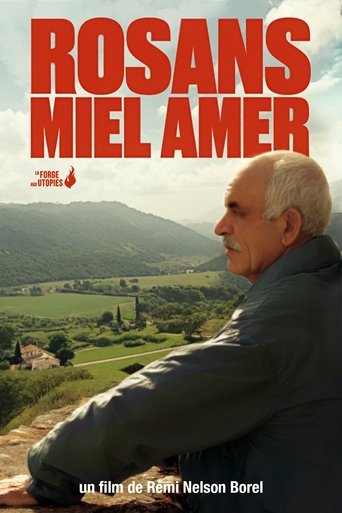
In 1963, Rosans, a village in the Hautes-Alpes region depopulated by the rural exodus, welcomed Harkis (military soldiers) forced to leave Algeria for supporting France during the Algerian War. Around thirty families settled in a camp below Rosans. Nearly half a century after their arrival, first- and second-generation Harkis and native Rosanais recount their experiences of this culture clash, often painful, sometimes happy. Language barriers, religious differences, living in barracks for 14 years, and unemployment were all obstacles to overcome in order to be accepted and then achieve mutual enrichment. Enriched with archive footage to explain the historical context of the time, the film seeks above all to express feelings and unspoken words.

Parisian authorities clash with the Front de Libération Nationale (FLN) in director Alain Tasma’s recounting of one of the darkest moments of the Algerian War of Independence. As the war wound to a close and violence persisted in the streets of Paris, the FLN and its supporters adopted the tactic of murdering French policemen in hopes of forcing a withdrawal. When French law enforcement retaliated by brutalizing Algerians and imposing a strict curfew, the FLN organizes a peaceful demonstration that drew over 11,000 supporters, resulting in an order from the Paris police chief to take brutal countermeasures. Told through the eyes of both French policemen as well as Algerian protestors, Tasma’s film attempts to get to the root of the tragedy by presenting both sides of the story.
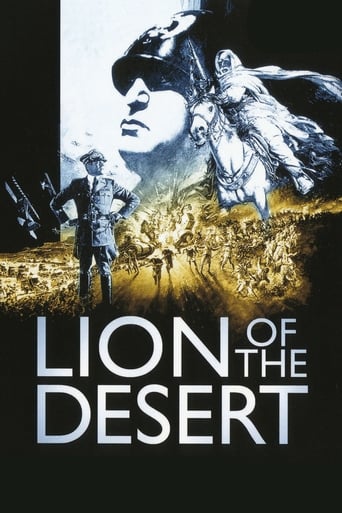
Resistance leader Omar Mukhtar opposes Italian colonization before World War II. The brutal guerrilla war against Italian General Rodolfo Graziani and the Fascist forces of Benito Mussolini highlights the struggle for Libyan independence and the harsh tactics utilised by the colonisers.
Take a trip back to Utah in the ’70s, when a new emerging culture clashed with tradition and institution. More than just disco and drugs, the 1970s were a time of great upheaval, socially, politically, and economically. Hear it from the mouths of the people who lived it, and see how the 1970s helped define Utah as a place for growth and a groovy new outlook on life.
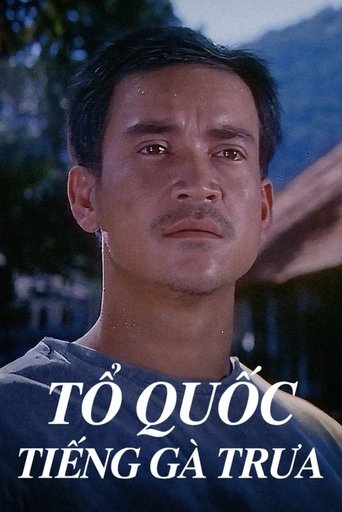
While being imprisoned on a remote island for leading a naval-yard workers' strike, a man reminisces about his former days as a naval mechanic and the life back in his hometown.
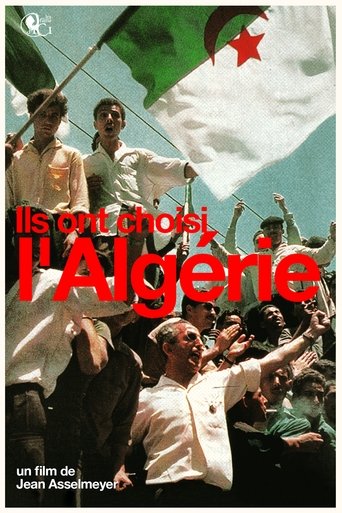
Many of them participated in the struggle for Algerian independence. There are "those who believed in heaven", priests, Christians committed against torture, friends of the "natives", there are "those who did not believe in it", communist activists, students, progressive intellectuals, others remained in this country because they could not imagine living anywhere other than in this land of all passions. They are European and chose to stay in Algeria after independence, most of them opted for Algerian nationality. The film is another vision of the history of Algeria from the end of the fifties to the present day, told by these Europeans filmed at home, or in the context of their activities, illustrated by unpublished archive documents.
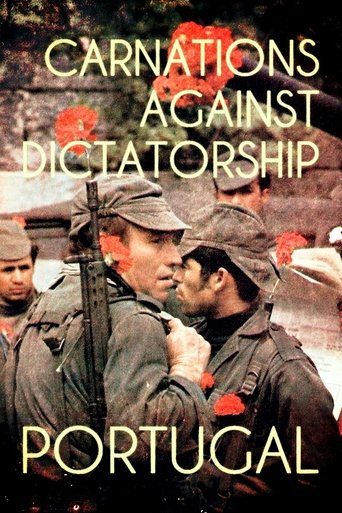
In Portugal, during the night of April 24-25, 1974, a peaceful uprising put an end to the last government of the Estado Novo, the authoritarian regime established in 1933 by dictator António de Oliveira Salazar (1889-1970), paving the way for full democracy: a chronicle of the Carnation Revolution.
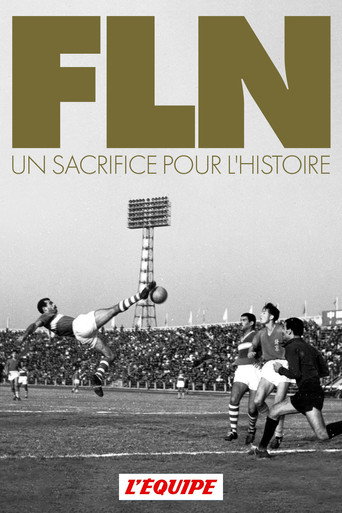
In 1958, in the midst of the Algerian War and two months before the World Cup, the French Football Federation (FFF) discovered on April 15th that nine of its players of Algerian origin had secretly left France to join the headquarters of the National Liberation Front (FLN) in Tunis, where the Provisional Government of the Algerian Republic (GPRA) was based. They chose to leave everything behind—careers, fame, money—to support the FLN cause: the independence of the Algerian people. Their daring escape was worthy of a thriller and made headlines across the international press. For four years, the FLN team toured the world and became the standard-bearer for a people. FIFA refused to recognize the team and threatened federations that played against it with sanctions. Nevertheless, the team made a lasting impression with 57 wins, 14 draws, and 12 losses in 83 matches. Ferhat Abbas, president of the GPRA, told them, "You have gained ten years for the cause of independent Algeria."
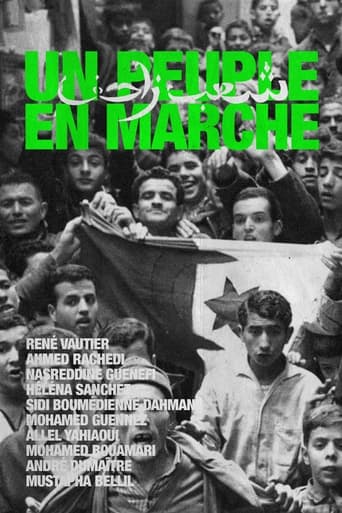
Collectively directed by the members of the Centre audiovisuel d'Alger at Ben Aknoun, the film traces, in two parts, Algeria's recent history, from colonial repression to the birth of the National Liberation Army, and the country's postwar reconstruction, framed in sympathy with the socialist project of Ahmed Ben Bella's government. Released in 1964, the film was banned and sealed after Houari Boumediene's June 1965 coup, precisely because of its favorable treatment of Ben Bella.
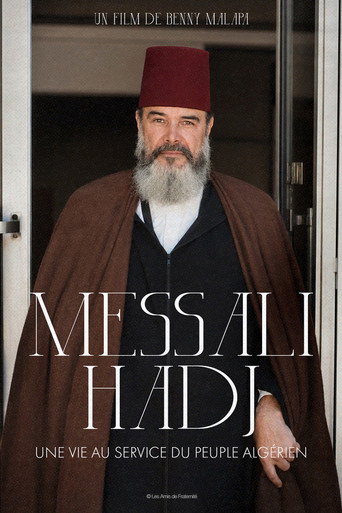
The life and political activism of Messali Hadj (1898-1974), an Algerian internationalist politician who played a pioneering role in the process leading to Algerian independence, which he demanded as early as 1927. He was initially secretary of the North African Star (ENA), then in 1937 he founded the Algerian People's Party (PPA), in 1946 he founded the Movement for the Triumph of Democratic Liberties (MTLD), and finally in 1954, the Algerian National Movement (MNA). In 1937, the leadership of the North African Star (ENA) created its flag, green with a white star and crescent. Messali Hadj's wife, Emilie Busquant-Messali, simply sewed this ENA flag by machine; it would later become the flag of the PPA. In 1943, Messali Hadj, in conjunction with the party leadership, created the ENA-PPA flag, green and white with a red star and crescent, which would later become the current flag of the People's Democratic Republic of Algeria.
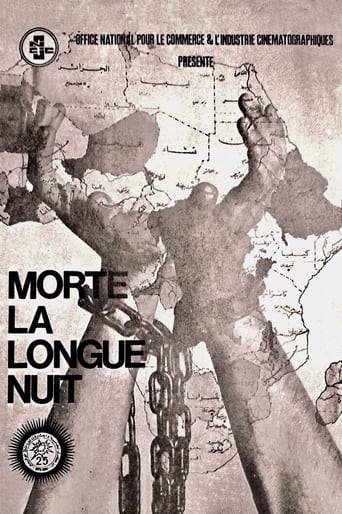
Composed of archive images narrated by the writer, anthropologist and linguist Mouloud Mammeri, the film offers a reflection on the anti-colonialist and anti-imperialist struggle movements of the 1970s around the world.
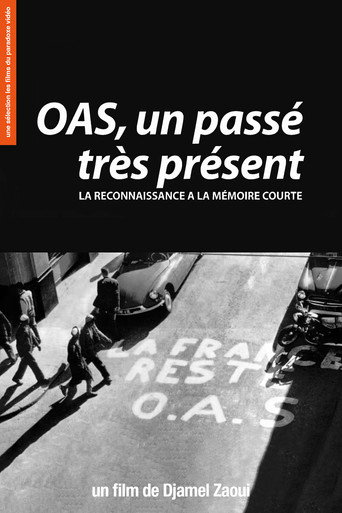
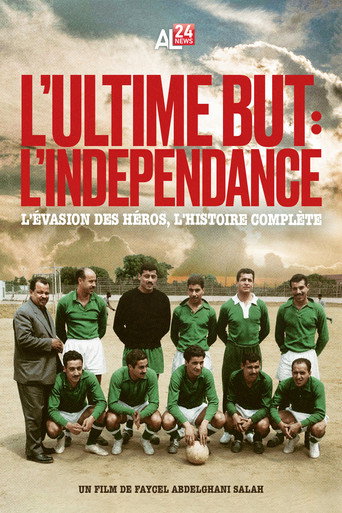
Delve into the story of the Algerian footballers who traded European pitches to join the fight for independence. In 1958, in the midst of the War of Independence, talented players secretly left their clubs to form the FLN team – a living symbol of the Algerian people's struggle. This clandestine team, banned by FIFA, served as a mouthpiece for the Algerian provisional government until 1962. Footballer Rachid Mekhloufi explained: “This departure of the best Algerian players playing in France was no accident. With the control of the media, few French people knew what was happening in Algeria. The FLN representatives in France were ahead of the curve in terms of publicity. Truly ahead of the curve, because a move like this allowed the French people and the rest of the world to open their eyes.”