Chimurenga - The War in Zimbabwe
1978-01-01 · 51 min · Not rated
A documentary covering the Second Chimurenga, the Zimbabwean War of Liberation.
Trailers are previews, not full movies.
No authorized playback source configured. Use the legal watch options below.
Production details
- Directors
- Antonia Caccia
- Production companies
- Unavailable
- Countries
- South Africa, United Kingdom
- Status
- Released
Top Cast
Cast unavailable.
Title information and images are supplied by TMDb. Explore our discovery guide for advice on comparing metadata and legal viewing options.
Where to watch
Availability provided by JustWatch via TMDb. Offers can change. Provider links are listed on TMDb; full playback requires a separately authorized source.
Availability not listed for this country.
Seasons & episodes
Recommendations

A documentary on the expletive's origin, why it offends some people so deeply, and what can be gained from its use.

Through deeply personal interviews with her siblings and an examination of the photographs, letters, and belongings left behind, Mariska assembles a new portrait of her mother Jayne Mansfield, an extraordinary and complex woman.

When Allied forces liberated the Nazi concentration camps in 1944-45, their terrible discoveries were recorded by army and newsreel cameramen, revealing for the first time the full horror of what had happened. Making use of British, Soviet and American footage, the Ministry of Information’s Sidney Bernstein (later founder of Granada Television) aimed to create a documentary that would provide lasting, undeniable evidence of the Nazis’ unspeakable crimes. He commissioned a wealth of British talent, including editor Stewart McAllister, writer and future cabinet minister Richard Crossman – and, as treatment advisor, his friend Alfred Hitchcock. Yet, despite initial support from the British and US Governments, the film was shelved, and only now, 70 years on, has it been restored and completed by Imperial War Museums under its original title "German Concentration Camps Factual Survey".

A visual montage portrait of our contemporary world dominated by globalized technology and violence.

In an intimate and joyful story of love in the face of loss, celebrated poets Andrea Gibson and Megan Falley find strength—and unexpected hilarity—in what might be their final year together.

A documentary about the life and films of director John Ford.

A string of threatening emails escalates into a revenge plot involving a newly married US marshal and his ex-girlfriend.

A documentary that explores the downloading revolution; the kids that created it, the bands and the businesses that were affected by it, and its impact on the world at large.
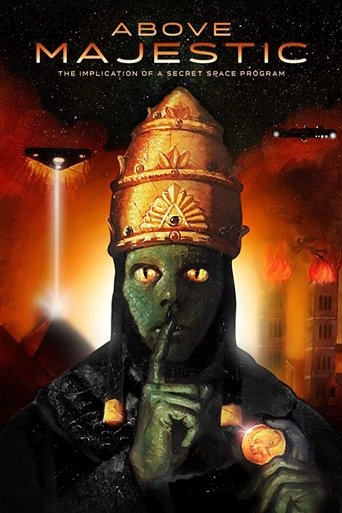
A look at the origins, history and conspiracies behind the "Majestic 12", a clandestine group of military and corporate figureheads charged with reverse-engineering extraterrestrial technology.

An inside look at one of the most anticipated movie sequels ever with James Cameron and cast.
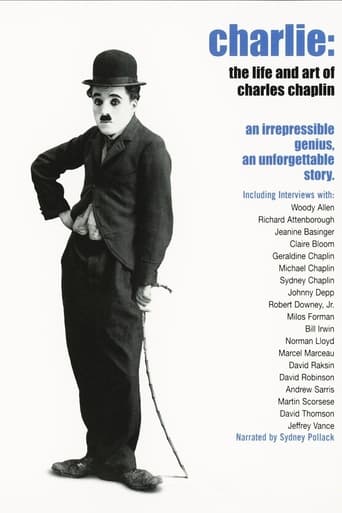
Brilliant, long in-the-works story of the life and art of the world's greatest comedian and the cinema's first genius, Charlie Chaplin. Produced, written and directed by renowned film critic Richard Schickel.

Using the book 'Fragments', which collects Marilyn Monroe's poems, notes and letters, and with participation from the Arthur Miller and Truman Capote estates who have contributed more material, each of the actresses will embody the legend at various stages in her life.

A 1993 documentary film about Bruce Lee. The film includes interviews from some of his fellow students and opponents who worked alongside him in his movies.
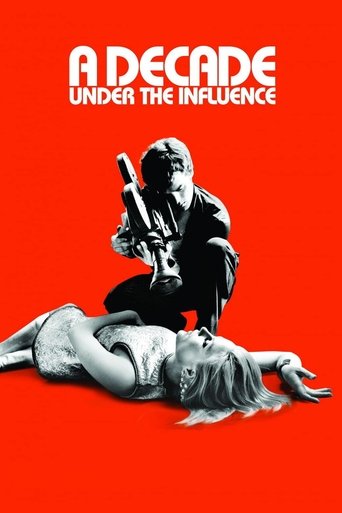
A documentary examining the decade of the 1970s as a turning point in American cinema. Some of today's best filmmakers interview the influential directors of that time.
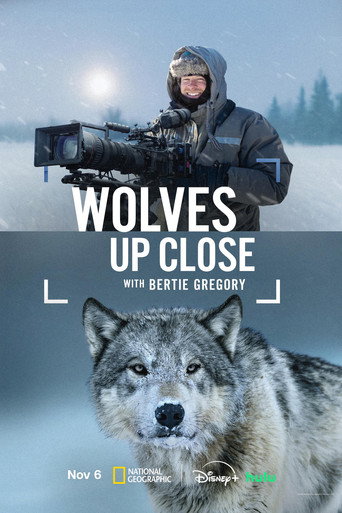
Reconnecting with a pack of wolves he has followed for seven years, Bertie sets out to capture one of the Arctic's most dangerous and rarely filmed hunts: wolves taking on a bull moose, prey roughly ten times their size. Led by Kona, a striking white breeding male, the pack faces a critical winter as dwindling food supplies, an encroaching rival wolf and an aging leader threaten its survival.

This documentary focuses on the actors and their journey over two summers to create the remake to the original IT, by Stephen King. The documentary originally released as bonus material, bundled with IT: Chapter Two.

This revealing documentary honors the legendary Sidney Poitier—iconic actor, filmmaker, and civil rights activist. Featuring interviews with Denzel Washington, Spike Lee, Halle Berry, and more.
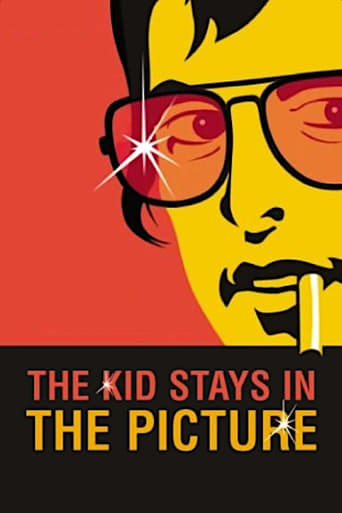
Documentary about legendary Paramount producer Robert Evans, based on his famous 1994 autobiography.
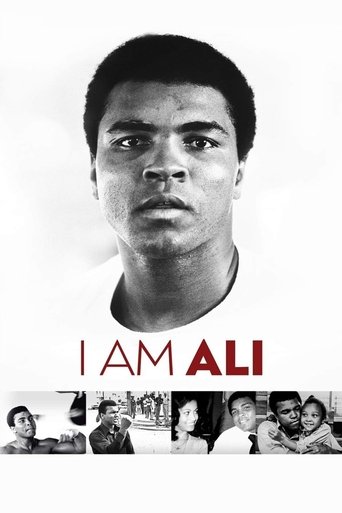
Unprecedented access to Muhammad Ali's personal archive of "audio journals" as well as interviews and testimonials from his inner circle of family and friends are used to tell the legend's life story.

From the heights of her modeling fame to her tragic death, this documentary reveals Anna Nicole Smith through the eyes of the people closest to her.
Similar titles
Denese Joy Becker, a manicurist living in Iowa, discovers she is indeed Dominga Sic Ruiz, a survivor from a 1982 Guatemalan massacre, when more than 200 people were killed in the small village of Rio Negro, after opposing the construction of a dam, sponsored by World Bank. She then tries to unveil the truth.
How’s the Big Everything? Garba asks Nicole. For them, the “Big Everything” encompasses family, politics, History, daily life, the stars, small things, and time passing like the wind. By delving into their memories, at the time of Niger’s independence, we come face to face with the complexity of the present.
A Liberian refugee SAM REAYAH and his family have been separated for five years and live in uncertainty waiting for family reunion. While Sam and his younger daughter Ruth continue their lives in Buduburam Refugee camp in Ghana, his wife Decontee and his older daughter Joyce have already started a life in Rochester, USA. The film explores the idea of home. Sam's family had a home in Liberia, but they had to give it up. They were forced to build homes elsewhere. They built a home in Ghana. They build a home in The United States. They built homes together, they build homes separate of each other. But which home does the heart want?

Jomo Kenyatta's death in 1978 brought to an end a political career that encompassed more than 50 years of African history. Kenyatta entered politics in the mid-1920s and then spent 17 years in exile in Europe. He returned to Kenya in 1946, and was elected president of the nationalist movement, the Kenya African Union. Arrested and imprisoned in 1952 for allegedly leading 'Mau Mau', he was released in 1961 and two years later became Kenya's first Prime Minister. In power, the man whom European settlers had once reviled as "the leader to darkness and death" was eulogized by them as a pillar of stability, while former allies challenged him by creating a left-leaning political opposition. Kenyatta weaves archival and contemporary images with interviews with friends and relatives, comrades and opponents, to create a biographical portrait of a key figure in 20th century politics, and a case study of what Frantz Fanon called the pitfalls of nationalism as a political force in Africa.
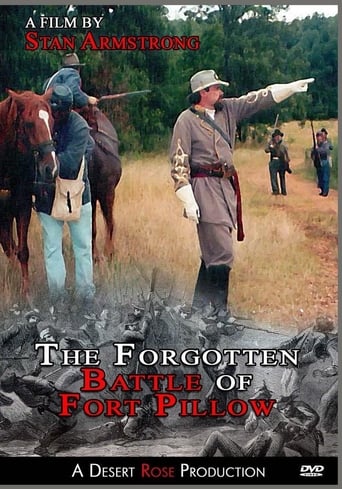
On April 12th, 1864, at an insignificant little fort, several hundred black Union soldiers fought a hopeless battle against a Confederate general who was destined to become the first Grand Wizard of the KKK. This battle had a domino effect, trickling down the long road of history. Today, it is just a footnote in most history books; however, no other event of the Civil War has had such a profound impact on the twentieth century, especially on American culture.
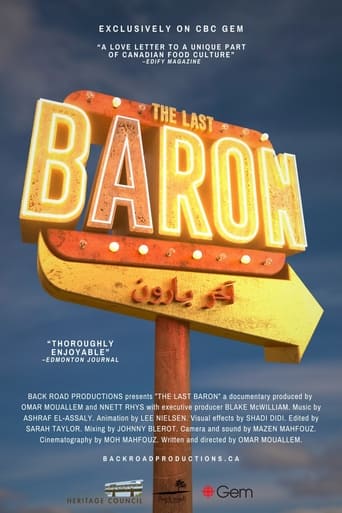
The meaty saga of Burger Baron, a rogue fast-food chain with mysterious origins and a cult following, run by a loose network of fiercely independent Arab Canadian immigrants.
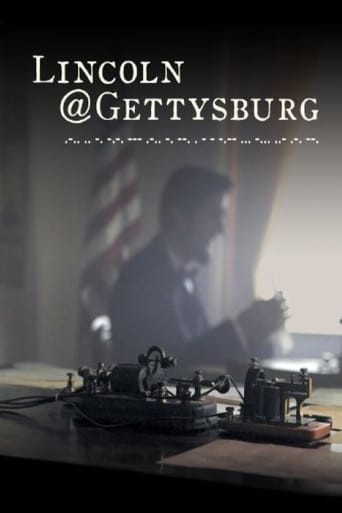
An examination of how President Abraham Lincoln used contemporary telecommunications to his maximum advantage in the American Civil War.
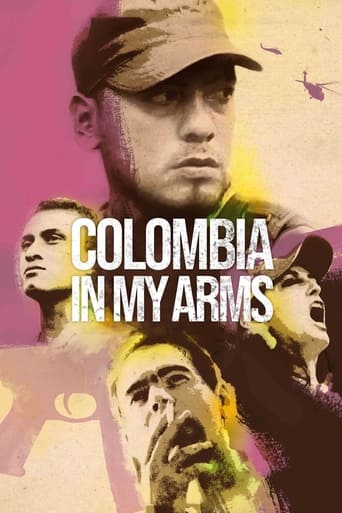
After 52 years of armed conflict the FARC guerrillas are about to hand over their arms in exchange for political participation and social inclusion of the poor. Ernesto is one of them. The much celebrated Colombian peace agreement throws Ernesto and the polarised society around him into chaos in which everyone is afraid of the future and their own survival.
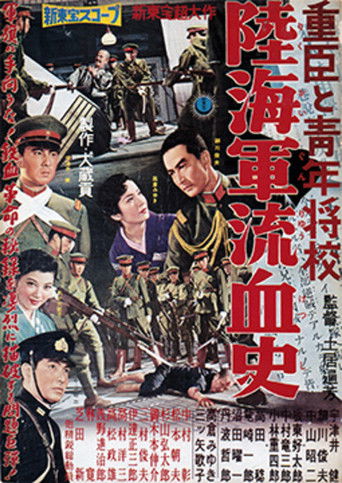
A historical film that portrays the fervent and violent actions of young Army and Navy officers, such as the February 26 and May 15 incidents, in a semi-documentary style.
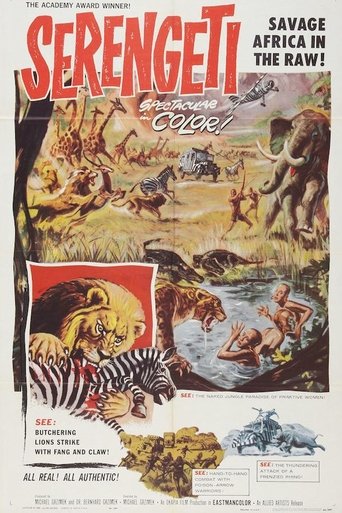
The film tells of the beginnings of the Serengeti National Park in Tanzania. At the end of the 1950s, the Tanzanian National Park Administration wanted to fence in the protected area around the Ngorongoro Crater. Bernhard and Michael Grzimek were invited by the national park administration in 1957 to get a precise picture of the animal migrations and to provide the national park administration with the values they needed for their project. Using a new counting method with two airplanes, the Grzimeks found out that the migration of the herds was different than assumed.
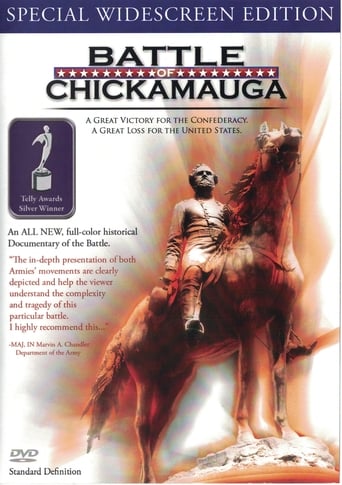
The Battle of Chickamauga proved to be one of the fiercest engagements of the American Civil War. Over a period of two days in September 1863, more than 100,000 men struggled for control of the south's most strategic transportation hub, the city of Chattanooga. Along the hills and valleys surrounding the Chickamauga Creek, over 34,000 casualties would be suffered, and the Confederate Army of Tennessee would achieve their last, great victory. Shot on location using High Definition cameras, this 70-minute documentary film dramatically recreates the battle by including more than 50 fully animated maps, period photographs, historical documents, and over 200 reenactors.
Jung is a narrative documentary that follows the human and professional adventure of its protagonists, the Afghan people in the midst of civil war.
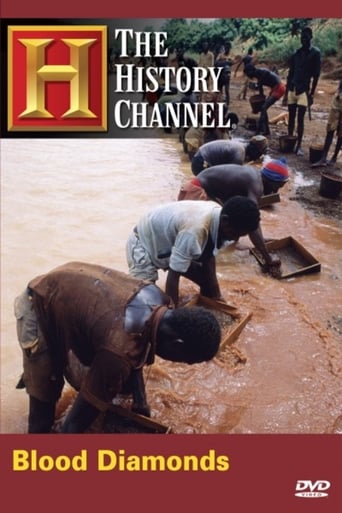
Blood Diamonds is a made-for-TV documentary series, originally broadcast on the History Channel, that looks into the trade of diamonds which fund rebellions and wars in many African nations. The program focuses primarily on two nations: Sierra Leone and Angola. Diamonds which are traded for this purpose are known as blood diamonds.
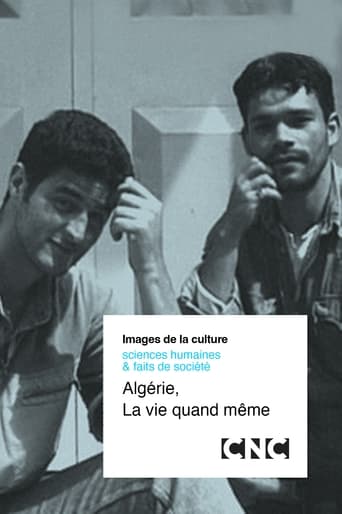
In a small town in northern Algeria during the 1990s, at the height of the dark decade that tore the country apart, three unemployed young men navigate the daily lives of life, caught between endless boredom and the anticipation of the improbable, between humor and despair. This documentary bears witness to an era from which Algeria has managed to recover, once again facing alone attempts at external destabilization, the devaluation of its local currency by the World Bank, and the interference and pressure of international financial lobbies.

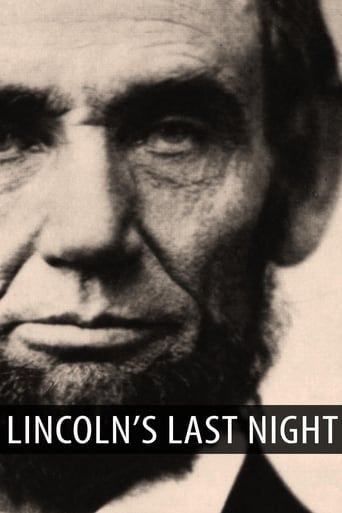
Re-enactments augment this documentary that chronicles Lincoln's journey from his early years as a rising politician through his presidency, the Civil War and to his untimely death.
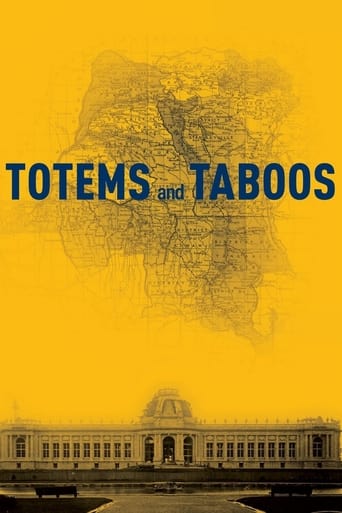
In Brussels, Belgium, the Royal Museum of Central Africa is undertaking a radical renovation, both physical and ethical, to show with sincerity, crudeness and open-mindedness the reality of the atrocities perpetrated against the inhabitants of the Belgian colonies in Africa, still haunted and traumatized by the ghost of King Leopold II of Belgium, a racist and genocidal tyrant.
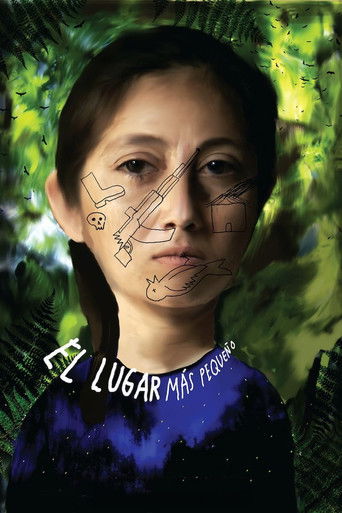
Years after the Salvadoran military destroyed the village of Cinquera in that country’s civil war, survivors have returned to rebuild their community. Soulful, beautifully rendered, this amazing debut is an evocative testament to place, memory and the power of life to rebound from tragedy.
The lives of three extraordinary African women from different social levels and origins determined to bring about radical transformations in their day to day realities: Kenyan attorney and reputed lawyer Njoki Ndung'u, Puthi Ragophala the committed school principal of a remote South African village and Zimbabwean housewife-entrepreneur, Amai Rosie.