
Kenyatta
1973-01-01 · 52 min · Not rated
Jomo Kenyatta's death in 1978 brought to an end a political career that encompassed more than 50 years of African history. Kenyatta entered politics in the mid-1920s and then spent 17 years in exile in Europe. He returned to Kenya in 1946, and was elected president of the nationalist movement, the Kenya African Union. Arrested and imprisoned in 1952 for allegedly leading 'Mau Mau', he was released in 1961 and two years later became Kenya's first Prime Minister. In power, the man whom European settlers had once reviled as "the leader to darkness and death" was eulogized by them as a pillar of stability, while former allies challenged him by creating a left-leaning political opposition. Kenyatta weaves archival and contemporary images with interviews with friends and relatives, comrades and opponents, to create a biographical portrait of a key figure in 20th century politics, and a case study of what Frantz Fanon called the pitfalls of nationalism as a political force in Africa.
Trailers are previews, not full movies.
No authorized playback source configured. Use the legal watch options below.
Production details
- Directors
- David Koff, Anthony Howarth
- Production companies
- Unavailable
- Countries
- United Kingdom
- Status
- Released
Top Cast
Title information and images are supplied by TMDb. Explore our discovery guide for advice on comparing metadata and legal viewing options.
Where to watch
Availability provided by JustWatch via TMDb. Offers can change. Provider links are listed on TMDb; full playback requires a separately authorized source.
Availability not listed for this country.
Seasons & episodes
Recommendations

Brilliant, long in-the-works story of the life and art of the world's greatest comedian and the cinema's first genius, Charlie Chaplin. Produced, written and directed by renowned film critic Richard Schickel.
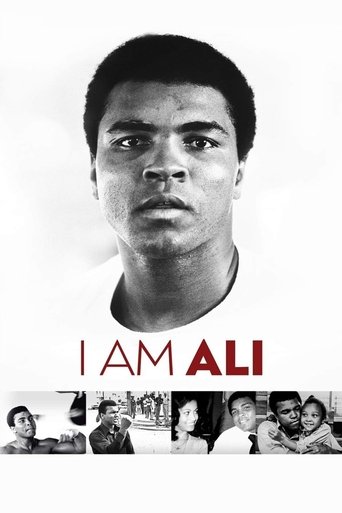
Unprecedented access to Muhammad Ali's personal archive of "audio journals" as well as interviews and testimonials from his inner circle of family and friends are used to tell the legend's life story.

Al Pacino's deeply-felt rumination on Shakespeare's significance and relevance to the modern world through interviews and an in-depth analysis of "Richard III."

In an intimate and joyful story of love in the face of loss, celebrated poets Andrea Gibson and Megan Falley find strength—and unexpected hilarity—in what might be their final year together.

Through deeply personal interviews with her siblings and an examination of the photographs, letters, and belongings left behind, Mariska assembles a new portrait of her mother Jayne Mansfield, an extraordinary and complex woman.

The life and career of an actor, artist, and icon. His own journey through his own camera.

A documentary on the expletive's origin, why it offends some people so deeply, and what can be gained from its use.
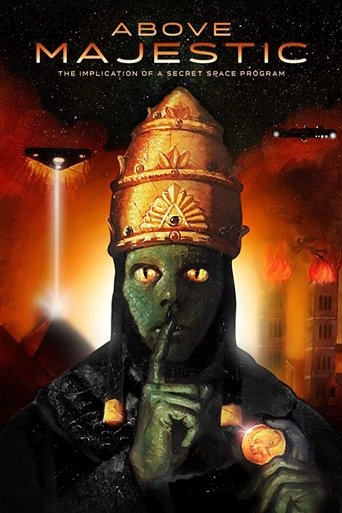
A look at the origins, history and conspiracies behind the "Majestic 12", a clandestine group of military and corporate figureheads charged with reverse-engineering extraterrestrial technology.

An inside look at one of the most anticipated movie sequels ever with James Cameron and cast.
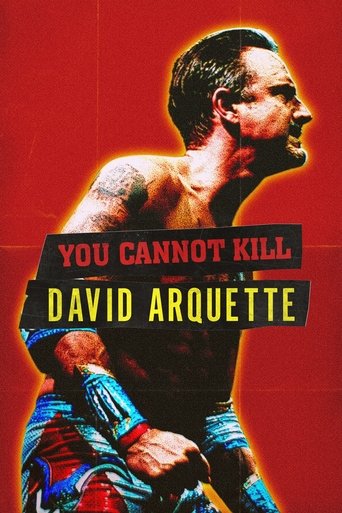
Following his infamous championship as part of a marketing stunt for the film Ready to Rumble, David Arquette is widely known as the most hated man in pro-wrestling worldwide. Nearly 20 years after he "won" the initial title, through ups and downs in his career, with his family, and with his struggles with addiction, David Arquette seeks redemption by returning to the ring...for real this time.

A compilation of over 30 years of private home movie footage shot by Lithuanian-American avant-garde director Jonas Mekas, assembled by Mekas "purely by chance", without concern for chronological order.

Director Michael Apted revisits the same group of British-born adults after a 7 year wait. The subjects are interviewed as to the changes that have occurred in their lives during the last seven years.
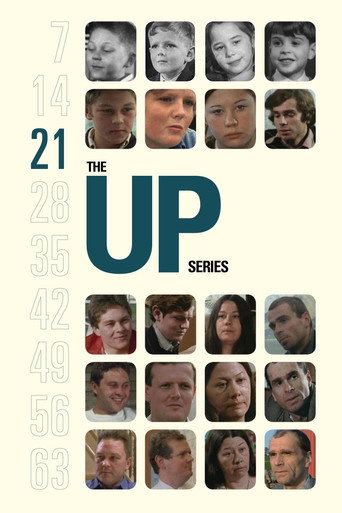
After another 7 year wait, director Michael Apted revisits the same group of British-born children from Seven Up! and 7 Plus Seven. The subjects are interviewed as to the changes that have occurred in their lives during the last seven years.
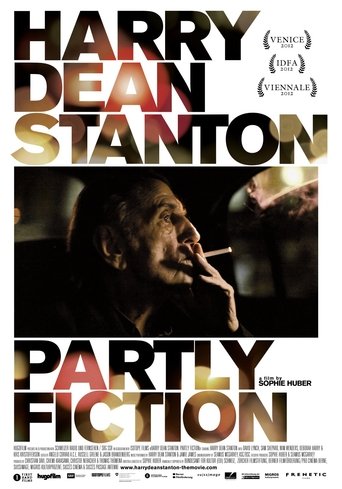
An impressionistic portrait of the iconic actor Harry Dean Stanton comprised of intimate moments, film clips from some of his 250 films and his renditions of American folk songs.
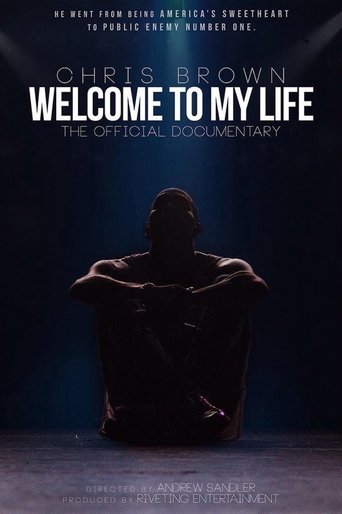
This compelling Documentary moves beyond the spotlight and past the attention-grabbing headlines to give pop superstar Chris Brown a chance to tell his own story. New interviews with the international phenomenon reveal long-awaited answers about his passion for making music, his tumultuous and much publicized relationships, and the pitfalls of coming of age in the public eye. Also included is new concert footage, behind-the-scenes access, and special interviews from Usher, Jennifer Lopez, DJ Khaled, Mike Tyson, Jamie Foxx and others.

The life of Mr. Spock, as well as that of Leonard Nimoy, the actor who played him for almost fifty years, written and directed by his son: Adam.

A documentary about the life and films of director John Ford.

This revealing documentary honors the legendary Sidney Poitier—iconic actor, filmmaker, and civil rights activist. Featuring interviews with Denzel Washington, Spike Lee, Halle Berry, and more.
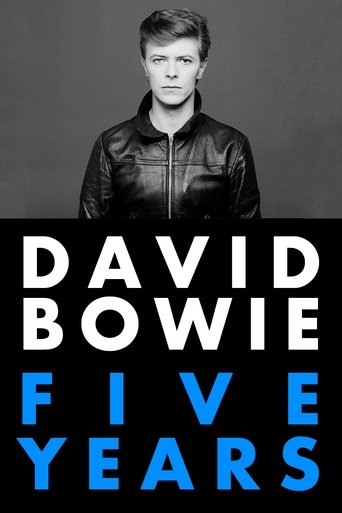
Featuring a wealth of previously unseen archive, this film looks at how Bowie continually evolved: from Ziggy Stardust to the Soul Star of Young Americans, to the ‘Thin White Duke’. It explores his regeneration in Berlin with the critically acclaimed album Heroes, his triumph with Scary Monsters and his global success with Let’s Dance. With interviews with all his closest collaborators, David Bowie - Five Years presents a unique account of why Bowie has become an ‘icon of our times’.

Artists in LA discover the work of forgotten Polish sculptor Stanislav Szukalski, a mad genius whose true story unfolds chapter by astounding chapter.
Similar titles

Honey at the Top is a film about the Sengwer forest people of the Cherangani Hills, Kenya, being evicted from their ancestral land in the name of conservation. The film centres around father of two Elias as he works with his community to try and hold onto their culture and resist the evictions. It is an intimate portrait of this community at a crossroads, facing international pressure from organisations like the World Bank, a corrupt Kenya Forest Service who are burning their houses and attempts to turn the forest into a commodity through carbon offsetting schemes.
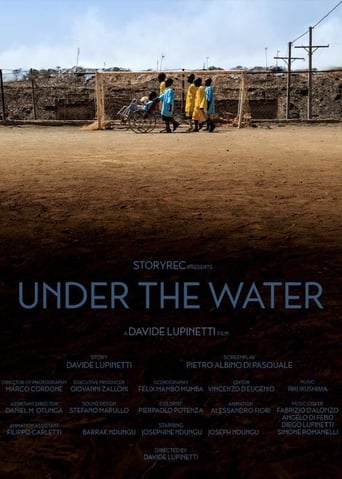
A daily life in Korogocho, Kenya, one of the world’s poorest slums.
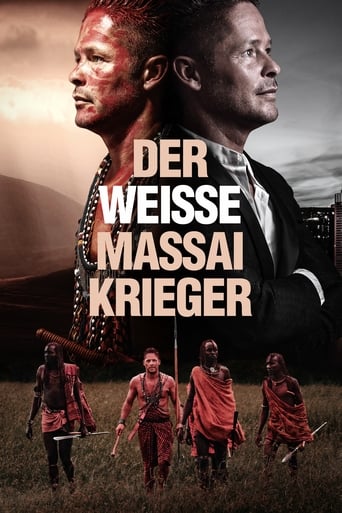
For the first time in history, a white man has been invited to become a Massai Warrior. The Massai of East Africa are one of the last tribes on earth to live as they did hundreds of years ago. Benjamin will live among the tribe, sleeping, hunting, and surviving in the bush. He will get to know their culture, their customs of dancing and playing, and learn how to conquer the dangers of the wilderness. Will he be able to become a true Massai warrior? To become a Massai is a great journey into the unknown.

This is the unusual portrait of two hunters - the cheetah and the hyena. It is a dramatic story built around the competition for prey and territory and the fight for survival.

Barely known and never seen, elephant shrews baffle even the zoologists. With their stilt-like legs and long mobile trunk, joined to the body of a large shrew with a golden bottom, they certainly deserve their name - though they are related to neither elephant not shrew! This shy, endangered creature has become the mascot of Kenya’s beautiful Arabuko National Park. The income they attract via tourism pays for the education of local children. The elephant shrew has truly become the Spirit of the Forest.

Numerous Kenyan women allege that they were raped by British soldiers from 1970 to 2003 — battered and abandoned by their husbands for bringing "shame on the community" — a number of Samburu women gathered and created "Umoja", a sex-segregated village where only women are allowed permanent residence.
Sexual violence against women is a very effective weapon in modern warfare: instills fear and spreads the seed of the victorious side, an outrageous method that is useful to exterminate the defeated side by other means. This use of women, both their bodies and their minds, as a battleground, was crucial for international criminal tribunals to begin to judge rape as a crime against humanity.

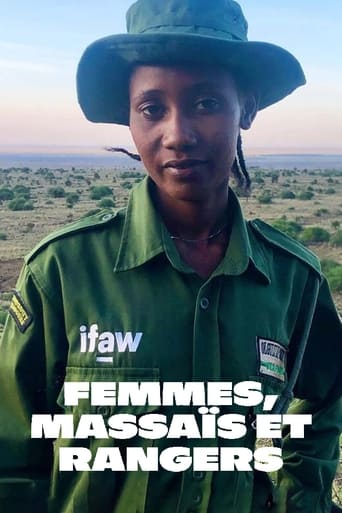
Leah and Purity are rangers in the Kenyan bushland. They roam around Amboseli National Park every day to track down wildlife. The Maasai shepherds also have their villages here. Conflicts can hardly be avoided. The young women are often called to missions to mediate or comfort. The two Maasai women themselves have to fight against discrimination
Propaganda film produced by the British Colonial Film Unit depicting everyday life in Nairobi, Kenya.
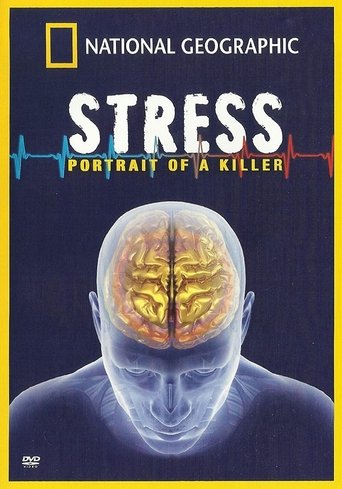
Over the last three decades, science has been advancing our understanding of stress: how it impacts our bodies and how our social standing can make us more or less susceptible. From baboon troops on the plains of Africa, to neuroscience labs at Stanford University, scientists are revealing just how lethal stress can be. Research tells us that the impact of stress can be found deep within us, shrinking our brains, adding fat to our bellies, even unraveling our chromosomes. Understanding how stress works can help us figure out ways to combat it and how to live a life free of the tyranny of this contemporary plague. In Stress: Portrait of a Killer, scientific discoveries in the field and in the lab prove that stress is not just a state of mind, but something measurable and dangerous.
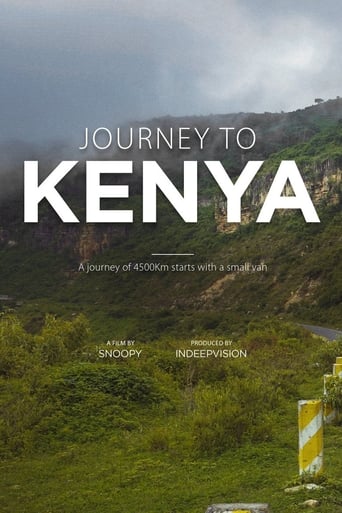
Award winning short documentary by Ibrahim Snoopy, tracks the journey of the MTC martial arts team, which decides after a civil revolution that occurred in Sudan (2018-2019). Facing of lack of the state support and weak financial means, ambitious athletes found themselves forced to travel by land from Sudan to Kenya through Ethiopia to participate in an international championship "LionHeart 2019 Nairobi Open" in Nairobi, Kenya. A journey filled with determination, resilience, hope, and full of difficulties and challenges in order to raise the name of Sudan high in international sports forums and to solidify the art of Jiu-Jitsu in Africa.
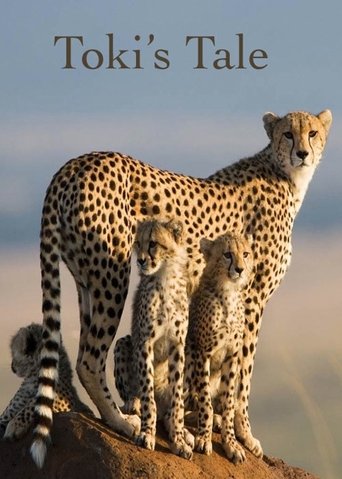
Wildlife documentary. Simon King has spent four years helping to raise two orphaned cheetah cubs, Toki and Sambu. Sambu was killed by lions, but Toki survived and Simon has continued with his attempt to return him to the wild. Simon's unique relationship with Toki has enabled him to enter the world of this high-speed hunter and share in Toki's adventures. This is a gritty and honest account of life with one of the world's top predators.

Boy Dallas lives in the slum of Kibera, the capital of Kenya, Nairobi. He is a radio host, "The Voice of Kibera." Dallas is a self-taught cameraman, and with a spare camera, he sets out to find out why the neighborhood, which has long been the target of aid, is still in such terrible trouble.
The lives of three extraordinary African women from different social levels and origins determined to bring about radical transformations in their day to day realities: Kenyan attorney and reputed lawyer Njoki Ndung'u, Puthi Ragophala the committed school principal of a remote South African village and Zimbabwean housewife-entrepreneur, Amai Rosie.
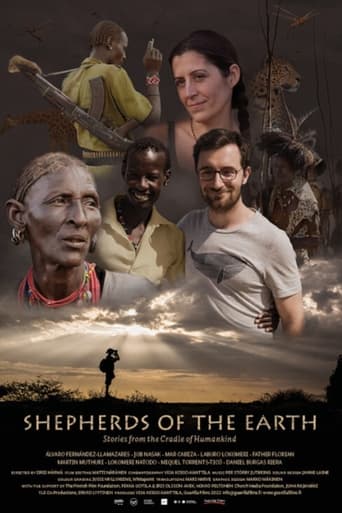
The region of Lake Turkana, located in Kenya and Ethiopia, is considered to be “the Cradle of Humankind”. Among other finds, primate fossils from millions of years ago have been discovered in the region. But what about the region’s modern inhabitants and their relationship to their environment? Iiris Härmä, whose previous work includes the award-winning Leaving Africa, had the chance of joining Helsinki University’s researchers, Álvaro Fernández-Llamazares and Mar Cabeza, on their pre-pandemic trip to study the Daasanach people’s relationship to their environment through traditional animal tales. The researchers hope that storytelling would help to bridge the gap between people’s everyday lives and conservation efforts.

Coffee Hunting: Kenya follows Aaron Blanco, owner and green coffee buyer for the Brown Coffee Company, as he travels over 9,000 miles to Kenya in search of a new coffee to bring back for roasting and brewing at his stores in the U.S.
As if they were showing their film to a few friends in their home, the Johnsons describe their trip across the world, which begins in the South Pacific islands of Hawaii, Samoa, Australia, the Solomons (where they seek and find cannibals), and New Hebrides. Thence on to Africa via the Indian Ocean, Suez Canal, North Africa, and the Nile River to lion country in Tanganyika. (They are briefly joined in Khartum by George Eastman and Dr. Al Kayser.) Taking a safari in the Congo, the Johnsons see animals and pygmies, and travel back to Uganda, British East Africa, and Kenya.
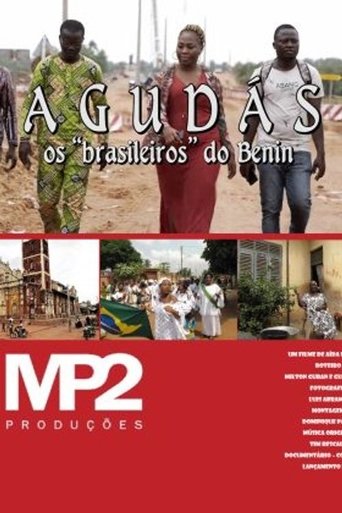
The film portrays the trajectory and life of the “Agudá” people today. This is a group of descendants of Africans enslaved in Brazil, who returned to their homeland with the end of slavery, and also descendants, Brazilian and Portuguese, of slave traffickers, who settled in that region of Africa in the 18th and XIX. Present in Benin and Togo, the “agudás” assimilated the surname and part of the culture of their masters.
