
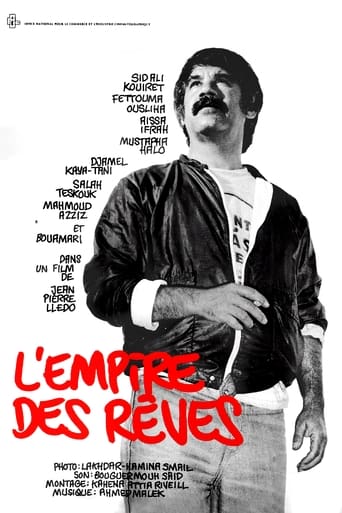
The Empire of Dreams
1982-06-05 · 125 min · ★ 10.0
A stubborn director who wants to rediscover the Algiers of his childhood comes up against the “Hollywood” fantasies of his characters, non-professionals all hoping to be able to become “someone else”, at least for the duration of a film… Mise en abyme for a journey into megalomania…
Trailers are previews, not full movies.
No authorized playback source configured. Use the legal watch options below.
Production details
- Directors
- Jean-Pierre Lledo
- Production companies
- Office National pour le Commerce et l'Industrie Cinématographique (ONCIC)
- Countries
- Algeria
- Status
- Released
Top Cast
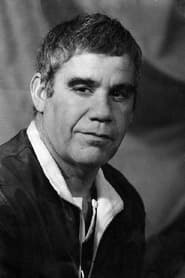 Sid Ali KouiretJamil Charif
 Fettouma Ousliha-BouamariL'Actrice
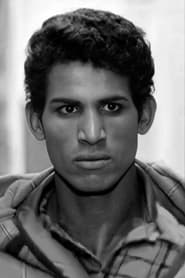 Brahim HadjadjLe Voyou
 Mustapha El Anka
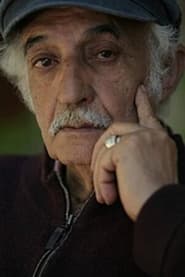 Salah TeskoukZorro
 Abdelkrim Baba AissaLe Monteur
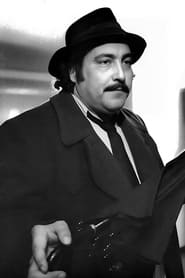 Mohamed Bouamari
 Aissa IfrahLe Réalisateur
Title information and images are supplied by TMDb. Explore our discovery guide for advice on comparing metadata and legal viewing options.
Where to watch
Availability provided by JustWatch via TMDb. Offers can change. Provider links are listed on TMDb; full playback requires a separately authorized source.
Availability not listed for this country.
Seasons & episodes
Recommendations
A young filmmaker in 1960s Paris juggles directing a cheesy sci-fi debacle, directing his own personal art film, coping with his crumbling relationship with his girlfriend, and a new-found infatuation with the sci-fi film's starlet.
A widowed professor living in Paris develops a special relationship with a younger French woman.

Nina Geld's passion and talent have made her a rising star in the comedy scene, but she's an emotional mess offstage. When a new professional opportunity coincides with a romantic one, she is forced to confront her own deeply troubled past.
Α tragi-comedy about 9 women of different ages and various backgrounds that gather in an Algerian hammam to talk about their lives.

In East Los Angeles, an 18-year-old struggles between her ambitions of going to college and the desires of her domineering mother for her to get married, have children, and oversee the small, rundown family-owned textile factory.

An aspiring young filmmaker gets involved with an eccentric gangster for the financing of his first film.
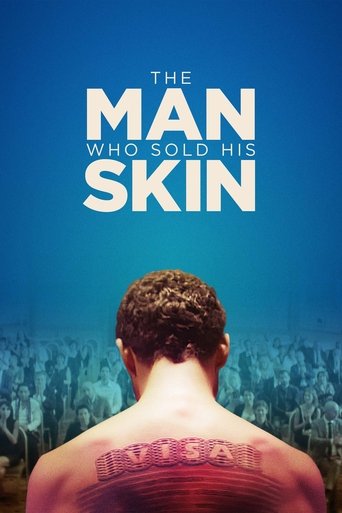
To be able to travel to Europe and find the love of his life, Sam Ali, a Syrian refugee, accepts to have his back tattooed by one of the most sulfurous contemporary artist; becoming that way a precious work of art.

A pair of twin brothers from East L.A. choose to live their lives differently and end up on opposite sides of the law.
Thomas Montgomery, a married father of two young daughters, gets seduced by the world of online gambling and chat rooms where a virtual romance and sexual obsession ultimately leads to the murder of an innocent man.

MMA legend Patton James, now a commercial fisherman, is pulled back into the cage when his brother is in danger. Reuniting with his old coach Sammy, he commits to one final fight in one championship against the brutal champion Xavier Grau.
During the 1976 Soweto uprising, a white school teacher's life and values are threatened when he asks questions about the death of a young black boy who died in police custody.
On an empty road in the middle of the night, Shula stumbles across the body of her uncle. As funeral proceedings begin around them, she and her cousins bring to light the buried secrets of their middle-class Zambian family.

The King of the Belgians is on a state visit in Istanbul when his country falls apart. He must return home at once to save his kingdom. But a solar storm causes airspace and communications to shut down. No planes. No phones. With the help of a British filmmaker and a troupe of Bulgarian folk singers, the King and his entourage manage to escape over the border. Incognito. Thus begins an odyssey across the Balkans during which the King discovers the real world - and himself.
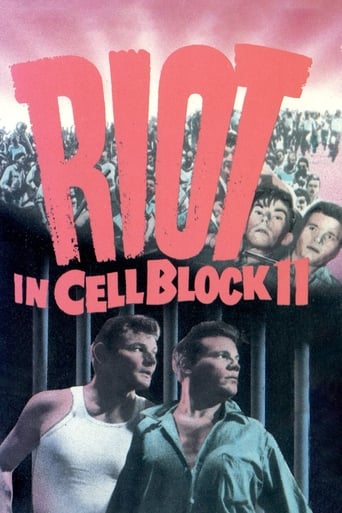
A prisoner leads his counterparts in a protest for better living conditions which turns violent and ugly.
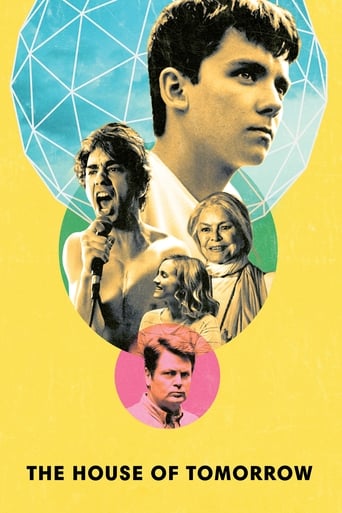
The film tells futurist, architect, and inventor R. Buckminster Fuller's incredible story through two teens hoping to get laid, become punk gods, and survive high school.

F. Ross Johnson decides to buyout his own tobacco firm RJR Nabisco after the plans of the launch of his new product, a smokeless cigarette Premier, fail on account of market rumours.
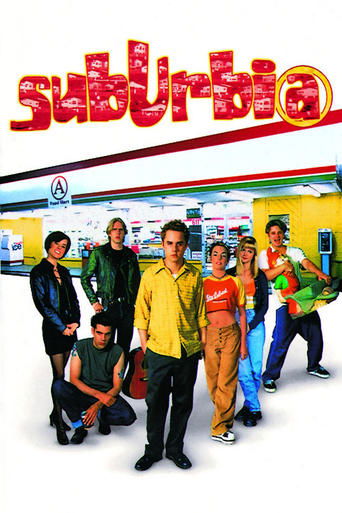
A group of suburban teenagers try to support each other through the difficult task of becoming adults.
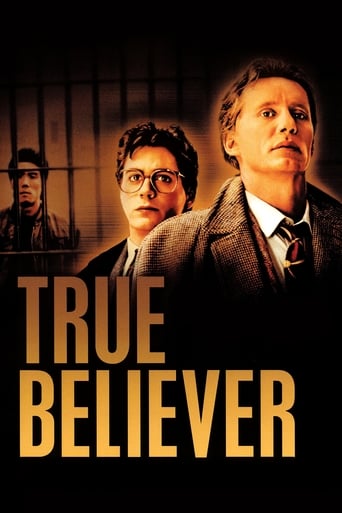
Eddie Dodd is a burnt out former civil rights lawyer who now specializes in defending drug dealers. Roger Baron, newly graduated from law school, has followed Eddie's great cases and now wants to learn at his feet. With Roger's idealistic prodding, Eddie reluctantly takes on a case of a young Korean man who, according to his mother, has been in jail for eight years for a murder he didn't commit.
Two separate stories mesh - in the first, a young music teacher, Maggie Andrews, begins dying of a heart condition and her son Nathan tries to get a pair of Christmas shoes for her before she dies. In the second, lawyer Robert Layton and his wife Kate are slowly drifting apart and the matter comes to a head during Christmas when Kate takes over for Maggie for the school choir.

Elijah must balance his dream of becoming a master sommelier with his father's expectations that he carry on the family's Memphis BBQ joint.
Similar titles
Algiers, 1938. Meursault, a quiet and unassuming employee in his early thirties, attends his mother's funeral without shedding a tear. The next day, he begins a casual affair with Marie, a work colleague. He quickly slips back into his usual routine.
"Yasmina" filmed in 1961 in the middle of the Algerian war tells the story of a little Algerian girl with her hen and her family whose father was killed in a bombing by the French colonial army of occupation. The family, after a long journey, heads towards the refugee camps on the Tunisian border. Produced by the Cinema Service of the Provisional Government of the Algerian Republic (GPRA) in the midst of the war of independence, these films were intended to re-inform the population and international public opinion on the abuses committed by the French colonial army: torture, arrests and arbitrary executions, napalm bombings, fires in douars, entire villages wiped off the map, etc. which the French media described as a "pacification" campaign. The latter censoring or reorienting any images that could harm the colonial narrative.
Directed by Kamal Dehane
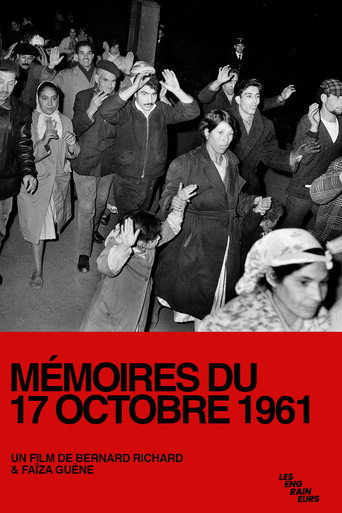
Three demonstrators from October 17, 1961, and a journalist recount the peaceful success of the demonstration and its brutal repression in the streets of Paris. Five months before the end of the Algerian War, the Gaullist government violently suppressed (40 to 300 deaths in a single evening, according to various sources) a peaceful demonstration by the entire Algerian civilian population of the Paris region, protesting the curfew imposed solely on this population (all participants held French citizenship). The government long denied this state crime; the official version: 3 deaths! In 1962, these events were granted amnesty by a simple decree (later enacted into law) issued by the same Gaullist government.
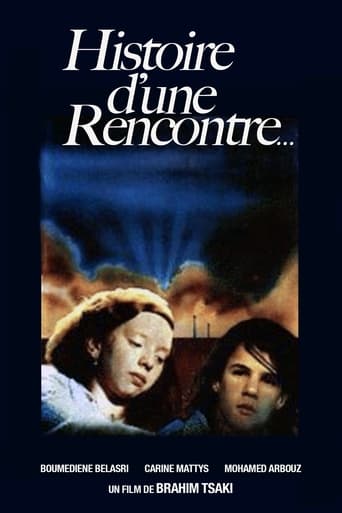
Two deaf and dumb children. She is the daughter of an American Oil engineer. He is the son of an Algerian farmer. They meet and manage to communicate, transcending all the cultural barriers that separate them.
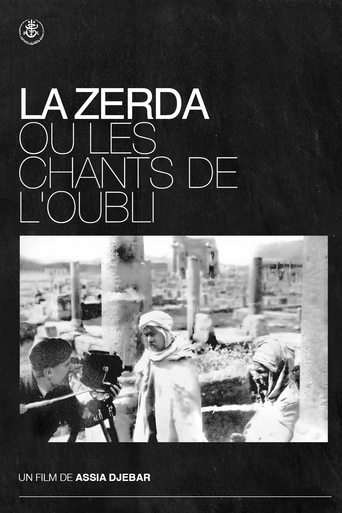
“La Zerda and the songs of oblivion” (1982) is one of only two films made by the Algerian novelist Assia Djebar, with “La Nouba des femmes du mont Chenoua” (1977). Powerful poetic essay based on archives, in which Assia Djebar – in collaboration with the poet Malek Alloula and the composer Ahmed Essyad – deconstructs the French colonial propaganda of the Pathé-Gaumont newsreels from 1912 to 1942, to reveal the signs of revolt among the subjugated North African population. Through the reassembly of these propaganda images, Djebar recovers the history of the Zerda ceremonies, suggesting that the power and mysticism of this tradition were obliterated and erased by the predatory voyeurism of the colonial gaze. This very gaze is thus subverted and a hidden tradition of resistance and struggle is revealed, against any exoticizing and orientalist temptation.
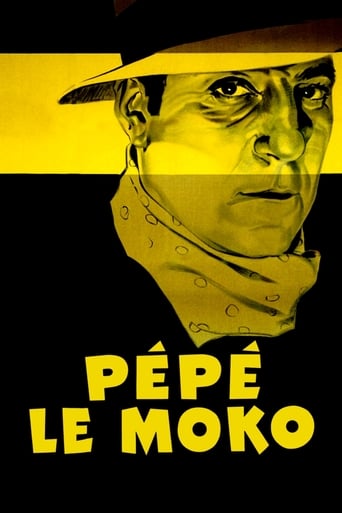
Pépé le Moko, one of France's most wanted criminals, hides out in the Casbah section of Algiers. He knows police will be waiting for him if he tries to leave the city. When Pépé meets Gaby, a gorgeous woman from Paris who is lost in the Casbah, he falls for her.
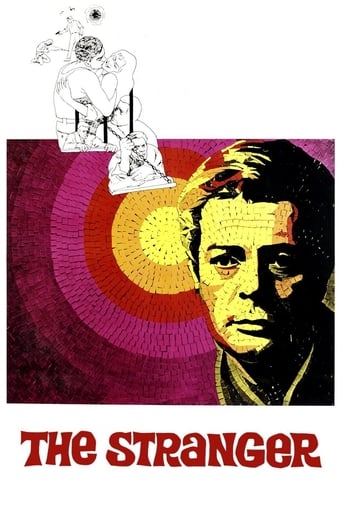
Meursault is a man who feels utterly isolated from everyone and everything around him. This alienation results in sudden, inexplicable bursts of violence, culminating in murder.

Parisian authorities clash with the Front de Libération Nationale (FLN) in director Alain Tasma’s recounting of one of the darkest moments of the Algerian War of Independence. As the war wound to a close and violence persisted in the streets of Paris, the FLN and its supporters adopted the tactic of murdering French policemen in hopes of forcing a withdrawal. When French law enforcement retaliated by brutalizing Algerians and imposing a strict curfew, the FLN organizes a peaceful demonstration that drew over 11,000 supporters, resulting in an order from the Paris police chief to take brutal countermeasures. Told through the eyes of both French policemen as well as Algerian protestors, Tasma’s film attempts to get to the root of the tragedy by presenting both sides of the story.

Le match France - Algérie vient chambouler le train-train de Brahim et Mouloud. Cet évènement va diviser les deux amis : Brahim revendique son identité algérienne, Mouloud fustige son refus de la France, pays qui les a vu grandir.
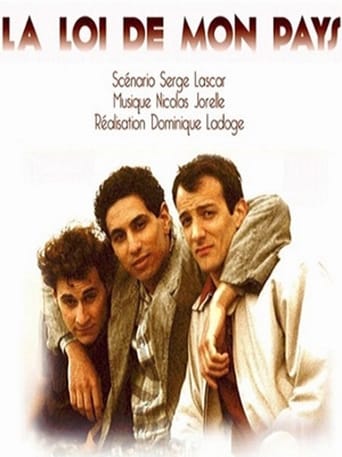
Algeria. Benjamin, Kateb and Antoine are three teenagers from three religious backgrounds who never should have met. But they share the same passion for football and the same disregard for the disapproving looks which their unusual friendship draws.
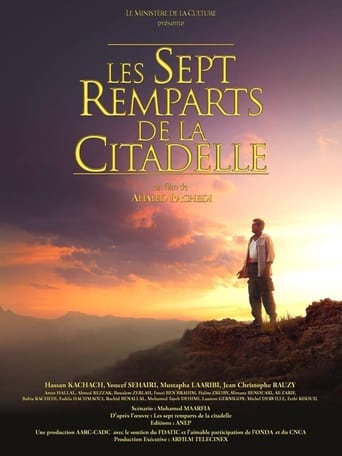
The feature film “The seven ramparts of the citadel”, a fiction recounting the conflict between an Algerian family expropriated from its land and a bloodthirsty settler; by director Ahmed Rachedi. Adapted from the eponymous novel by Mohamed Maarafia, the film, whose plot begins in 1954, tells the story of two characters, Thebti and Lucien, “the fellaga and the colonist”, a story of crossed destinies. “After having engaged in a fight to the death, after having both traveled a long path of embers, (they) finally find themselves face to face and above all each face to themselves”.
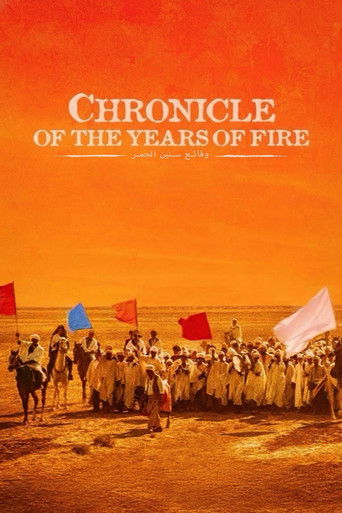
A meticulous chronicle of the evolution of the Algerian national movement from 1939 until the outbreak of the revolution on November 1, 1954, the film unequivocally demonstrates that the "Algerian War" is not an accident of history, but a slow process of suffering and warlike revolts, uninterrupted, from the start of colonization in 1830, until this "Red All Saints' Day" of November 1, 1954. At its center, Ahmed gradually awakens to political awareness against colonization, under the gaze of his son, a symbol of the new Algeria, and that of Miloud, half-mad haranguer, half-prophet, incarnation of Popular memory of the revolt, the liberation of Algeria and its people.
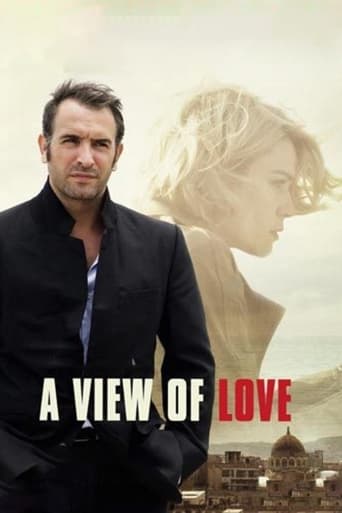
Happily married with a daughter, Marc is a successful real estate agent in Aix-en-Provence. One day, he has an appointment with a woman to view a traditional country house. A few hours later, Marc finally puts a name to her face. It's Cathy, the girl he was in love with growing up in Oran, Algeria, in the last days of the French colonial regime. Marc hurries to her hotel. They spend the night together. Then she's gone again. And Marc's mother tells him Cathy never left Algeria. She was killed with her father in a bombing just before independence...
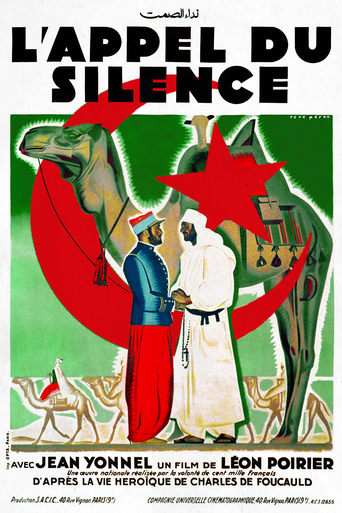
The story of Charles de Foucauld, born September 15, 1858 in Strasbourg (France) and died December 1, 1916 in Tamanrasset in Algeria during the French colonial period, was a cavalry officer of the French army who became an explorer and geographer, then Catholic religious, priest, linguist and hermit in the Hoggar desert in Algeria.
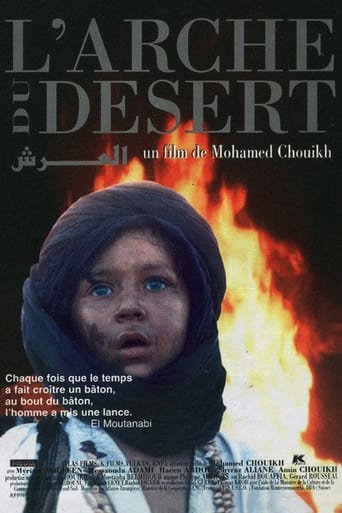
The Desert Ark (L'Arche du Desert), a variation on Romeo and Juliet set in the Algerian desert. A young couple must face inevitable conflict when their rival families discover their secret love. Taking refuge in a cave, they listen to the sounds of a senseless campaign of violence and murder, which is the culmination of the extremism that has long divided their two communities. Nominated for the Golden Leopard at the 1997 Locarno Film Festival.
Depicts the life of Sidi Lakhdar Ben Khlouf, an eminent symbolic figure who is part of the memory of Algerian poetry and popular fight. Sidi Lakhdar Ben Khelouf became famous thanks to his poems about the Prophet Muhammad (earning him the nickname "praiser of the Prophet") and the epic he dedicates to the Battle of Mazagran on August 26, 1558, against the Spaniards. Counted among the patron saints of the Mostaganem region, his poems are often interpreted by chaâbi singers.
Rabie is a kid from Sétif in 1980, trying to collect money to buy a wheelchair for his paralyzid sister Sassia, so she can get out of the house.
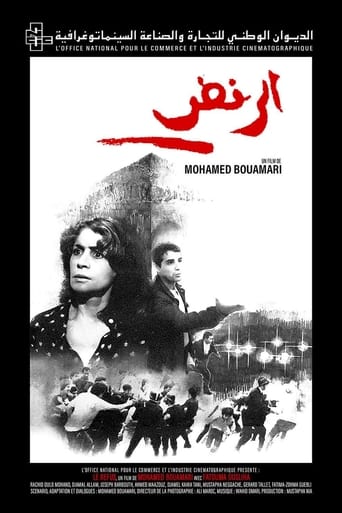
In 1971, the Algerian government nationalized hydrocarbons. The consequences of this decision on the community of Algerians in France are numerous. The Galti family is prey to these economic problems. The father, Khaled, former member of the F.L.N. in France, does not escape the sentence. Sharazade, his wife and comrade in combat, finds herself torn between her role as wife, mother and nostalgia for a country and a bygone past. As for his son Karim, a victim of socio-cultural division, all he has left is refusal.
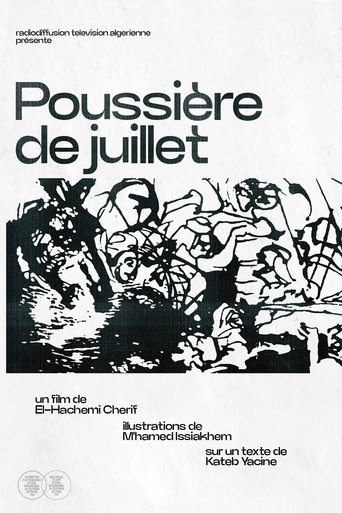
“Poussières de Juillet”, produced in 1967 by Hachemi El-Chérif, is taken from a poem by Kateb Yacine. "We made a film on the return of the ashes of Emir Abdelkader, to Algeria. It was the opportunity to make a film on the ancestors with M'hamed Issiakhem. He designed glass plates on the basis of my texts. Then we had actors collaborate. It was a film which cost us a total of 300 dinars, proof that we could do work for television without too much money. We won two first international prizes at the Belgrade festival. We left the original of the film with the Egyptians in Alexandria and they lost it. We kept a copy but over time I wonder what happened to it, because there is no not even had a screening, they say it still exists, but I don't know in what state." Kateb Yacine, July 28, 1986, interview with Arlette Casas.