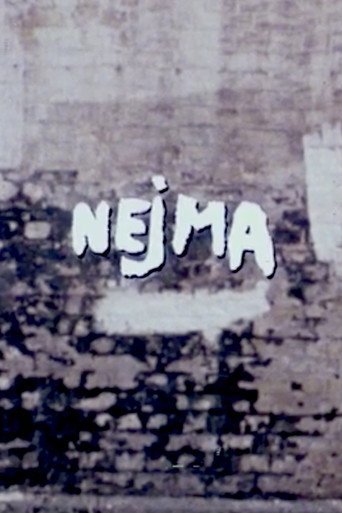
Nejma
1984-01-01 · 16 min · Not rated
Directed by Kamal Dehane
Trailers are previews, not full movies.
No authorized playback source configured. Use the legal watch options below.
Production details
- Directors
- Kamal Dehane
- Production companies
- INSAS
- Countries
- Algeria
- Status
- Released
Top Cast
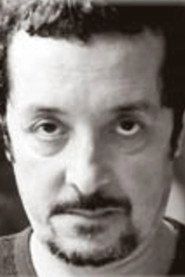 Amid Chakir
Title information and images are supplied by TMDb. Explore our discovery guide for advice on comparing metadata and legal viewing options.
Where to watch
Availability provided by JustWatch via TMDb. Offers can change. Provider links are listed on TMDb; full playback requires a separately authorized source.
Seasons & episodes
Recommendations

Thomas Montgomery, a married father of two young daughters, gets seduced by the world of online gambling and chat rooms where a virtual romance and sexual obsession ultimately leads to the murder of an innocent man.

A Midwestern husband and father announces his plan to have a sex change operation.

A ruthless Southern opportunist tries to buy his cousin's land, and when thwarted, brings several tragedies to the lives of his loved ones.

A street smart runner develops an intense rivalry with an equally ambitious wealthy young athlete.
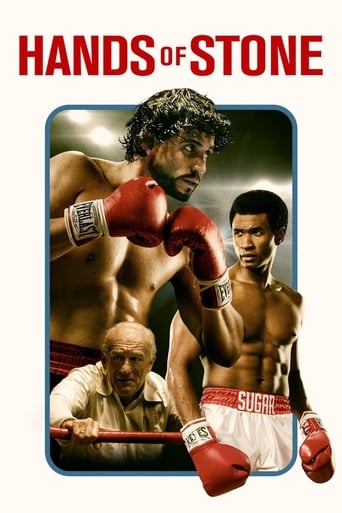
The legendary Roberto Duran and his equally legendary trainer Ray Arcel change each other's lives.
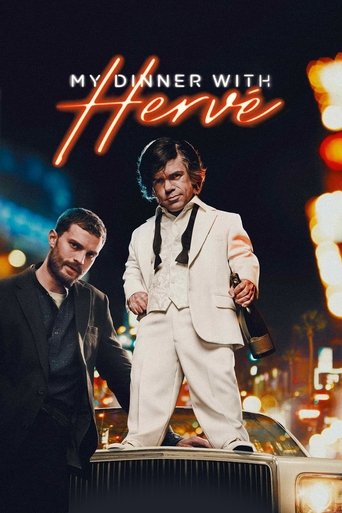
An unlikely friendship evolves over one wild night in LA between a struggling journalist and actor Hervé Villechaize, the world's most famous gun-toting dwarf, resulting in life-changing consequences for both.
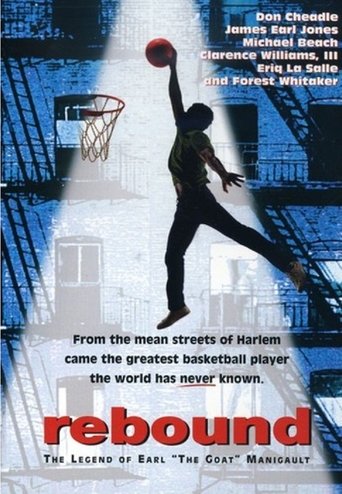
A dramatization of the life of Earl 'The Goat' Manigault (Don Cheadle), with a lot of factual based occurrences. A reformed junkie returns from prison to clean up his act and devote the rest of his life to the young kids of Harlem. 1996 was the 25th anniversary of the first tournament named after him.

A noir thriller set in Miami, the film follows an enforcer who discovers his femme fatale boss has branched out into cyber sex trafficking, putting a young runaway he’s befriended at risk. He sacrifices everything to save the young girl from the deadly organization he’s spent his life building.
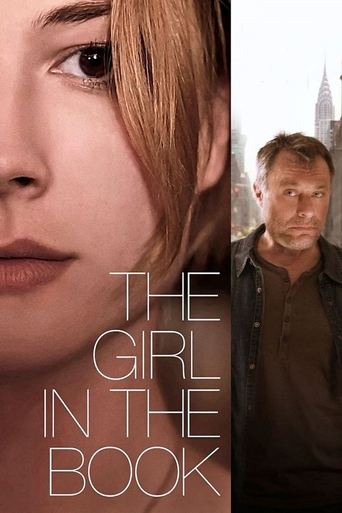
The story of a young writer's transformation when her past invades her present.

A pair of twin brothers from East L.A. choose to live their lives differently and end up on opposite sides of the law.

A nightmarish evening unfolds for neighbors David and Robert when they accidentally hit a woman on her bike and flee the scene. While David is increasingly plagued by feelings of guilt, Robert shows no remorse and becomes overbearing and possessive.
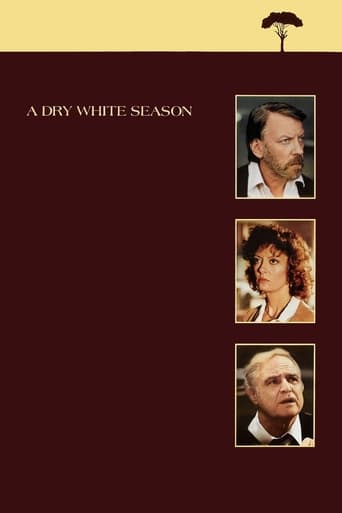
During the 1976 Soweto uprising, a white school teacher's life and values are threatened when he asks questions about the death of a young black boy who died in police custody.

A troubled young woman becomes obsessed with her mysterious new neighbor, who bears a striking resemblance to the girl's dead mother.
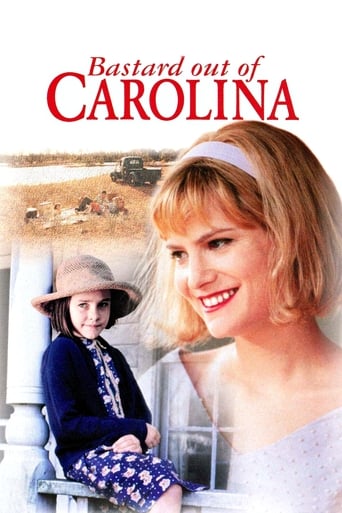
A poor, struggling South Carolinian mother and daughter face painful choices with their resolve and pride. Bone, the eldest daughter, and Anney her tired mother, grow both closer and farther apart: Anney sees Glen as her last chance.

Tom and Mae Garvey are a Tennessee farming couple battling violent floods to save their land. In addition to natural disasters, the Garveys fight to stop a selfish land developer and a local corporation from foreclosing on their farm. While Mae stays at home to care for their children and tend to the crops, Tom finds work as a scab at a steel mill to preserve his family's property.

Defiant young activists take the women's suffrage movement by storm, putting their lives at risk to help American women win the right to vote.

When a law student accidentally kills the son of a mob boss in a fight, he finds himself relentlessly pursued by the mob and the police.

When a brilliant nine-year-old working in a sweatshop gets a chance to attend school, she must make a difficult choice for her and her sister's future.
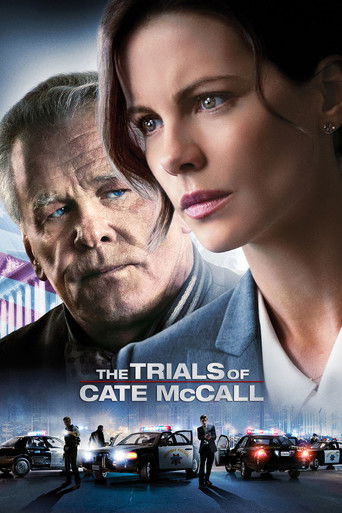
In order to be reinstated to the bar and recover custody of her daughter, a hotshot lawyer, now in recovery and on probation, must take on the appeal of a woman wrongfully convicted of murder.

A group of officers based in a labyrinthine top-secret prison must fight for their lives against Hatchet, a brilliant and infamous high-value detainee. When he escapes, his mysterious and deadly agenda has far reaching and dire consequences.
Similar titles
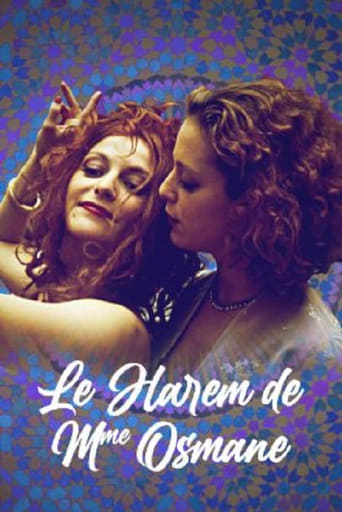
In Algiers in 1993, while the civil war is starting, Mrs Osmane's tenants have to endure her bad temper. Her husband left her and the fear to lose her respectability haunt her. The former member of the Resistance during the Independence War persists in controlling the slightest moves of the households rather than struggle against her own frustrations. Learning her daughter is in love, the possibility of finding herself alone will push her to the limit: The symbolical Mrs Osmane "harem" is about to collapse.
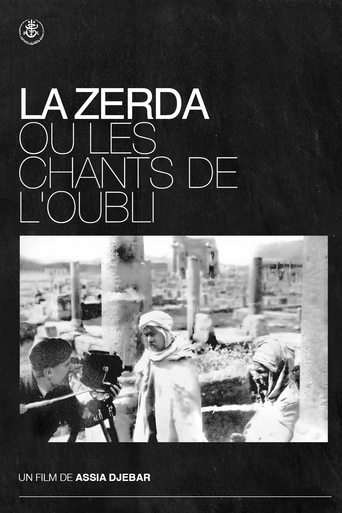
“La Zerda and the songs of oblivion” (1982) is one of only two films made by the Algerian novelist Assia Djebar, with “La Nouba des femmes du mont Chenoua” (1977). Powerful poetic essay based on archives, in which Assia Djebar – in collaboration with the poet Malek Alloula and the composer Ahmed Essyad – deconstructs the French colonial propaganda of the Pathé-Gaumont newsreels from 1912 to 1942, to reveal the signs of revolt among the subjugated North African population. Through the reassembly of these propaganda images, Djebar recovers the history of the Zerda ceremonies, suggesting that the power and mysticism of this tradition were obliterated and erased by the predatory voyeurism of the colonial gaze. This very gaze is thus subverted and a hidden tradition of resistance and struggle is revealed, against any exoticizing and orientalist temptation.
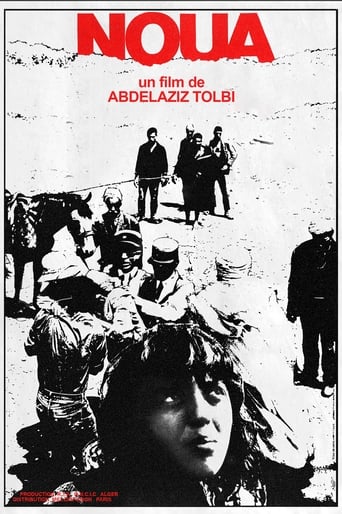
In Algeria in 1954, in a village in the Aurès region, poverty reigns over peasants enslaved by colonial administrators and Algerian landowners. Noua, in love with the son of a peasant dispossessed of his land, must be sold to a wealthy landowner.
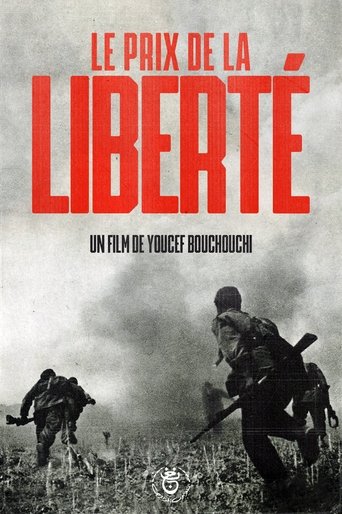
In the midst of the Algerian liberation war, two characters, a meddah (traditional storyteller) and a guerrab (water distributor), having become aware of their subhuman condition in their own country, join the National Liberation Army (ALN) to fight against inhumane colonialism. They will climb the ranks to become political commissioners before falling on the field of honor, the first in a skirmish and the other in Barberousse prison (Serkadji) where he will be guillotined.
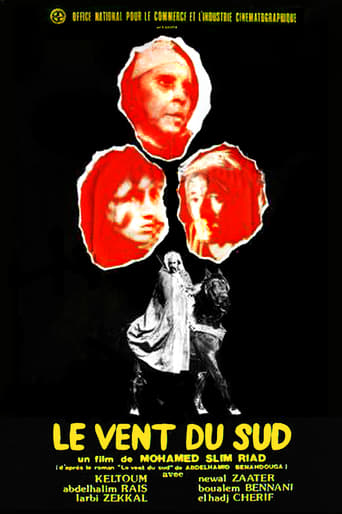
Néfissa, a student in Algiers, returns to her village in the south in the summer. Her father wants her to marry the mayor but she wants to continue her studies. Confronting her father and the opinion of the villagers who do not understand her, she decides to flee to Algiers. The shepherd Rabah discovering her wounded and lost in the mountains, has her treated by her mother. In contact with Nefissa, Rabat becomes aware of his exploited condition and discovers the possibilities offered to him by the cooperatives of the agrarian revolution. The two young people will go through the decisive stage together which will allow them to escape obscurantism and exploitation. Based on the novel "Le vent du sud" by Abdelhamid Benahouga
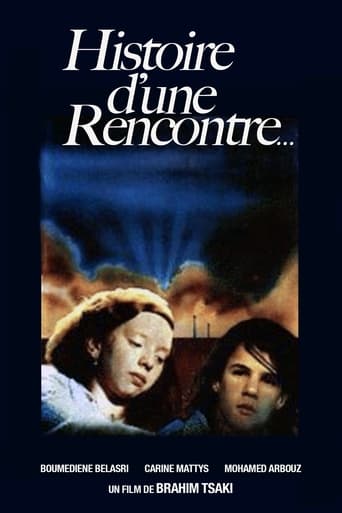
Two deaf and dumb children. She is the daughter of an American Oil engineer. He is the son of an Algerian farmer. They meet and manage to communicate, transcending all the cultural barriers that separate them.
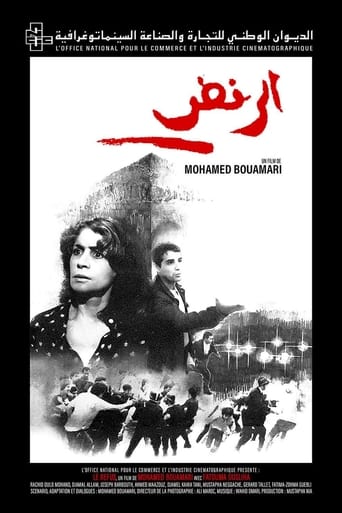
In 1971, the Algerian government nationalized hydrocarbons. The consequences of this decision on the community of Algerians in France are numerous. The Galti family is prey to these economic problems. The father, Khaled, former member of the F.L.N. in France, does not escape the sentence. Sharazade, his wife and comrade in combat, finds herself torn between her role as wife, mother and nostalgia for a country and a bygone past. As for his son Karim, a victim of socio-cultural division, all he has left is refusal.
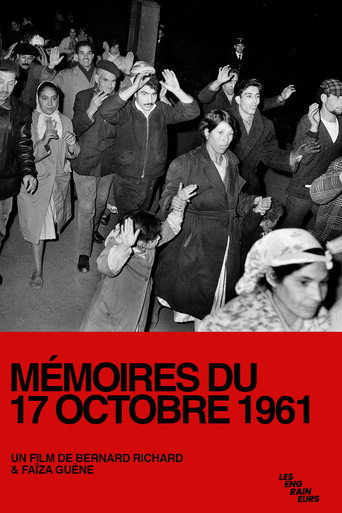
Three demonstrators from October 17, 1961, and a journalist recount the peaceful success of the demonstration and its brutal repression in the streets of Paris. Five months before the end of the Algerian War, the Gaullist government violently suppressed (40 to 300 deaths in a single evening, according to various sources) a peaceful demonstration by the entire Algerian civilian population of the Paris region, protesting the curfew imposed solely on this population (all participants held French citizenship). The government long denied this state crime; the official version: 3 deaths! In 1962, these events were granted amnesty by a simple decree (later enacted into law) issued by the same Gaullist government.
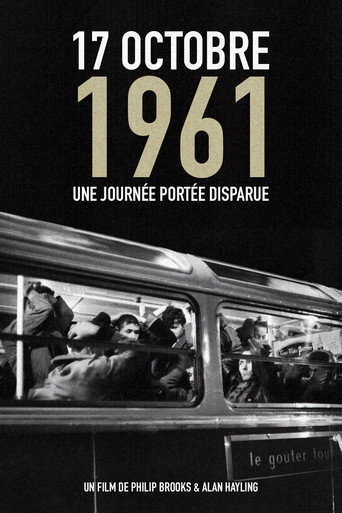
This documentary bears witness to the events that took place more than thirty years before the filming of this movie, on October 17, 1961, in Paris, during the Algerian War. It is a work not only about historical truth but also about memory. Constructed primarily from interviews conducted with those involved in the events, along with archival footage, photographs, and radio broadcasts from the time, our investigation proves that nearly 200 Algerians were killed (drowned, tortured) that night and in the days that followed by the French police. "A Missing Day" seeks to ask two key questions: how could such events have unfolded in the capital of a Western democracy barely thirty years ago? And why have they been silenced ever since?
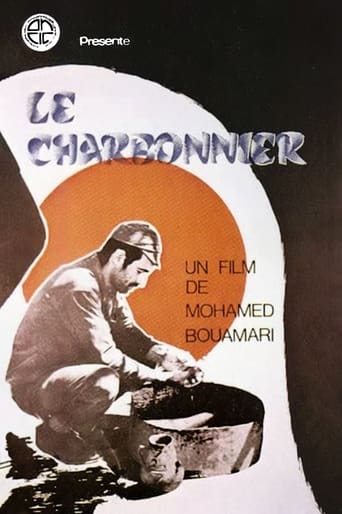
Film describes the miserable existence of a charcoal-burner who is barely able to feed his family. His search for work in town ends in failure and he is forced to return to his village.
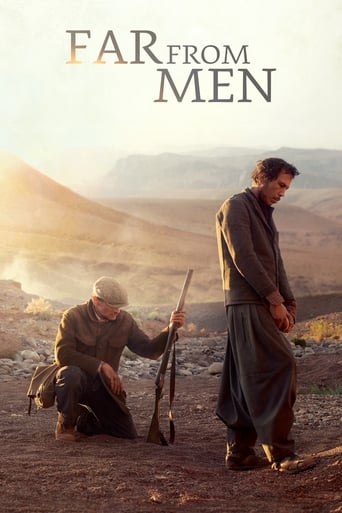
A French teacher in a small Algerian village during the Algerian War forms an unexpected bond with a dissident who is ordered to be turned in to the authorities.

Djamila, a young Algerian woman living with her brother Hadi and her uncle Mustafa in the Casbah district of Algiers under the French occupation of Algeria, sees the full extent of injustice, tyranny and cruelty on his compatriots by French soldiers. Jamila's nationalist spirit will be strengthened when French forces invade her university to arrest her classmate Amina who commits suicide by ingesting poison. Shortly after the prominent Algerian guerrilla leader Youssef takes refuge with her, she realizes that her uncle Mustafa is part of this network of anti-colonial rebel fighters. Her uncle linked her to the National Liberation Front (FLN). A series of events illustrate Jamila's participation in resistance operations against the occupier before she was finally captured and tortured. Finally, despite the efforts of her French lawyer, Jamila is sentenced to death...
In a single static shot a man is threatened with death at another's gunpoint.

A woman has a close bond with her beloved Algerian grandfather, who protected her from a toxic home life as a child; his death triggers a deep identity crisis as tensions between her extended family members escalate, revealing new depths of resentment and bitterness.
A stubborn director who wants to rediscover the Algiers of his childhood comes up against the “Hollywood” fantasies of his characters, non-professionals all hoping to be able to become “someone else”, at least for the duration of a film… Mise en abyme for a journey into megalomania…
Despite his lack of political convictions, photojournalist Bruno Forestier is roped into a paramilitary group waging a shadow war in Geneva against the Algerian independence movement.
A 19 year-old Swiss woman travels to her birthplace—an isolated, barren Berber settlement in the mountainous desert landscape of Algeria—to find her biological mother, whom she has never met. The perilous journey immerses her in a world virtually untouched by contemporary society, one that still clings to tribal mores and strict religious codes of conduct.
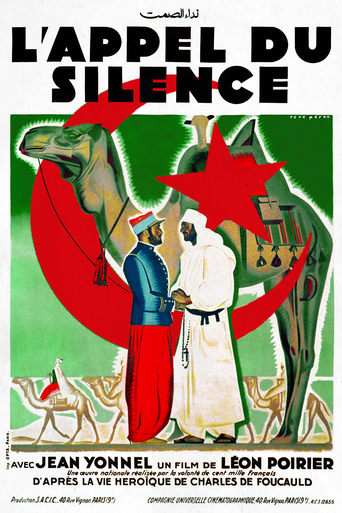
The story of Charles de Foucauld, born September 15, 1858 in Strasbourg (France) and died December 1, 1916 in Tamanrasset in Algeria during the French colonial period, was a cavalry officer of the French army who became an explorer and geographer, then Catholic religious, priest, linguist and hermit in the Hoggar desert in Algeria.
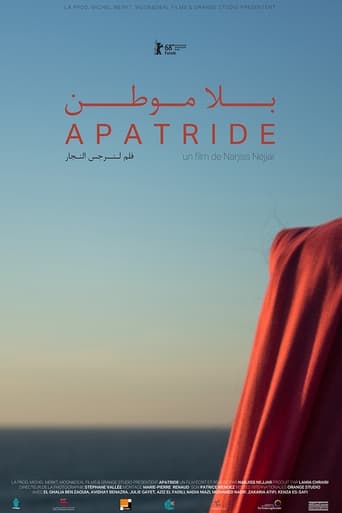
Henia will give anything to mend her broken past and find her mother, from whom she has been separated since the conflict between Morocco and Algeria during the Black Demonstration of 1975. After being given an opportunity to assist an elderly blind man, she accepts the offer and eventually finds herself agreeing to marry him. For Henia, this is a chance to get the necessary papers for her return to Algeria. For the old man, it’s a chance to start over. For his son, it is a disgrace.
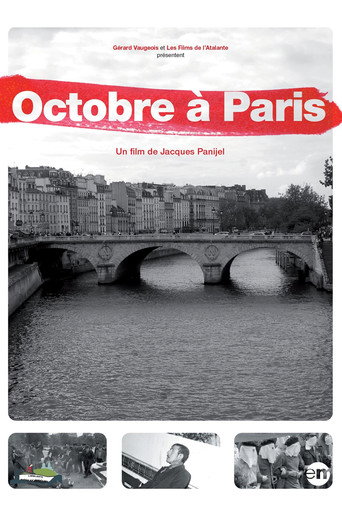
On October 17, 1961, 30,000 Algerians demonstrated peacefully in Paris to protest the discriminatory curfew imposed upon them and to demand Algerian independence. Under the authority of the then Prefect of Police, Maurice Papon, the demonstration was brutally repressed, resulting in the deaths of dozens of Algerians. Historians cite eleven thousand arrests, dozens of murders, demonstrators thrown into the Seine, hundreds of expulsions, and just as many complaints that went unanswered; all for a night that would become a blind spot in the national narrative. No investigation, no trial, and certainly no commemoration. The day after the demonstration, Jacques Panijel began filming *October in Paris* to alert the public to the massacre that had just taken place in the streets of Paris. The film was banned by the French authorities. It obtained a distribution license in 1973. It was first shown in theaters in October 2011.