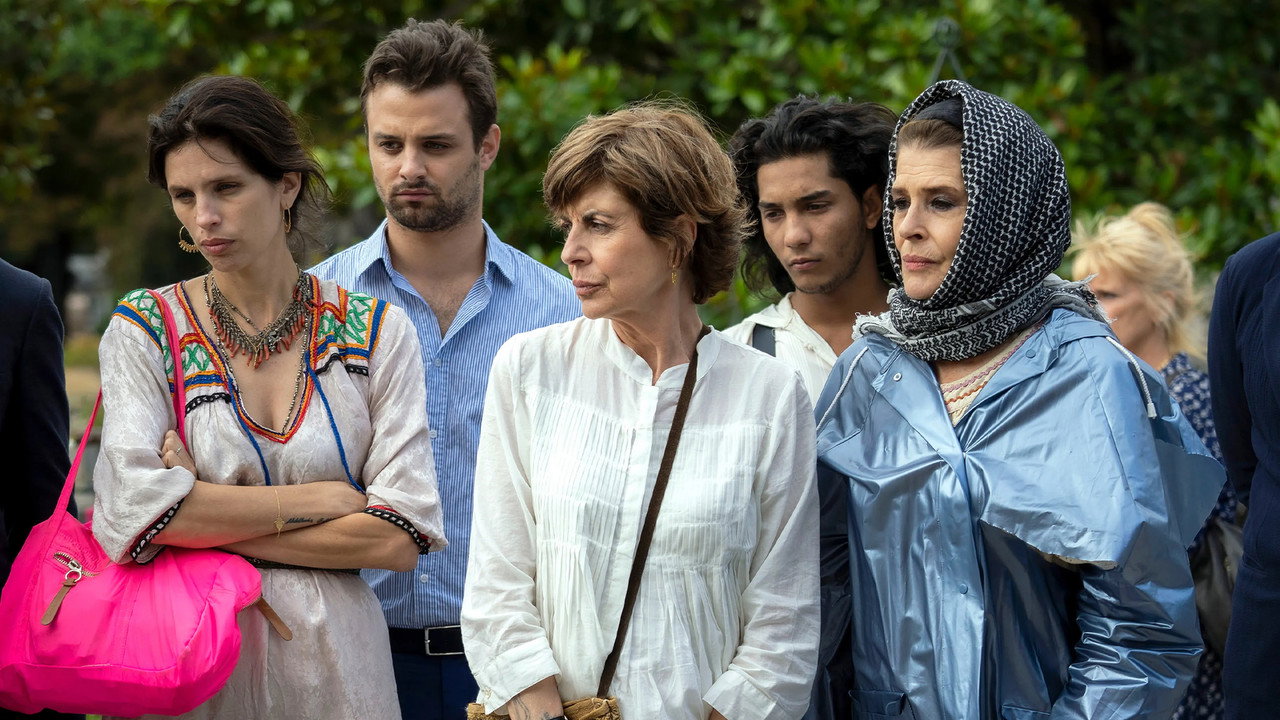

DNA
2020-12-10 · 90 min · ★ 5.9
A woman has a close bond with her beloved Algerian grandfather, who protected her from a toxic home life as a child; his death triggers a deep identity crisis as tensions between her extended family members escalate, revealing new depths of resentment and bitterness.
Trailers are previews, not full movies.
No authorized playback source configured. Use the legal watch options below.
Production details
- Directors
- Maïwenn
- Production companies
- Why Not Productions, ARTE France Cinéma, Le Pacte, Les Films de Batna
- Countries
- France
- Status
- Released
- Revenue
- USD 2,156,377
Top Cast
 Fanny ArdantCaroline
 Louis GarrelFrançois
 Dylan RobertKevin
 Marine VacthLilah
 Caroline ChaniolleauFrançoise
 Alain FrançonPierre
 Florent LacgerAli
 Henri-Noël TabaryMatteo
 MaïwennNeige
 François RaisonThe Director of the EHPAD
 Lyes SalemThe Man from the Consulate
Title information and images are supplied by TMDb. Explore our discovery guide for advice on comparing metadata and legal viewing options.
Where to watch
Availability provided by JustWatch via TMDb. Offers can change. Provider links are listed on TMDb; full playback requires a separately authorized source.
Seasons & episodes
Recommendations

Algiers, 1938. Meursault, a quiet and unassuming employee in his early thirties, attends his mother's funeral without shedding a tear. The next day, he begins a casual affair with Marie, a work colleague. He quickly slips back into his usual routine.
A young American drifts through a decaying Eastern European city, where his fixation on an elusive woman pulls him deeper into an underworld fueled by possession.
Aissa, a young officer of Algerian origin, tragically loses his life during a fresher initiation ritual at the prestigious French military academy of Saint-Cyr. As the death tears through his family, controversy arises over Aissa’s funeral plans when the Army refuses to take responsibility. Ismael, his older, rebellious brother, tries to keep the family united as they fight to win justice for Aissa.
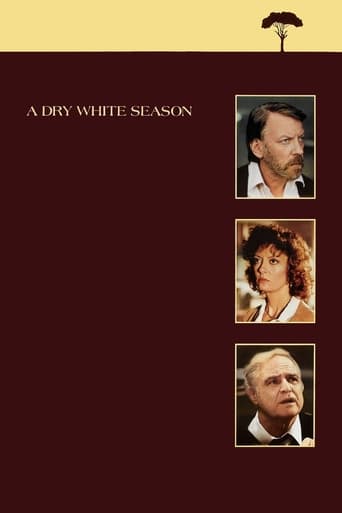
During the 1976 Soweto uprising, a white school teacher's life and values are threatened when he asks questions about the death of a young black boy who died in police custody.
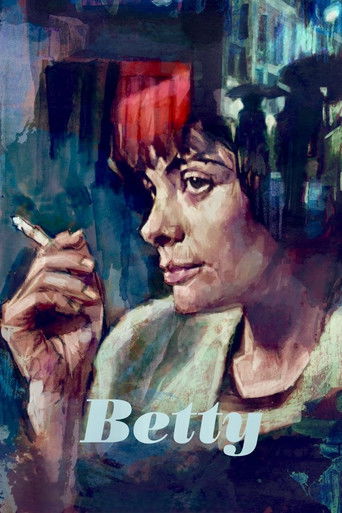
A drunken, self-destructive woman called Betty wanders into a Parisian bar where she meets middle-aged alcoholic Laure. Laure decides to take care of Betty. Recovering in a hotel room, Betty begins to recount to Laure the story of her bourgeois life and her unhappy and unfaithful marriage.

Years after her son's suicide, a woman longs to confront both the past and a friend of his who took his business idea.

A tale of four generations of men, all of whom have had their offspring at a young age: a great-grandfather, a grandfather, a father in his twenties and a son who is about 7 years old. When the oldest member passes away, the trio heads out on the road together in the Southwest to search out an old family secret that connects to their past.
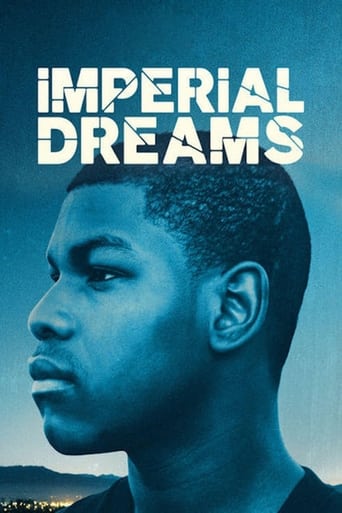
A 21-year-old reformed gangster's devotion to his family and his future is put to the test when he is released from prison and returns to his old stomping grounds in Watts, Los Angeles.
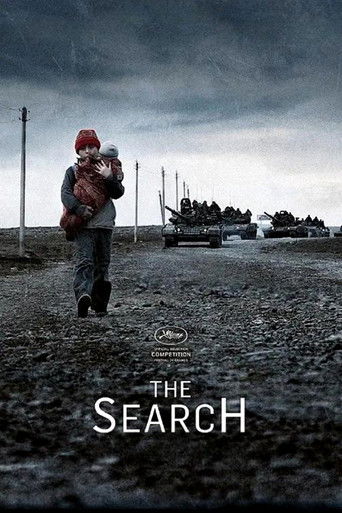
A woman who works for a non-governmental organization (NGO) forms a special relationship with a young boy in war-torn Chechnya.

An Arab surgeon living in Tel Aviv discovers a dark secret about his wife in the aftermath of a suicide bombing.

Zahira, 18, is close to her family until her parents ask her to follow Pakistani tradition to choose a husband. Torn between family customs and her western lifestyle, the young woman turns for help to her brother and confidant Amir.
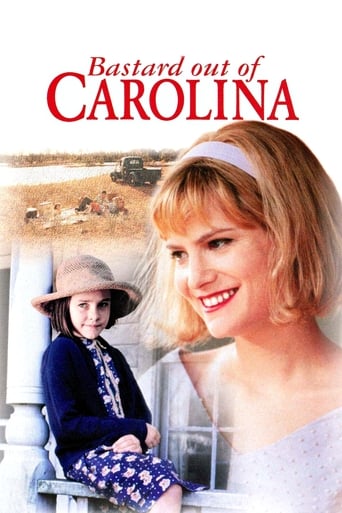
A poor, struggling South Carolinian mother and daughter face painful choices with their resolve and pride. Bone, the eldest daughter, and Anney her tired mother, grow both closer and farther apart: Anney sees Glen as her last chance.
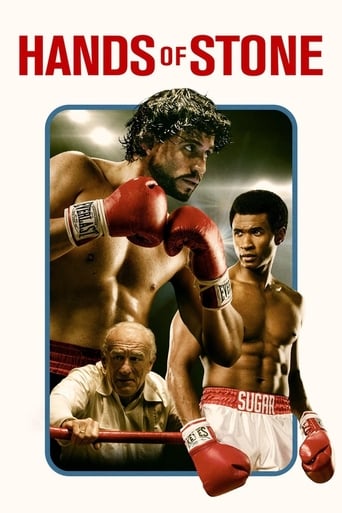
The legendary Roberto Duran and his equally legendary trainer Ray Arcel change each other's lives.
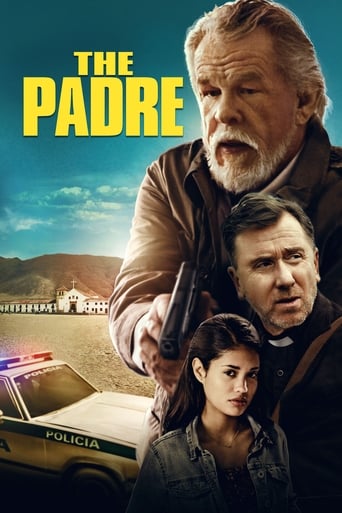
American retired Judge Randall Nemes and his hired gun, Gaspar, track down a con man posing as a priest in a small Colombian town only to be thrown off-course by a scrappy 16-year-old girl intent on reuniting with her sister in the United States.

After the death of their father, two half-brothers find themselves on opposite sides of an escalating conflict with tragic consequences.
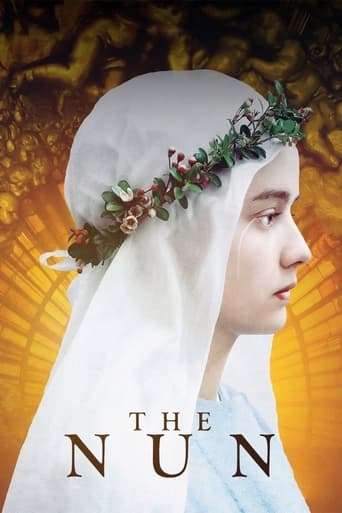
Suzanne Simonin describes her life of suffering in letters. As a young woman she is sent to a convent against her will. Since her parents cannot afford the dowry required for a marriage befitting her rank they decide she must instead become a nun. Although a kind and understanding Mother Superior helps her to learn the convent’s daily routine, Suzanne’s desire for freedom remains unabated. When the Mother Superior dies, Suzanne finds herself faced with reprisals, humiliation and harassment at the hands of the new Abbess and the other Sisters. For many years, Suzanne is subjected to bigotry and religious fanaticism. (Berlinale.de)

A pair of twin brothers from East L.A. choose to live their lives differently and end up on opposite sides of the law.

A jazz musician seeks refuge from a lynch mob on a remote island, where he meets a hostile game warden and the young object of his attentions.

Garance is a young actress, but not a star. She manages everything as best she can, valiant, cheerful, a soldier, and she finds in alcohol an unconditional fuel, a source of comfort. Garance changes her life and begins an eight-year journey of moves, work, encounters, parties and anxieties, joys and hardships… An intimate, friendly, and sexual revolution. But she consumes, more and more. Until the very possibility of death…
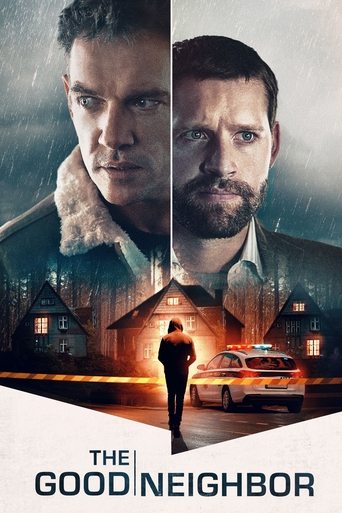
A nightmarish evening unfolds for neighbors David and Robert when they accidentally hit a woman on her bike and flee the scene. While David is increasingly plagued by feelings of guilt, Robert shows no remorse and becomes overbearing and possessive.
Similar titles
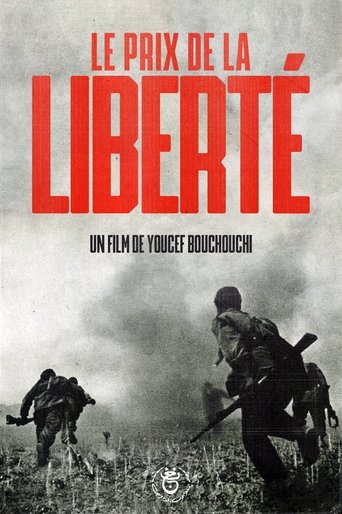
In the midst of the Algerian liberation war, two characters, a meddah (traditional storyteller) and a guerrab (water distributor), having become aware of their subhuman condition in their own country, join the National Liberation Army (ALN) to fight against inhumane colonialism. They will climb the ranks to become political commissioners before falling on the field of honor, the first in a skirmish and the other in Barberousse prison (Serkadji) where he will be guillotined.
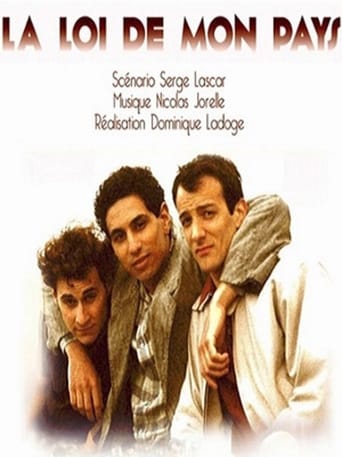
Algeria. Benjamin, Kateb and Antoine are three teenagers from three religious backgrounds who never should have met. But they share the same passion for football and the same disregard for the disapproving looks which their unusual friendship draws.

27 years after 1962, Antoine returns to Algiers...
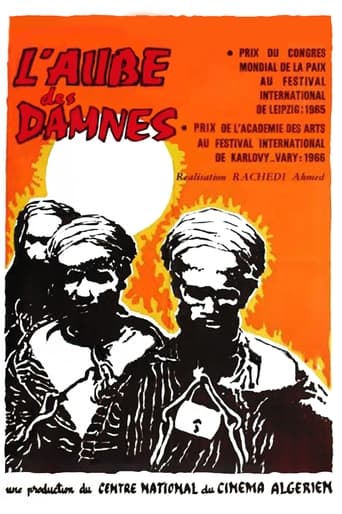
This excellent feature-length documentary - the story of the imperialist colonization of Africa - is a film about death. Its most shocking sequences derive from the captured French film archives in Algeria containing - unbelievably - masses of French-shot documentary footage of their tortures, massacres and executions of Algerians. The real death of children, passers-by, resistance fighters, one after the other, becomes unbearable. Rather than be blatant propaganda, the film convinces entirely by its visual evidence, constituting an object lesson for revolutionary cinema.
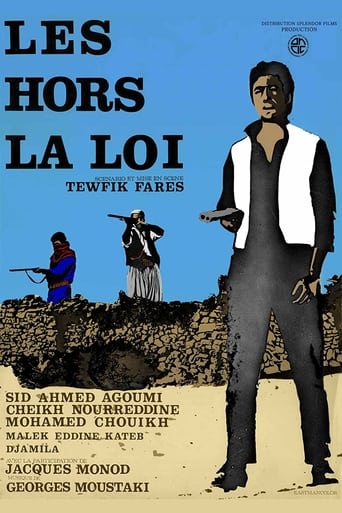
In prison in colonial Algeria, shortly after the end of the Second World War, three indigenous cellmates make out. Once free, they attack the authority represented by the triad of the boss, the gendarme and the administrator. “Living the colonial condition,” confided Tewfik Farès, “is something! It’s not sociologically or historically speaking. It’s life. And I think that’s all there in it. [...] For a hundred and thirty years, we wait. We hold back. We push back. We hope. At the same time, on different occasions, there are skirmishes, unrest.
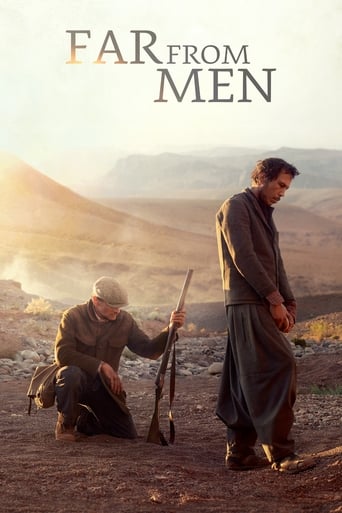
A French teacher in a small Algerian village during the Algerian War forms an unexpected bond with a dissident who is ordered to be turned in to the authorities.
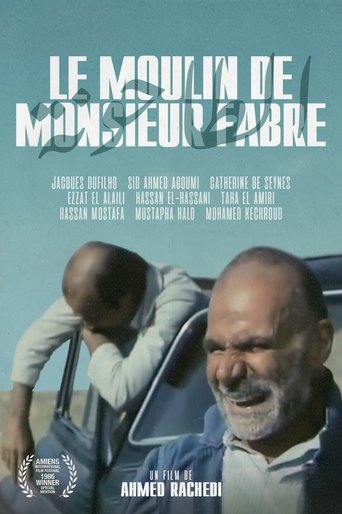
The story of the post-independence nationalization of the mill of Monsieur Fabre, an old man attached to the land of Algeria where he was born. In this small town in eastern Algeria, there was nothing else to nationalize and they were actively preparing for the arrival of high dignitaries who would elevate the mill to the rank of an industrial flour mill even though it was threatened with ruin. The comedy gets worse when the football player from the local team withdraws for love, the officials' visit is canceled and Mr. Fabre returns.
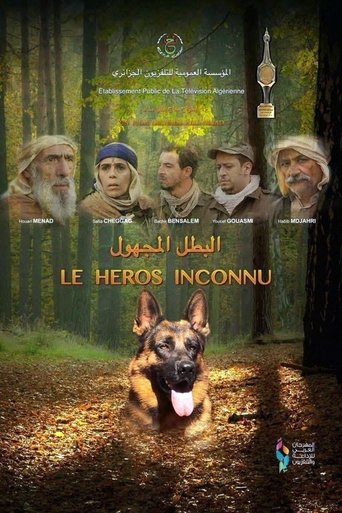
In the midst of the Algerian war for independence, a group of fighters is trapped in the mountains, surrounded by the colonial army. Cut off from their allies, they have only one hope: to transmit a vital message to save their unit. But crossing enemy lines is a suicide mission. Their only chance lies with an unexpected messenger: a courageous dog named Messaoud. Carrying the letter attached to his collar, he embarks on a perilous crossing, braving the hostile nature and the dangers of war. But when he is captured by the enemy, his courage and instinct become his only weapons. Prisoner, hunted, he must risk everything to escape and accomplish his mission before it is too late. Sacrifice, bravery and hope mingle in this breathtaking odyssey where the humblest of heroes can change the course of history. The Unknown Hero, a moving film which won first prize at the Arab World Festival in 2017.
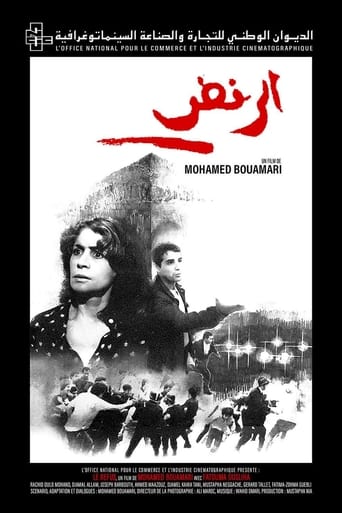
In 1971, the Algerian government nationalized hydrocarbons. The consequences of this decision on the community of Algerians in France are numerous. The Galti family is prey to these economic problems. The father, Khaled, former member of the F.L.N. in France, does not escape the sentence. Sharazade, his wife and comrade in combat, finds herself torn between her role as wife, mother and nostalgia for a country and a bygone past. As for his son Karim, a victim of socio-cultural division, all he has left is refusal.
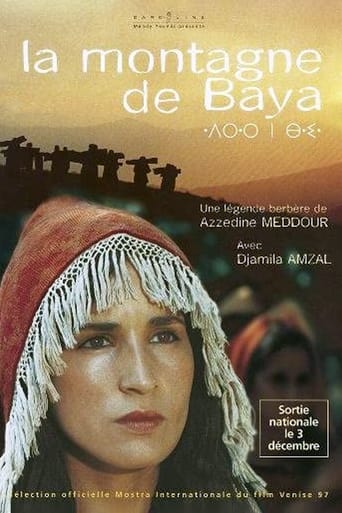
Set in the 1800s among the Berbers of North Africa, this 1997 Algerian feature concerns a noble widow who receives a customary purse of gold coins from the enemy tribe that murdered her husband; the gift puts her in conflict with her kinsmen, who want the money to buy back land taken by the enemy in cahoots with French colonials.
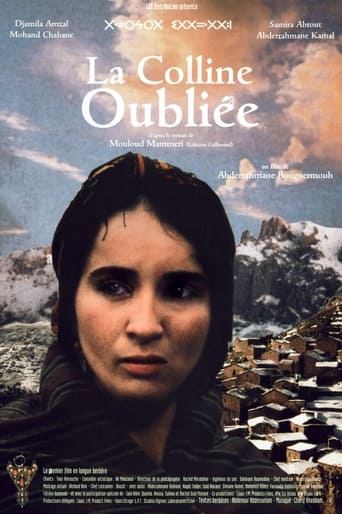
At the outbreak of the Second World War, two friends, Mokrane and Menach, abruptly interrupt their studies and return to their remote native Kabylian village of Tagsa. While waiting to be drafted into the French Army they have time to woo. Mokrane falls for beautiful Aazi and soon marries her only to find out that she can bear no child. Menach, on his part, is stongly attracted to Davda, but the latter is already married to a rich merchant...Happiness does not seem to be in store for the two former students...

In Kabylie, rude mountain region in the north of Algeria. Arezki finds the young Larbi exhausted, buried under the snow. He takes him in and nurses him until he's recovered. The host seduces Arezki's daughter. She is pregnant. This is an unsupportable shame to the father of the female sinner. Arezki claims vengeance. He leaves his house and takes the oath not to come back before having killed Larbi who betrayed him under his own roof.
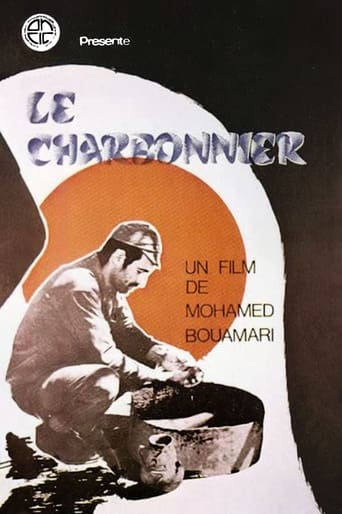
Film describes the miserable existence of a charcoal-burner who is barely able to feed his family. His search for work in town ends in failure and he is forced to return to his village.

Djamila, a young Algerian woman living with her brother Hadi and her uncle Mustafa in the Casbah district of Algiers under the French occupation of Algeria, sees the full extent of injustice, tyranny and cruelty on his compatriots by French soldiers. Jamila's nationalist spirit will be strengthened when French forces invade her university to arrest her classmate Amina who commits suicide by ingesting poison. Shortly after the prominent Algerian guerrilla leader Youssef takes refuge with her, she realizes that her uncle Mustafa is part of this network of anti-colonial rebel fighters. Her uncle linked her to the National Liberation Front (FLN). A series of events illustrate Jamila's participation in resistance operations against the occupier before she was finally captured and tortured. Finally, despite the efforts of her French lawyer, Jamila is sentenced to death...
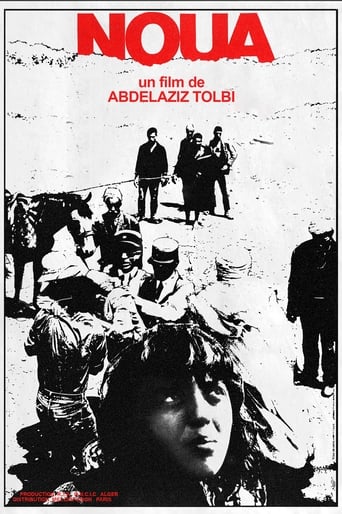
In Algeria in 1954, in a village in the Aurès region, poverty reigns over peasants enslaved by colonial administrators and Algerian landowners. Noua, in love with the son of a peasant dispossessed of his land, must be sold to a wealthy landowner.
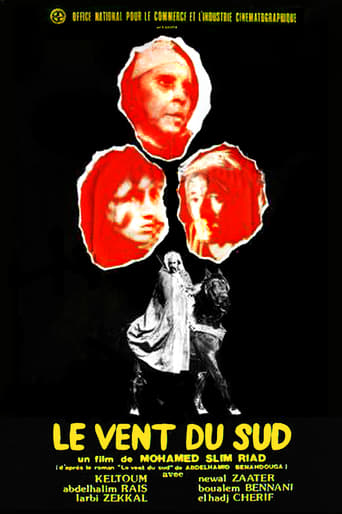
Néfissa, a student in Algiers, returns to her village in the south in the summer. Her father wants her to marry the mayor but she wants to continue her studies. Confronting her father and the opinion of the villagers who do not understand her, she decides to flee to Algiers. The shepherd Rabah discovering her wounded and lost in the mountains, has her treated by her mother. In contact with Nefissa, Rabat becomes aware of his exploited condition and discovers the possibilities offered to him by the cooperatives of the agrarian revolution. The two young people will go through the decisive stage together which will allow them to escape obscurantism and exploitation. Based on the novel "Le vent du sud" by Abdelhamid Benahouga
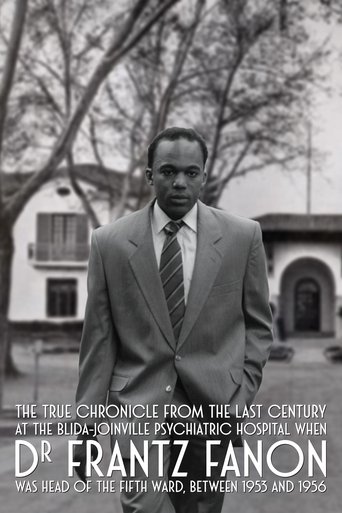
1953, colonized Algeria. Fanon, a young black psychiatrist is appointed head doctor at the Blida-Joinville Hospital. He was putting his theories of ‘Institutional Psychotherapy’ into practice in opposition to the racist theories of the Algies School of Psychiatry, while a war broke out in his own wards.
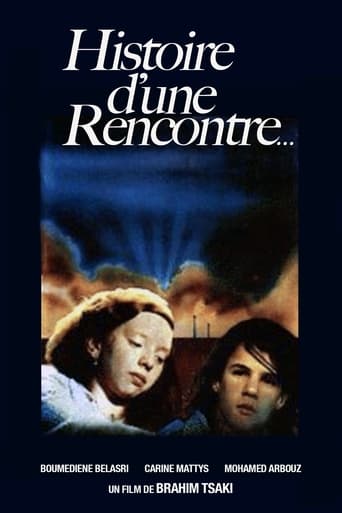
Two deaf and dumb children. She is the daughter of an American Oil engineer. He is the son of an Algerian farmer. They meet and manage to communicate, transcending all the cultural barriers that separate them.
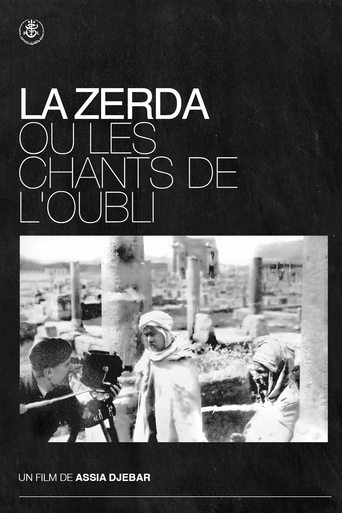
“La Zerda and the songs of oblivion” (1982) is one of only two films made by the Algerian novelist Assia Djebar, with “La Nouba des femmes du mont Chenoua” (1977). Powerful poetic essay based on archives, in which Assia Djebar – in collaboration with the poet Malek Alloula and the composer Ahmed Essyad – deconstructs the French colonial propaganda of the Pathé-Gaumont newsreels from 1912 to 1942, to reveal the signs of revolt among the subjugated North African population. Through the reassembly of these propaganda images, Djebar recovers the history of the Zerda ceremonies, suggesting that the power and mysticism of this tradition were obliterated and erased by the predatory voyeurism of the colonial gaze. This very gaze is thus subverted and a hidden tradition of resistance and struggle is revealed, against any exoticizing and orientalist temptation.
Directed by Kamal Dehane