Auschwitz: The Forgotten Evidence
2004-01-01 · 49 min · Not rated
The Nazi extermination camps at Auschwitz in Poland were photographed in extraordinary detail from the air. By combining emotional memories of those who experienced the camp and an almost forensic analysis of the shocking process of genocide, this film evokes details of the horror of Europe's darkest hour in a uniquely compelling way.
Trailers are previews, not full movies.
No authorized playback source configured. Use the legal watch options below.
Production details
- Directors
- Lucy Carter
- Production companies
- Unavailable
- Countries
- Unavailable
- Status
- Released
Top Cast
 Struan RodgerNarrator
Title information and images are supplied by TMDb. Explore our discovery guide for advice on comparing metadata and legal viewing options.
Where to watch
Availability provided by JustWatch via TMDb. Offers can change. Provider links are listed on TMDb; full playback requires a separately authorized source.
Availability not listed for this country.
Seasons & episodes
Recommendations

Marcel Ophuls' riveting film details the heinous legacy of the Gestapo head dubbed "The Butcher of Lyon." Responsible for over 4,000 deaths in occupied France during World War II, Barbie would escape—with U.S. help—to South America in 1951, where he lived until a global manhunt led to his 1983 arrest and subsequent trial.

When Allied forces liberated the Nazi concentration camps in 1944-45, their terrible discoveries were recorded by army and newsreel cameramen, revealing for the first time the full horror of what had happened. Making use of British, Soviet and American footage, the Ministry of Information’s Sidney Bernstein (later founder of Granada Television) aimed to create a documentary that would provide lasting, undeniable evidence of the Nazis’ unspeakable crimes. He commissioned a wealth of British talent, including editor Stewart McAllister, writer and future cabinet minister Richard Crossman – and, as treatment advisor, his friend Alfred Hitchcock. Yet, despite initial support from the British and US Governments, the film was shelved, and only now, 70 years on, has it been restored and completed by Imperial War Museums under its original title "German Concentration Camps Factual Survey".
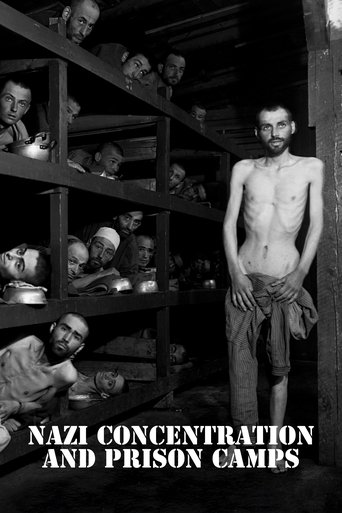
Produced and presented as evidence at the Nuremberg war crimes trial of Hermann Göring and twenty other Nazi leaders, this film consists primarily of dead and surviving prisoners and of facilities used to kill and torture during the World War II.
Stars of "The Walking Dead," Andrew Lincoln and Danai Gurira, walk down memory lane and visit iconic locations where pivotal moments between their characters, Rick and Michonne, were filmed.
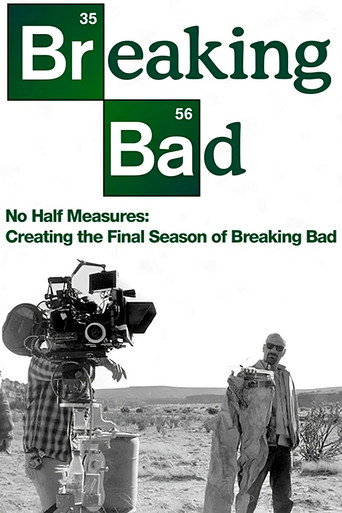
A documentary about the making of season five of the acclaimed AMC series Breaking Bad.

Through deeply personal interviews with her siblings and an examination of the photographs, letters, and belongings left behind, Mariska assembles a new portrait of her mother Jayne Mansfield, an extraordinary and complex woman.
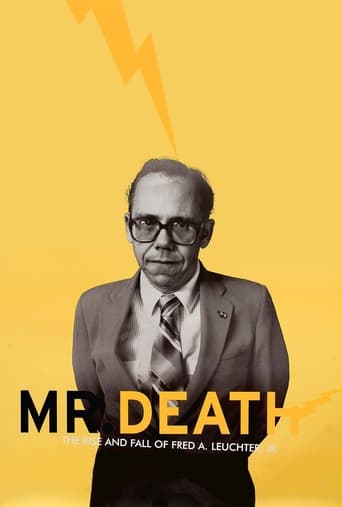
Documentary filmmaker Errol Morris investigates the case of a man who became an authority on capital punishment, but was discredited when he got involved on the wrong side of a court case. Leuchter, a meek man whose appearance belies his grim expertise, develops what he says is a more effective electric chair. Before long, he's in demand from officials who want his opinions on other execution methods. But when called to aid the case of an accused Holocaust denier, Leuchter's problems begin.

In an intimate and joyful story of love in the face of loss, celebrated poets Andrea Gibson and Megan Falley find strength—and unexpected hilarity—in what might be their final year together.

Amid the failing counteroffensive, a journalist follows a Ukrainian platoon on their mission to traverse one mile of heavily fortified forest and liberate a strategic village from Russian occupation. But the farther they advance through their destroyed homeland, the more they realize that this war may never end.

A visual montage portrait of our contemporary world dominated by globalized technology and violence.

From the heights of her modeling fame to her tragic death, this documentary reveals Anna Nicole Smith through the eyes of the people closest to her.

An inside look at one of the most anticipated movie sequels ever with James Cameron and cast.
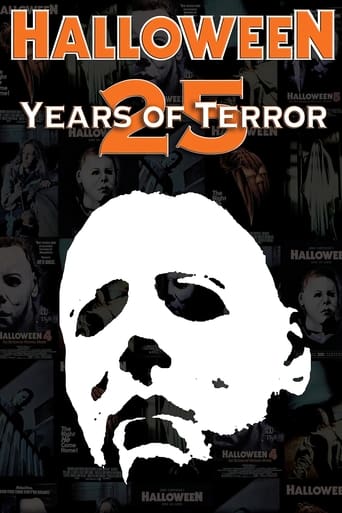
Follow the evolution of the 'Halloween' movies over the past twenty-five years. It examines why the films are so popular and revisits many of the original locations used in the films - seeing the effects on the local community. For the first time, cast, crew, critics and fans join together in the ultimate 'Halloween' retrospective.
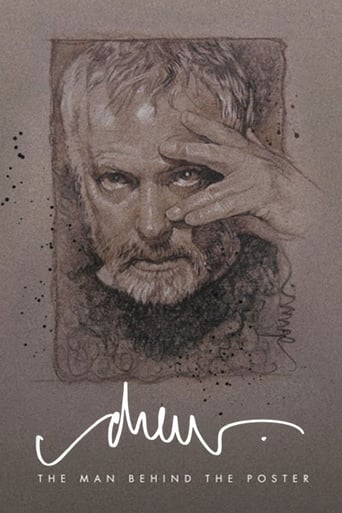
A documentary on legendary movie-poster artist Drew Struzan.

This documentary movie is about the battle of San Pietro, a small village in Italy. Over 1,100 US soldiers were killed while trying to take this location, that blocked the way for the Allied forces from the Germans. Preserved by the Academy Film Archive in 2005.

Documentary filmmaker Amy Berg investigates the life of 30-year pedophile Father Oliver O'Grady and exposes the corruption inside the Catholic Church that allowed him to abuse countless children. Victims' stories and a disturbing interview with O'Grady offer a view into the troubled mind of the spiritual leader who moved from parish to parish gaining trust ... all the while betraying so many.
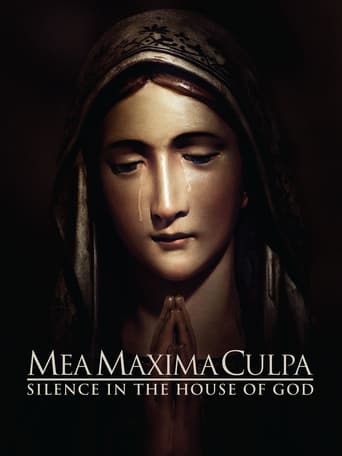
Alex Gibney explores the charged issue of pedophilia in the Catholic Church, following a trail from the first known protest against clerical sexual abuse in the United States and all way to the Vatican.

Over 35 years after Bob Lazar's revelations, this documentary exposes secrets of a facility the government still denies. Featuring Lazar's testimony, recreations, and new evidence, it reopens a case that continues to spark global curiosity
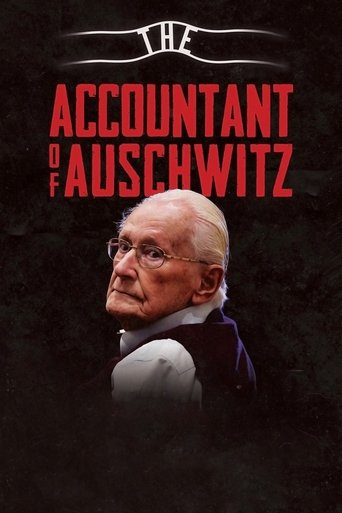
Oskar Gröning, known as the "Accountant of Auschwitz," was charged with the murder of 300,000 Jews. When he took the stand in 2015, at the age of 94, his trial made headlines worldwide.

A purely observational non-fiction film that takes viewers into the ethically murky world of end-of-life decision making in a public hospital.
Similar titles
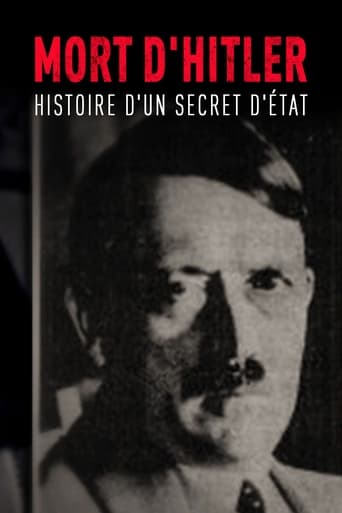
On April 30, 1945, while the Russian Army surrounded Berlin, Hitler committed suicide in his bunker. His body was discovered a few days later by the Soviets. He would be positively identified after a top secret inquest in which Hitler's personal dentist would play a central role. And yet, at the same time, Stalin publicly declared that his army was unable to find the Führer's body, choosing to let the wildest rumors develop and going so far as to accuse some of his Allies of having aided the monster's probable escape. What secrets were hidden behind this dissimulation? What happened then to the two ladies involved in the identification of Hitler’s body?
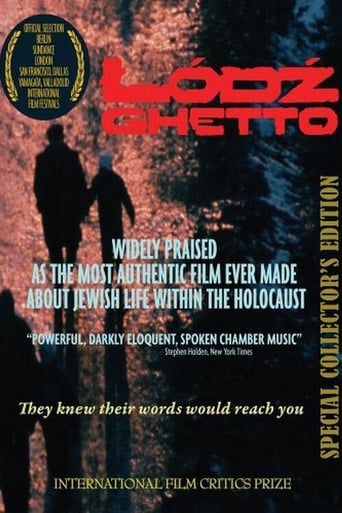
The Polish city of Łódź was under Nazi occupation for nearly the entirety of WWII. The segregation of the Jewish population into the ghetto, and the subsequent horrors are vividly chronicled via newsreels and photographs. The narration is taken almost entirely from journals and diaries of those who lived–and died–through the course of the occupation, with the number of different narrators diminishing as the film progresses, symbolic of the death of each narrator.

Filmmaker Alain Resnais documents the atrocities behind the walls of Hitler's concentration camps.
The destruction of the city and its architectural heritage during the Allied bombing of the Second World War.
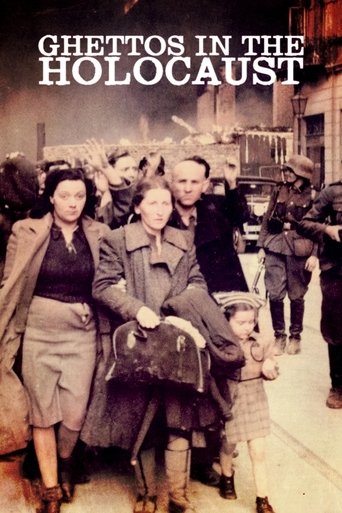
The gruesome story of the Jewish ghettos during the Nazi occupation of Eastern Europe in the dark days of World War II, based on the records written by their inhabitants, who bear witness to the human tragedy of the Shoah; but also to an indomitable will to live.
Explores the path of hitler from insignificance, to World domination, and demonstrates the delusions he had that lead to massive deaths during the War.
The impact of new documents from the international conflict that shook the world is enormous. Never-before-seen footage has emerged for the first time from previously secret archives. The murderous encirclement battles in Russia, the Battle of Britain, and the heroic deeds of countless lone fighters in Potsdam complete the circle of horror, from the Polish campaign to the harrowing images of refugee treks in the winter of 1944/45.
This communist history film recalls the heroism of Soviet soldiers fighting the Nazis in World War II. Forty of the 236 cameramen used for the feature were killed during their mission filming the Red Army.
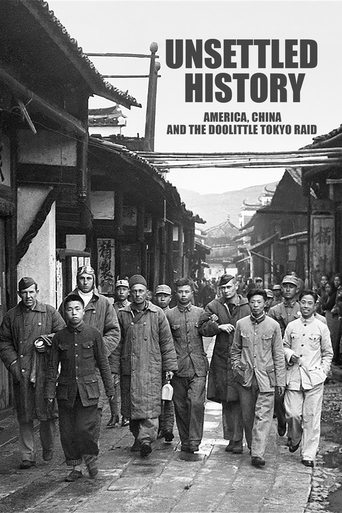
Doolittle's Raiders pull off a one-way bombing run over Tokyo and ditch their planes in and along the coast of China, where they are rescued by Chinese villagers, guerrillas, and missionaries. That generosity triggers horrific retaliation by the Japanese that claims an estimated quarter-million lives and prompts comparisons to the 1937-38 Rape of Nanking. The memory of the Raiders and their rescuers is kept alive by their children and grandchildren.
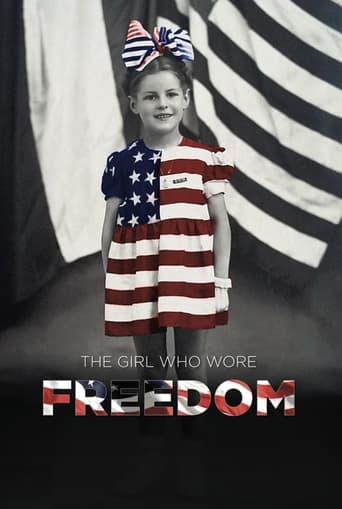
Discover the untold stories of D-Day from the men, women and children who lived through German occupation and Allied liberation of Normandy, France. Powerful and deeply personal, THE GIRL WHO WORE FREEDOM tells the stories of an America that lived its values, instilling pride in a country that's in danger of becoming a relic of the past.
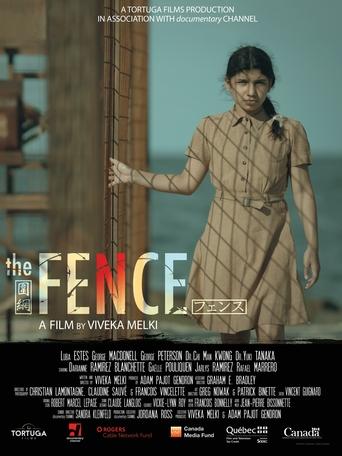
Two thousand Canadians suffered the longest incarceration anywhere in the Second World War, a bitter four-year period inside Japanese POW camps in Hong Kong and Japan.
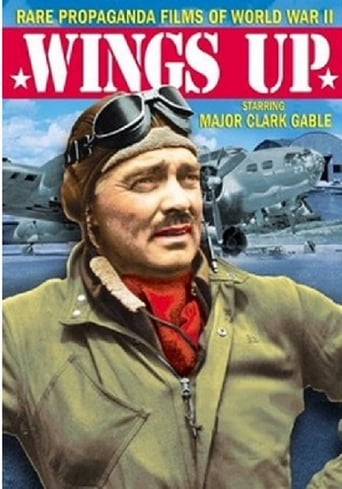
Clark Gable stars in this propaganda short about the Officers Candidate School of the Army Air Forces.
A tribute to the cameramen of the newsreel companies and the service film units, in the form of a compilation of film of the cameramen themselves, their training and some of their most dramatic film.
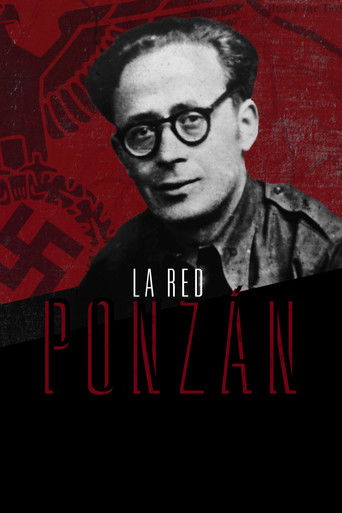
During the Spanish Civil War (1936-1939) and the Second World War (1939-1945), around three thousand people managed to elude their pursuers, and probably also avoided being killed, thanks to the heroic and very efficient efforts of the Ponzán Team, a brave group of people — mountain guides, forgers, safe house keepers and many others —, led by Francisco Ponzán Vidal, who managed to save their lives, both on one side and the other of the border between Spain and France.
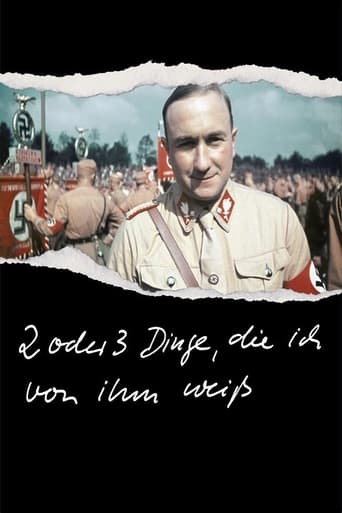
What would your family reminiscences about dad sound like if he had been an early supporter of Hitler’s, a leader of the notorious SA and the Third Reich’s minister in charge of Slovakia, including its Final Solution? Executed as a war criminal in 1947, Hanns Ludin left behind a grieving widow and six young children, the youngest of whom became a filmmaker. It's a fascinating, maddening, sometimes even humorous look at what the director calls "a typical German story." (Film Forum)
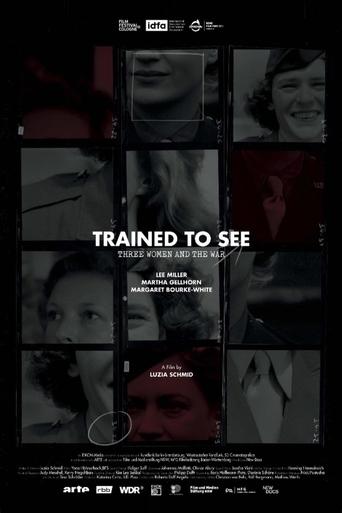
During the Second World War, women were for the first time allowed to work as war correspondents. Based on reports, letters and diary excerpts, filmmaker Luzia Schmid sketches a personal portrait of three fearless women and their unique attempts to report on the war.
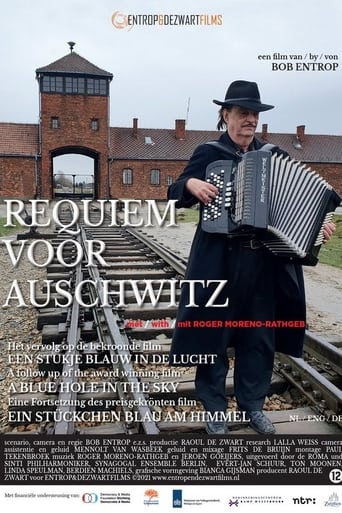
13 years ago, director Bob Entrop made the film A piece of blue in the sky, the first film in the Netherlands that depicted the murder of almost 1 million Sinti and Roma during the Second World War. There is a taboo on what happened during the war, you don't talk about it with anyone and certainly not in front of a camera. Requiem for Auschwitz is a sequel, with the most valuable moments from the first film, supplemented with the grandchildren and the creation and performance of the 'Requiem for Auschwitz' by Sinti composer Roger Moreno Rathgeb by the Sinti and Roma Philharmonic from Frankfurt and a Jewish choir in the Berliner Dom in Berlin, during Holocaust Memorial Day. During his visit to Auschwitz in 2020 with four musicians from the Dutch Accompaniment Orchestra, Roger shows them the places that inspired him.
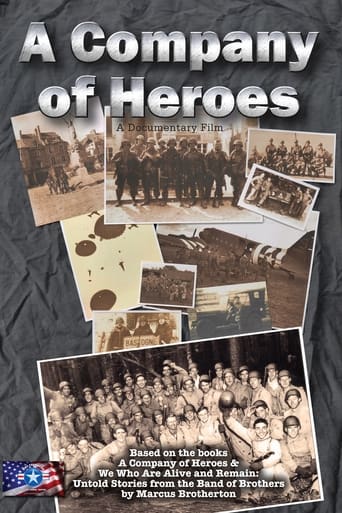
Easy Company, the 2nd Battalion of the 506th Parachute Infantry Regiment of the 101st Airborne Division, fought their way through Europe, liberated concentration camps, and drank a victory toast in April 1945 at Hitler's hideout. Veterans from Easy Company, along with the families of three deceased others, recount their horrors and victories, bonds they made and the friends they lost.
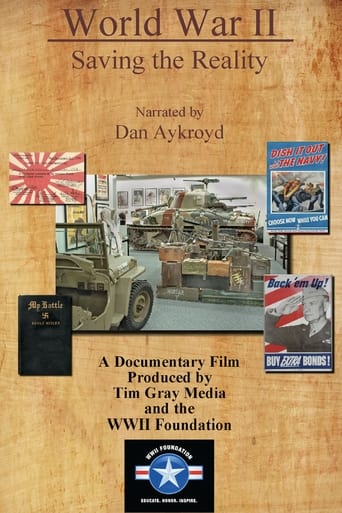
See Kenneth W. Rendell's collection of over 6,000 artifacts that range from the end of World War I and the rise of Nazism to the start of World War II and the fight in Europe and the Pacific.