
Carl Lutz – der vergessene Held
2014-10-05 · Runtime unavailable · Not rated
Trailers are previews, not full movies.
No authorized playback source configured. Use the legal watch options below.
Production details
- Directors
- Daniel von Aarburg
- Production companies
- Unavailable
- Countries
- Unavailable
- Status
- Released
Top Cast
Cast unavailable.
Title information and images are supplied by TMDb. Explore our discovery guide for advice on comparing metadata and legal viewing options.
Where to watch
Availability provided by JustWatch via TMDb. Offers can change. Provider links are listed on TMDb; full playback requires a separately authorized source.
Availability not listed for this country.
Seasons & episodes
Recommendations

Marcel Ophuls' riveting film details the heinous legacy of the Gestapo head dubbed "The Butcher of Lyon." Responsible for over 4,000 deaths in occupied France during World War II, Barbie would escape—with U.S. help—to South America in 1951, where he lived until a global manhunt led to his 1983 arrest and subsequent trial.
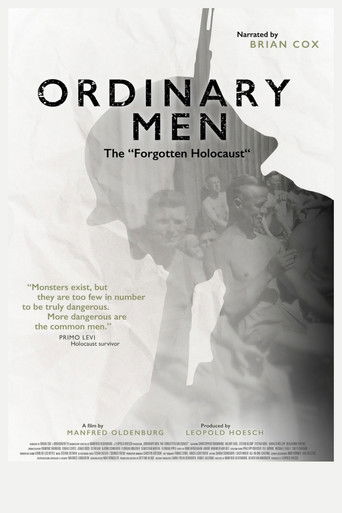
Six million Jews died during World War II, both in the extermination camps and murdered by the mobile commandos of the Einsatzgruppen and police battalions, whose members shot men, women and children, day after day, obediently, as if it were a normal job, a fact that is hardly known today. Who were these men and how could they commit such crimes?

When Allied forces liberated the Nazi concentration camps in 1944-45, their terrible discoveries were recorded by army and newsreel cameramen, revealing for the first time the full horror of what had happened. Making use of British, Soviet and American footage, the Ministry of Information’s Sidney Bernstein (later founder of Granada Television) aimed to create a documentary that would provide lasting, undeniable evidence of the Nazis’ unspeakable crimes. He commissioned a wealth of British talent, including editor Stewart McAllister, writer and future cabinet minister Richard Crossman – and, as treatment advisor, his friend Alfred Hitchcock. Yet, despite initial support from the British and US Governments, the film was shelved, and only now, 70 years on, has it been restored and completed by Imperial War Museums under its original title "German Concentration Camps Factual Survey".

Through deeply personal interviews with her siblings and an examination of the photographs, letters, and belongings left behind, Mariska assembles a new portrait of her mother Jayne Mansfield, an extraordinary and complex woman.

In an intimate and joyful story of love in the face of loss, celebrated poets Andrea Gibson and Megan Falley find strength—and unexpected hilarity—in what might be their final year together.
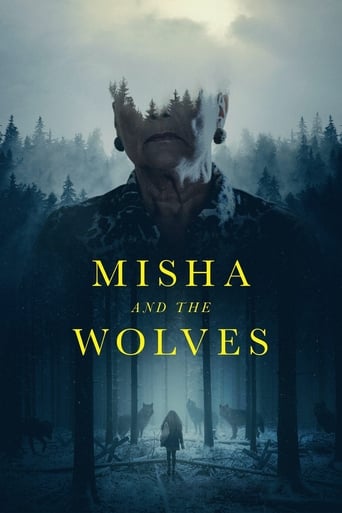
A woman’s Holocaust memoir takes the world by storm, but a fallout with her publisher-turned-detective reveals her story as an audacious deception created to hide a darker truth.

An inside look at one of the most anticipated movie sequels ever with James Cameron and cast.

Penetrating the insular world of New York's Hasidic community, focusing on three individuals driven to break away despite threats of retaliation.

This revealing documentary honors the legendary Sidney Poitier—iconic actor, filmmaker, and civil rights activist. Featuring interviews with Denzel Washington, Spike Lee, Halle Berry, and more.

The life and career of one of comedy's most inimitable modern voices, Mr. Gilbert Gottfried.
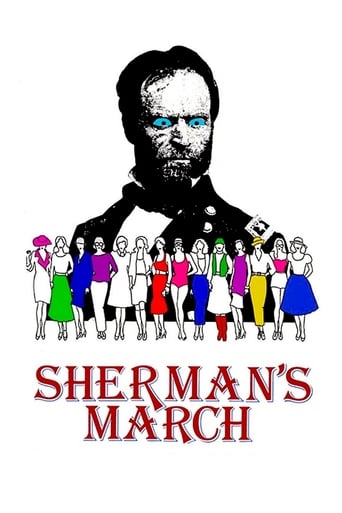
Documentarian Ross McElwee originally set out to make a travelogue of sorts tracing General William T. Sherman's infamous scorched-earth march through the Confederacy in the latter stages of the Civil War. Instead, haunted by a recent breakup with a girlfriend, McElwee ends up documenting his progress -- or lack thereof -- in starting a new relationship. His journey then becomes one of self-reflection and self-discovery rather than a historical/sociological exploration.

A detailing of the rise to prominence and global sporting superstardom of six supremely talented young Manchester United football players (David Beckham, Nicky Butt, Ryan Giggs, Paul Scholes, Phil and Gary Neville). The film covers the period 1992-1999, culminating in Manchester United's European Cup triumph.
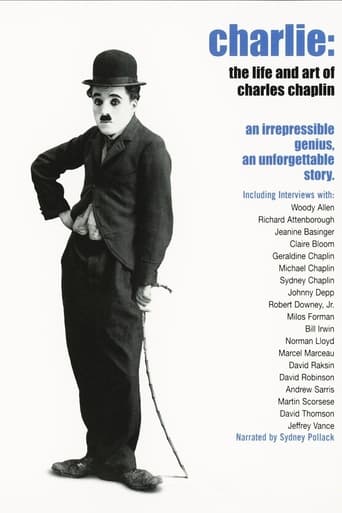
Brilliant, long in-the-works story of the life and art of the world's greatest comedian and the cinema's first genius, Charlie Chaplin. Produced, written and directed by renowned film critic Richard Schickel.

Alex Gibney explores the charged issue of pedophilia in the Catholic Church, following a trail from the first known protest against clerical sexual abuse in the United States and all way to the Vatican.

A string of threatening emails escalates into a revenge plot involving a newly married US marshal and his ex-girlfriend.
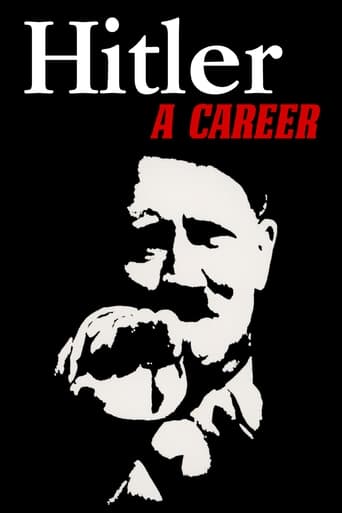
A keen chronicle of the unlikely rise to power of Adolf Hitler (1889-1945) and a dissection of the Third Reich (1933-1945), but also an analysis of mass psychology and how the desperate crowd can be deceived and shepherded to the slaughterhouse.
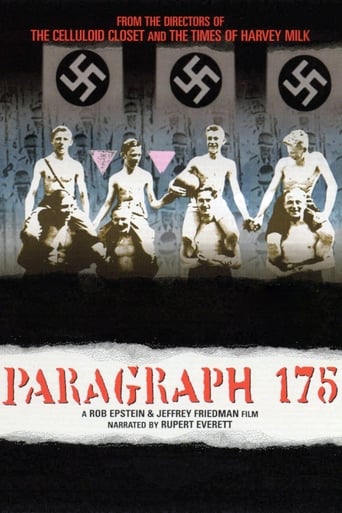
During the Nazi regime, there was widespread persecution of homosexual men, which started in 1871 with the Paragraph 175 of the German Penal Code. Thousands were murdered in concentration camps. This powerful and disturbing documentary, narrated by Rupert Everett, presents for the first time the largely untold testimonies of some of those who survived.
Go behind the scenes with stars, puppeteers and creators as they bring Jim Henson's magical world of Thra back to life in a sweeping fantasy series.

A documentary on the expletive's origin, why it offends some people so deeply, and what can be gained from its use.

Al Pacino's deeply-felt rumination on Shakespeare's significance and relevance to the modern world through interviews and an in-depth analysis of "Richard III."
Similar titles
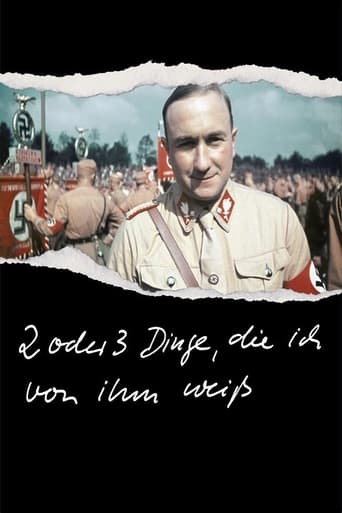
What would your family reminiscences about dad sound like if he had been an early supporter of Hitler’s, a leader of the notorious SA and the Third Reich’s minister in charge of Slovakia, including its Final Solution? Executed as a war criminal in 1947, Hanns Ludin left behind a grieving widow and six young children, the youngest of whom became a filmmaker. It's a fascinating, maddening, sometimes even humorous look at what the director calls "a typical German story." (Film Forum)

During the Spanish Civil War (1936-1939) and the Second World War (1939-1945), around three thousand people managed to elude their pursuers, and probably also avoided being killed, thanks to the heroic and very efficient efforts of the Ponzán Team, a brave group of people — mountain guides, forgers, safe house keepers and many others —, led by Francisco Ponzán Vidal, who managed to save their lives, both on one side and the other of the border between Spain and France.
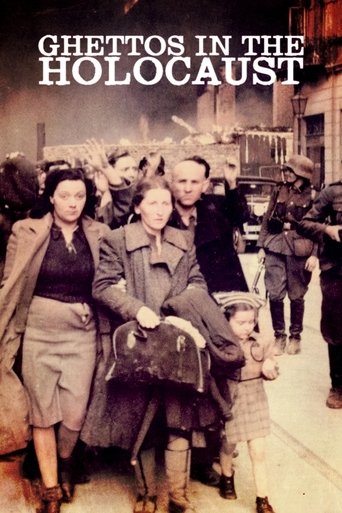
The gruesome story of the Jewish ghettos during the Nazi occupation of Eastern Europe in the dark days of World War II, based on the records written by their inhabitants, who bear witness to the human tragedy of the Shoah; but also to an indomitable will to live.
About the nurses who used their professional skills to murder the handicapped, mentally ill and infirm at the behest of the Third Reich and directly participated in genocide.
Pinky Thompson grew up in Hawaii during a time when one was punished for being Native Hawaiian. After almost losing his life in the battlefields of Normandy in World War II, Pinky brought his fierce energy to the arena of social service whre he championed a health care system, created invaluable educational programs and strengthened the pride of Native Hawaiians. Pinky fostered new methods of policy collaboration and community testimony. He elevated a new generation of Hawaiian leaders to represent the vibrant cultural identity and value system of the Hawaiian people.

Hortense McKay teaches the lesson of caring even in the worst of times.
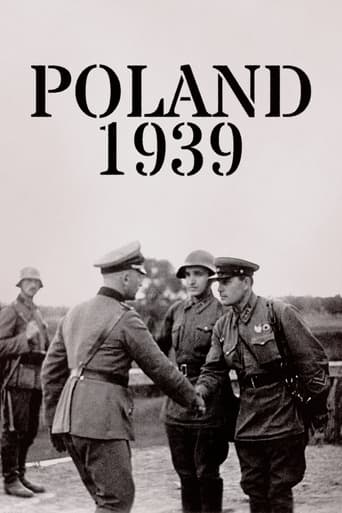
September 1st, 1939. Nazi Germany invades Poland. The campaign is fast, cruel and ruthless. In these circumstances, how is it that ordinary German soldiers suddenly became vicious killers, terrorizing the local population? Did everyone turn into something worse than wild animals? The true story of the first World War II offensive that marks in the history of infamy the beginning of a carnage and a historical tragedy.
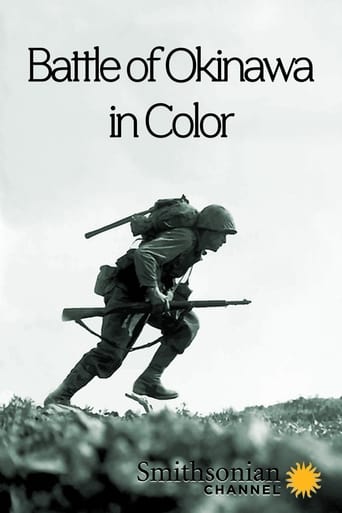
By mid-1945, Hitler is dead and the war has ended in Europe. Halfway around the world, however, the fighting is still going strong on a small island in the Pacific. Okinawa was the site of the last battle of the last great war of the 20th century, with a casualty rate in the tens of thousands. Through it all, military cameramen risked their lives to film the conflict, from brutal land combat to fierce kamikaze attacks at sea. See the footage they captured and experience this intense battle the way the soldiers saw it -- in color.
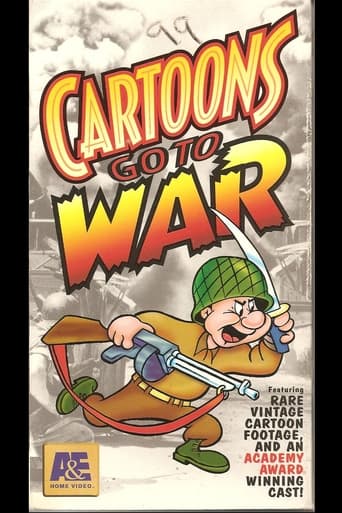
This remarkable documentary dedicates itself to an extraordinary chapter of the second World War – the psychological warfare of the USA. America’s trusted cartoon darlings from the studios of Warner Bros., Paramount, and the “big animals” of the Disney family were supposed to give courage to the people at the homefront, to educate them, but also to simultaneously entertain them. Out of this mixture grew a genre of its own kind – political cartoons. Insightful Interviews with the animators and producers from back then elucidate in an amusing and astonishing way under which bizarre circumstances these films partially came into existence.

Our two-hour film highlights the life and career of Dr. Schreiber with respect and clarity. Raemer, his wife Marge, and young daughter Paula would move to the high-desert of New Mexico where he and other brilliant minds would change the world forever.
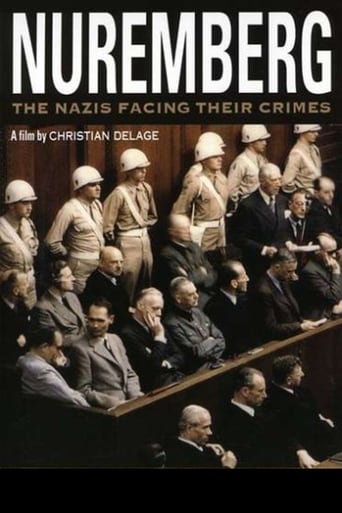
The documentary of the Nuremberg War Trials of 21 Nazi dignitaries held after World War II.
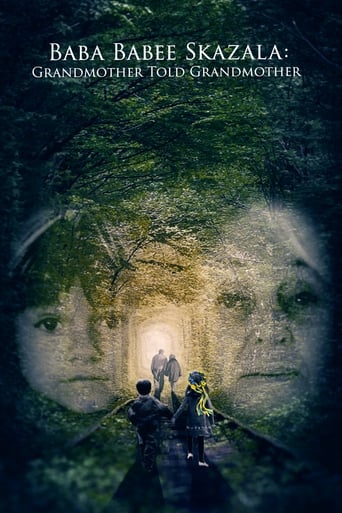
The little-known story of Ukrainian children torn from their homes in the crush between the Nazi and Soviet fronts in World War II. Spending their childhood as refugees in Europe, these inspiring individuals later immigrated to the United States, creating new homes and communities through their grit, faith and deep belief in the importance of preserving culture.

An account of the life and work of the Polish writer Stanisław Lem (1921-2006), a key figure in science fiction literature involved in mysteries and paradoxes that need to be enlightened.
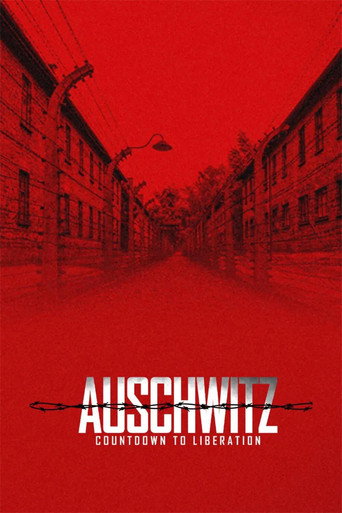
The last weeks in the Nazi concentration camp revealed through the touching stories of survivors such as Eva Kor and Samuel Modiano. Between suffering and resistance, the documentary explores human courage in inhumane conditions, revealing the hope that flourished even in the darkest moments. A powerful tribute to memory and freedom, essential for not forgetting.
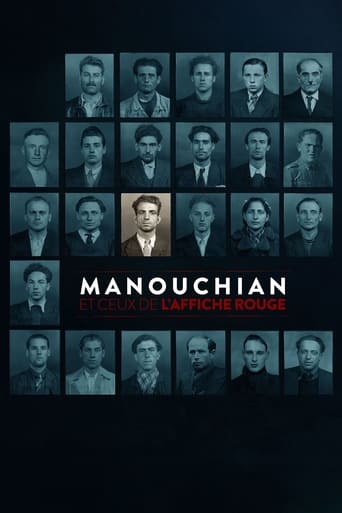
In February 1944, in a courtyard at Fresnes Prison, the Germans staged a spectacle to stigmatize a group of communist resistance fighters—all foreigners and mostly Jewish—who had been arrested a few weeks earlier. The propaganda aimed to discredit these fighters, portraying them as terrorists and criminals, even though they had managed to carry out numerous attacks against the occupiers in Paris. The red poster, plastered in thousands of copies across the country, would immortalize them in legend. They were subsequently executed at Mont-Valérien, near Paris. Missak Manouchian, the Armenian who led these fighters, now embodies this group in the collective memory as he is enshrined in the Panthéon, on behalf of all his comrades, 80 years after their execution.

The story of the only three minutes of footage —a home movie shot by David Kurtz in 1938— showing images of the Jewish inhabitants of Nasielsk (Poland) before the beginning of the Shoah.
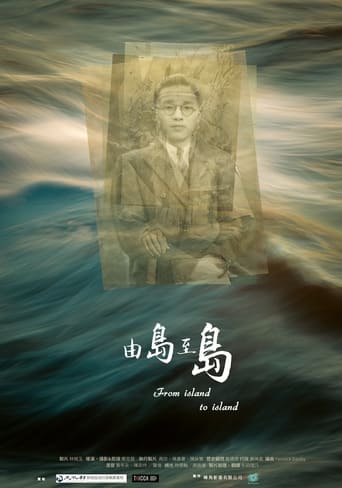
During World War II, Taiwan was part of the Japanese Empire. This documentary explores the experiences of Taiwanese soldiers, doctors, and overseas residents in Southeast Asia during that time. Using cross-generational memory dialogues, family letters, diaries, and videos, the film addresses the complexities of Taiwan's historical memory and diverse identities during that period.
With her slap of the Federal Chancellor Kurt Georg Kiesinger in 1968, Beate Klarsfeld abruptly got known worldwide. The film highlights the significance of this act and its background. Beate Klarsfeld, born in Berlin in 1939 as Beate Künzel, is primarily known to people as "the woman with the slap" and as the Nazi hunter. In 1960 she went to Paris and met her future husband Serge Klarsfeld, whose father was deported to Auschwitz and murdered there. She was confronted with the darkest part of German history, about which she had learned nothing at school. Serge gave her books to read and made her actively deal with them. Since then, she has not let go of dealing with the crimes of the Nazi era. For them, it was always about "responsibility, not guilt".
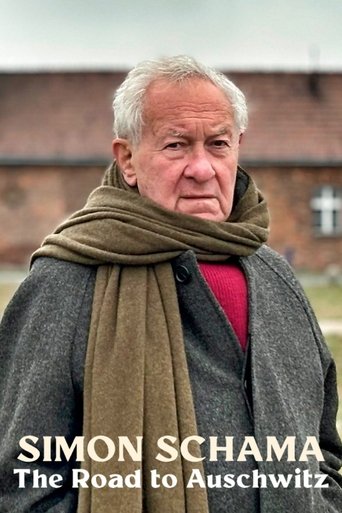
In the most personal and unflinching film of his career, historian Simon Schama confronts the enormity of the Holocaust and the catastrophe experienced by its victims. In a journey that ends with his first visit to Auschwitz, Simon travels across the Continent to explore how the Holocaust was far more than a Nazi obsession that played out in gas chambers, but a European-wide crime of complicity. From bullets in the Lithuanian lands of his ancestors to bureaucracy in the Netherlands, he reveals how deep-rooted prejudice was weaponised to turn people against their Jewish neighbours. As a moving interview with a survivor reveals, the story of how ‘evil comes step by step’ remains powerfully relevant today.