Seven Days of Chaos
2009-01-01 · Runtime unavailable · Not rated
Trailers are previews, not full movies.
No authorized playback source configured. Use the legal watch options below.
Production details
- Directors
- Karel Doing
- Production companies
- The Netherlands Foundation for Visual Arts, Design and Architecture
- Countries
- Australia, Netherlands
- Status
- Released
Top Cast
Cast unavailable.
Title information and images are supplied by TMDb. Explore our discovery guide for advice on comparing metadata and legal viewing options.
Where to watch
Availability provided by JustWatch via TMDb. Offers can change. Provider links are listed on TMDb; full playback requires a separately authorized source.
Availability not listed for this country.
Seasons & episodes
Recommendations
A nameless drifter navigates a barren landscape punctuated by satellite dishes, radio towers and droning airplanes. Stopping periodically in anonymous hotel rooms, she makes attempts to connect to an unidentified second party.
In Le Livre d’Image, Jean-Luc Godard recycles existing images (films, documentaries, paintings, television archives, etc.), quotes excerpts from books, uses fragments of music. The driving force is poetic rhyme, the association or opposition of ideas, the aesthetic spark through editing, the keystone. The author performs the work of a sculptor. The hand, for this, is essential. He praises it at the start. “There are the five fingers. The five senses. The five parts of the world (…). The true condition of man is to think with his hands. Jean-Luc Godard composes a dazzling syncopation of sequences, the surge of which evokes the violence of the flows of our contemporary screens, taken to a level of incandescence rarely achieved. Crowned at Cannes, the last Godard is a shock film, with twilight beauty.
In Manhattan's Central Park, a film crew directed by William Greaves is shooting a screen test with various pairs of actors. It's a confrontation between a couple: he demands to know what's wrong, she challenges his sexual orientation. Cameras shoot the exchange, and another camera records Greaves and his crew. Sometimes we watch the crew discussing this scene, its language, and the process of making a movie. Is there such a thing as natural language? Are all things related to sex? The camera records distractions - a woman rides horseback past them; a garrulous homeless vet who sleeps in the park chats them up. What's the nature of making a movie?
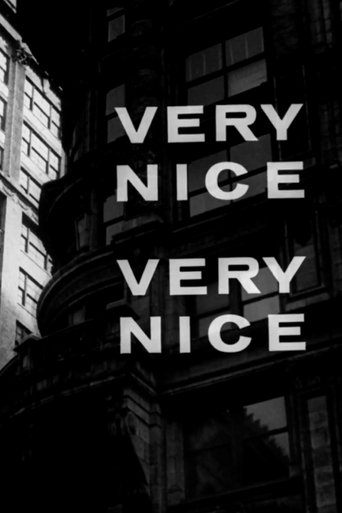
Arthur Lipsett's first film is an avant-garde blend of photography and sound. It looks behind the business-as-usual face we put on life and shows anxieties we want to forget. It is made of dozens of pictures that seem familiar, with fragments of speech heard in passing and, between times, a voice saying, "Very nice, very nice." The film was nominated for an Oscar for Best Live Action Short Film.
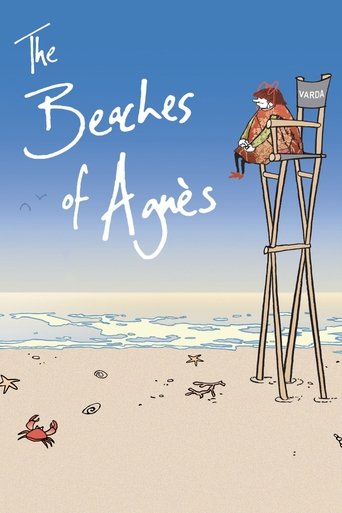
Filmmaking icon Agnès Varda, the award-winning director regarded by many as the grandmother of the French new wave, turns the camera on herself with this unique autobiographical documentary. Composed of film excerpts and elaborate dramatic re-creations, Varda's self-portrait recounts the highs and lows of her professional career, the many friendships that affected her life and her longtime marriage to cinematic giant Jacques Demy.
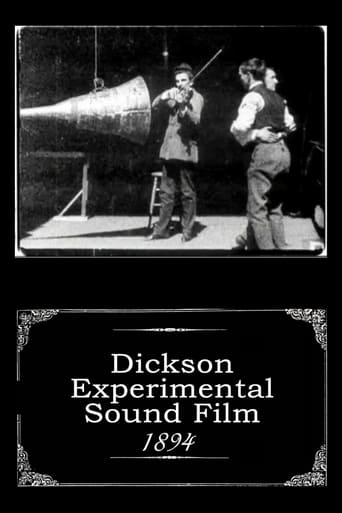
William K.L. Dickson plays the violin while two men dance. This is the oldest surviving sound film where sound is recorded on the phonograph.
Capturing Avatar is a feature length behind-the-scenes documentary about the making of Avatar. It uses footage from the film's development, as well as stock footage from as far back as the production of Titanic in 1995. Also included are numerous interviews with cast, artists, and other crew members. The documentary was released as a bonus feature on the extended collector's edition of Avatar.
This special explores the return of Obi-Wan Kenobi and Anakin Skywalker to the screen, as well as Ewan McGregor and Hayden Christensen to their classic roles. Director Deborah Chow leads the cast and crew as they create new heroes and villains that live alongside new incarnations of beloved Star Wars characters, and an epic story that dramatically bridges the saga films.

In the Realms of the Unreal is a documentary about the reclusive Chicago-based artist Henry Darger. Henry Darger was so reclusive that when he died his neighbors were surprised to find a 15,145-page manuscript along with hundreds of paintings depicting The Story of the Vivian Girls, in What is Known as the Realms of the Unreal, of the Glodeco-Angelinnian War Storm, Cased by the Child Slave Rebellion.
A look behind the lens of Christopher Nolan's space epic.

A compilation of over 30 years of private home movie footage shot by Lithuanian-American avant-garde director Jonas Mekas, assembled by Mekas "purely by chance", without concern for chronological order.
Thirty-four days before she's sent to prison, notorious Silicon Valley founder Elizabeth Holmes invites a skeptical film crew to document her every move. What begins as an intimate portrait of an enigmatic felon becomes a mind-bending three-year journey into the abyss.
Takes us to locations all around the US and shows us the heavy toll that modern technology is having on humans and the earth. The visual tone poem contains neither dialogue nor a vocalized narration: its tone is set by the juxtaposition of images and the exceptional music by Philip Glass.

As a visually radical memoir, CAMERAPERSON draws on the remarkable footage that filmmaker Kirsten Johnson has shot and reframes it in ways that illuminate moments and situations that have personally affected her. What emerges is an elegant meditation on the relationship between truth and the camera frame, as Johnson transforms scenes that have been presented on Festival screens as one kind of truth into another kind of story—one about personal journey, craft, and direct human connection.
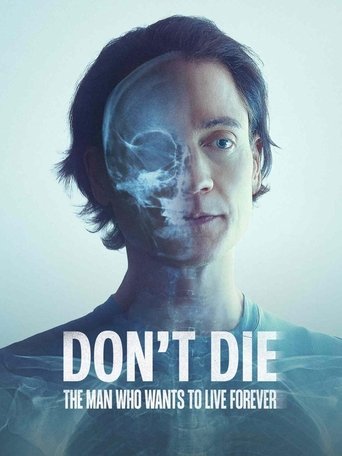
In this documentary, wealthy entrepreneur Bryan Johnson puts his body and fortune on the line to defy aging and extend his life beyond all known limits.

Short film made with the help of the Sundance Film Institute and serving as a proof-of-concept for the subsequent feature film.
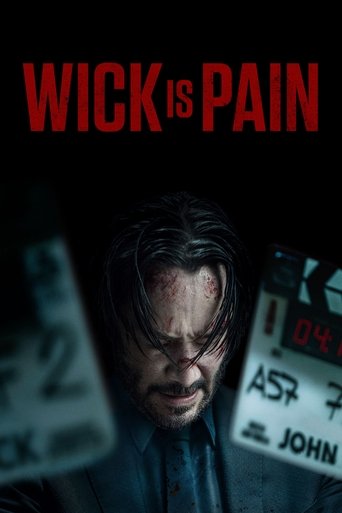
Witness the never-before-seen footage and true story behind the John Wick phenomenon – from independent film to billion-dollar franchise.
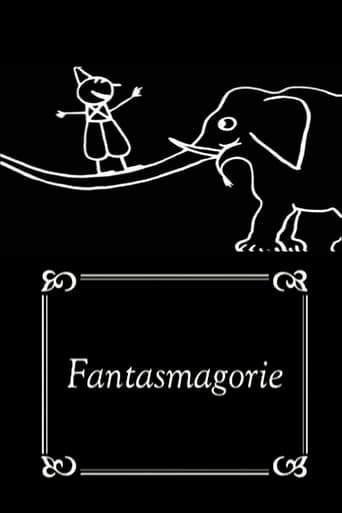
An animated film by French auteur Émile Cohl, one of the earliest examples of hand-drawn film animation. Drawing inspiration from J. Stuart Blackton and the Incoherents of club Hydropathes, the film, with all its wild transformations, sees our protagonist materialize a movie theatre, meet an elephant and escape from jail; A morphing, stream-of-consciousness delight.
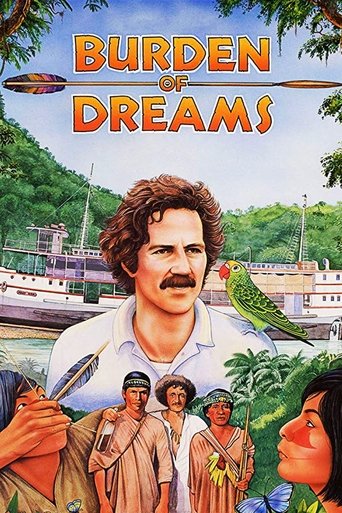
The Amazon rain forest, 1979. The crew of Fitzcarraldo (1982), a film directed by German director Werner Herzog, soon finds itself with problems related to casting, tribal struggles and accidents, among many other setbacks; but nothing compared to dragging a huge steamboat up a mountain, while Herzog embraces the path of a certain madness to make his vision come true.

Told through performances, TV interviews, home movies, family photographs, private letters and unpublished memoirs, the film reveals the essence of an extraordinary woman who rose from humble beginnings in New York City to become a glamorous international superstar and one of the greatest artists of all time.
Similar titles
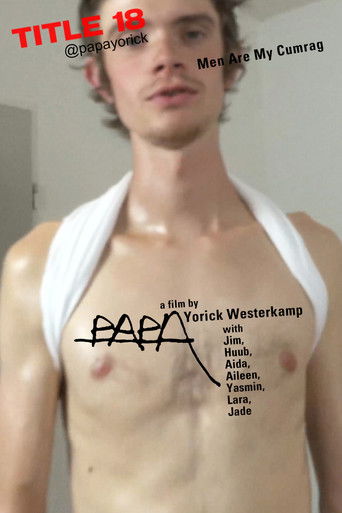
An experimental short film made as part of a multi-media triptych, originally screened alongside a fashion collection and an art-installation. Drawing from Papa Yorick’s (Director and fashion designer) thesis “Men Are My Cumrag”, the film reenacts eight mainstay gay porn scripts, incorporating and parodying tropes and clichés, that explore masculine identities within the gay porn industry, through a satirical and critical lens.
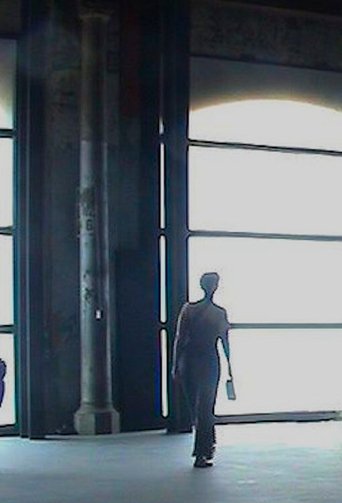
This experimental "film" consists of an empty room with a bare lightbulb, and windows covered with a translucent material, for a duration of 24 hours. It is not necessary for visitors to stay for the entire duration - they can come and go as they please. Created by Anthony McCall, it is based on the architectural framing of time and light. It came at the end of a series of works in which McCall was stripping back cinema to its absolute minimum - light, time, and human experience/perception.


A young woman is confronted with the conflict of growing up and pushed to her mental limits. Nothing seems to be working or going the way she thought it would. Her inner life is becoming more fragile. How long can she put up with this?
Outtakes, commentary from Zefier's third film: Jo; or The Act of Riding a Bike.
REkOGNIZE is a three-channel video installation and a meditation on photography, memory, and movement. Artist and Academy Award-nominated cinematographer Bradford Young (Selma, Arrival) finds inspiration in Pittsburgh’s Hill District neighborhood, a site of the early 20th-century Great Migration. During this time, millions of African Americans moved from the rural southern United States to cities in the north and west. The Hill District saw a flourishing of culture during these years and was a site of artistic development for luminaries such as August Wilson, Charles “Teenie” Harris, Errol Garner, and many others. REkOGNIZE takes its visual cues from the Pittsburgh landscape, especially the city’s tunnels, which serve not only as literal entry points into the city, but also as metaphors for this movement of people and culture.

This timeless experimental film draws on the work of 17th century scientist Robert Boyle to present a varied combination of texts, objects, colours and textures. The traditional tone of the cinematic impressions takes us back into the past (evocations of Boyle’s era, projection using damaged film stock) and the images have something of a cathartic quality about them. The title of this dream-like, mood- -inducing film, a tribute of sorts to the Irish thinker, was inspired by a Jorie Graham poem and underlines the nature of the 14-year process during which the film came together.
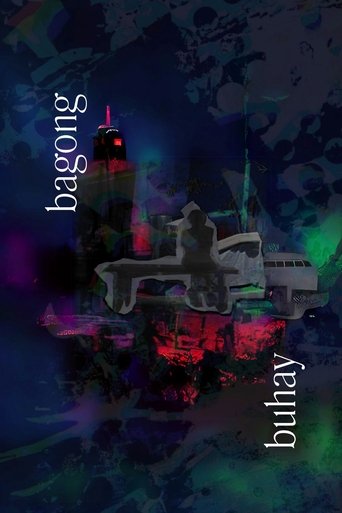
"Bagong Buhay" is a short experimental film that dispels the common belief that packing up and moving to a new place will magically improve one's quality of life. The film challenges this presumption by portraying two contrasting ways of life through objects and locations, encouraging viewers to think critically about the complexities of what makes a better life. In the Philippines, it's believed that relocating to a new area will bring about positive changes in one's existence. True satisfaction is a complex and multifaceted notion, and "Bagong Buhay" encourages us to ponder that relocating to a new place is not a surefire way to attain it.
Brazilian short film, directed by Julia Murat.
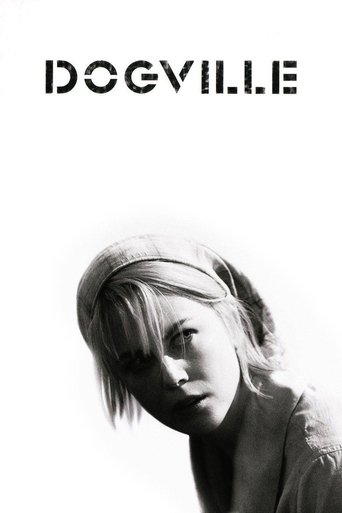
A woman on the run from the mob is reluctantly accepted in a small Colorado community in exchange for labor, but when a search visits the town, she learns that their support has a price.

A flickering diary of time, memory, and erosion, «Things Many Eyes Have Seen» unfolds over a month on an island. Hand-processed in salty seawater, its 16mm images dissolve and transform. The landscape flashes by in broken frames of light and shadow, as if the world itself was stuttering between memory and motion. A meditation on seeing and being seen, the film lingers like a fading dream, where observer and landscape blur into one.

A dynamic, contemporary dance performance about how it is impossible to explain your deepest wishes or desires... how these can only be expressed in dreams and sleep. In the final sequence, we see the importance of effort and hope in the dancers' attempt to escape gravity. The all-male company performs to the music of David Byrne.

A tale of people unfolds under the night sky. These doomed couples and lost individuals begin journeys and attempt to find resolution in their lives. Love is observed from a distance, sadness is in the air. With little sympathy for the loss and destruction caused to the characters, the stories progress and become neatly woven into a minimalistic portrayal of modern life.
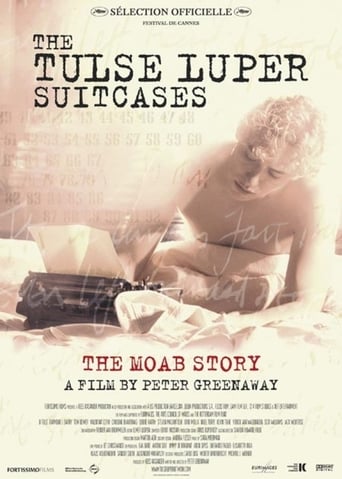
A comic study of 20th-century history, reconstructing the life of writer, creator and professional prisoner Tulse Luper. Born in 1911 Newport and last heard of in 1989, Luper’s life is pieced together from the evidence found in 92 suitcases scattered across the globe. In the first of three parts, we follow Luper through three distinct episodes: as a child during the First World War; as an explorer in Mormon Utah; and as a writer in Belgium during the rise of fascism.
After concluding the now-legendary public access TV series, The Pain Factory, Michael Nine embarked on a new and more subversive public access endeavor: a collaboration with Scott Arford called Fuck TV. Whereas The Pain Factory predominantly revolved around experimental music performances, Fuck TV was a comprehensive and experiential audio-visual presentation. Aired to a passive and unsuspecting audience on San Francisco’s public access channel from 1997 to 1998, each episode of Fuck TV was dedicated to a specific topic, combining video collage and cut-up techniques set to a harsh electronic soundtrack. The resultant overload of processed imagery and visceral sound was unlike anything presented on television before or since. EPISODES: Yule Bible, Cults, Riots, Animals, Executions, Static, Media, Haterella (edited version), Self Annihilation Live, Electricity.

Juan Daniel's memory doesn't belong to him anymore. After an amnesiac accident at the beginning of 2009, he started watching home-videos and having reminiscent dreams in the need of reconstructing his memory and identity. Months later, he found himself with too many celluloid, analog and digital memories, three generations' eyes captured by different formats. This is the neurological experience Juan Daniel suffered.

BLUR tells the story of Iago, who's had health problems and speech impediments, until he meets Isabela, who will help him find meaning after surgery.
This short film, built around a randomly chosen name and composed of scenes shot within a single room over the course of three hours, features an introspective monologue that was shaped and adapted during the editing process. The narrative aligns closely with the emotional tone and visual rhythm of the piece, particularly in harmony with the non-original music selection, Maggot Brain by Funkadelic.

A boy stands in a field, flying his kite.