
Mon pays au matin calme
1995-01-01 · 52 min · Not rated
The discovery of one of the world’s last remaining communist countries, North Korea, seen through the eyes of a young woman from Antwerp of Korean origin. Adopted as a Belgian citizen, she decides to return to her native country, whose language she does not even speak. A stereotypical vision of everyday life in North Korea? The filmmaker instead sought to meet the men and women who live there. Wherever nature unfolds and human life persists, there are always sounds that break the silence—even in the “Land of the Morning Calm.” Thanks to Mi Kyong, the interpreter whose role gradually shifts to become the central figure of the film, we are introduced to the daily life of this remote country, which has been living for more than 50 years through a unique communist experience.
Trailers are previews, not full movies.
No authorized playback source configured. Use the legal watch options below.
Production details
- Directors
- Kamal Dehane
- Production companies
- Cobra Films, CBA, RTBF
- Countries
- Belgium
- Status
- Released
Top Cast
Title information and images are supplied by TMDb. Explore our discovery guide for advice on comparing metadata and legal viewing options.
Where to watch
Availability provided by JustWatch via TMDb. Offers can change. Provider links are listed on TMDb; full playback requires a separately authorized source.
Availability not listed for this country.
Seasons & episodes
Recommendations
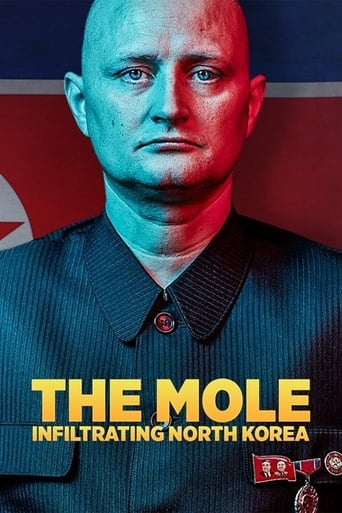
A real-life undercover thriller about two ordinary men who embark on an outrageously dangerous ten-year mission to penetrate the world's most secretive and brutal dictatorship: North Korea.

Through deeply personal interviews with her siblings and an examination of the photographs, letters, and belongings left behind, Mariska assembles a new portrait of her mother Jayne Mansfield, an extraordinary and complex woman.
A presentation of a case for a needed transition out of the current socioeconomic monetary paradigm which governs the entire world society. This subject matter will transcend the issues of cultural relativism and traditional ideology and move to relate the core, empirical 'life ground' attributes of human and social survival, extrapolating those immutable natural laws into a new sustainable social paradigm called a 'Resource-Based Economy'.
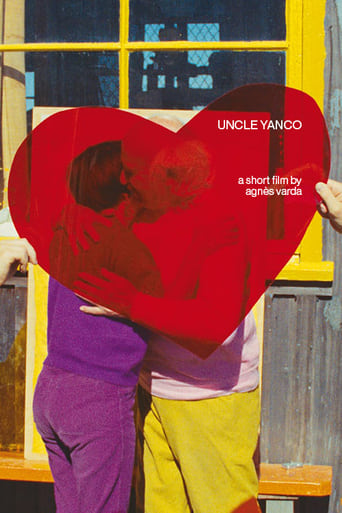
While in San Francisco for the promotion of her last film in October 1967, Agnès Varda, tipped by her friend Tom Luddy, gets to know a relative she had never heard of before, Jean Varda, nicknamed "Yanco". This hitherto unknown uncle lives on a boat in Sausalito, is a painter, has adopted a hippie lifestyle and loves life. The meeting is a very happy one.
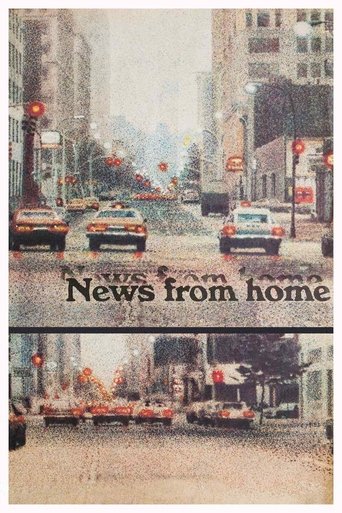
Impersonal and beautiful images of Akerman's life in New York are combined with letters from her loving but manipulative mother, read by Akerman herself.
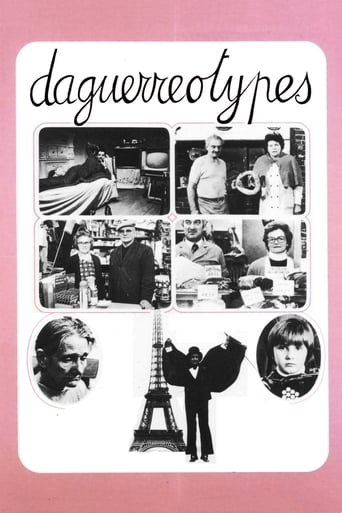
An intimate portrait of the small shops and shopkeepers of the Rue Daguerre in Paris, a picturesque street that has been the filmmaker’s home for more than 50 years.

A documentary about how a dominant cultural and demographic institution both sustains their traditional activities and adapts to the digital revolution.

A 1993 documentary film about Bruce Lee. The film includes interviews from some of his fellow students and opponents who worked alongside him in his movies.

The film follows adventurer Jeff Johnson as he retraces the epic 1968 journey of his heroes Yvon Chouinard and Doug Tompkins to Patagonia.

A compilation of over 30 years of private home movie footage shot by Lithuanian-American avant-garde director Jonas Mekas, assembled by Mekas "purely by chance", without concern for chronological order.

A string of threatening emails escalates into a revenge plot involving a newly married US marshal and his ex-girlfriend.
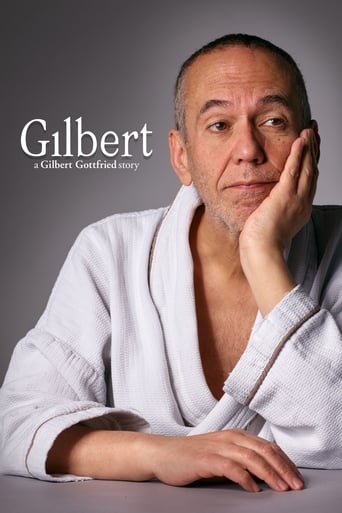
The life and career of one of comedy's most inimitable modern voices, Mr. Gilbert Gottfried.
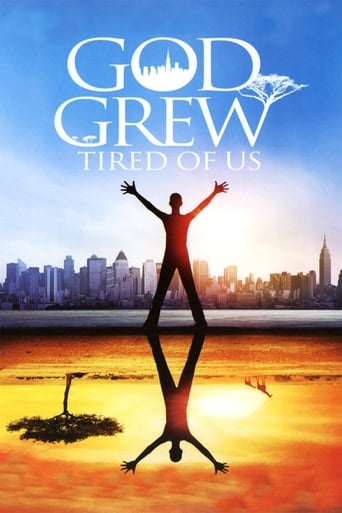
Filmmaker Christopher Quinn observes the ordeal of three Sudanese refugees -- Jon Bul Dau, Daniel Abul Pach and Panther Bior -- as they try to come to terms with the horrors they experienced in their homeland, while adjusting to their new lives in the United States.
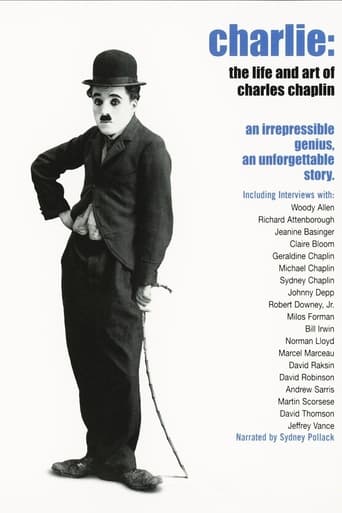
Brilliant, long in-the-works story of the life and art of the world's greatest comedian and the cinema's first genius, Charlie Chaplin. Produced, written and directed by renowned film critic Richard Schickel.
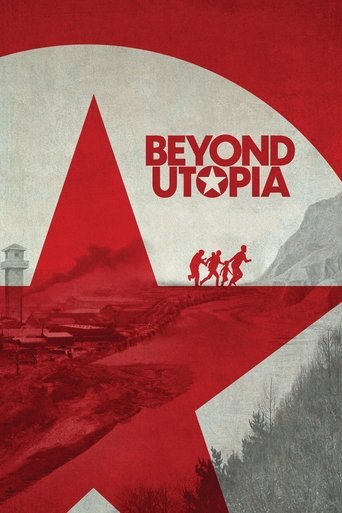
A courageous pastor uses his underground network to rescue and aid North Korean families as they risk their lives to embrace freedom.

A dreamlike conversation with the past and the present, reimagining Latasha Harlins' story by excavating intimate memories shared by those who loved her.

Documentary filmmaker Amy Berg investigates the life of 30-year pedophile Father Oliver O'Grady and exposes the corruption inside the Catholic Church that allowed him to abuse countless children. Victims' stories and a disturbing interview with O'Grady offer a view into the troubled mind of the spiritual leader who moved from parish to parish gaining trust ... all the while betraying so many.
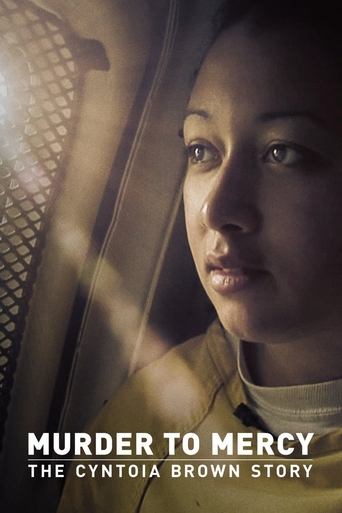
After 16-year-old Cyntoia Brown is sentenced to life in prison, questions about her past, physiology and the law itself call her guilt into question.
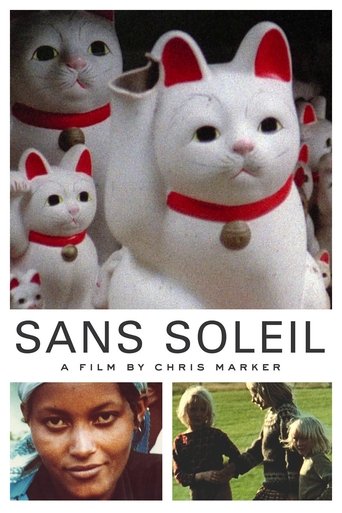
A woman narrates the thoughts of a world traveler, meditations on time and memory expressed in words and images from places as far-flung as Japan, Guinea-Bissau, Iceland, and San Francisco.

In an intimate and joyful story of love in the face of loss, celebrated poets Andrea Gibson and Megan Falley find strength—and unexpected hilarity—in what might be their final year together.
Similar titles
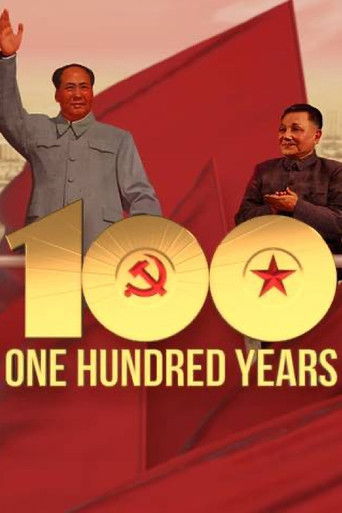
As the Communist Party of China celebrates its 100th anniversary, this documentary looks back at the party’s history, from the 1920’s, to the Civil War, the Great Leap Forward, the Great Famine, the Cultural Revolution and the reforms by Mao Zedong and Deng Xiaoping. Did the Great Famine cost more than 15 million lives? How does the Cultural Revolution continue to shape Chinese politics today? What was capitalism like after Mao’s death? Through rare and never-before-seen historical footage, expert interviews and eyewitness accounts of the Great Famine, Tiananmen incident, and the Cultural Revolution, get to know how one party has so profoundly shaped China.
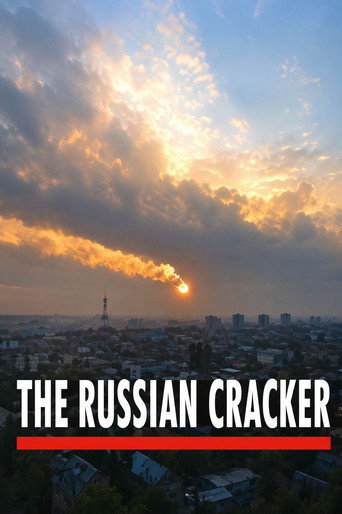
Russia is grappling with a critical issue: they have become the country with the most at large serial killers in the world particularly concentrated in Rostov, the same city that witnessed Andrei Chikatilo's infamous killing spree. In response, law enforcement has turned to Dr. Alexander Bukhanovsky, a prominent psychiatrist and criminal profiler, who is implementing radical measures to understand the root causes of this phenomenon and develop effective solutions. Within Dr. Bukhanovsky's clinic, we encounter three of his young patients: Edward and Igor, whose families express deep concerns about their disturbing fantasies, and 'Mischa', who has perpetrated acts of torture and sexual assault. Dr. Bukhanovsky's approach is groundbreaking, offering treatment to potential serial offenders. However, critics argue that by keeping individuals like 'Mischa' anonymous, he may inadvertently shield them from public awareness and accountability, prompting debate over the ethics of his methods.
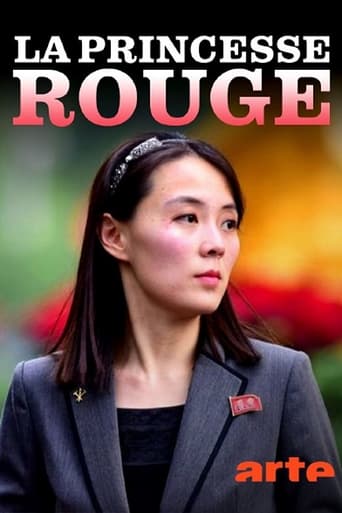
Who is Kim Yo-jong? In a context of maximum tensions between North Korea and the United States, Pierre Haski paints an unprecedented portrait of the little sister of Kim Jong-un, whose influence in Pyongyang is growing stronger day by day.
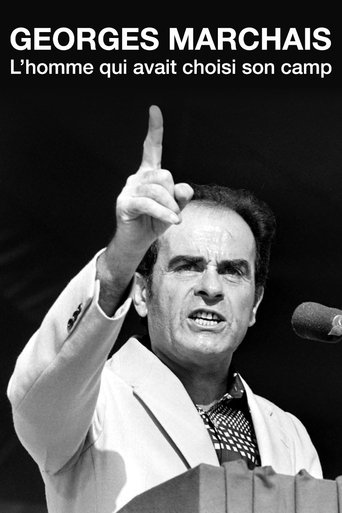
Both a political narrative and a psychological reflection, this documentary explores the personal journey of a quarry worker’s son from Calvados who rose to become the last great figure of the French Communist Party. It delves into the logic that shaped his path and his lasting impact on France’s history.
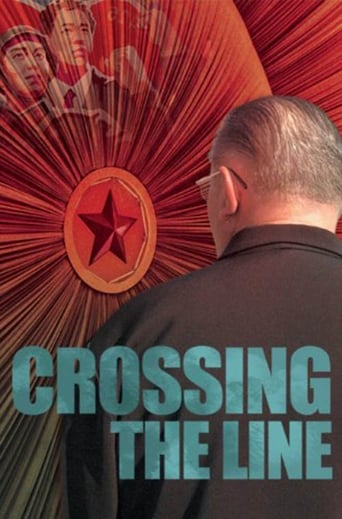
In 1962, a U.S. soldier sent to guard the peace in South Korea deserted his unit, walked across the most heavily fortified area on earth and defected to the Cold War enemy, the communist state of North Korea. He became a star of the North Korean propaganda machine, but then disappeared from the face of the earth. Now, after 45 years, the story of James Dresnok, the last American defector in North Korea, is being told for the first time. Crossing the Line follows Dresnok as he recalls his childhood, desertion, and life in the DPRK.
Red Storm Rising” looks at the rise and fall of the American Communist Party, examining its political context, its leadership, its appeal to the American public, and why it never became mainstream.
A portrait of the leading female Bolshevik (and later Worker’s Opposition) revolutionary leader Alexandra Kollontai using her own words.
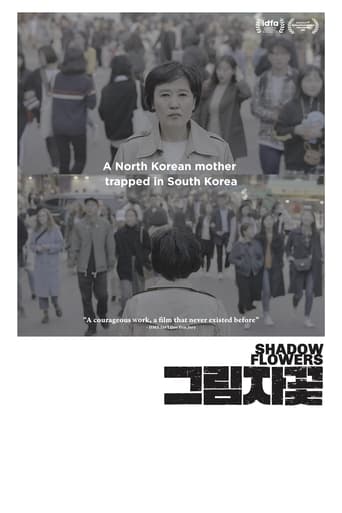
Ryun-hee Kim, a North Korean housewife, was forced to come to South Korea and became its citizen against her will. As her seven years of struggle to go back to her family in North Korea continues, the political absurdity hinders her journey back to her loved ones. The life of her family in the North goes on in emptiness, and she fears that she might become someone, like a shadow, who exists only in the fading memory of her family.
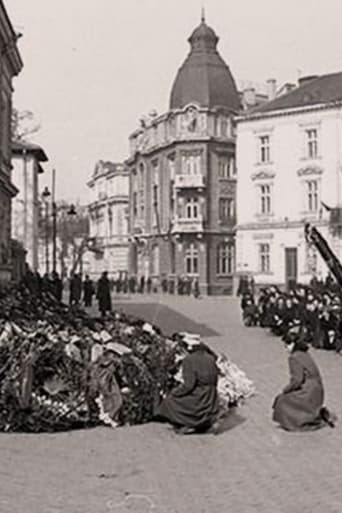
A film about the dramatic and extraordinary fate of the lonely man who confronted the meat grinder of the communist regime. Georgy Konstantinov, 19 years old, blew up Stalin's monument in Sofia and death passed him by only because the dictator died two days later. He miraculously survived 10 years in prison and psychiatric wards and managed to escape to France. His State Security file numbers more than 40,000 pages. Even today, he does not cease to expose the crimes of the regime with the strength of truth and of his character.
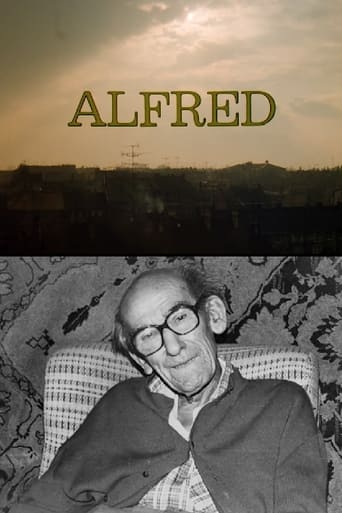
Short biographical documentary about the life of Alfred Florstedt and his life as a progressive communist from the Weimar Republic to his death in 1985.
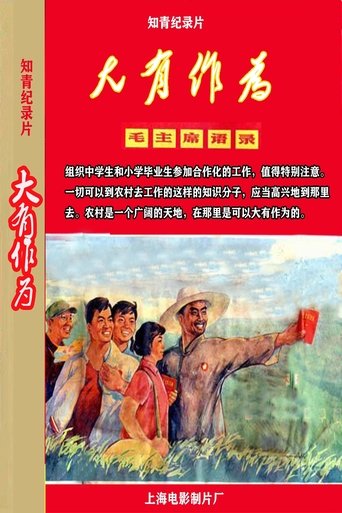
A Chinese documentary about rural workers and their education by educated youth sent to the countryside from cities.
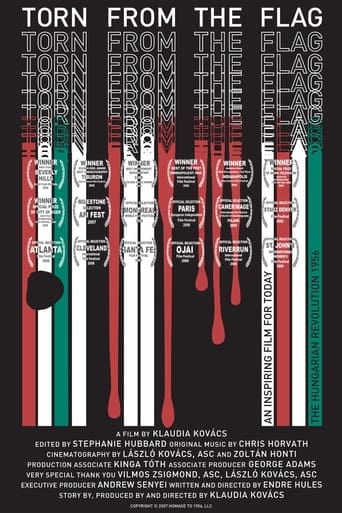
A sociopolitical historical documentary-thriller about the international decline of communism and the 1956 Hungarian Revolution.


To mark the centenary of the Russian Revolution, the International Marxist Tendency and In Defence of October campaign present this original documentary celebrating the life and accomplishments of one of the revolution’s main leaders: Leon Trotsky.
How did the end of the Soviet Union change the way of thinking, the way of behaviour of militant French Communists ? For the first time and during several months meetings of a Communist Party cell in one of Paris' industrial suburbs were filmed by André Van In. Set against these meetings, the militants are filmed discussing their commitments, their dreams, their mistakes. Beyond questions about power or the political machinery, they share their faith in militancy and their hopes for a fairer society.
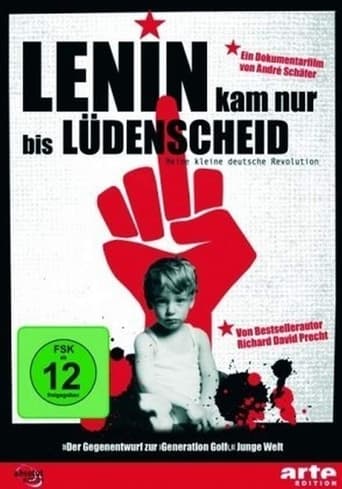
The free, almost naive view from the perspective of a child puts the "68ers" in a new, illuminating light in the anniversary year 2008. The film is a provocative reckoning with the ideological upbringing that seemed so progressive and yet was suffocated by the children's desire to finally grow up. With an ironic eye and a feuilletonistic style, author Richard David Precht and Cologne documentary film director André Schäfer trace a childhood in the West German provinces - and place the major events of those years in completely different, smaller and very private contexts.
In Maija Blåfield’s documentary, eight former North Koreans talk about what it was like to watch illegal films in a closed society. In addition to the 'waste videos', South Korean films were also smuggled into the country via China.
Once described by the press as "one of the most controversial figures on the Australian art scene", avant-garde poet and playwright Christopher Barnett achieved a level of notoriety in the Melbourne underground theatre scene during the ‘70s and ‘80s, before self-exiling to France. He remains there today, running an experimental theatre lab working with the marginalised and underprivileged, applauded by the establishment (including former French Prime Minister Jean-Marc Ayrault) and faithful to his belief that art can change the world. These Heathen Dreams is an intimate portrait of Barnett's life and revolutionary philosophy. Combining archival footage dating back to the ‘60s with contemporary observational documentation and text from Barnett's writings, it is a poignant and inspiring study of the power of both art and political activism.
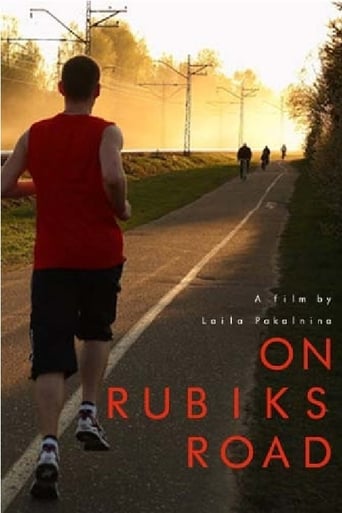
Rubiks’ Road is a bicycle path built in the 1980s and named after Alfreds Rubiks, leader of the Latvian Communist party at the time. One of the most ferocious opposers to Latvia’s independence in the early 1990s and later elected to the European Parliament.