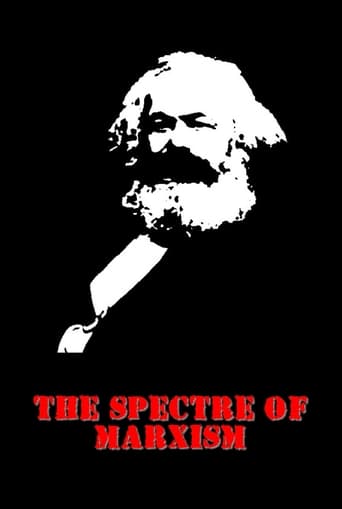
The Spectre of Marxism
1983-10-15 · 55 min · ★ 5.7
The impact of Marx on the 20th century has been all-pervasive and world-wide. This program looks at the man, at the roots of his philosophy, at the causes and explanations of his philosophical development, and at its most direct outcome: the failed Soviet Union.
Trailers are previews, not full movies.
No authorized playback source configured. Use the legal watch options below.
Production details
- Directors
- Alan Horrox
- Production companies
- ITV Studios, Thames Television
- Countries
- United Kingdom
- Status
- Released
Top Cast
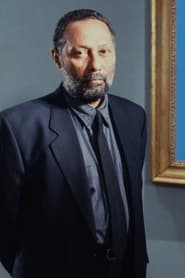 Stuart HallSelf
Title information and images are supplied by TMDb. Explore our discovery guide for advice on comparing metadata and legal viewing options.
Where to watch
Availability provided by JustWatch via TMDb. Offers can change. Provider links are listed on TMDb; full playback requires a separately authorized source.
Availability not listed for this country.
Seasons & episodes
Recommendations
A presentation of a case for a needed transition out of the current socioeconomic monetary paradigm which governs the entire world society. This subject matter will transcend the issues of cultural relativism and traditional ideology and move to relate the core, empirical 'life ground' attributes of human and social survival, extrapolating those immutable natural laws into a new sustainable social paradigm called a 'Resource-Based Economy'.
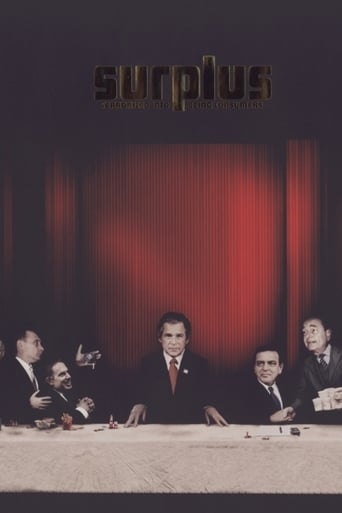
Swedish documentary film on consumerism and globalization, created by director Erik Gandini and editor Johan Söderberg. It looks at the arguments for capitalism and technology, such as greater efficiency, more time and less work, and argues that these are not being fulfilled, and they never will be. The film leans towards anarcho-primitivist ideology and argues for "a simple and fulfilling life".
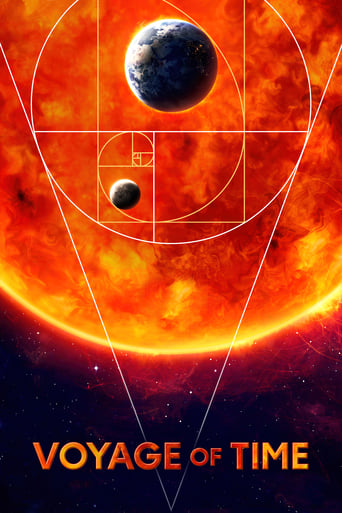
A celebration of the universe, displaying the whole of time, from its start to its final collapse. This film examines all that occurred to prepare the world that stands before us now: science and spirit, birth and death, the grand cosmos and the minute life systems of our planet.

“The Soviet Story” is a story of an Allied power, which helped the Nazis to fight Jews and which slaughtered its own people on an industrial scale. Assisted by the West, this power triumphed on May 9th, 1945. Its crimes were made taboo, and the complete story of Europe’s most murderous regime has never been told. Until now...

Al Pacino's deeply-felt rumination on Shakespeare's significance and relevance to the modern world through interviews and an in-depth analysis of "Richard III."
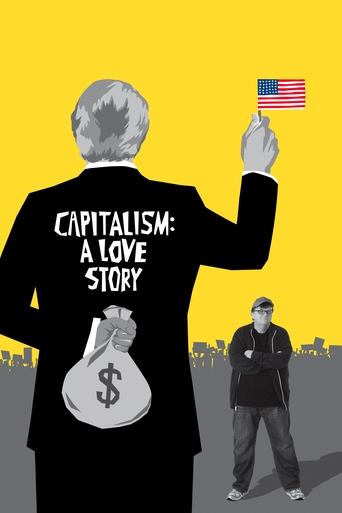
Michael Moore comes home to the issue he's been examining throughout his career: the disastrous impact of corporate dominance on the everyday lives of Americans (and by default, the rest of the world).
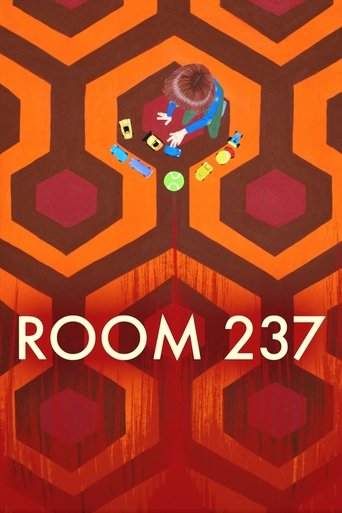
A subjective documentary that explores various theories about hidden meanings in Stanley Kubrick's classic film The Shining. Five very different points of view are illuminated through voice over, film clips, animation and dramatic reenactments.
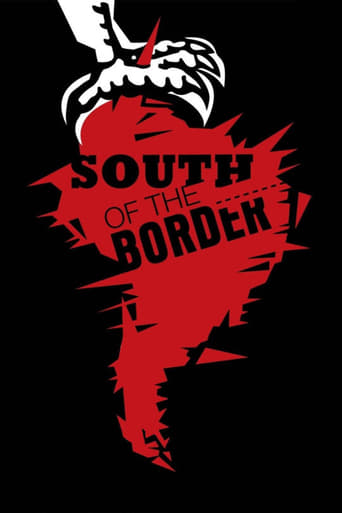
A road trip across five countries to explore the social and political movements as well as the mainstream media's misperception of South America while interviewing seven of its elected presidents.
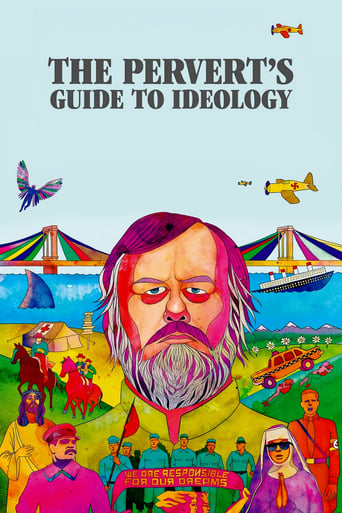
A journey into the labyrinthine heart of ideology, which shapes and justifies both collective and personal beliefs and practices: with an infectious zeal and voracious appetite for popular culture, Slovenian philosopher and psychoanalyst Slavoj Žižek analyzes several of the most important films in the history of cinema to explain how cinematic narrative helps to reinforce prevailing ethics and political ideas.
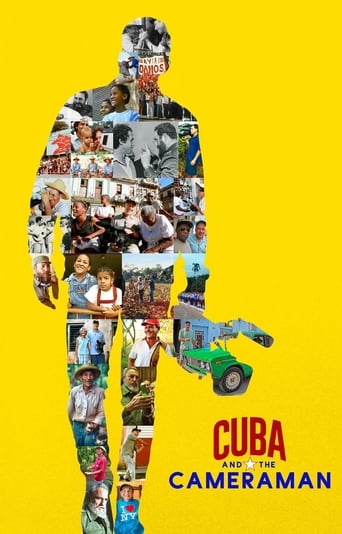
This revealing portrait of Cuba follows the lives of Fidel Castro and three Cuban families affected by his policies over the last four decades.
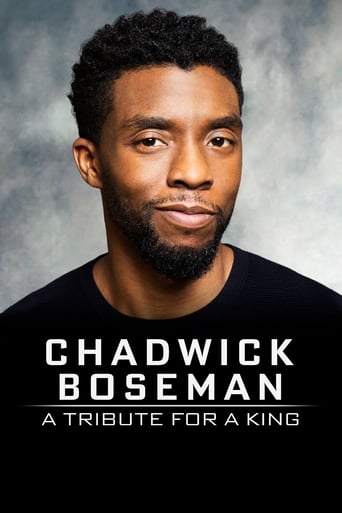
A tribute to Chadwick Boseman, celebrating his life and legacy.

A documentary on the expletive's origin, why it offends some people so deeply, and what can be gained from its use.
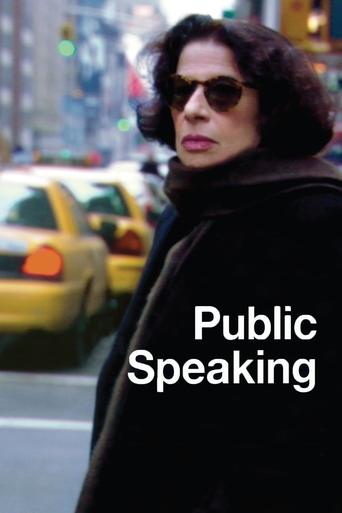
Martin Scorsese’s portrait of writer and social commentator Fran Lebowitz, celebrated for her sharp wit and observations on modern life. Filmed at New York’s Waverly Inn and intercut with archival footage and interviews, the documentary captures Lebowitz’s distinctive worldview through her spontaneous monologues and public appearances.
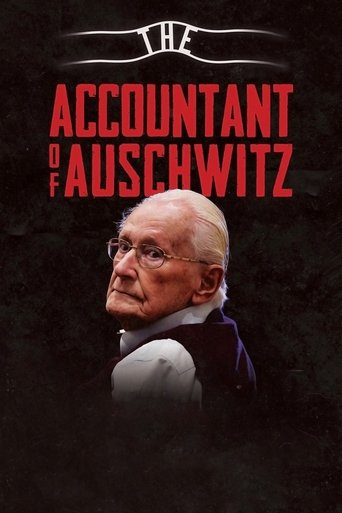
Oskar Gröning, known as the "Accountant of Auschwitz," was charged with the murder of 300,000 Jews. When he took the stand in 2015, at the age of 94, his trial made headlines worldwide.
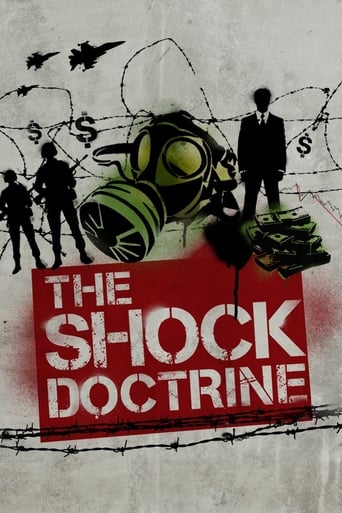
An investigation of "disaster capitalism", based on Naomi Klein's proposition that neo-liberal capitalism feeds on natural disasters, war and terror to establish its dominance.

In the Realms of the Unreal is a documentary about the reclusive Chicago-based artist Henry Darger. Henry Darger was so reclusive that when he died his neighbors were surprised to find a 15,145-page manuscript along with hundreds of paintings depicting The Story of the Vivian Girls, in What is Known as the Realms of the Unreal, of the Glodeco-Angelinnian War Storm, Cased by the Child Slave Rebellion.
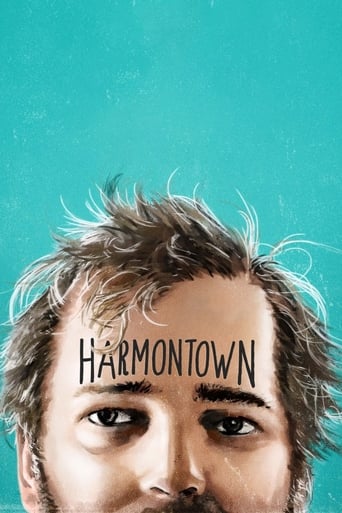
A comedic, brutally honest documentary following self-destructive TV writer Dan Harmon as he takes his live podcast on a national tour.

A documentary chronicling Queen and Lambert's incredible journey since they first shared the stage together on "American Idol" in 2009.
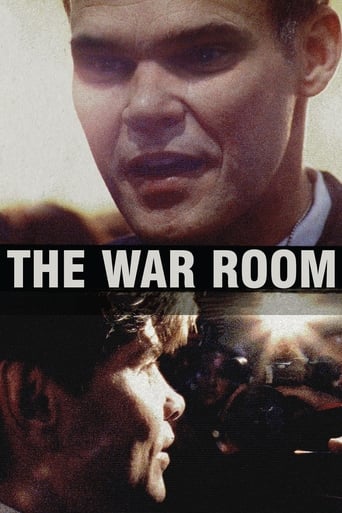
A behind-the-scenes documentary about the Clinton for President campaign, focusing on the adventures of spin doctors James Carville and George Stephanopoulos.

Through deeply personal interviews with her siblings and an examination of the photographs, letters, and belongings left behind, Mariska assembles a new portrait of her mother Jayne Mansfield, an extraordinary and complex woman.
Similar titles

An original documentary, this film contains previously classified footage provided by the Defense Department. Included is an exclusive on-camera "host" appearance by General Colin Powell, actual archival and pictorial footage, interviews, narrative with celebrities and key military personnel and the returning home after Desert Storm.

Jean-Luc Godard brings his firebrand political cinema to the UK, exploring the revolutionary signals in late '60s British society. Constructed as a montage of various disconnected political acts (in line with Godard's then appropriation of Soviet director Dziga Vertov's agitprop techniques), it combines a diverse range of footage, from students discussing The Beatles to the production line at the MG factory in Oxfordshire, burnished with onscreen political sloganeering.
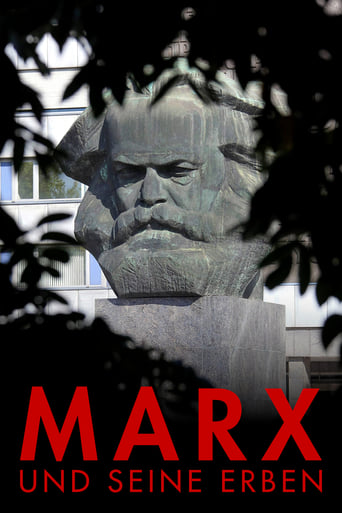
Over the past hundred years, dramatic social upheavals have taken place in the name of Karl Marx's theories. In Western Europe, the student movement of 1968 and the Eurocommunists were inspired. And in recent times, the thinker has experienced a renaissance.
Dragan Wende has lived in Berlin since the '70s and has seen the city change through the years. His nephew comes to live with him as Dragan remembers the better days he lived as a Yugoslavian immigrant in a divided city.
Summer 1936: young unemployed communist David Carr leaves Liverpool to join the fight against fascism in Spain. He joins an international group of Militia-men and women, the POUM (Partido Obrero de Unificación Marxista). After being wounded, he goes to Barcelona, where he joins another group of fighters.

From double BAFTA nominated Writer and Director John Walsh. Monarch is part fact, part fiction and unfolds around one night when the injured ruler arrives at a manor house closed for the season.
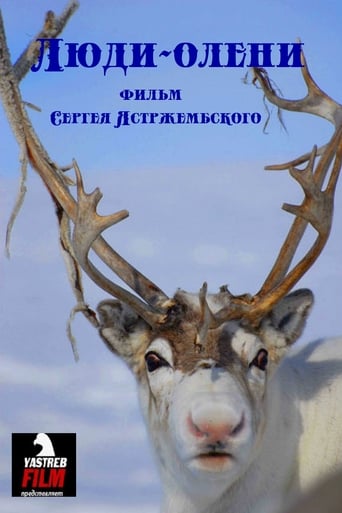
The Chukchi reindeer breeders are peculiar people. They are nomads. Reindeers are their welfare, the purport of life. The mother-reindeer is the main divine being; it protects the Chukchi from misfortune and troubles. Nature is not friendly towards people here. Only Chukchi can survive in Tundra. A rush period for the Chukchi reindeer breeders comes in winter, when the temperature rises up to 50 degrees Celsius at night and in the sunlight of the day it doesn't exceed 40 degrees Celsius in tundra: they should separate young deers from the rest of the herd, the weak from the strong. And this, considering that the herds of the Chukchi reindeer breeders number some thousand heads...
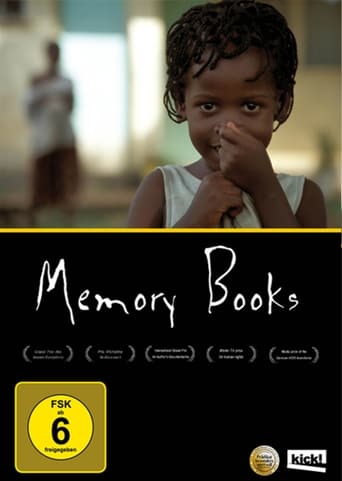
In Uganda, AIDS-infected mothers have begun writing what they call Memory Books for their children. Aware of the illness, it is a way for the family to come to terms with the inevitable death that it faces. Hopelessness and desperation are confronted through the collaborative effort of remembering and recording, a process that inspires unexpected strength and even solace in the face of death.
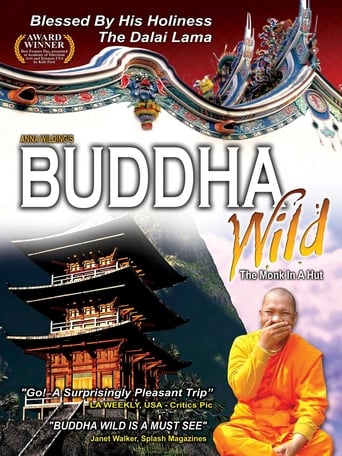
Buddhist monks open up about the joys and challenges of living out the precepts of the Buddha as a full-time vocation. Controversies swirling within modern monastic Buddhism are examined, from celibacy and the role of women to racism and concerns about the environment.
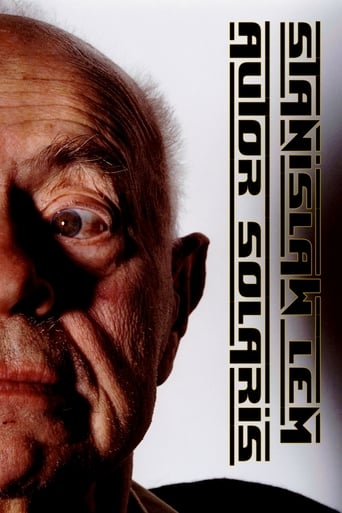
An account of the life and work of the Polish writer Stanisław Lem (1921-2006), a key figure in science fiction literature involved in mysteries and paradoxes that need to be enlightened.
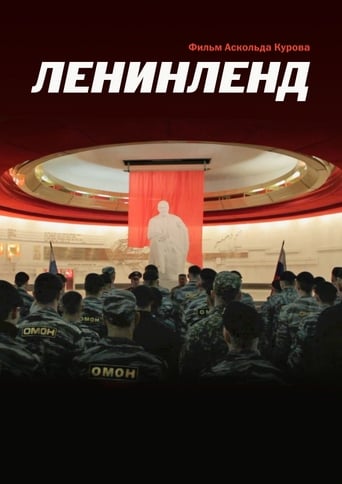
At the peak of Perestroika, in 1987, in the village of Gorki, where Lenin spent his last years, after a long construction, the last and most grandiose museum of the Leader was opened. Soon after the opening, the ideology changed, and the flow of pilgrims gradually dried up. Despite this, the museum still works and the management is looking for ways to attract visitors. Faithful to the Lenin keepers of the museum as they can resist the onset of commercialization. The film tells about the modern life of this amazing museum-reserve and its employees.
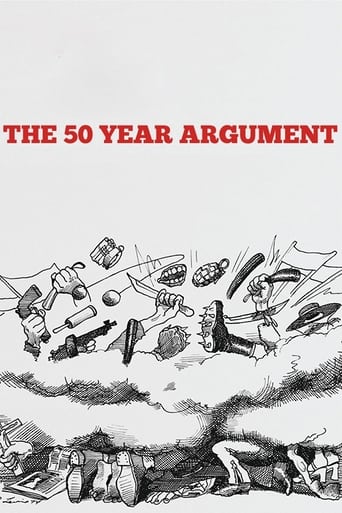
Follows the waves of literary, political, and cultural history as charted by the The New York Review of Books, America’s leading journal of ideas for over 50 years. Provocative, idiosyncratic and incendiary, the film weaves rarely seen archival material, contributor interviews, excerpts from writings by such icons as James Baldwin, Gore Vidal, and Joan Didion along with original verité footage filmed in the Review’s West Village offices.
A young Bulgarian girl digs into her grandfather's turbulent life in an attempt to unravel the past and find answers and explanations for the catastrophic fall of communism.
This revealing portrait of Cuba follows the lives of Fidel Castro and three Cuban families affected by his policies over the last four decades.
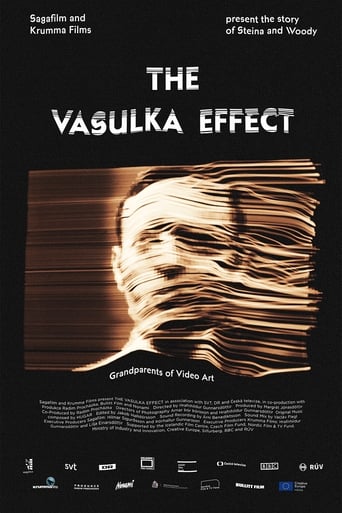
The opening of The Vasulka Effect couldn’t be more apt: Steina Vasulka addresses her husband Woody through various TV screens. He does the same and replies. A perfect image of the relationship between the free-spirited, groundbreaking pioneers of video art. After meeting in Prague in the early 1960s, they relocated from Czechoslovakia to New York, where they later founded The Kitchen, their legendary art and performance gallery.
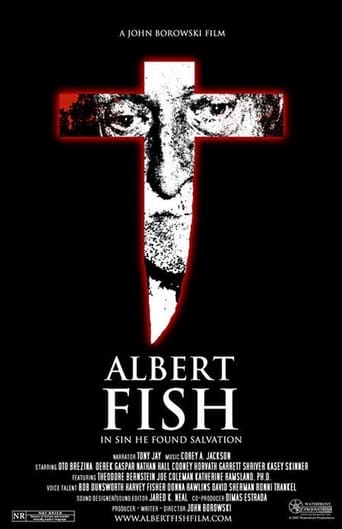
Albert Fish, the horrific true story of elderly cannibal, sadomasochist, and serial killer, who lured children to their deaths in Depression-era New York City. Distorting biblical tales, Albert Fish takes the themes of pain, torture, atonement and suffering literally as he preys on victims to torture and sacrifice.
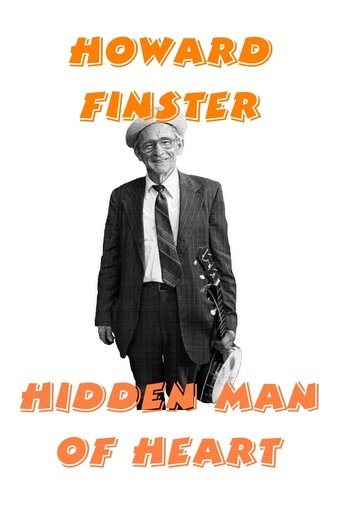
This remastered, rare, local production from the 80s is an unfiltered look into the mind and heart of the world-renowned folk artist Howard Finster. Walking and talking in his Paradise Garden, Finster gives insight into his visions, Faith, and artwork. He even sings and plays the banjo. Dr. George Pullen interviews Finster. And in this case, the word "interview" means that Dr. Pullen just lets Finster talk. And it's pure gold.
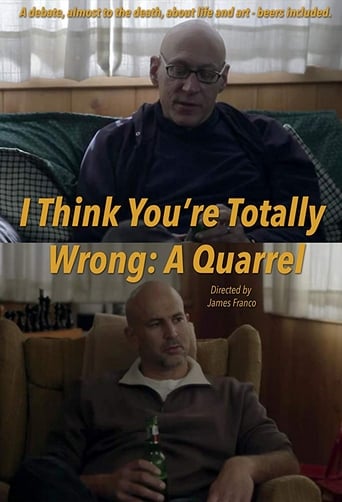
On the first day of shooting, James Franco, David Shields, and Caleb Powell throw out the script when a real-life argument breaks out between the three of them about what can and can't be used in the film. Shields and Franco browbeat Powell to sacrifice everything for the sake of the film; Powell threatens to leave; Shields feels guilty about betraying Powell; and Franco wants Shields and Powell to confess all for the sake of the film. A debate, nearly to the death, about life and art.