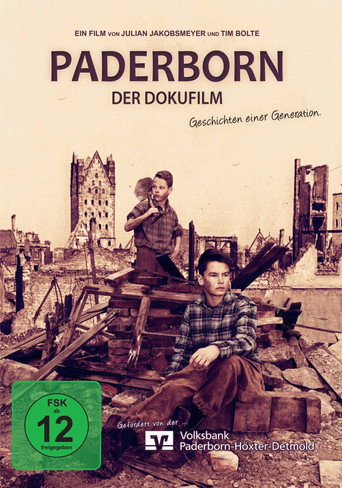
Paderborn - der Dokufilm
2014-01-03 · Runtime unavailable · Not rated
Trailers are previews, not full movies.
No authorized playback source configured. Use the legal watch options below.
Production details
- Directors
- Julian Jakobsmeyer
- Production companies
- Unavailable
- Countries
- Unavailable
- Status
- Released
Top Cast
Cast unavailable.
Title information and images are supplied by TMDb. Explore our discovery guide for advice on comparing metadata and legal viewing options.
Where to watch
Availability provided by JustWatch via TMDb. Offers can change. Provider links are listed on TMDb; full playback requires a separately authorized source.
Availability not listed for this country.
Seasons & episodes
Recommendations

In an intimate and joyful story of love in the face of loss, celebrated poets Andrea Gibson and Megan Falley find strength—and unexpected hilarity—in what might be their final year together.

Through deeply personal interviews with her siblings and an examination of the photographs, letters, and belongings left behind, Mariska assembles a new portrait of her mother Jayne Mansfield, an extraordinary and complex woman.

When Allied forces liberated the Nazi concentration camps in 1944-45, their terrible discoveries were recorded by army and newsreel cameramen, revealing for the first time the full horror of what had happened. Making use of British, Soviet and American footage, the Ministry of Information’s Sidney Bernstein (later founder of Granada Television) aimed to create a documentary that would provide lasting, undeniable evidence of the Nazis’ unspeakable crimes. He commissioned a wealth of British talent, including editor Stewart McAllister, writer and future cabinet minister Richard Crossman – and, as treatment advisor, his friend Alfred Hitchcock. Yet, despite initial support from the British and US Governments, the film was shelved, and only now, 70 years on, has it been restored and completed by Imperial War Museums under its original title "German Concentration Camps Factual Survey".

Alex Gibney explores the charged issue of pedophilia in the Catholic Church, following a trail from the first known protest against clerical sexual abuse in the United States and all way to the Vatican.

An inside look at one of the most anticipated movie sequels ever with James Cameron and cast.

The life and career of one of comedy's most inimitable modern voices, Mr. Gilbert Gottfried.
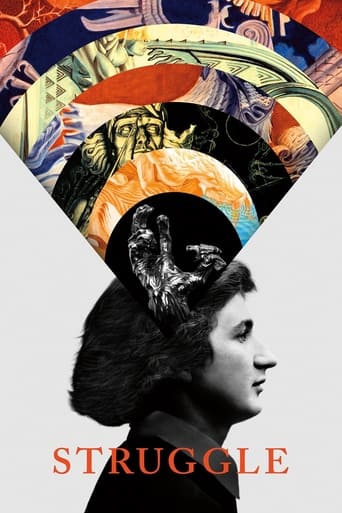
Artists in LA discover the work of forgotten Polish sculptor Stanislav Szukalski, a mad genius whose true story unfolds chapter by astounding chapter.

Al Pacino's deeply-felt rumination on Shakespeare's significance and relevance to the modern world through interviews and an in-depth analysis of "Richard III."

A 1993 documentary film about Bruce Lee. The film includes interviews from some of his fellow students and opponents who worked alongside him in his movies.
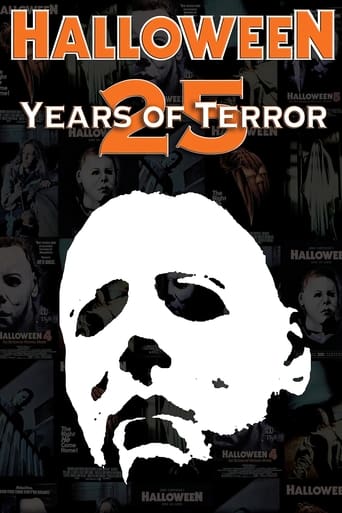
Follow the evolution of the 'Halloween' movies over the past twenty-five years. It examines why the films are so popular and revisits many of the original locations used in the films - seeing the effects on the local community. For the first time, cast, crew, critics and fans join together in the ultimate 'Halloween' retrospective.
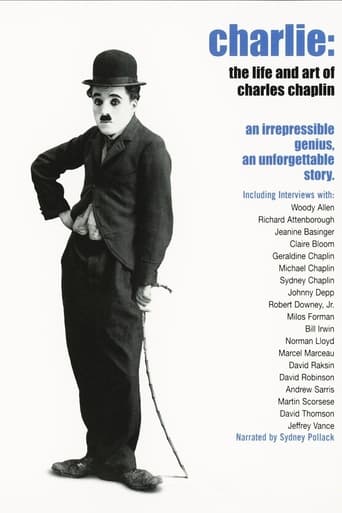
Brilliant, long in-the-works story of the life and art of the world's greatest comedian and the cinema's first genius, Charlie Chaplin. Produced, written and directed by renowned film critic Richard Schickel.

The life of Mr. Spock, as well as that of Leonard Nimoy, the actor who played him for almost fifty years, written and directed by his son: Adam.

The life and career of an actor, artist, and icon. His own journey through his own camera.

A string of threatening emails escalates into a revenge plot involving a newly married US marshal and his ex-girlfriend.
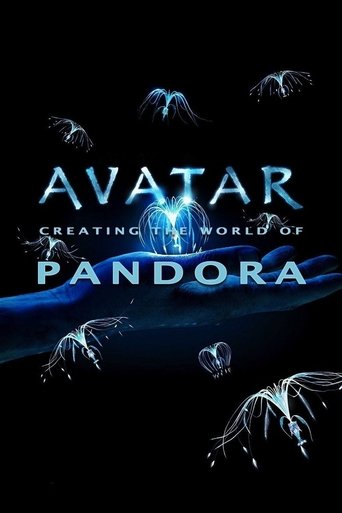
The Making-of James Cameron's Avatar. It shows interesting parts of the work on the set.

Alexander McQueen's rags-to-riches story is a modern-day fairy tale, laced with the gothic. Mirroring the savage beauty, boldness and vivacity of his design, this documentary is an intimate revelation of McQueen's own world, both tortured and inspired, which celebrates a radical and mesmerizing genius of profound influence.

A detailing of the rise to prominence and global sporting superstardom of six supremely talented young Manchester United football players (David Beckham, Nicky Butt, Ryan Giggs, Paul Scholes, Phil and Gary Neville). The film covers the period 1992-1999, culminating in Manchester United's European Cup triumph.

A documentary chronicling Queen and Lambert's incredible journey since they first shared the stage together on "American Idol" in 2009.

A documentary about the making of season five of the acclaimed AMC series Breaking Bad.
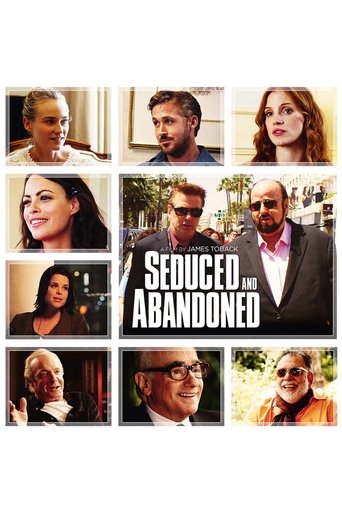
SEDUCED AND ABANDONED combines acting legend Alec Baldwin with director James Toback as they lead us on a troublesome and often hilarious journey of raising financing for their next feature film. Moving from director to financier to star actor, the two players provide us with a unique look behind the curtain at the world's biggest and most glamourous film festival, shining a light on the bitter-sweet relationship filmmakers have with Cannes and the film business. Featuring insights from directors Martin Scorsese, 'Bernando Bertolucci' and Roman Polanski; actors Ryan Gosling and Jessica Chastain and a host of film distribution luminaries.
Similar titles
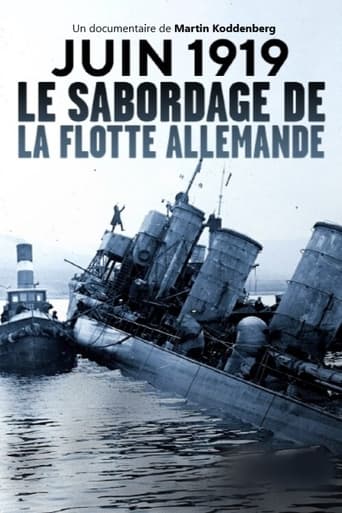
The sinking of the German fleet interned at Scapa-Flow (Orkney Islands), June 21, 1919. We know that one of the stipulations of the armistice signed with Germany on November 11, 1918 was that that power's surface warships were to be "immediately decommissioned and interned in neutral or Allied ports, and remain there under the supervision of the Allies and the United States, guard detachments only being maintained on board". In fact, all the ships designated by the Allies - 11 battleships, 5 battlecruisers, 7 light cruisers and 50 destroyers - had, a few days after the armistice, been assembled in Scapa-Flow Bay, in the center of the Orkney archipelago, i.e. north of Scotland, and had remained there ever since, under the supervision of the English naval authorities, but under the effective authority of German Admiral von Reuter.
The story of the railroad in Illinois and the train's role in moving product out of the states to the rest of America.
Celebrating Udo Lindenberg’s 80th birthday, exploring his extraordinary career as one of Germany’s most influential rock musicians. The film traces his rise from a rebellious young artist to a national icon, highlighting his music, political activism, and unique personality. Through interviews, archival footage, and behind-the-scenes insights, the documentary showcases Lindenberg’s cultural impact and enduring legacy in the German music scene.
Tells the tale of Lithuanian post-war history.
What would your family reminiscences about dad sound like if he had been an early supporter of Hitler’s, a leader of the notorious SA and the Third Reich’s minister in charge of Slovakia, including its Final Solution? Executed as a war criminal in 1947, Hanns Ludin left behind a grieving widow and six young children, the youngest of whom became a filmmaker. It's a fascinating, maddening, sometimes even humorous look at what the director calls "a typical German story." (Film Forum)
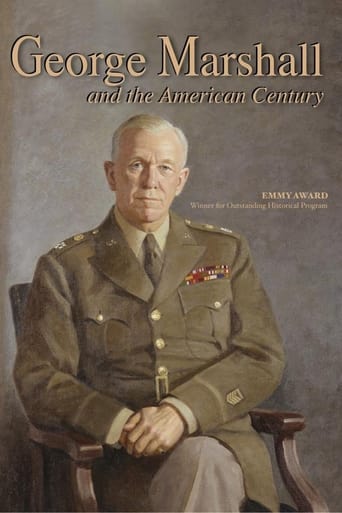
He built the mightiest army in history and selected its leaders. Eisenhower, MacArthur and Patton all obeyed his commands. George Marshall was the only soldier ever to receive the Nobel Peace Prize.

A fascinating compilation of scenes showing diversity and disparity in 1940s China. The ancient Forbidden City and Great Wall are followed by Shanghai’s metropolitan skyline; primitive farming methods are juxtaposed with mechanised factories; children in rags are contrasted with models wearing the latest fashions; Nationalist commanders and Communist leaders vie for support.
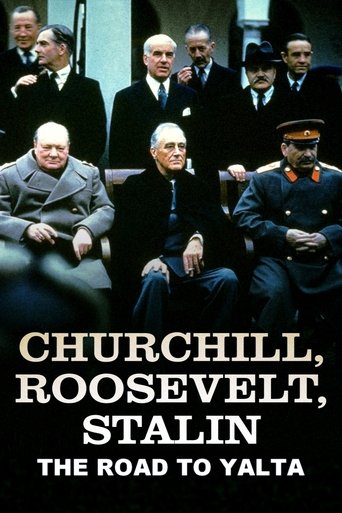
Between February 4 and 11, 1945, three months before World War II ended in Europe, US President Roosevelt, British Prime Minister Churchill, and Soviet leader Stalin met in the Ukrainian city of Yalta to discuss how the continent should be politically reorganized after the imminent defeat of Nazi Germany.
For the first time, survivors talk about life after the camps. How does one return to a life that was interrupted with such violence? How does one reconstruct oneself when all or most of one’s family were butchered? How does one resume studies and earn a living in a society that had cast you out a few years earlier?
Following in the footsteps of two women in search of their origins, this documentary lifts the veil on a little-known page of the post-war era: the adoption, as part of a cross-border program, of thousands of children born during the French occupation of Germany.

In her autobiographical documentary, the young director uses cartoon impressions, photographic memories, and the various stages of baking a cake to draw the viewer into her own stream of consciousness, and using images full of kindness, tenderness, and playfulness, she deals with the sadness that began during a children's birthday party many years ago.
Between 1993 and 1995, artist and photographer Louis Jammes took pictures of people on the streets of Sarajevo under siege and gave them angelic face and wings. Then he put his huge portraits on destroyed city walls. Suddenly, it seems as life is getting back with their arrival, because they brought a sense of peace, beauty, nostalgia...
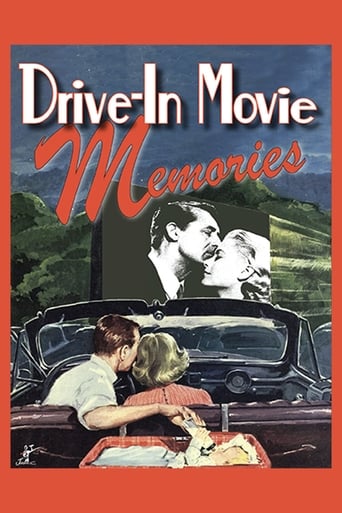
A nostalgic, informative history of drive-in movie theaters, featuring extensive archival photographs and interviews with Leonard Maltin, John Bloom, Samuel Z. Arkoff, Barry Corbin and many others... Drive-In Movie Memories is a film celebration of America's greatest icon of youth, freedom and the automobile. What began as an auto parts owner's business venture to make some easy money accidentally became a magical place where romance, fun and a sense of community flourished. This film chronicles the drive-in's birth and development, its phenomenal popularity with audiences of all ages, its tragic decline, and its inevitable comeback as a classic form of Americana.

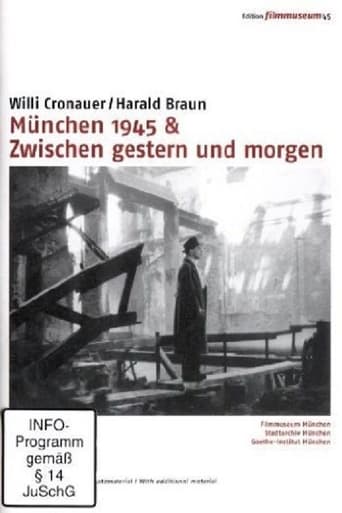
Shot in Munich just a few weeks after it was taken by the American troops on April 30, 1945.
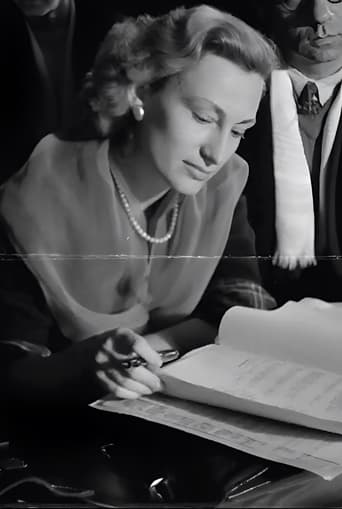
Made on the occasion of March 8, it presents a series of brief portraits of women, from various professional fields, of different ages and even of different ethnicities, pointing out the benefits that the communist organization had brought to their daily lives. A special emphasis is placed on their status as mothers and on the role of nurseries and socialist kindergartens not only in making their lives easier, but also in giving them the time they need to build a career. Another concern of the filmmaker, starting from the concrete case of one of the protagonists, is to highlight the differences between the happy present and the not-too-distant past in which someone with her social status should have dedicated herself exclusively to raising children, in hygienic and extremely difficult lives.
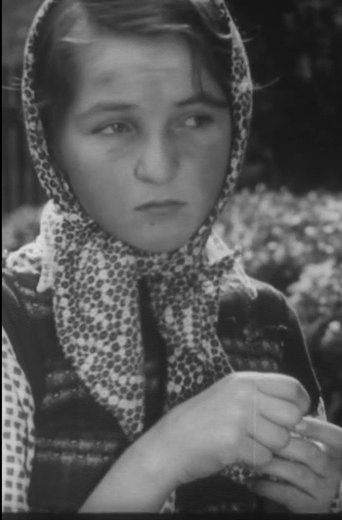
The film's protagonists are the orphaned children taken into custody by the state and institutionalized at Children's House no. 6 from Bucharest. For Mészáros, the concern for the situation of children left orphaned during the Second World War is autobiographical: the director directly experienced the absence of parents in her own childhood.