
So Young a Peace
1965-01-02 · 90 min · ★ 8.5
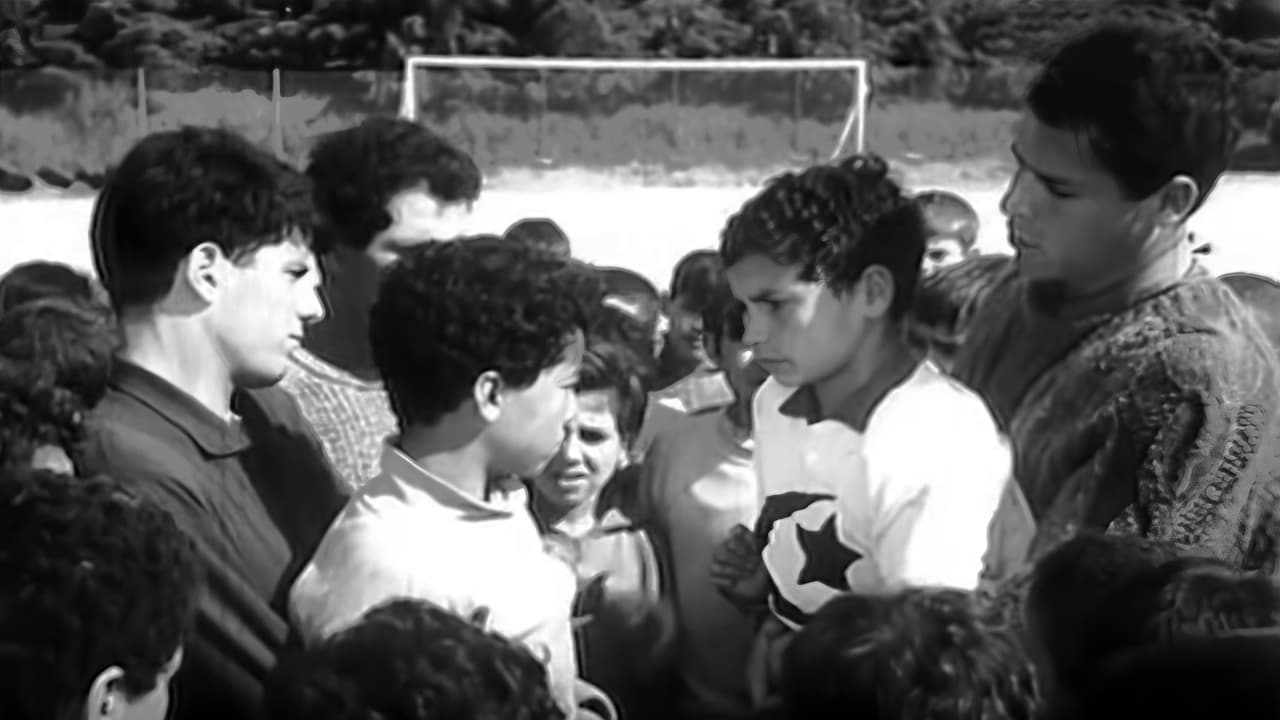
The first fictional feature film produced in Algeria after independence, this film addresses one of the most worrying problems: that of childhood. Children, freedom regained, do not yet know how to play “at peace”, they naturally play “at war”.
Trailers are previews, not full movies.
No authorized playback source configured. Use the legal watch options below.
Production details
- Directors
- Jacques Charby
- Production companies
- Centre Algérien de Développement du Cinéma
- Countries
- Algeria
- Status
- Released
Top Cast
 Hassan El-Hassani
 André Thorent
 Keltoum (Aïcha Adjouri)
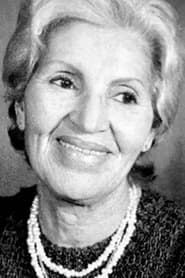 Nouria Kazdarli
Title information and images are supplied by TMDb. Explore our discovery guide for advice on comparing metadata and legal viewing options.
Where to watch
Availability provided by JustWatch via TMDb. Offers can change. Provider links are listed on TMDb; full playback requires a separately authorized source.
Availability not listed for this country.
Seasons & episodes
Recommendations
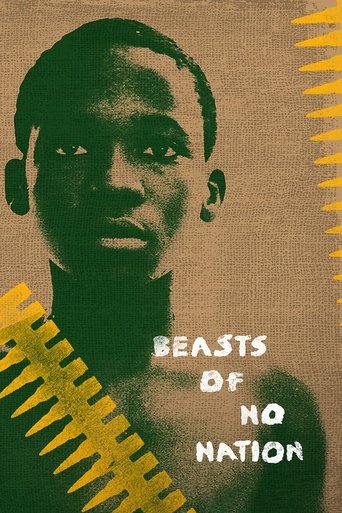
Based on the experiences of Agu, a child fighting in the civil war of a West African country. Follows Agu's journey as he's forced to join a group of soldiers. While he fears his commander and many of the men around him, his fledgling childhood has been brutally shattered by the war raging through his country, and he is at first torn between conflicting revulsion and fascination.
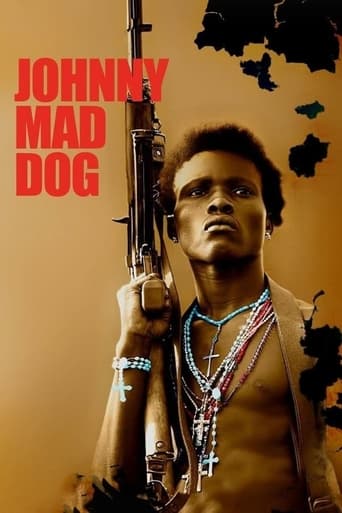
A cast of unknown performers are used in this drama about child soldiers fighting a war in an unnamed African country.
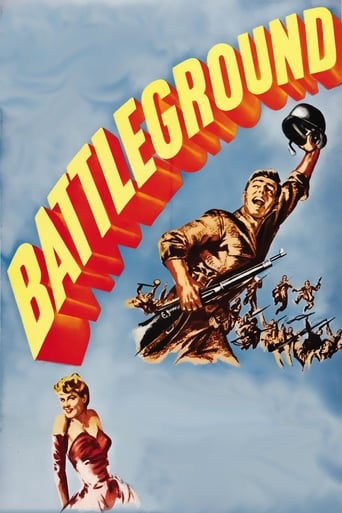
Members of the U.S. Army's 101st Airborne Division are fighting for their country amidst the rugged terrain of Bastogne, Belgium, in December 1944. Holley and his American compatriots have already seen one of their own, Roderigues, perish under enemy fire. The men try to rebuff another series of Nazi attacks, but what they really need is a change in the weather. Without clear skies, they'll never get the air support they need.
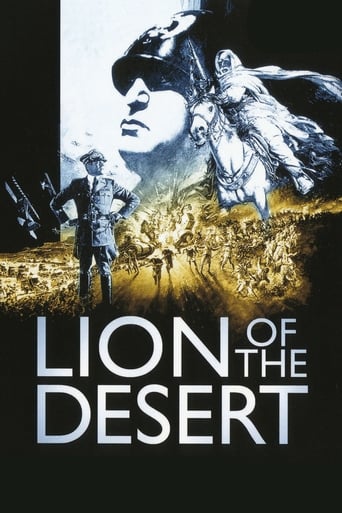
Resistance leader Omar Mukhtar opposes Italian colonization before World War II. The brutal guerrilla war against Italian General Rodolfo Graziani and the Fascist forces of Benito Mussolini highlights the struggle for Libyan independence and the harsh tactics utilised by the colonisers.
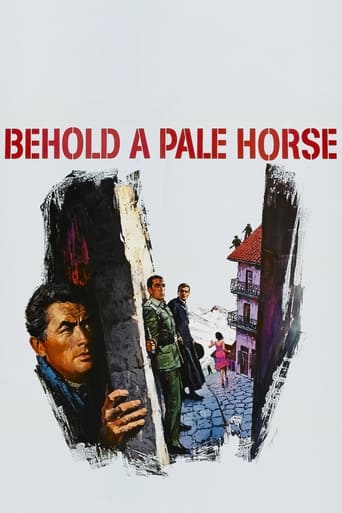
Manuel Artiguez, a famous bandit during the Spanish civil war, has lived in French exile for 20 years. When his mother is dying he considers visiting her secretly in his Spanish home town. But his biggest enemy, the Spanish police officer Vinolas, prepared a trap at the hospital as a chance to finally catch Artiguez.

During the harrows of WWII, Jo, a young shepherd along with the help of the widow Horcada, helps to smuggle Jewish children across the border from southern France into Spain.

Two brothers are divided by marriage and fate during the 100 horrifying days of the 1994 Rwandan genocide.

Fr. Hugh O'Flaherty is a Vatican official in 1943-45 who has been hiding downed pilots, escaped prisoners of war, and Italian resistance families. His activities become so large that the Nazis decide to assassinate him the next time he leaves the Vatican.

Regent Horthy is the leader of Hungary and a German ally, but his favorable standing with Hitler changes as the war comes to an end. Forced to cede Hungary’s power or else witness the execution of his son, Regent Horthy gives up control of his country to the Nazis, who quickly move Hungarians to ghettos and death camps, with no hope in sight. But the despair changes when a young man named Elek emerges. Separated from his family during the relocations and aided by the woman he loves , Elek defies the enemy by becoming one of them. In a race against time, disguised as a Nazi Officer he embarks on a mission to save his family and thousands of his countrymen.
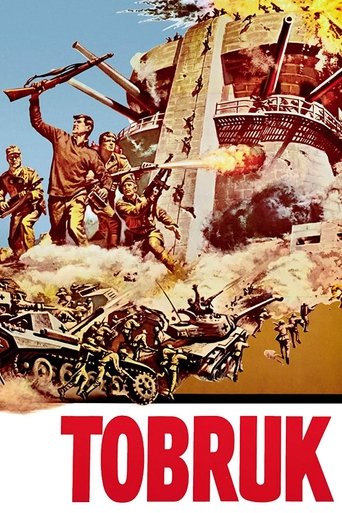
In September 1942, the German Afrika Korps under Rommel have successfully pushed the Allies back into Egypt. A counter-attack is planned, for which the fuel dumps at Tobruk are a critical impediment. In order to aid the attack, a group of British commandos and German Jews make their way undercover through 800 miles of desert, to destroy the fuel dumps starving the Germans of fuel.

A conflict develops between a troubled Vietnam veteran and the sister he lives with when she becomes involved romantically with the army buddy who reminds him of the tragic battle they both survived.
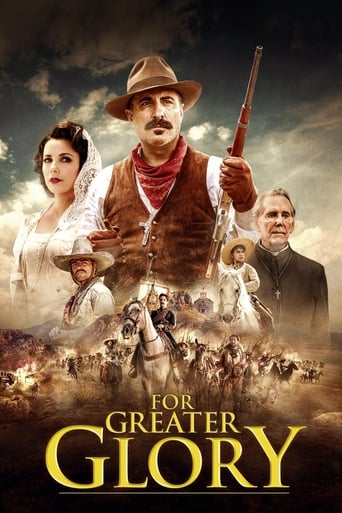
A chronicle of the Cristeros War (1926-1929), which was touched off by a rebellion against the Mexican government's attempt to secularize the country.
In post-World War II America, a woman, rebuilding her life in the suburbs with her husband, kidnaps her neighbor and seeks vengeance for the heinous war crimes she believes he committed against her.
A dramatization of the American general and his court martial for publically complaining about High Command's dismissal and neglect of the aerial fighting forces.
A group of teenage cadets sheltered from war at the Virginia Military Institute must confront the horrors of an adult world when they are called upon to defend the Shenandoah Valley.

A WWII veteran escapes his care home in Northern Ireland and embarks on an arduous but inspirational journey to France to attend the 75th anniversary of the D-Day landings, finding the courage to face the ghosts of his past.
Lt. Col. Iceal "Ham" Hambleton is a weapons countermeasures expert and when his aircraft is shot over enemy territory the Air Force very much wants to get him back. Hambleton knows the area he's in is going to be carpet-bombed but a temporary shortage of helicopters causes a delay. Working with an Air Force reconnaissance pilot, Capt. Bartholomew Clark, he maps out an escape route.
At the beginning of the 20th century an American woman is abducted in Morocco by Berbers, and the attempts to free her range from diplomatic pressure to military intervention.

A 5-year-old girl embarks on a harrowing quest for survival amid the sudden rise and terrifying reign of the Khmer Rouge in Cambodia.

Follow the perilous journey to freedom when a young boy and his dog attempt to escape a concentration camp during World War II. Based on true events.
Similar titles
A man befriends a fellow criminal as the two of them begin serving their sentence on a dreadful prison island, which inspires the man to plot his escape.
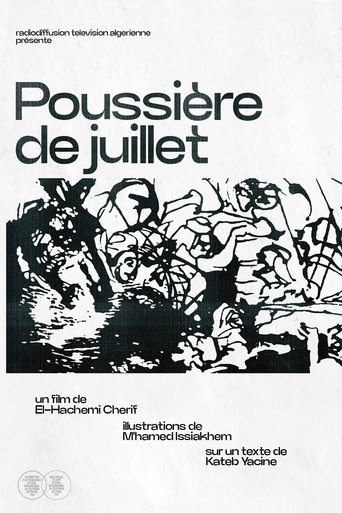
“Poussières de Juillet”, produced in 1967 by Hachemi El-Chérif, is taken from a poem by Kateb Yacine. "We made a film on the return of the ashes of Emir Abdelkader, to Algeria. It was the opportunity to make a film on the ancestors with M'hamed Issiakhem. He designed glass plates on the basis of my texts. Then we had actors collaborate. It was a film which cost us a total of 300 dinars, proof that we could do work for television without too much money. We won two first international prizes at the Belgrade festival. We left the original of the film with the Egyptians in Alexandria and they lost it. We kept a copy but over time I wonder what happened to it, because there is no not even had a screening, they say it still exists, but I don't know in what state." Kateb Yacine, July 28, 1986, interview with Arlette Casas.

A woman has a close bond with her beloved Algerian grandfather, who protected her from a toxic home life as a child; his death triggers a deep identity crisis as tensions between her extended family members escalate, revealing new depths of resentment and bitterness.
Film describes the miserable existence of a charcoal-burner who is barely able to feed his family. His search for work in town ends in failure and he is forced to return to his village.
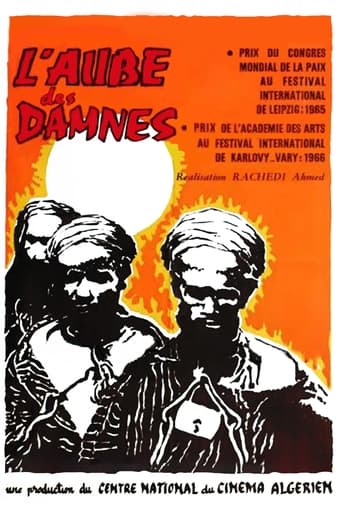
This excellent feature-length documentary - the story of the imperialist colonization of Africa - is a film about death. Its most shocking sequences derive from the captured French film archives in Algeria containing - unbelievably - masses of French-shot documentary footage of their tortures, massacres and executions of Algerians. The real death of children, passers-by, resistance fighters, one after the other, becomes unbearable. Rather than be blatant propaganda, the film convinces entirely by its visual evidence, constituting an object lesson for revolutionary cinema.

Four Australian soldiers become compromised when they capture a young Afghani boy spying on their reconnaissance position.

Djamila, a young Algerian woman living with her brother Hadi and her uncle Mustafa in the Casbah district of Algiers under the French occupation of Algeria, sees the full extent of injustice, tyranny and cruelty on his compatriots by French soldiers. Jamila's nationalist spirit will be strengthened when French forces invade her university to arrest her classmate Amina who commits suicide by ingesting poison. Shortly after the prominent Algerian guerrilla leader Youssef takes refuge with her, she realizes that her uncle Mustafa is part of this network of anti-colonial rebel fighters. Her uncle linked her to the National Liberation Front (FLN). A series of events illustrate Jamila's participation in resistance operations against the occupier before she was finally captured and tortured. Finally, despite the efforts of her French lawyer, Jamila is sentenced to death...
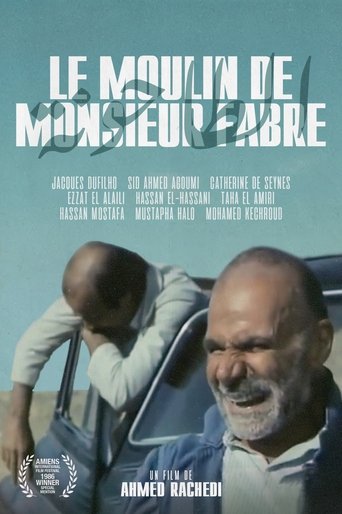
The story of the post-independence nationalization of the mill of Monsieur Fabre, an old man attached to the land of Algeria where he was born. In this small town in eastern Algeria, there was nothing else to nationalize and they were actively preparing for the arrival of high dignitaries who would elevate the mill to the rank of an industrial flour mill even though it was threatened with ruin. The comedy gets worse when the football player from the local team withdraws for love, the officials' visit is canceled and Mr. Fabre returns.
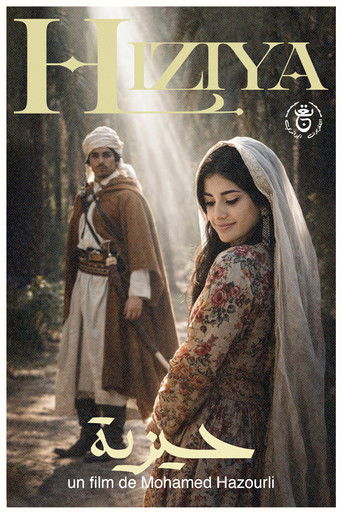
It was from the popular song-poem by Mohamed Ben Guittoun that director Mohamed Hazourli (of the Constantine regional station of RTA) wrote the screenplay. Hiziya Bent Ahmeb Bey, 23 years old, lived in southeastern Algeria, in a village called Sidi Khaled. The daughter of a powerful notable of the Dhouaouda tribe, who regularly migrated through the desert, Hiziya was exceptionally beautiful, to the point that other girls were jealous and envious of her, and men succumbed to her charm. But the young woman's heart belonged to Saïd, an orphan taken in as a child by his uncle. They met in secret and married despite family hostility. A month after their wedding, Hiziya died during the transhumance in the desert. The death of his beloved plunged Saïd into deep grief, to the point that he abandoned his possessions and family to wander the desert.
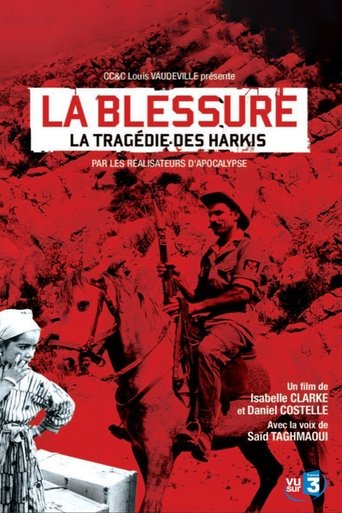
It's the unforgivable story of the two hundred thousands harkis, the Arabs who fought alongside the French in the bitter Algerian war, from 1954 to 1962. Why did they make that choice? Why were they slaughtered after Algeria's independence? Why were they abandonned by the French government? Some fifty to sixty thousands were saved and transferred in France, often at pitiful conditions. This is for the first time, the story of this tragedy, told in the brilliant style of the authors of "Apocalypse".

The film tells about the childhood of Yuri Gagarin, about that time of life, which, in his own words, played an important role in shaping his character: war, the occupation of their villages by the Germans, famine, the theft of the elder brother and sister to Germany, the expulsion of the Nazis from Smolensk, moving family in the city of Gzhatsk.

Set against the vibrant backdrop of contemporary North Africa, this drama follows three women as they navigate the complex interplay between tradition and modernity. Each woman, driven by her own desires for success and meaningful relationships, faces societal pressures and cultural constraints that test their resolve. As their lives unexpectedly intersect, they reveal the shared struggles and resilience needed to overcome the obstacles placed in their path.
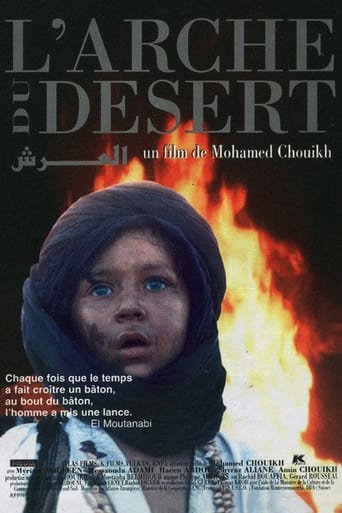
The Desert Ark (L'Arche du Desert), a variation on Romeo and Juliet set in the Algerian desert. A young couple must face inevitable conflict when their rival families discover their secret love. Taking refuge in a cave, they listen to the sounds of a senseless campaign of violence and murder, which is the culmination of the extremism that has long divided their two communities. Nominated for the Golden Leopard at the 1997 Locarno Film Festival.

A small British army team is sent deep behind enemy lines to destroy a German petrol dump as part of the preparation for a major attack in the North African campaign. Sea of Sand was distributed in the US in a shortened version, Desert Patrol.
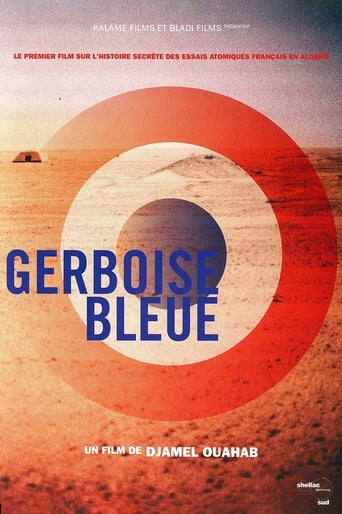
"Gerboise bleue", the first French atomic test carried out on February 13, 1960 in the Algerian Sahara, is the starting point of France's nuclear power. These are powerful radioactive aerial shots carried out in areas belonging to the French army. Underground tests will follow, even after the independence of Algeria. From 1960 to 1978, 30,000 people were exposed in the Sahara. The French army was recognized recognized nine irradiations. No complaint against the army or the Atomic Energy Commission has resulted. Three requests for a commission of inquiry were rejected by the National Defense Commission. For the first time, the last survivors bear witness to their fight for the recognition of their illnesses, and revealed to themselves in what conditions the shootings took place. The director goes to the zero point of "Gerboise Bleue", forbidden access for 47 years by the Algerian authorities
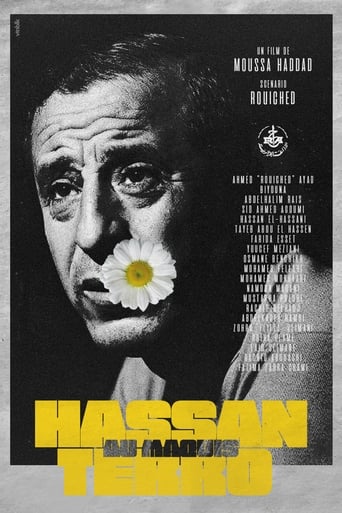
While trying by all means to stay out of the bloody turmoil caused by the Battle of Algiers, Hassan, an honest and naive family man, is wrongfully accused of terrorism by the French colonial army in "Hassan Terro." After escaping in "The Escape of Hassan Terro," Hassan is forced to join the resistance in "Hassan Terro in the Maquis."
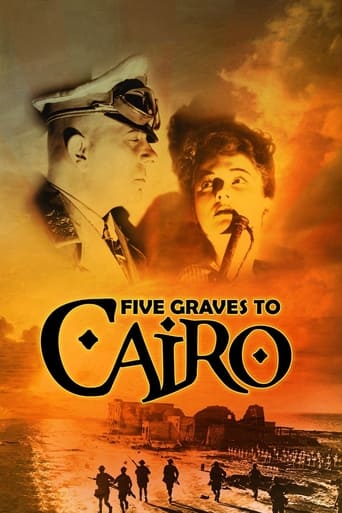
During the 1942 North African campaign, a British straggler passes as a waiter at the hotel commandeered as Erwin Rommel's headquarters. He has thoughts of assassinating Rommel but his cover may provide an even better use.

A gunned down Navy SEAL Master Chief must guide a child to safety through a gauntlet of hostile Taliban insurgents and survive the brutal Afghanistan wilderness.

French colonists in Africa, several months behind in the news, find themselves at war with their German neighbors. Deciding that they must do their proper duty and fight the Germans, they promptly conscript the local native population. Issuing them boots and rifles, the French attempt to make "proper" soldiers out of the Africans. A young, idealistic French geographer seems to be the only rational person in the town, and he takes over control of the "war" after several bungles on the part of the others.
A famous, ruthless writer takes a handsome young worker, with aspirations of becoming a tightrope artist, as his lover and protege, but suffers tragic consequences when he later discards him for another youth.