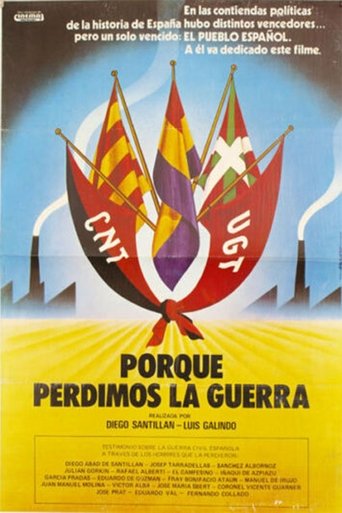
Why Did We Lose the War?
1978-04-02 · 90 min · ★ 7.0
A documentary about how Republican forces lost to Franco in the Spanish Civil War.
Trailers are previews, not full movies.
No authorized playback source configured. Use the legal watch options below.
Production details
- Directors
- Francisco Galindo, Diego Abad de Santillán
- Production companies
- francisco galindo cine S.A., Eguiluz Films
- Countries
- Spain
- Status
- Released
Top Cast
Title information and images are supplied by TMDb. Explore our discovery guide for advice on comparing metadata and legal viewing options.
Where to watch
Availability provided by JustWatch via TMDb. Offers can change. Provider links are listed on TMDb; full playback requires a separately authorized source.
Availability not listed for this country.
Seasons & episodes
Recommendations

A string of threatening emails escalates into a revenge plot involving a newly married US marshal and his ex-girlfriend.
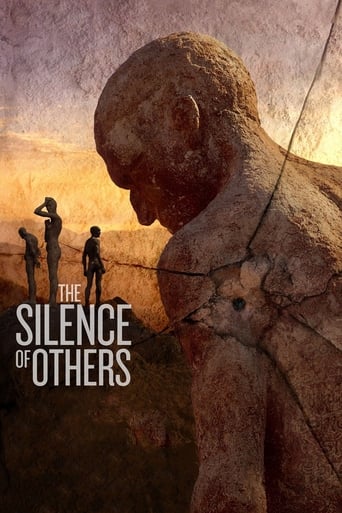
The story of the tortuous struggle against the silence of the victims of the dictatorship imposed by General Franco after the victory of the rebel side in the Spanish Civil War (1936-1975). In a democratic country, but still ideologically divided, the survivors seek justice as they organize the so-called “Argentinian lawsuit” and denounce the legally sanctioned pact of oblivion that intends to hide the crimes they were subjects of.
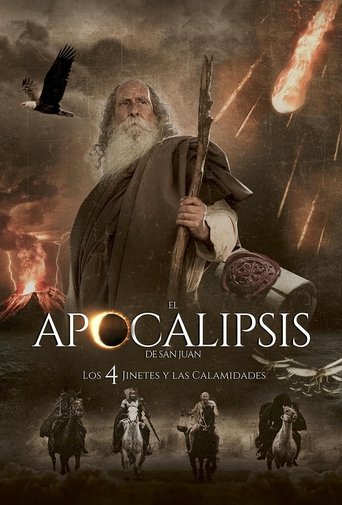
Embark on an epic journey through time and faith with 'The Apocalypse of Saint John.' Join the Apostle John in a stunning visual narrative that unravels the visions of the End Times. Experience each vision like never before, with striking visual effects and epic scenes that immerse you in the apocalyptic narrative.

Ranjit, a farmer in India, takes on the fight of his life when he demands justice for his 13-year-old daughter, the victim of a brutal gang rape. His decision to support his daughter is virtually unheard of, and his journey unprecedented.

In an intimate and joyful story of love in the face of loss, celebrated poets Andrea Gibson and Megan Falley find strength—and unexpected hilarity—in what might be their final year together.

An inside look at one of the most anticipated movie sequels ever with James Cameron and cast.

A documentary about ten very different lives connected by having appeared onscreen wearing masks or helmets in Star Wars.
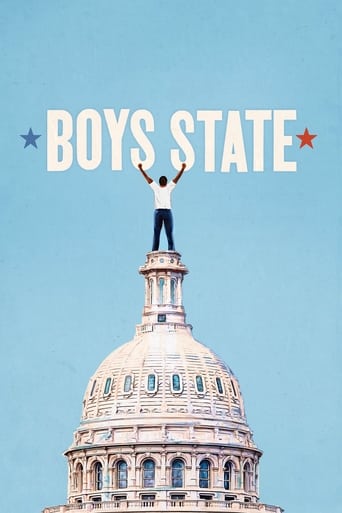
This raucous journey into the heart of democracy captures an unusual rite of passage: 1,100 teenage boys from across Texas coming together to build a representative government from the ground up.

This revealing documentary honors the legendary Sidney Poitier—iconic actor, filmmaker, and civil rights activist. Featuring interviews with Denzel Washington, Spike Lee, Halle Berry, and more.

Through deeply personal interviews with her siblings and an examination of the photographs, letters, and belongings left behind, Mariska assembles a new portrait of her mother Jayne Mansfield, an extraordinary and complex woman.

Director Michael Apted revisits the same group of British-born adults after a 7 year wait. The subjects are interviewed as to the changes that have occurred in their lives during the last seven years.

Alexander McQueen's rags-to-riches story is a modern-day fairy tale, laced with the gothic. Mirroring the savage beauty, boldness and vivacity of his design, this documentary is an intimate revelation of McQueen's own world, both tortured and inspired, which celebrates a radical and mesmerizing genius of profound influence.

It narrates the epic title obtained by the Argentine National Team in the World Cup Qatar 2022 with testimonies of the protagonists, told from the intimacy and in first person.
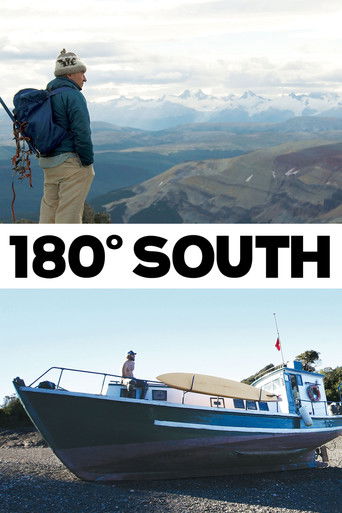
The film follows adventurer Jeff Johnson as he retraces the epic 1968 journey of his heroes Yvon Chouinard and Doug Tompkins to Patagonia.
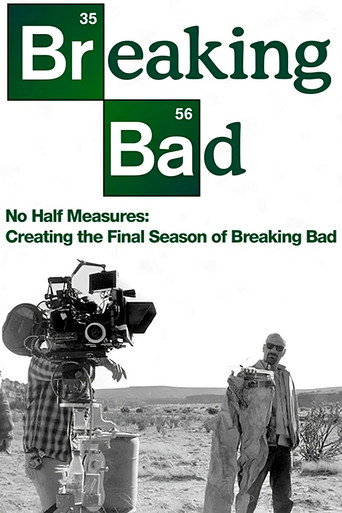
A documentary about the making of season five of the acclaimed AMC series Breaking Bad.

A compilation of over 30 years of private home movie footage shot by Lithuanian-American avant-garde director Jonas Mekas, assembled by Mekas "purely by chance", without concern for chronological order.

Guzmán’s final installment shifts from covering the actions of Allende’s opponents to those who battled to revive & promote their toppled leader’s vision for a new Chile.
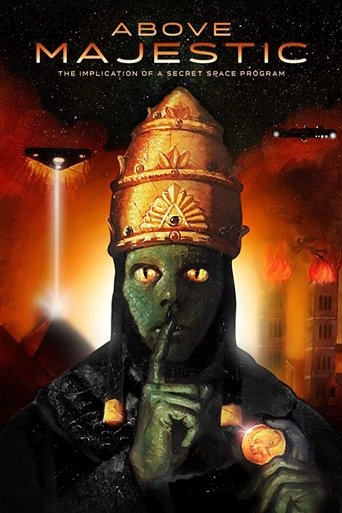
A look at the origins, history and conspiracies behind the "Majestic 12", a clandestine group of military and corporate figureheads charged with reverse-engineering extraterrestrial technology.
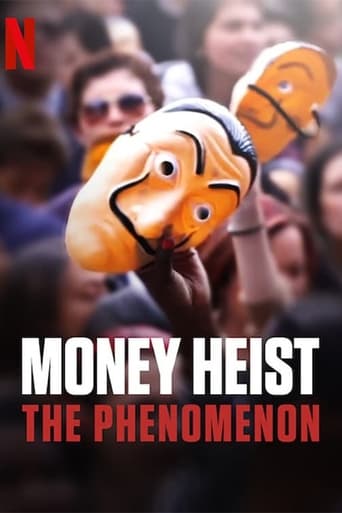
A documentary on why 'Money Heist' sparked a wave of enthusiasm around the world for a lovable group of thieves and their professor.

A documentary on the expletive's origin, why it offends some people so deeply, and what can be gained from its use.
Similar titles

Talented teen musicians from around the USA spend a week working with Grammy nominated professionals

A documentary about the centuries-old story of one of the biggest clubs in Brazilian football. From its foundation, the early years, the continental and world titles and the achievementes of its greatest stars.
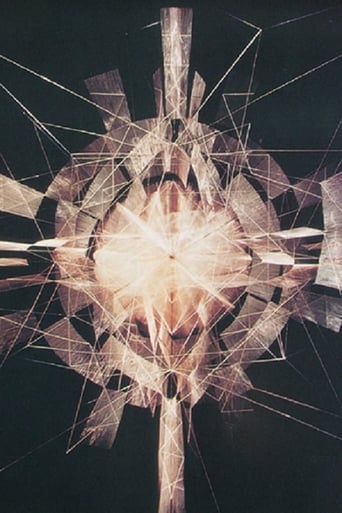
Documentary examining the work of sculptor Richard Lippold, particular his sculpture of the sun at the Metropolitan Museum of Art.
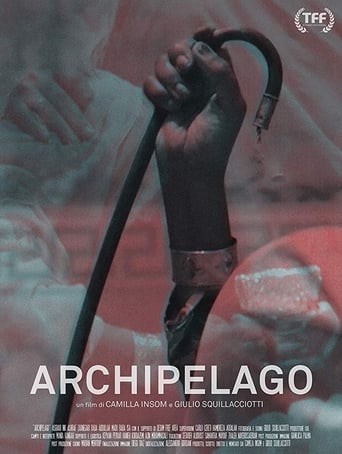
Men and women in the Horn of Africa and adjiacent regions of the Middle East tell stories of their relationships and contacts with demons and spirits in their life and culture.

As director Hakim Belabbes chronicles his journey from his home in Chicago to visit his family in his hometown of Boujad in Morocco, his exploration of family relationships is self-conscious and at times painfully honest. We witness his most private moments with his family. The film intimately explores the domestic spaces and religious rituals of intra-family relationships, especially when compounded by one member's break with traditional values.

Caught between chasing his past and accepting his impending end, a man follows his childhood memories through the dark alleyways and desolate cemeteries of Boujad, Morocco.

Tango of Yearning (1998) is the first episode of an autobiographical trilogy on postwar Lebanon, later including Nightfall (2000) and Civil War (2002). Taking its title from Tango of Hope, a classic ballad by Nur al-Huda, the film draws from the director’s reflections on war, love, and cinema, as well as his personal experience at the public television channel TéléLiban. Conjuring various snippets of audiovisual archival material, the film is a poetic elegy to film, Beirut’s movie theaters, and a city undergoing radical transformation. Mohamed Soueid has long been a proponent of the experimental video documentary movement in Lebanon, playing a significant role in the country’s creative renaissance since the end of the civil war. Originally trained as a news videographer during the war, the experience offered him a facility with the medium, which he further developed by making non-linear documentary films with a distinctly personal take.
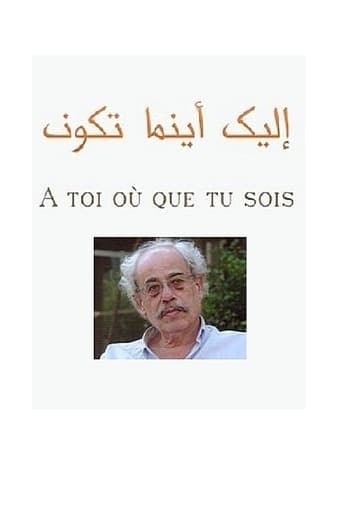
After “Letter From a Time of Exile”, the director is back in Lebanon where he discovers that his dreams about his country are an illusion and that the exile in your homeland is by far the worst exile. Programmer's Note: Borhane Alaouié returns to Beirut from his exile. His documentary film constitutes a new letter at the start of the 21st century in reply to the letters of the 1980s. The reconstruction process appears to affect stones more than people.
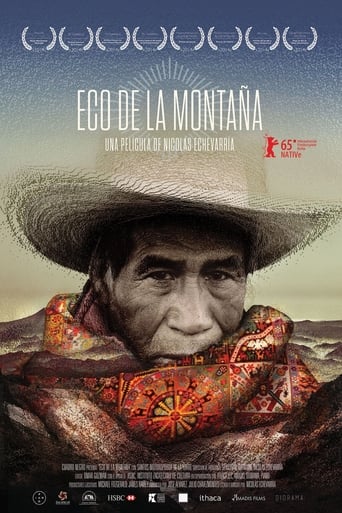
Echo of the Mountain takes a look at the life and work of Santos de la Torre, a great Huichol artist who, like his people, lives in oblivion. Despite having made a great mural for the metro station Palais Royal – Musée du Louvre, Santos lives isolated and ignored in his country. This documentary follows his pilgrimage to Wirikuta, where he asks gods for permission to make a new mural; his journey across 385 miles of the Peyote Route, and Santos's creative process during the making of a new mural which aims to illustrate the history, mythology and religious traditions of the Huichol people.

The military uprising of 1936 tried to eradicate all traces of the social transformation that had brought the Republic. There were villages like Guímara, in the Valley of Fornela (León), whose almost unanimous support to the Republic supposed a hard and systematic repression. This isolated village, of about 85 neighbors, suffered one of the most painful forms of punishment: deportation of adults to concentration camps, separating them from their minor children. In this documentary it is told the chronicle of this terrible repression that sought to subdue and subjugate the population through fear, trying to destroy family ties, solidarity networks between the people and personal and collective subsistence economy. The memory of lullabies from their mothers was the echo that reached their children from the forced exile who lived their elders.

Who made the dams of the Ebro, Entrepeñas, Barrios de Luna and many others? Who rebuilt towns and cities like Belchite, Brunete, Oviedo, Teruel... among many other populations? Who built from airports such as Sondica or Labacolla to municipal stadiums like those of Valladolid and Palencia, to prisions like Carabanchel or Cordoba? Republicans who were prisoners condemned to work as slaves, whose only "crime" had been to defend the democratically elected legality. This documentary tries to recover the memory of these events focusing on the battalion of Republican prisoners of Fabero del Bierzo. It investigates the mechanisms of social construction of silence, fear and forgetfulness that even today can be felt where the events occurred and where the descendants of many of those prisoners still live.

A guy invites us to join him in his investigation about what happened in his town, Moaña, during the Spanish Civil War. In an imaginary journey in time, he moves to the town as it should be in July 18 of 1936.

The film, which shows the Battle of the Ebro and the last days of the Spanish Civil War, is an unpublished story by Patricio Azcárate (London, 1920- Alicante, 2018), son of the ambassador of the Second Republic in London, Pablo de Azcárate. Patricio Azcárate participated as a volunteer in the Ebro where, due to his knowledge of languages, he was assigned to the General Staff and served as a translator with the brigade members.

Documentary about the battle of Guadalajara which took place in March 1937 during the Spanish Civil War and was the last major victory of the Republican Army.

Documentary about the last days, death and subsequent search for the remains of Federico García Lorca.

Documentary filmed between September 2012 and March 2013. It tells the story of a valley in the mountains that extends through the north of the provinces of Cádiz and Málaga, the last Republican bastion in the area when Franco's troops already occupied all of them. the nearby regions. La Sauceda was bombed and the town destroyed forever by the air force and four columns of Franco's army. The survivors were locked up in the Marrufo farmhouse, in the municipality of Jerez de la Frontera, where five or six people were shot every day. With the testimonies of the interviewees, everything that happened in those months from the summer of 1936 to the winter of 1937 is reconstructed and the work carried out by the Forum and the Association since 2011 to locate the mass graves is also narrated, in which in the summer of In 2012, the bodies of 28 people were exhumed.

The Asturian Valentín Vega is considered one of the most relevant photographers of the last century. He knew how to portray all the essential elements of daily life like no one else and at the same time exercise a devastating display of social criticism. After spending three years in prison for his political affiliation and managing to establish himself as a street photographer, he would continue to offer an unusual image of reality and daily life from the 1940s onwards.
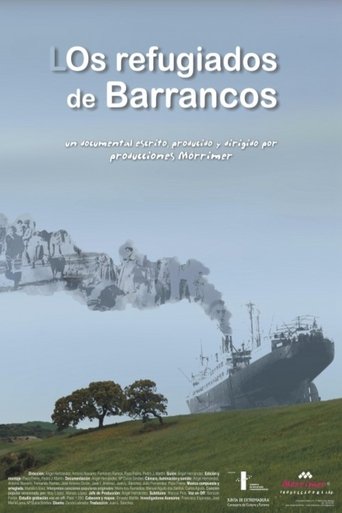
September 1936. The last republican towns located next to Portugal are conquered by General Franco's troops. As in Badajoz and other towns, the repression they unleash is brutal. The support of the Portuguese dictator Salazar for the coup plotters does not make it advisable to flee to Portugal, but for many it is the only way out. In this way, hundreds of people decide to cross the border, closely pursued by the rebels. The usual procedure of the Portuguese authorities is to hand them over to their Francoist allies. However, thanks to the humanitarian intervention of the Portuguese lieutenant António Augusto de Seixas, two refugee camps were created next to the town of Barrancos to house and protect this group of Spaniards.

Truncated Utopia tells the story of Luisa Rendón Martell, a republican activist who was retaliated against in the province of Cádiz during the civil war and Franco's regime.