
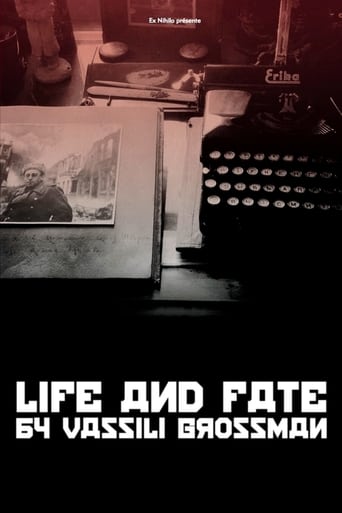
Life and Fate by Vassili Grossman
2018-01-24 · 59 min · ★ 7.0
The convoluted and moving story of Russian writer Vassili Grossman (1905-64) and his novel Life and Fate (1980), a literary masterpiece, a monumental and epic account of life under Stalin's regime of terror, a defiant cry that the KGB tried to suffocate.
Trailers are previews, not full movies.
No authorized playback source configured. Use the legal watch options below.
Production details
- Directors
- Priscilla Pizzato
- Production companies
- ARTE, Fondation pour la Mémoire de la Shoah, Agat Films & Cie / Ex Nihilo
- Countries
- France
- Status
- Released
Top Cast
 Elsa LepoivreSelf - Narrator (voice)
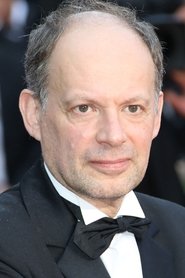 Denis PodalydèsSelf - Narrator (voice)
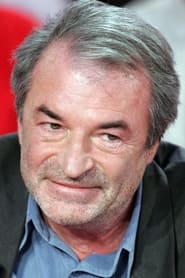 Olivier RolinSelf - Writer
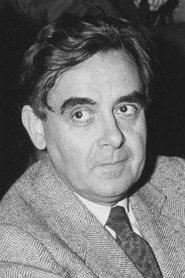 Bernard PivotSelf - TV Host (archive footage)
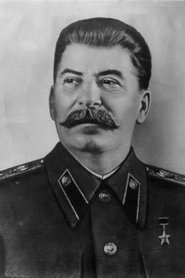 Joseph StalinSelf - Politician (archive footage)
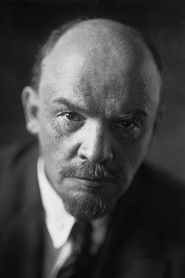 Vladimir LeninSelf - Politician (archive footage)
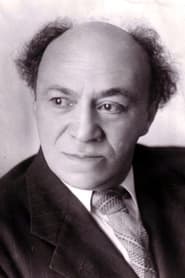 Solomon MikhoelsSelf - Actor (archive footage)
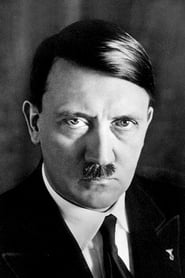 Adolf HitlerSelf - Politician (archive footage)
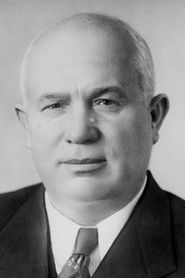 Nikita KhrushchevSelf - Politician (archive footage)
 Antony BeevorSelf - Historian
Title information and images are supplied by TMDb. Explore our discovery guide for advice on comparing metadata and legal viewing options.
Where to watch
Availability provided by JustWatch via TMDb. Offers can change. Provider links are listed on TMDb; full playback requires a separately authorized source.
Availability not listed for this country.
Seasons & episodes
Recommendations

“The Soviet Story” is a story of an Allied power, which helped the Nazis to fight Jews and which slaughtered its own people on an industrial scale. Assisted by the West, this power triumphed on May 9th, 1945. Its crimes were made taboo, and the complete story of Europe’s most murderous regime has never been told. Until now...
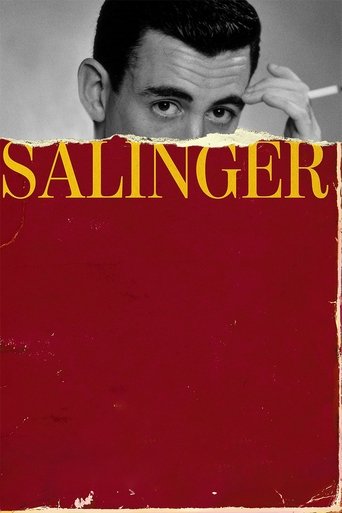
An in-depth investigation into the private world of the American writer J. D. Salinger (1919-2010), who lived most of his life behind the impenetrable wall of a self-imposed seclusion: how his dramatic experiences during World War II influenced his life and work, his relationships with very young women, his obsessive writing methods, his many literary secrets.
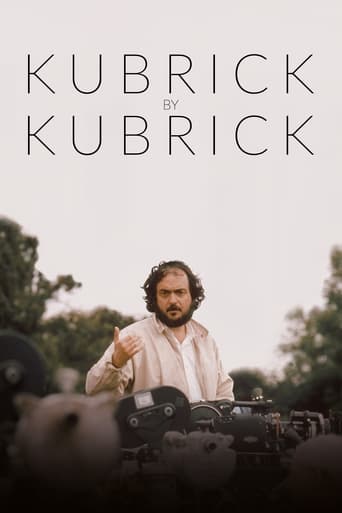
American filmmaker Stanley Kubrick (1928–1999), one of the greatest in history, but also one of the most reserved, gave few interviews throughout his long career, and none of them were filmed. A first-person journey through his life and work, based on a recorded conversation with French film critic Michel Climent.
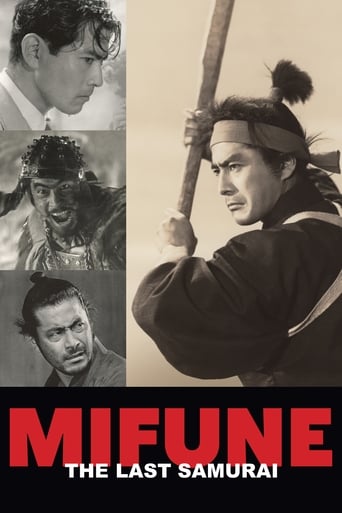
An account of the life and work of legendary Japanese actor Toshirō Mifune (1920-97), the most prominent actor of the Golden Age of Japanese cinema.
He's devoted his career to uncovering stories the powerful want buried. From My Lai to Abu Ghraib, dig into the life's work of journalist Seymour Hersh.
Director Claude Lanzmann spent 11 years on this sprawling documentary about the Holocaust, conducting his own interviews and refusing to use a single frame of archival footage. Dividing Holocaust witnesses into three categories – survivors, bystanders, and perpetrators – Lanzmann presents testimonies from survivors of the Chelmno concentration camp, an Auschwitz escapee, and witnesses of the Warsaw Ghetto Uprising, as well as a chilling report of gas chambers from an SS officer at Treblinka.

Filmmaker Alain Resnais documents the atrocities behind the walls of Hitler's concentration camps.
An account of the extraordinary life of film pioneer Georges Méliès (1861-1938) and the amazing story of the copy in color of his masterpiece A Trip to the Moon (1902), unexpectedly found in Spain and restored thanks to the heroic efforts of a group of true cinema lovers.

Through deeply personal interviews with her siblings and an examination of the photographs, letters, and belongings left behind, Mariska assembles a new portrait of her mother Jayne Mansfield, an extraordinary and complex woman.

A documentary highlighting the Soviet Union's legendary and enigmatic hockey training culture and world-dominating team through the eyes of the team's Captain Slava Fetisov, following his shift from hockey star and celebrated national hero to political enemy.

When Allied forces liberated the Nazi concentration camps in 1944-45, their terrible discoveries were recorded by army and newsreel cameramen, revealing for the first time the full horror of what had happened. Making use of British, Soviet and American footage, the Ministry of Information’s Sidney Bernstein (later founder of Granada Television) aimed to create a documentary that would provide lasting, undeniable evidence of the Nazis’ unspeakable crimes. He commissioned a wealth of British talent, including editor Stewart McAllister, writer and future cabinet minister Richard Crossman – and, as treatment advisor, his friend Alfred Hitchcock. Yet, despite initial support from the British and US Governments, the film was shelved, and only now, 70 years on, has it been restored and completed by Imperial War Museums under its original title "German Concentration Camps Factual Survey".

In an intimate and joyful story of love in the face of loss, celebrated poets Andrea Gibson and Megan Falley find strength—and unexpected hilarity—in what might be their final year together.
A poetic journey into the visual world of the legendary filmmaker and actor Orson Welles (1915-85) that reveals a new portrait of a unique genius, both of his life and of his monumental work: through his own eyes, drawn by his own hand, painted with his own brush.

Oliver Stone charts the history of the United States from the Second World War to the present.
Artists in LA discover the work of forgotten Polish sculptor Stanislav Szukalski, a mad genius whose true story unfolds chapter by astounding chapter.
The life story of ‘Zen Anarchist’ filmmaker John Milius, one of the most influential storytellers of his generation.

The epic life story of Alice Guy-Blaché (1873–1968), a French screenwriter, director and producer, true pioneer of cinema, the first person who made a narrative fiction film; author of hundreds of movies, but banished from history books. Ignored and forgotten. At last remembered.
This Oscar-winning documentary recounts the harrowing stories of five Hungarian Jews who endured the horrors of the Holocaust and Hitler's reign.

Diaries, audiotapes, videotapes and testimonials from friends and colleagues offer insight into the life and career of Gilda Radner -- the beloved comic and actress who became an icon on Saturday Night Live.

An unprecedented and intimate look at the life, work and enduring legacy of British actress Audrey Hepburn (1929-1993).
Similar titles

Acclaimed Canadian artist Cliff Eyland looks back on his life after a successful double lung transplant.

Between 1942 and 1944 some 24,916 Jews were deported from Belgium to Auschwitz. The roundups and deportations were organized and carried out by the Nazis with the - not always conscious - cooperation of Belgian authorities. The attitude of the authorities here varied from outright resistance to voluntary or unwitting collaboration.
In this artistic exploration of the life and work of writer Henry Miller, filmmaker Joe Kishton skillfully weaves clips of films and interviews of Miller with the music of Laurie Anderson. From Miller himself we hear of his difficult relationship with his parents, and of his need to create, even (or especially) when his message abrades social mores.
Oliver Sacks: His Own Life explores the life and work of the legendary neurologist and storyteller, as he shares intimate details of his battles with drug addiction, homophobia, and a medical establishment that accepted his work only decades after the fact. Sacks was a fearless explorer of unknown mental worlds who helped redefine our understanding of the brain and mind, the diversity of human experience, and our shared humanity.

The tragedy of Adrian's battle with himself and his disease balanced with his joy and love of life and his creativity. This is the universal story of the razor's edge that so many artists walk between heaven and hell.

Trace the beloved comedian, actor, and producer’s journey to superstardom — from the mid-1980s stand-up comedy circuit to SNL to the big screen.
Petrograd, Soviet Union, 1920s. Boris Letush, devastated by a personal tragedy, feels the need to put his conscience and his principles before the demands of the cruel system he serves, where law and justice are systematically ignored.

During WWII's crucial Battle of the Scheldt, the lives of a glider pilot, a Nazi soldier and a reluctant Resistance recruit tragically intersect.
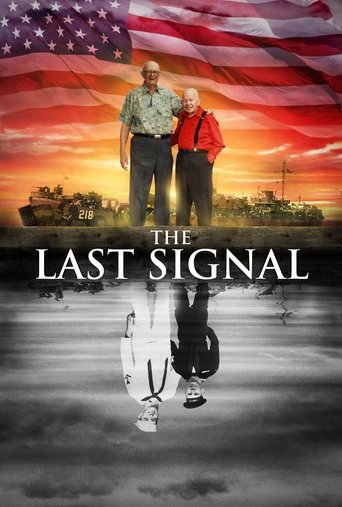
Two World War II Veterans reunite for the first time in 70 years after their inaugural voyage on Navy ship LST-218

A short documentary made from archival footage that explores the various dynamics of Japan and the U.S.A. during ww2


Semi-Biographical film documenting the life of The Reverend Wilbert Awdry, creator of the beloved Thomas The tank Engine Stories
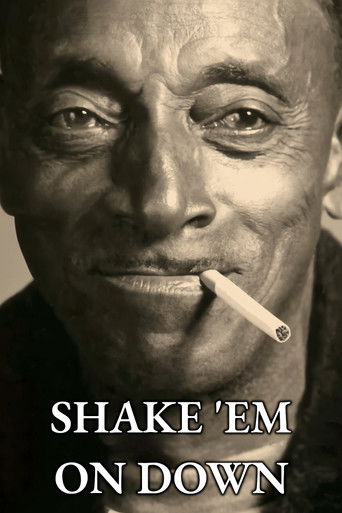
Shake ‘Em On Down is a one-hour documentary film which aims to tell the story of Fred McDowell, who was first recorded by Alan Lomax in 1959, traveled to Europe with the Rolling Stones in the mid-1960s, mentored Bonnie Raitt, and served as the cornerstone of the unique and enduring North Mississippi- style of blues music.
Funding ceased due to Brexit pullout by backers. In the early hours of the 6th of June 1944 Allied Airborne Forces launched one of most daring assaults in history. 181 men in 6 gliders landed at night to capture two bridges vital to the success of the D-Day landings, one of these would become known as Pegasus Bridge.
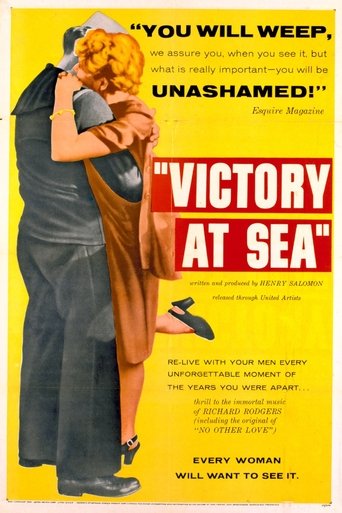
A feature-length, condensed version of the 1952 documentary TV series 'Victory at Sea'.
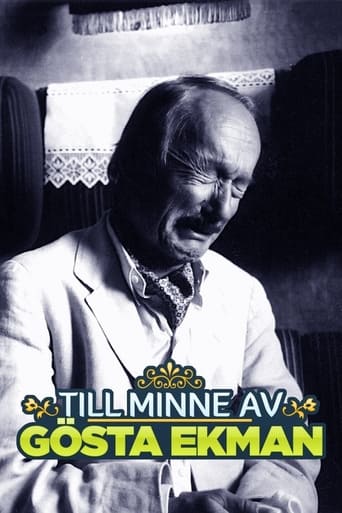
The actor and director Gösta Ekman was one of Sweden's most popular artists. He was born 77 years ago straight into the Swedish acting elite. In this memory film, we start from the very last filmed interview that was done with Gösta.

From award-winning director Phil Grabsky comes this fresh new look at arguably the world’s favourite artist – through his own words. Using letters and other private writings I, Claude Monet reveals new insight into the man who not only painted the picture that gave birth to impressionism but who was perhaps the most influential and successful painter of the 19th and early 20th centuries. Despite this, and perhaps because of it, Monet’s life is a gripping tale about a man who, behind his sun-dazzled canvases, suffered from feelings of depression, loneliness, even suicide. Then, as his art developed and his love of gardening led to the glories of his garden at Giverney, his humour, insight and love of life is revealed. Shot on location in Paris, London, Normandy and Venice I, Claude Monet is a cinematic immersion into some of the most loved and iconic scenes in Western Art.