Les juifs de Pologne, des cendres à l'espoir
2013-09-19 · Runtime unavailable · Not rated
Trailers are previews, not full movies.
No authorized playback source configured. Use the legal watch options below.
Production details
- Directors
- Sylvie Meyer, David Milhaud
- Production companies
- Ugoprod, Groupe AB, CNC
- Countries
- France
- Status
- Released
Top Cast
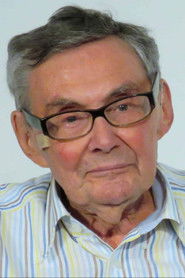 Marian TurskiSelf - Historian
Title information and images are supplied by TMDb. Explore our discovery guide for advice on comparing metadata and legal viewing options.
Where to watch
Availability provided by JustWatch via TMDb. Offers can change. Provider links are listed on TMDb; full playback requires a separately authorized source.
Availability not listed for this country.
Seasons & episodes
Recommendations

Al Pacino's deeply-felt rumination on Shakespeare's significance and relevance to the modern world through interviews and an in-depth analysis of "Richard III."

Through deeply personal interviews with her siblings and an examination of the photographs, letters, and belongings left behind, Mariska assembles a new portrait of her mother Jayne Mansfield, an extraordinary and complex woman.
Follow the evolution of the 'Halloween' movies over the past twenty-five years. It examines why the films are so popular and revisits many of the original locations used in the films - seeing the effects on the local community. For the first time, cast, crew, critics and fans join together in the ultimate 'Halloween' retrospective.
An interview with film director Roman Polanski conducted during his period of house arrest, discussing his life and work.

In an intimate and joyful story of love in the face of loss, celebrated poets Andrea Gibson and Megan Falley find strength—and unexpected hilarity—in what might be their final year together.
The film is based on interviews with 2,000 women from 50 countries, and covers the status of women all over the world. The topics covered include forced marriages, sexual assault, female genital mutilation, acid attacks, motherhood, sexuality, menstruation, education and the professional success of women.
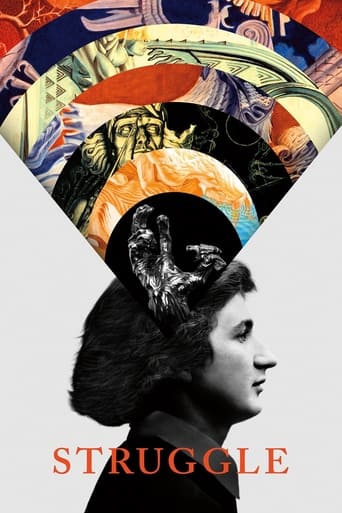
Artists in LA discover the work of forgotten Polish sculptor Stanislav Szukalski, a mad genius whose true story unfolds chapter by astounding chapter.

A 1993 documentary film about Bruce Lee. The film includes interviews from some of his fellow students and opponents who worked alongside him in his movies.
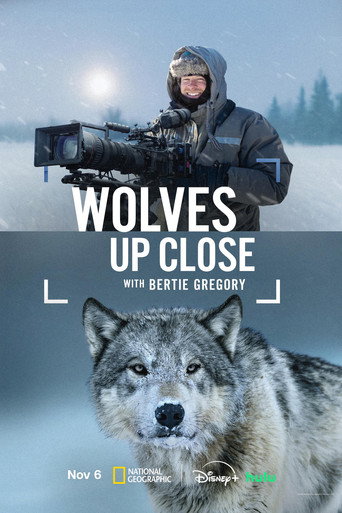
Reconnecting with a pack of wolves he has followed for seven years, Bertie sets out to capture one of the Arctic's most dangerous and rarely filmed hunts: wolves taking on a bull moose, prey roughly ten times their size. Led by Kona, a striking white breeding male, the pack faces a critical winter as dwindling food supplies, an encroaching rival wolf and an aging leader threaten its survival.

An inside look at one of the most anticipated movie sequels ever with James Cameron and cast.
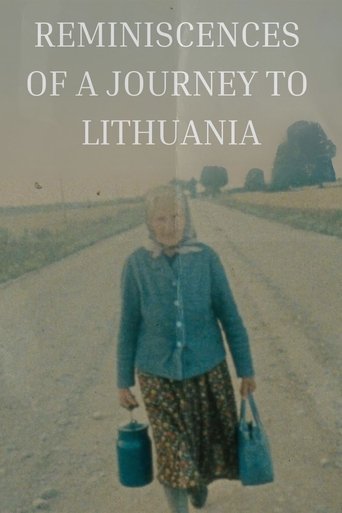
Jonas Mekas weaves an elegiac diary film from his 1971–72 return to Lithuania, chronicling a visit to his birthplace of Semeniškiai after decades in exile. Blending personal memory with documentary observation, the film becomes both a portrait of homecoming and a meditation on displacement, family, and the passage of time.

A detailing of the rise to prominence and global sporting superstardom of six supremely talented young Manchester United football players (David Beckham, Nicky Butt, Ryan Giggs, Paul Scholes, Phil and Gary Neville). The film covers the period 1992-1999, culminating in Manchester United's European Cup triumph.

Musician and performance artist Laurie Anderson reflects on the deaths of her husband Lou Reed, her mother and her beloved dog.

Over 35 years after Bob Lazar's revelations, this documentary exposes secrets of a facility the government still denies. Featuring Lazar's testimony, recreations, and new evidence, it reopens a case that continues to spark global curiosity

When Allied forces liberated the Nazi concentration camps in 1944-45, their terrible discoveries were recorded by army and newsreel cameramen, revealing for the first time the full horror of what had happened. Making use of British, Soviet and American footage, the Ministry of Information’s Sidney Bernstein (later founder of Granada Television) aimed to create a documentary that would provide lasting, undeniable evidence of the Nazis’ unspeakable crimes. He commissioned a wealth of British talent, including editor Stewart McAllister, writer and future cabinet minister Richard Crossman – and, as treatment advisor, his friend Alfred Hitchcock. Yet, despite initial support from the British and US Governments, the film was shelved, and only now, 70 years on, has it been restored and completed by Imperial War Museums under its original title "German Concentration Camps Factual Survey".

The life and career of an actor, artist, and icon. His own journey through his own camera.
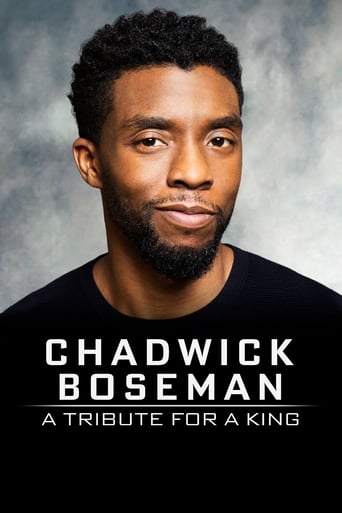
A tribute to Chadwick Boseman, celebrating his life and legacy.
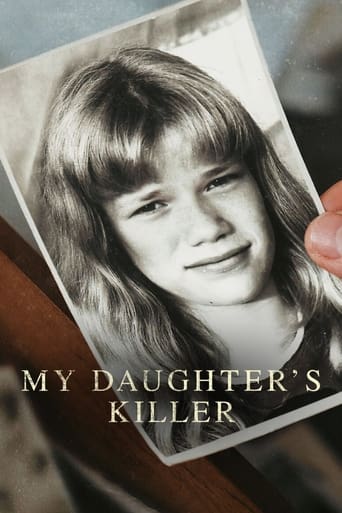
A father fights for decades to bring his daughter's killer to justice in France and Germany before taking extreme measures.

Retrospective documentary about the making of the horror cult classic "The Return of the Living Dead."

A documentary about the making of season five of the acclaimed AMC series Breaking Bad.
Similar titles

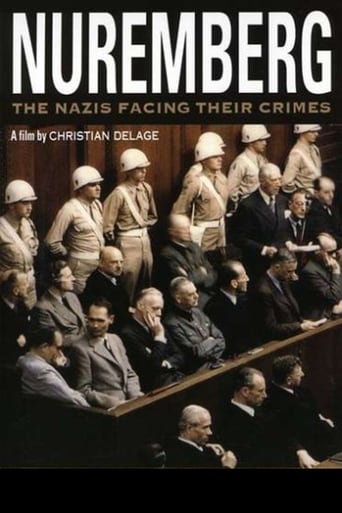
The documentary of the Nuremberg War Trials of 21 Nazi dignitaries held after World War II.
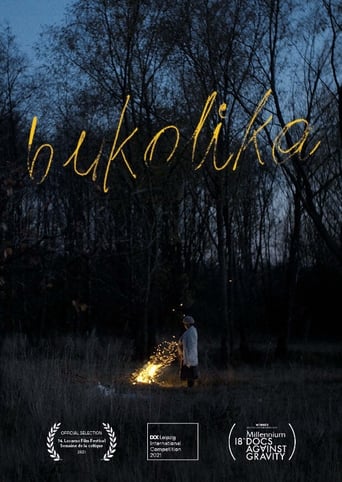
Danusia and her daughter Basia live far away from the modern world, in tune with the rhythm and laws of nature, among animals and the spirits of the dead. The peace and sense of security offered by their enclave come at a price - the women increasingly long for contact with other people. Bucolic is an affectionate observation of people who live in a different way. It evokes a curiosity about their world and a desire to take a closer look.
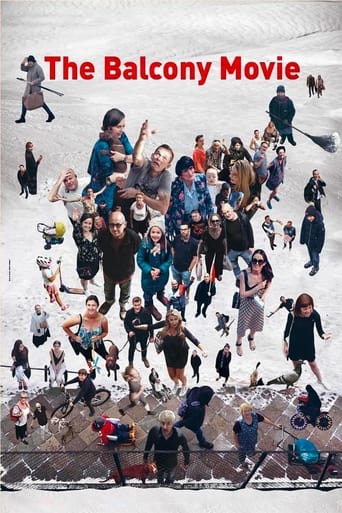
Composed from the conversations that the director holds with people passing by in the street under his Warsaw apartment, each story in 'The Balcony Movie' is unique and deals with the way we try to cope with life as individuals. All together, they create a self-portrait of contemporary human life, and the passers-by present a composite picture of today's world.
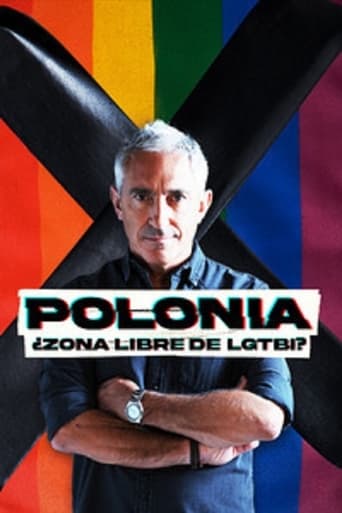
Jon Sistiaga takes an immersive trip to Poland, a country divided into two zones: on the one hand, the urban and pro-European, and on the other, the rural and ultra-Catholic, still anchored in the traumas of the war and the post-war period. Is Poland a homophobic country or does it have a homophobic government? How does the European Union allow this situation?
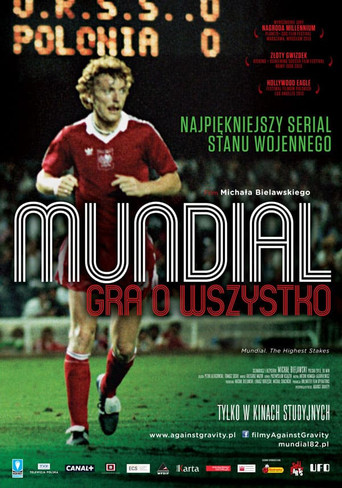
A documentary tale about sport and politics under martial law. All of Poland saw the great goals of Boniek and Smolarek during the Espana '82 championships. For a moment, it was forgotten that the background of the sporting performance was martial law, censorship, an army on the streets, prisons filled with oppositionists. The performance of the players was so successful that it was called "the most beautiful series of martial law". The game is watched by interned activists of "Solidarity", sports journalists and censors, cutting out all manifestations of the opposition from television broadcasts. We also get to know the performance in Spain from the perspective of the players, trying to meet not only their ambitions but also to bear the burden of fans' expectations and regime propaganda.
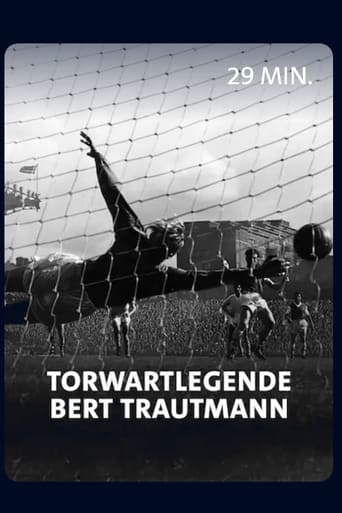
How could a German Wehrmacht soldier become a celebrated soccer idol of the Britons in the post-war period? The documentary by Radio Bremen shows the moving life story of the soccer star of the 1950s in a torn Europe and how an enemy became a friend. With his legendary appearance in the English Cup Final 1956, in which he played until the end despite a broken neck, Bert Trautmann set up a memorial for himself in the history of sport. Already in the same year, he is chosen as England’s footballer of the year, and by his club Manchester City even as best player of all times. Bernhard “Bert” Trautmann is one of the most popular and best-known soccer players in England.
The documentary takes the viewer to the Polish countryside of the mid-1970s. Andrzej, Leszek, Eugeniusz, Ryszard and Jerzy are young men who dream of finding their other half. The film's protagonists have advertised in newspapers and talk frankly and without inhibition about their search and the dilemmas it involves. The picture is complemented by the statements of their parents, who watch their sons' efforts to start a family with love but also concern. The film also gives an insight into the problems farmers face - not only love but also hard work on the land awaits the chosen one of their hearts. "Either get married or quit this farm", "What's one to do on a farm?" - say the characters in the film. The countryside is not a place made for living alone.
Documentary short about the Leipzig Tradefair in 1946.
A film about Dresden - before, during, and after the war.
Documenting the rebuilding of Potsdam one year after the war under Soviet supervision.
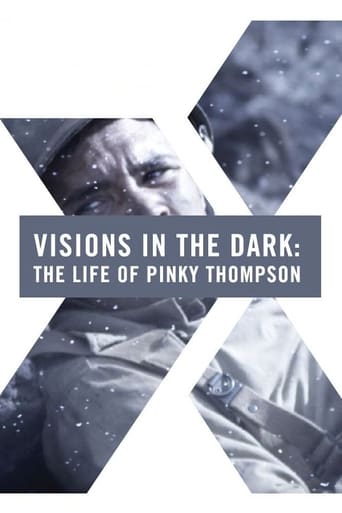
Pinky Thompson grew up in Hawaii during a time when one was punished for being Native Hawaiian. After almost losing his life in the battlefields of Normandy in World War II, Pinky brought his fierce energy to the arena of social service whre he championed a health care system, created invaluable educational programs and strengthened the pride of Native Hawaiians. Pinky fostered new methods of policy collaboration and community testimony. He elevated a new generation of Hawaiian leaders to represent the vibrant cultural identity and value system of the Hawaiian people.
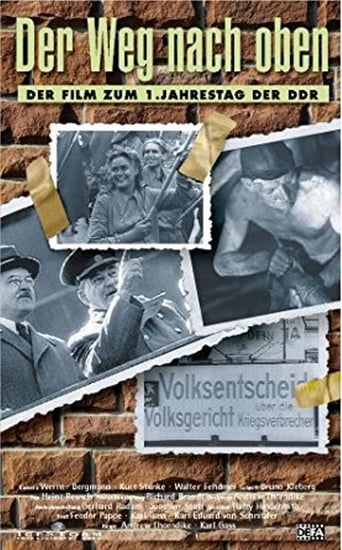
The economic and cultural improvements of the Soviet Occupied Sector are documented with scenes from the years 1945 to 1950. The film deals with the land reform, the founding of the Socialist Unity Party, the expropriation of war criminals, the founding of the GDR and the first Five Year Plan in July 1950. Special attention is dedicated to the setup of the steel industry. All this is shown in contrast to the new Federal Republic of Germany, where unemployment, slums and the West Berlin airlift prevail. The Cold War of those years is reflected in the film as well as a part of the development of post-war Germany.

Elliott Gould narrates this affectionate look at life in the shtetls of Eastern Europe in the 19th and early 20th centuries. "It's unreal that all this could have just disappeared," says Polish native Mariem Adler Stok, one of the seniors whose memories of this "Yiddish world" give this documentary its life. The hour traces Jewish history in Europe and explores Jews' focus on education, their religious customs, clothing, food, music and theater.

The biggest trial of Nazi war crimes ever: 360 witnesses in 183 days of trial - a stunning and gripping portrayal of the most terrible massacre in history.