
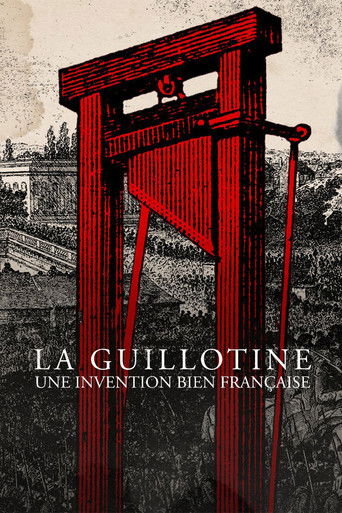
La guillotine, une invention bien française
2021-09-13 · 60 min · ★ 7.0
Forty years after the abolition of the death penalty in France, voted on September 18, 1981, the guillotine remains in the collective imagination as the instrument of the death sentence. This machine, developed during the Revolution to render justice more equal, was presented as progress. Over time, opinion has been divided on the subject of the death penalty, the guillotine becoming the object of man's cruelty, a remnant of an archaic way of dispensing justice and fuelling the many debates around the death penalty and its abolition.
Trailers are previews, not full movies.
No authorized playback source configured. Use the legal watch options below.
Production details
- Directors
- Jean-Charles Deniau
- Production companies
- Adamis Production
- Countries
- France
- Status
- Released
Top Cast
Cast unavailable.
Title information and images are supplied by TMDb. Explore our discovery guide for advice on comparing metadata and legal viewing options.
Where to watch
Availability provided by JustWatch via TMDb. Offers can change. Provider links are listed on TMDb; full playback requires a separately authorized source.
Availability not listed for this country.
Seasons & episodes
Recommendations

Director Claude Lanzmann spent 11 years on this sprawling documentary about the Holocaust, conducting his own interviews and refusing to use a single frame of archival footage. Dividing Holocaust witnesses into three categories – survivors, bystanders, and perpetrators – Lanzmann presents testimonies from survivors of the Chelmno concentration camp, an Auschwitz escapee, and witnesses of the Warsaw Ghetto Uprising, as well as a chilling report of gas chambers from an SS officer at Treblinka.
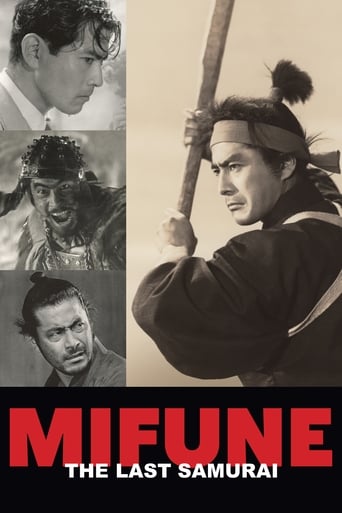
An account of the life and work of legendary Japanese actor Toshirō Mifune (1920-97), the most prominent actor of the Golden Age of Japanese cinema.

The history of cinematic sound, told by legendary sound designers and visionary filmmakers.

Cameramen and women discuss the craft and art of cinematography and of the "DP" (the director of photography), illustrating their points with clips from 100 films, from Birth of a Nation to Do the Right Thing. Themes: the DP tells people where to look; changes in movies (the arrival of sound, color, and wide screens) required creative responses from DPs; and, these artisans constantly invent new equipment and try new things, with wonderful results. The narration takes us through the identifiable studio styles of the 30s, the emergence of noir, the New York look, and the impact of Europeans. Citizen Kane, The Conformist, and Gordon Willis get special attention.

Filmmaker Alain Resnais documents the atrocities behind the walls of Hitler's concentration camps.
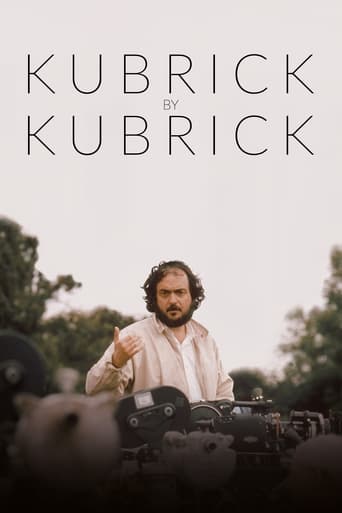
American filmmaker Stanley Kubrick (1928–1999), one of the greatest in history, but also one of the most reserved, gave few interviews throughout his long career, and none of them were filmed. A first-person journey through his life and work, based on a recorded conversation with French film critic Michel Climent.
A behind-the-scenes documentary about the Clinton for President campaign, focusing on the adventures of spin doctors James Carville and George Stephanopoulos.
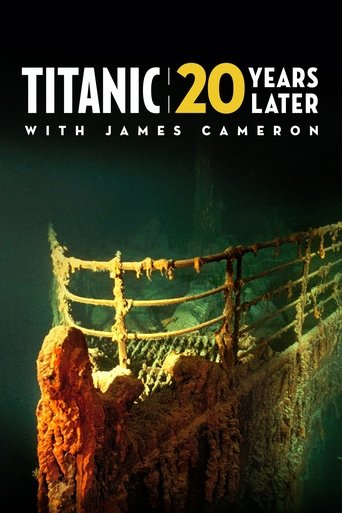
For the 20th anniversary of "Titanic," James Cameron reopens the file on the disaster.

A tribute to Italian filmmaker Sergio Corbucci (1926-90), presented by American filmmaker Quentin Tarantino.

A documentary highlighting the Soviet Union's legendary and enigmatic hockey training culture and world-dominating team through the eyes of the team's Captain Slava Fetisov, following his shift from hockey star and celebrated national hero to political enemy.
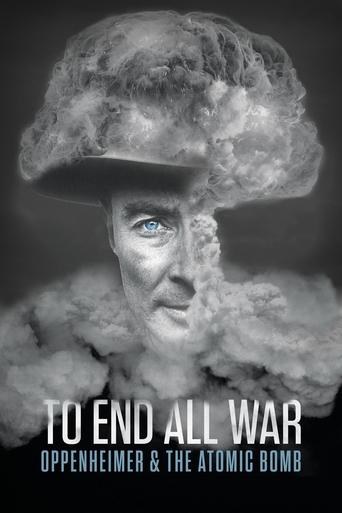
Explore how one man's relentless drive and invention of the atomic bomb changed the nature of war forever, led to the deaths of hundreds of thousands of people and unleashed mass hysteria.
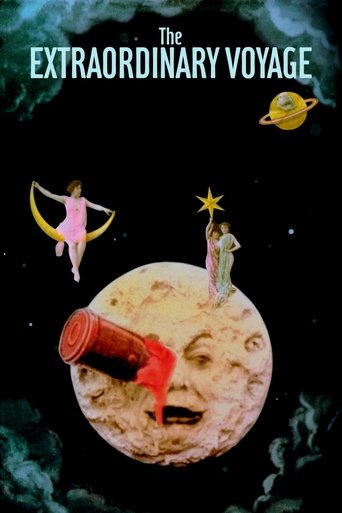
An account of the extraordinary life of film pioneer Georges Méliès (1861-1938) and the amazing story of the copy in color of his masterpiece A Trip to the Moon (1902), unexpectedly found in Spain and restored thanks to the heroic efforts of a group of true cinema lovers.

An unprecedented and intimate look at the life, work and enduring legacy of British actress Audrey Hepburn (1929-1993).

Filmed over 14 months with unprecedented access into the inner circle of the man and the sport, this is the first official and fully authorised film of one of the most celebrated figures in football. For the first time ever, the world gets vividly candid and un-paralleled, behind-closed-doors access to the footballer, father, family-man and friend in this moving & fascinating documentary. Through in-depth conversations, state of the art football footage and never before seen archival footage, the film gives an astonishing insight into the sporting and personal life of triple Ballon D'Or winner Cristiano Ronaldo at the peak of his career. From the makers of ‘Senna’ and ‘Amy’, Ronaldo takes audiences on an intimate and revealing journey of what it’s like to live as an iconic athlete in the eye of the storm.
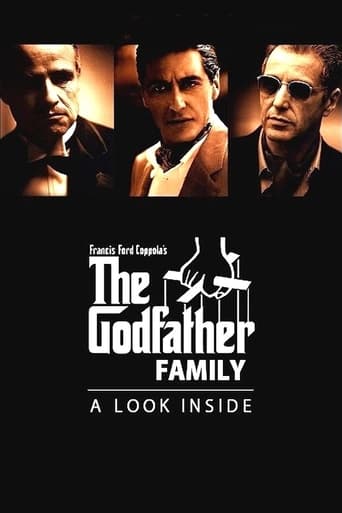
A documentary on the making of the three Godfather films, with interviews and recollections from the film makers and cast. This feature also includes the original screen tests of some of the actors for "The Godfather" film, and some candid moments on the set of "The Godfather: Part III."
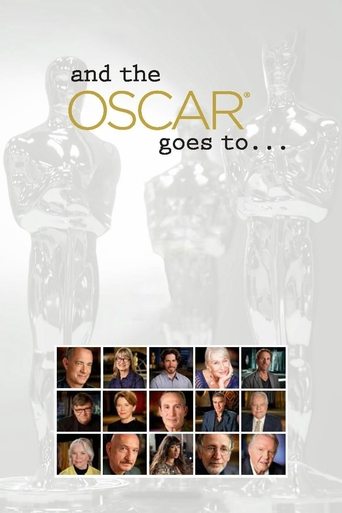
The story of the gold-plated statuette that became the film industry's most coveted prize, AND THE OSCAR GOES TO... traces the history of the Academy itself, which began in 1927 when Louis B. Mayer, then head of MGM, led other prominent members of the industry in forming this professional honorary organization. Two years later the Academy began bestowing awards, which were nicknamed "Oscar," and quickly came to represent the pinnacle of cinematic achievement.
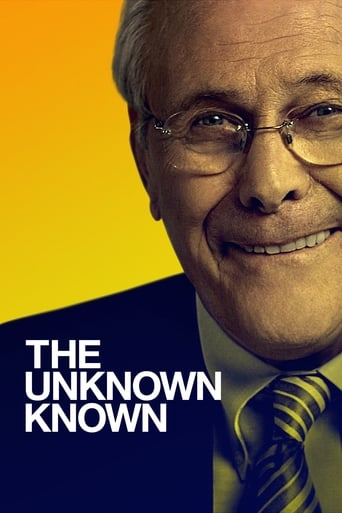
Former United States Secretary of Defense Donald Rumsfeld discusses his career in Washington D.C. from his days as a congressman in the early 1960s to planning the invasion of Iraq in 2003.
In 1972, a seemingly typical shoestring budget pornographic film was made in a Florida hotel: "Deep Throat," starring Linda Lovelace. This film would surpass the wildest expectation of everyone involved to become one of the most successful independent films of all time. It caught the public imagination which met the spirit of the times, even as the self-appointed guardians of public morality struggled to suppress it, and created, for a brief moment, a possible future where sexuality in film had a bold artistic potential. This film covers the story of the making of this controversial film, its stunning success, its hysterical opposition along with its dark side of mob influence and allegations of the on set mistreatment of the film's star.
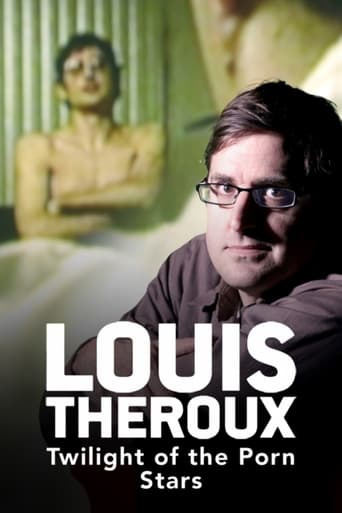
In 1997, Louis Theroux made a documentary about the world of male porn performers in Los Angeles. 15 years later, he returns to find a business struggling with the deluge of free porn on the internet. Louis revisits some of the original programme's contributors as well as meeting the latest crop of porn performers dreaming of porn stardom.

In 1936, Victor H. Green (1892-1960) published The Negro Motorist Green Book, a book that was both a travel guide and a survival manual, to help African-Americans navigate safe those regions of the United States where segregation and Jim Crow laws were disgracefully applied.
Similar titles
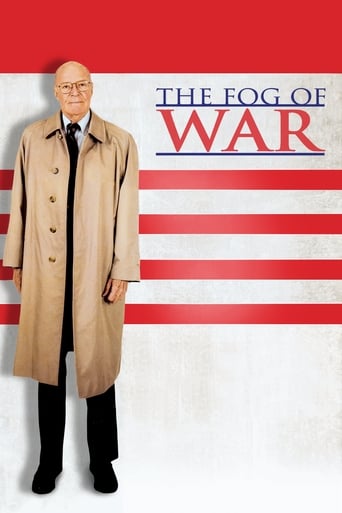
Former corporate whiz kid Robert McNamara was the controversial Secretary of Defense in the Kennedy and Johnson administrations, during the height of the Vietnam War. Augmented by archival footage and cabinet conversation recordings, Errol Morris gives the conflicted McNamara a platform on which he attempts to confront his and the U.S. government's actions in Southeast Asia in light of the horrors of modern warfare, the end of ideology and the punitive judgment of history.
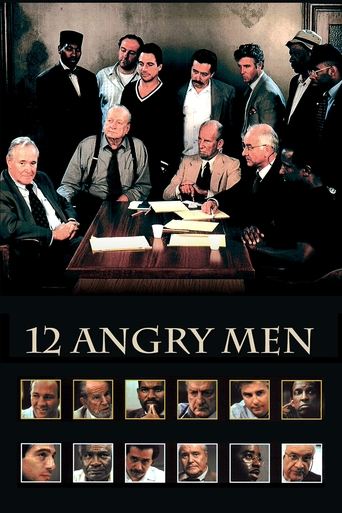
During the trial of a man accused of his father's murder, a lone juror takes a stand against the guilty verdict handed down by the others as a result of their preconceptions and prejudices.
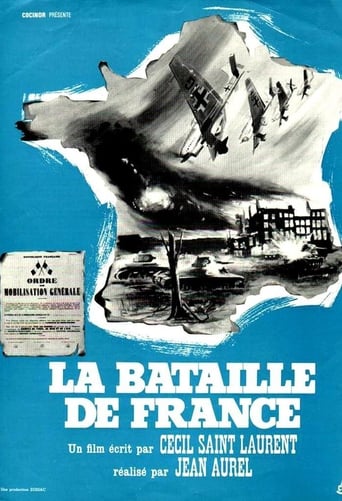
A montage of newscasts tracing the events of the "damned war" and the German invasion of 1940.
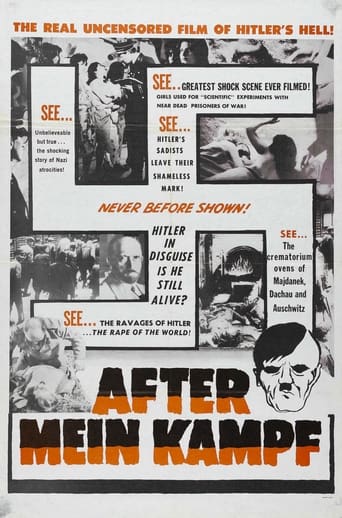
By combining actual footage with reenactments, this film offers both a documentary and fictional account of the life of Adolf Hitler, from his childhood in Vienna, through the rise of the Third Reich, to his final act of suicide in the waning days of WWII. The film also provides considerable, and often shocking, detail of the atrocities enacted by the Nazi regime under Hitler's command.

San Francisco Bay is home to various shark species. Alcatraz guards made sure the prisoners knew it, telling stories of sharks to stop escapes.

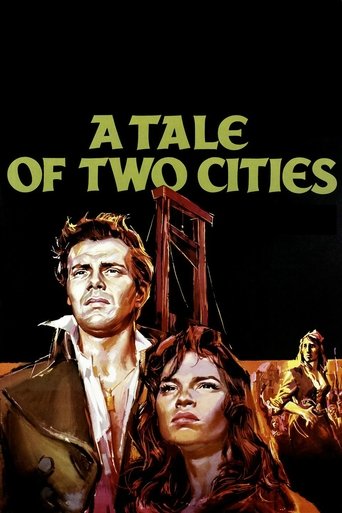
Set against the conditions leading up to the French Revolution and the Reign of Terror, French doctor Alexandre Manette serves an 18-year imprisonment in the Bastille in Paris, followed by his release to live in London with the daughter he has never met.
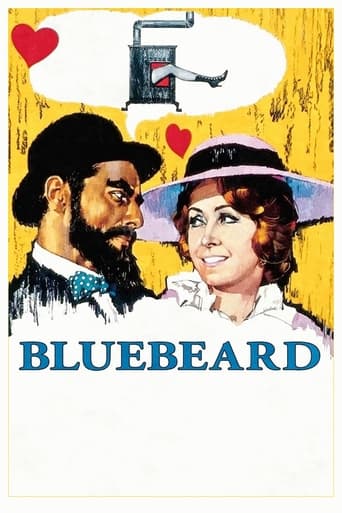
Paris, France, during the First World War. While thousands of soldiers die every day on the battlefields, Henri Landru, a seemingly respectable furniture dealer, married and father of four children, relentlessly feeds his own sinister factory of death.

Danton and Robespierre were close friends and fought together in the French Revolution, but by 1793 Robespierre was France's ruler, determined to wipe out opposition with a series of mass executions that became known as the Reign of Terror. Danton, well known as a spokesman of the people, had been living in relative solitude in the French countryside, but he returned to Paris to challenge Robespierre's violent rule and call for the people to demand their rights. Robespierre, however, could not accept such a challenge, even from a friend and colleague, and he blocked out a plan for the capture and execution of Danton and his allies.

At the height of Reign of Terror Maximilien Robespierre orchestrates the trial and execution of several of his fellow leading French revolutionaries including Georges Danton.
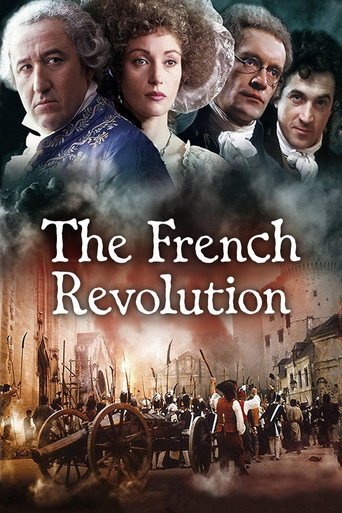
A history of the French Revolution beginning from the decision of the king to convene the Etats-Generaux in 1789 in order to deal with France's debt problem. Part one spans the event until August 10, 1792 (when the King Louis XVI lost all authority and was imprisoned). Part two carries the story through the end of the terror in 1794.

Nicolas Philibert goes to America after killing a French aristocrat. On his return he tries to divorce his wife, Charlotte, but when he sees others trying to woo her his own interest is rekindled.
Words of Captain Scott uses readings of the diaries and letters of Captain Scott, his companions, and those of his Norwegian rival Roald Amundsen - to tell the story of their epic South Pole expedition in their own words.
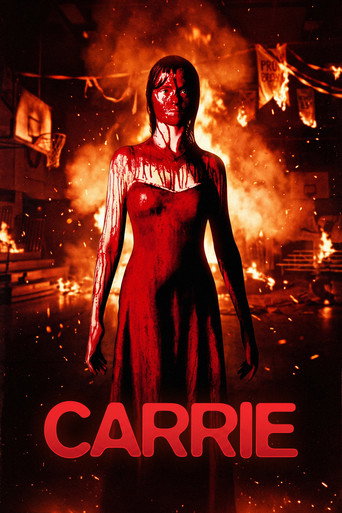
An awkward, telekinetic teenage girl's lonely life is dominated by relentless bullying at school and an oppressive religious fanatic mother at home. When her tormentors pull a humiliating prank at the senior prom, she unleashes a horrifying chaos on everyone, leaving nothing but destruction in her wake.
This educational documentary describes the political, social, and religious conditions of sixteenth century Europe. It also Interprets the reforms of Martin Luther as a part and/of these conditions as indications of future trends.
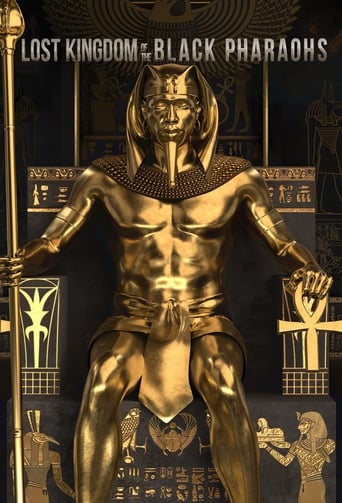
The Kush Empire was an ancient superpower that dominated the Nile Valley and rivaled the Egyptians, and now, a new, cutting-edge investigation at a mysterious tomb could reveal the secrets of this formidable lost kingdom.

The Victorian era is often cited for its lack of sexuality, but as this documentary reveals, the period's artists created a strong tradition surrounding the classical nude figure, which spread from the fine arts to more common forms of expression. The film explains how 19th-century artists were inspired by ancient Greek and Roman works to highlight the naked form, and how that was reflected in the evolving cultural attitudes toward sex.
One night in November 1976, after his car breaks down on a road outside Dallas, Randall Dale Adams accepts a ride from teenager David Harris. Harris is driving a stolen vehicle and, later that night, when Dallas police officer Robert Wood pulls the car over to check its headlights, he is shot and killed. A jury believes Adams is the killer, but stylized reenactments and interviews with key figures, conflicting testimonies and evidence are presented to argue that Adams was framed by a corrupt justice system, ultimately leading to his exoneration.
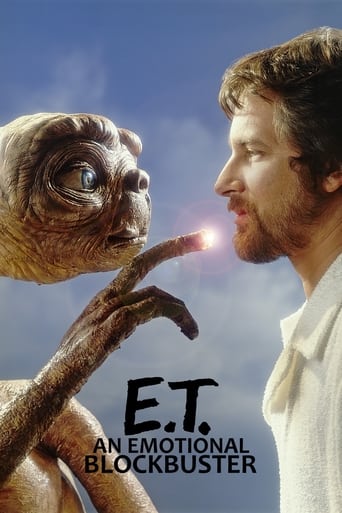
E. T. the Extra-Terrestrial, Steven Spielberg's endearing movie released in 1982, achieved the triple feat of bringing to life one of the most iconic characters in pop culture, revolutionizing science fiction cinema and establishing itself as one of the highest-grossing family movies in the history of cinema, capable of making the whole world laugh and cry.