
Burgo's Catch Phrase
· 30 min / episode · Not rated
Burgo's Catch Phrase was an Australian game show that ran between 1997 and 2003, produced by Southern Star Group for the Nine Network. The show was based on the British and American versions of the game, and was originally knowned simply as Catch Phrase until 1999 where the show was renamed as Burgo's Catch Phrase after the host in its honour. The show was cancelled three times in 1998, 2001 and 2003 after failing ratings despite a revamp of the set in 2002. Contestants would have to identify the familiar phrase represented by a piece of animation, with the show's mascot — a character called "Jimmy" — often appearing. In the original run, two contestants played in each game, but in the 2002 revamp, this was increased to three.
Trailers are previews, not full movies.
No authorized playback source configured. Use the legal watch options below.
Production details
- Creators
- Unavailable
- Production companies
- Unavailable
- Countries
- Unavailable
- Status
- Ended
Top Cast
 John BurgessHost
Title information and images are supplied by TMDb. Explore our discovery guide for advice on comparing metadata and legal viewing options.
Where to watch
Availability provided by JustWatch via TMDb. Offers can change. Provider links are listed on TMDb; full playback requires a separately authorized source.
Availability not listed for this country.
Seasons & episodes
Recommendations
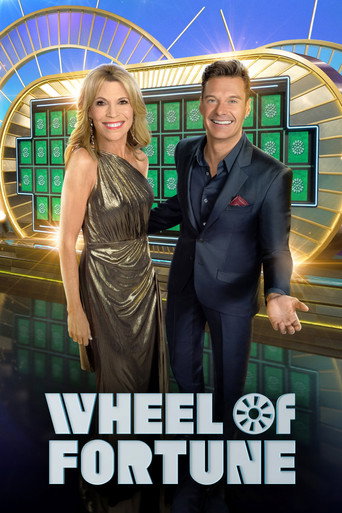
This game show sees contestants solve word puzzles, similar to those used in Hangman, to win cash and prizes determined by spinning a giant carnival wheel.
American version of the tense gameshow where contestants tackle a series of multiple-choice questions to win large cash prizes.

The clock is ticking as contestants compete in games of lexical dexterity and numerical agility.
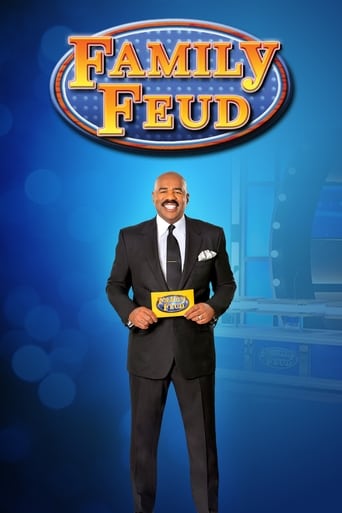
Two families compete against each other in a contest to name the most popular responses to a survey question posed to 100 people.
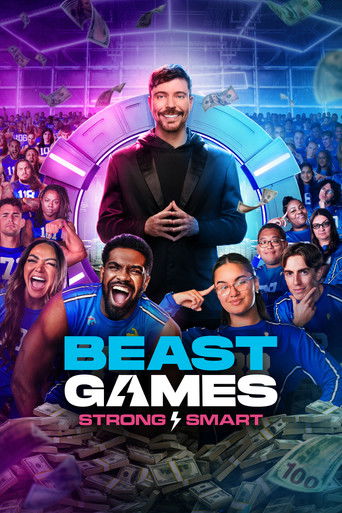
I gathered 1,000 people to fight for $5,000,000, the LARGEST cash prize in TV history! We're also giving away a private island, Lamborghinis, and millions more in cash throughout the competition! Go watch to see the greatest show ever made!
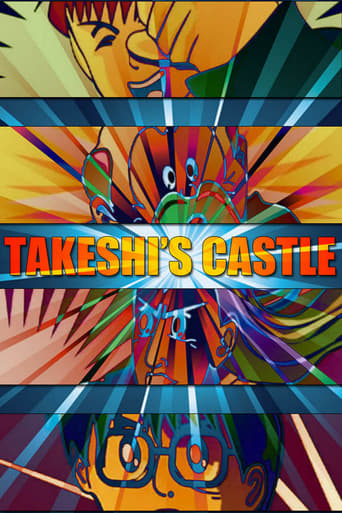
Takeshi's Castle was a Japanese game show that aired between 1986 and 1990 on the Tokyo Broadcasting System. It featured the Japanese actor Takeshi Kitano as a count who owns a castle and sets up difficult challenges for players to get to him. Contestants throw themselves into daunting physical challenges as they attempt to storm Takeshi's Castle and win the grand prize of one million yen. The show has become a cult television hit around the world. A special live "revival" was broadcast on April 2, 2005, for TBS's 50th anniversary celebrations.
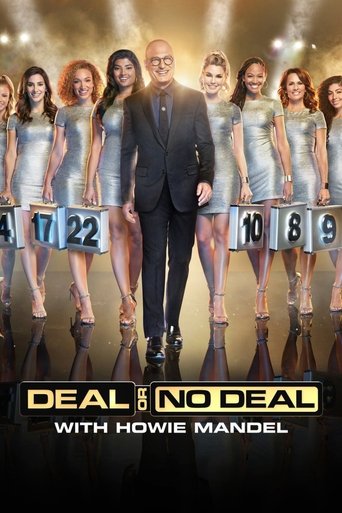
A contestant must choose from 26 sealed briefcases containing a marker for various amounts of cash from one penny to $1 million. The player then eliminates the remaining 25 cases one by one. The chosen ones are opened and the amount of money inside revealed. After several cases are opened, the player is tempted by the Banker to accept an offer of cash in exchange for not continuing the game and possibly winning a larger sum of money.
America's favorite quiz show where contestants are presented with general knowledge clues in the form of answers, and must phrase their responses in question form.
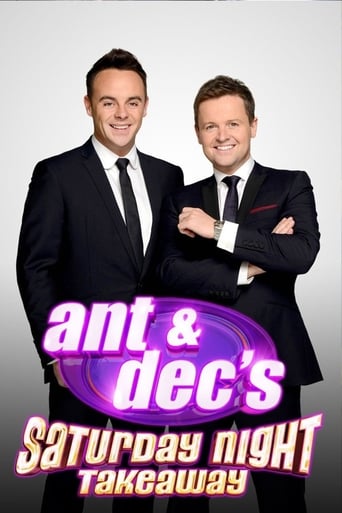
A gameshow hosted by Ant and Dec filled with stunts, sketches, and special guest appearances.
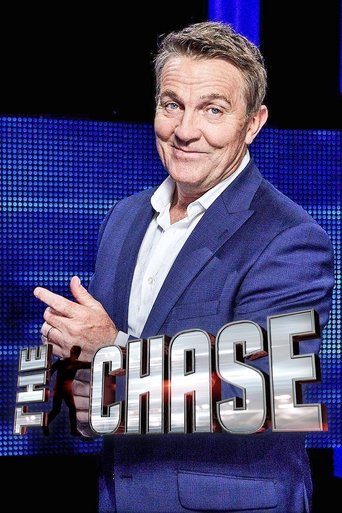
The Chase isn’t just a quiz… it’s a race, where the players must ensure they stay one step ahead of ‘The Chaser’, a ruthless quiz genius determined to stop them winning at all costs.
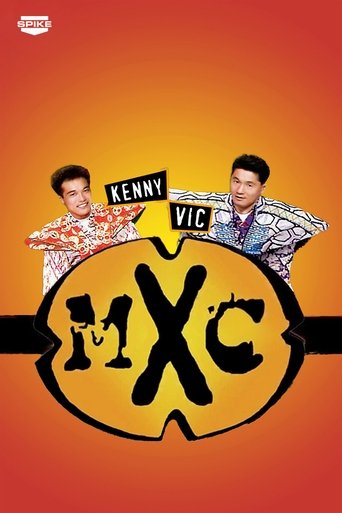
Footage from the popular game show, Takeshi's Castle has been re-edited, re-written and re-voiced into a hilarious, intentionally over-produced, modern "action/X-treme" sports show.
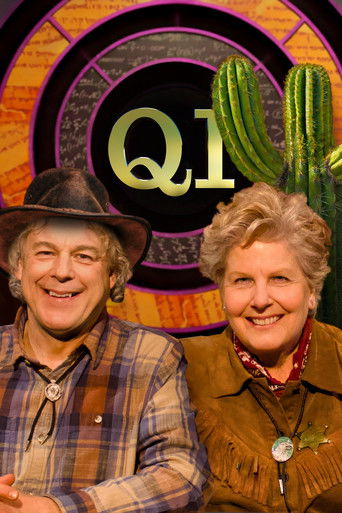
Comedy quiz show full of quirky facts, in which contestants are rewarded more if their answers are 'quite interesting'.
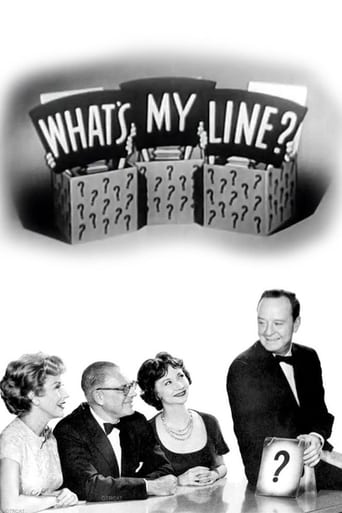
Four panelists must determine guests' occupations - and, in the case of famous guests, while blindfolded, their identity - by asking only "yes" or "no" questions.
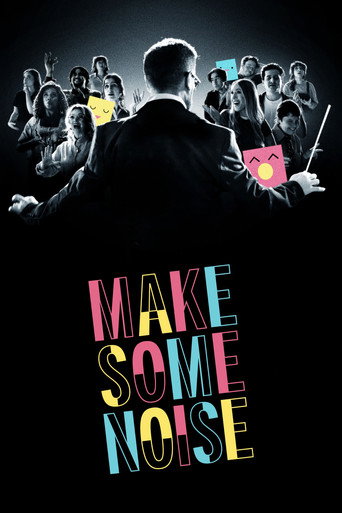
A Dropout TV game show spun off from Gamechanger in which talented improvisors compete to bring silly prompts to life.
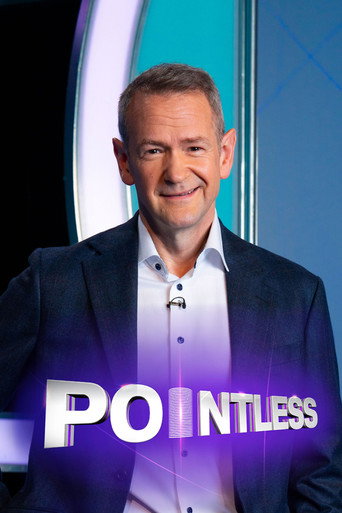
Quiz in which contestants try to score as few points as possible by plumbing the depths of their general knowledge to come up with the answers no-one else can think of.
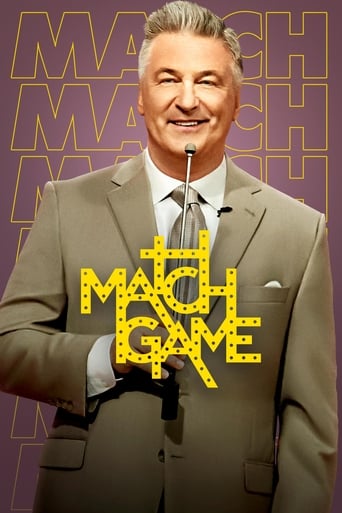
A modern reboot of the classic 70s game show that features two contestants attempting to match the answers of six celebrities in a game of fill-in-the-blank.
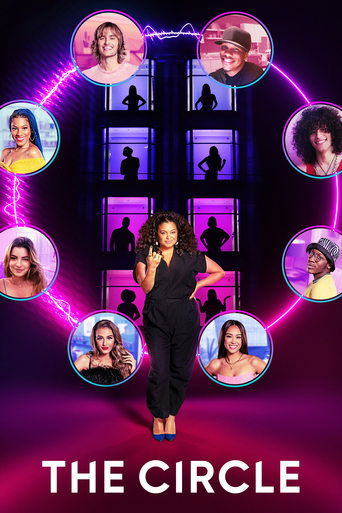
Status and strategy collide in this social experiment and competition show where online players flirt, befriend and catfish their way toward $100,000.

The Great Food Truck Race is a reality television series, that originally aired on August 15, 2010, on Food Network, with Tyler Florence as the host. It features competing food trucks. The fourth season premiered on August 18, 2013.
60 Minutes, an Australian version of the U.S. television newsmagazine 60 Minutes, airs on Sunday nights on the Nine Network and is presented in much the same way as the American program on which it is based. The New Zealand version of the show has also featured segments of the Australian version. Gerald Stone, the founding executive producer, was given the job by Kerry Packer and was told: "I don't give a f... what it takes. Just do it and get it right." After the first episode was broadcast on 11 February 1979, Packer was less than impressed, telling Stone: "You've blown it, son. You better fix it fast." Over the years, Stone's award winning 60 Minutes revolutionised Australian current affairs reporting and enhanced the careers of Ray Martin, Ian Leslie, George Negus, and later Jana Wendt. Since it was first broadcast, 60 Minutes has won five Silver Logies, one Special Achievement Logie, and received nominations for a further six Logie awards.
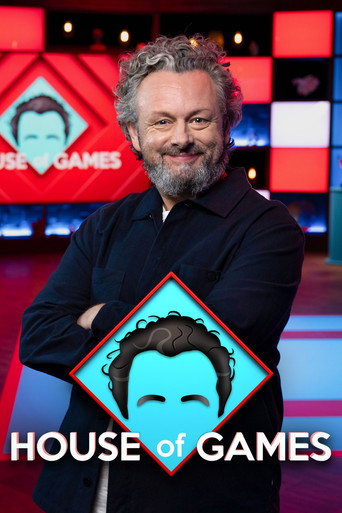
Each week a group of four famous faces go toe to toe in testing their general knowledge skills in a variety of entertaining games.
Similar titles
Card Sharks is an American television game show created by Chester Feldman for Mark Goodson-Bill Todman Productions. Two contestants compete for control of a row of oversized playing cards by answering questions posed by the host and then guessing if the next card is higher or lower in value than the previous one. The concept has been made into a series four separate times since its debut in 1978, and also appeared as part of CBS's Gameshow Marathon. The primary announcer for the first three series was Gene Wood.

Game$how Marathon is an American television program which aired on CBS from May 31, 2006 to June 29, 2006. It is based on the UK series Ant & Dec's Gameshow Marathon which aired on ITV in 2005. The show features contestants competing in some of television's most historically popular game shows, in a single-elimination format until an ultimate winner is found. Both the UK and US versions featured celebrity contestants. The US version was produced by FremantleMedia North America and Granada America and was hosted by Ricki Lake and announced by Rich Fields. In the US, the series only aired for a single season, while in the UK a second season aired in 2007, this time entitled Gameshow Marathon and hosted by Vernon Kay. This program was recorded at Stage 46, CBS Television City in Los Angeles, CA, USA.

In this French-Canadian adaptation, Taskmaster Louis Morissette and his assistant Antoine Vézina test the wits of five comedians through a series of absurd tasks.

French adaptation of the British game show Don't Forget Your Toothbrush hosted bu Nagui.

French adaptation of the British quiz show where contestants try to answer a question that only 1% of the country can get right.

Bad Influence! is an early to mid-1990s British factual television programme broadcast on CITV between 1992 and 1996, and was produced in Leeds by Yorkshire Television. It looked at video games and computer technology, and was described as a "kid’s Tomorrow's World". It was shown on Thursday afternoons and had a run of four series of between 13 and 15 shows, each of 20 minutes duration. For three of the four series, it had the highest ratings of any CITV programme at the time. Its working title was Deep Techies, a colloquial term derived from 'techies' basically meaning technology-obsessed individuals.
Wheel of Fortune is a British television game show created by Merv Griffin. Contestants compete to solve word puzzles, similar to those used in Hangman, to win cash and prizes. The title refers to the show's giant carnival wheel that contestants spin throughout the course of the game to determine their cash and/or prizes. The programme aired between 19 July 1988 and 21 December 2001 and was produced by Scottish Television for the ITV network and mostly follows the same general format from the original version of the programme from the United States.
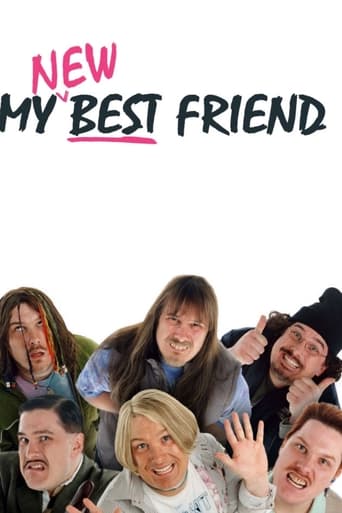
Could you pass off a complete stranger as your new best friend for one short weekend to win £10k, even if your 'friend' was actually a brilliant actor hell-bent on humiliating you?

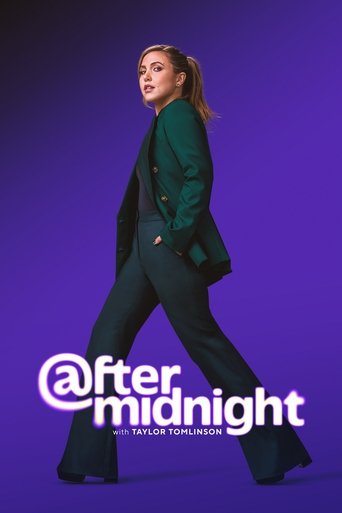
Celebrated comedian Taylor Tomlinson hosts the smartest show on television about the dumbest things on the internet alongside a panel of guests from the worlds of entertainment, comedy, music, and beyond.

There is a group of mouthy children between the ages of six and nine who are asked questions. The four adult participants in the program must then guess what the little ones' answers to the questions were. Sounds easy, right? It's not that easy! As everyone knows, how a child thinks is not as predictable as one would like it to be.
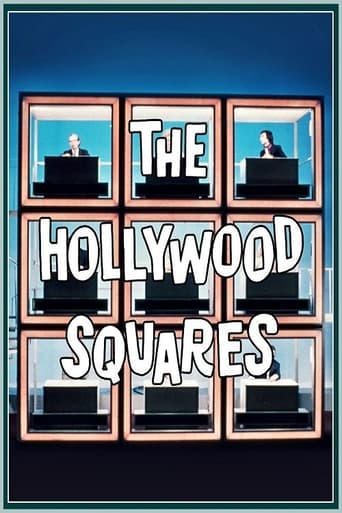
Hollywood Squares is an American panel game show, in which two contestants play tic-tac-toe to win cash and prizes. The "board" for the game is a 3 × 3 vertical stack of open-faced cubes, each occupied by a celebrity seated at a desk and facing the contestants. The stars are asked questions by the host, or "Square-Master", and the contestants judge the veracity of their answers in order to win the game. Although Hollywood Squares was a legitimate game show, the game largely acted as the background for the show's comedy in the form of joke answers, often given by the stars prior to their "real" answer. The show's writers usually supplied the jokes. In addition, the stars were given question subjects and plausible incorrect answers prior to the show. The show was scripted in this sense, but the gameplay was not. In any case, as host Peter Marshall, the best-known "Square-Master" and the man in whose honor the show's first announcer, Kenny Williams, actually "coined" the term, would explain at the beginning of the Secret Square game, the celebrities were briefed prior to show to help them with bluff answers, but they otherwise heard the actual questions for the first time as they were asked on air.

A game show based on the Carmen Sandiego computer game series created by Brøderbund Software.

Comedy reboot of the classic TV game show. Comedy Central's reincarnation remains true to the original format, with players crossing a hexagonal board by answering quiz questions correlating to a letter, for a chance to win an experiential prize. The brand new series, hosted by Dara O Briain, pits a team of two students against a singular player, as they answer general knowledge questions in the hope to win the board along with some cash. The lucky winner will then have the chance to take on the Gold Run to bag themselves a fantastic experiential prize.

Players take on television's biggest opponent, The Wall. Expect colossal wins and heartbreaking losses in the game show that can change people’s lives in the drop of a ball.
Baffle was a revival of the game show PDQ that aired on NBC from March 26, 1973 to March 29, 1974.

The Famous comedian and host Manish Paul is coming with his New Chat Show “Movie, Masti with Manish Paul”. The “Movie, Masti with Manish” is a game show where Bollywood Celebs come and play many entertaining games.

Celebrities choose a lucky suitor from a hidden panel of singles.
Password was a panel game show based on the US version of the same name. It was orginally aired on ITV produced by ATV from 12 March to 10 September 1963 hosted by Shaw Taylor, then it aired on BBC2 from 24 March to 28 April 1973 hosted by Brian Redhead before moving to its flagship channel BBC1 from 7 January 1974 to 1976 first hosted by Eleanor Summerfield then by Esther Rantzen, it was then aired on Channel 4 produced by Thames from 6 November 1982 to 14 May 1983 hosted by Tom O'Connor and then finally aired back on ITV produced by Ulster from 22 July 1987 to 5 August 1988 hosted by Gordon Burns.
