J'aurais donc dû, docteur!
2016-10-19 · 46 min / episode · Not rated
Some people see their lives dramatically turned upside down because they waited for too long before seeking care. The documentary series showcases individual who should have rapidly consulted with a doctor when the first signs of illness appeared, before the situation became critical.
Trailers are previews, not full movies.
No authorized playback source configured. Use the legal watch options below.
Production details
- Creators
- Unavailable
- Production companies
- Pixcom
- Countries
- Canada
- Status
- Ended
Top Cast
 Alain VadeboncoeurHimself
Title information and images are supplied by TMDb. Explore our discovery guide for advice on comparing metadata and legal viewing options.
Where to watch
Availability provided by JustWatch via TMDb. Offers can change. Provider links are listed on TMDb; full playback requires a separately authorized source.
Availability not listed for this country.
Seasons & episodes
Recommendations

Motoring programme featuring reviews of and reports about cars of all types.
In a docuseries set at one of NCAA football's most fertile recruiting grounds, guys with red flags seek to prove their worth on the field and in class.
Biography is a documentary television series. It was originally a half-hour filmed series produced for CBS by David Wolper from 1961 to 1964 and hosted by Mike Wallace. The A&E Network later re-ran it and has produced new episodes since 1987. The older version featured historical figures such as Helen Keller and Mark Twain, or long-dead entertainment figures such as Will Rogers or John Barrymore. The A&E series has placed the emphasis on such people as Marilyn Monroe, Elvis Presley, Plácido Domingo, Freddie Mercury, Jacqueline Kennedy Onassis, Eric Clapton, Pope John Paul II, Gene Tierney, Selena, Diego Rivera, Mao Zedong and Queen Elizabeth II, and fictional characters like The Phantom, Superman, Hamlet, Betty Boop, and Santa Claus. The program ended up profiling enough figures that in 1999, A&E spun it off into an entire network, The Biography Channel.

TV's most-watched history series brings to life the compelling stories from our past that inform our understanding of the world today.
A series of standalone documentaries powered by the unparalleled journalism and insight of The New York Times, bringing viewers close to the essential stories of our time.
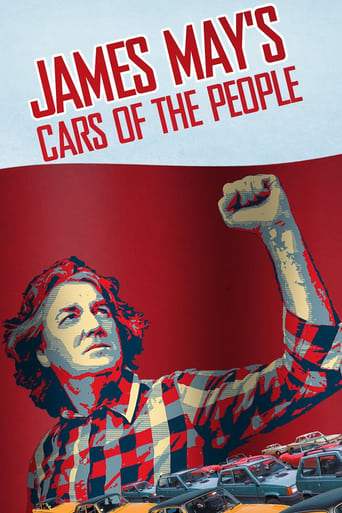
James May takes a look at the 'peoples car'. Covering every form of cars for the masses - from the Beetle to the Kei Car, May looks at the many forms of people's car, their origins and their effect on history. Each episode covers a particular theme; these being cars from dictatorships, microcars and the dream cars we aspire to.

Explore Marvel’s rich legacy of pioneering characters, creators and storytelling to reflect the world outside your window. Each documentary, helmed by a unique filmmaker, showcases the intersections of storytelling, pop culture, and fandom within the Marvel Universe.

Doctor Who Confidential is a documentary to complement the revival of the long-running British science fiction television series Doctor Who. Each episode was broadcast on BBC Three on Saturdays, immediately after the broadcast of the weekly television episode on BBC One. The running time of the first two series was 30 minutes, being extended to 45 minutes in the third. BBC Three also broadcast a cut-down edition of the programme, lasting 15 minutes, shown after the repeats on Sundays and Fridays and after the weekday evening repeats of earlier seasons.
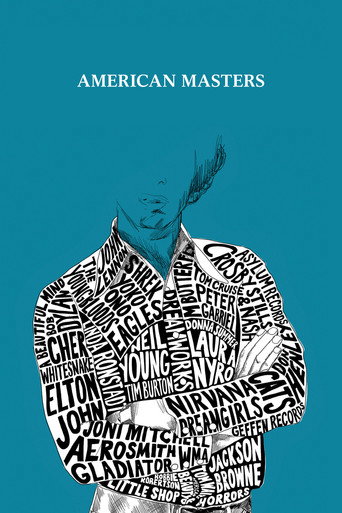
American Masters is a PBS television series which produces biographies on enduring writers, musicians, visual and performing artists, dramatists, filmmakers, and others who have left an indelible impression on the cultural landscape of the United States.
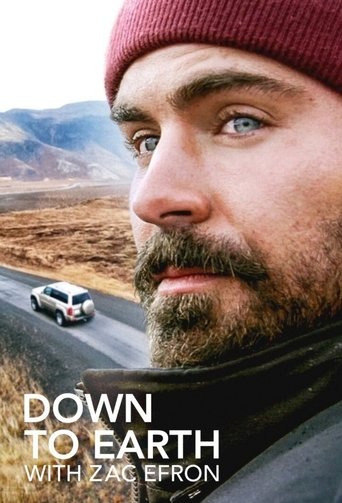
Actor Zac Efron journeys around the world with wellness expert Darin Olien in a travel show that explores healthy, sustainable ways to live.

From birth to brain surgery: This docuseries provides an intimate look at the lifesaving work of four doctors at Lenox Hill Hospital in NYC.
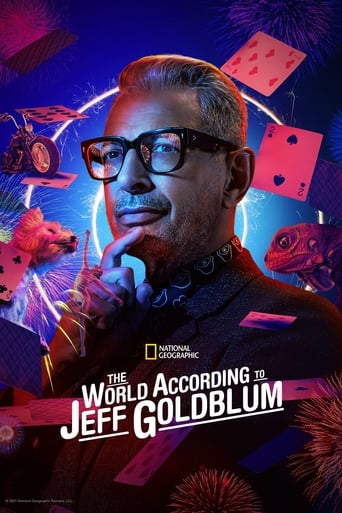
Through the prism of Jeff Goldblum's always inquisitive and highly entertaining mind, nothing is as it seems. Each episode is centered around something we all love — like sneakers or ice cream — as Jeff pulls the thread on these deceptively familiar objects and unravels a wonderful world of astonishing connections, fascinating science and history, amazing people, and a whole lot of surprising big ideas and insights.

The history of the sport of baseball in America, told through archival photos, film footage, and the words of those who contributed to the game in each era. Writers, historians, players, baseball personnel, and fans review key events and the significance of the game in America's history.
A British genealogy documentary series in which celebrities trace their ancestry, discovering secrets and surprises from their past.

Consistently stunning documentaries transport viewers to far-flung locations ranging from the torrid African plains to the chilly splendours of icy Antarctica. The show's primary focus is on animals and ecosystems around the world. A comic book based on the show, meant to be used an as educational tool for kids, was briefly distributed to museums and schools at no cost in the mid-2000s.
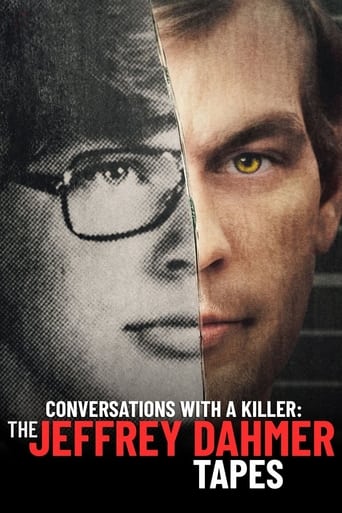
Serial killer Jeffrey Dahmer confesses to his gruesome crimes in unguarded interviews, offering an unsettling view into a disturbed mind.
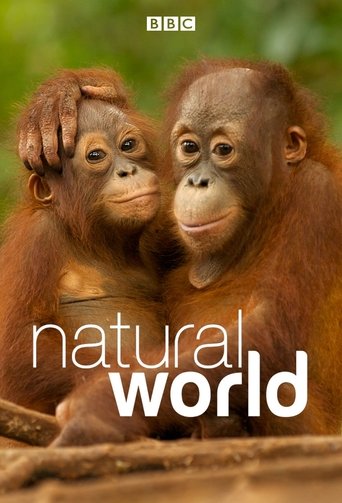
Natural World is a nature documentary television series broadcast annually on BBC Two and regarded by the BBC as its flagship natural history brand. It is currently the longest-running series in its genre on British television, with more than 400 episodes broadcast since its inception in 1983. Natural World is produced by the BBC Natural History Unit in Bristol, but individual programmes can be in-house productions, collaborative productions with other broadcasters or films made and distributed by independent production companies and purchased by the BBC. Natural World programmes are often broadcast as PBS Nature episodes in the USA. Since 2008, most Natural World programmes have been shot and broadcast in high definition.
Explore the history of the American LGBTQ movement through the lens of TV in this five-part docuseries. Combining archival footage with new interviews, the series looks at homophobia, the evolution of LGBTQ characters, and coming out in the TV world.
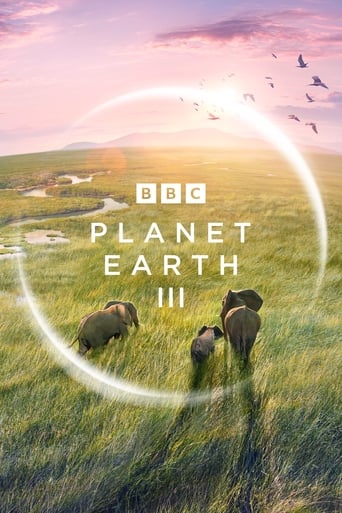
Journeying to the far reaches of our planet, this eight part series follows some of the world's most amazing species, telling extraordinary stories that are dramatic, thrilling, funny and sometimes heart-breaking, but always full of hope.
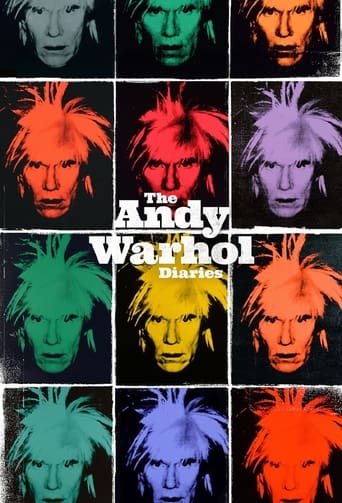
After he's shot in 1968, Andy Warhol begins documenting his life and feelings. Those diaries, and this series, reveal the secrets behind his persona.
Similar titles
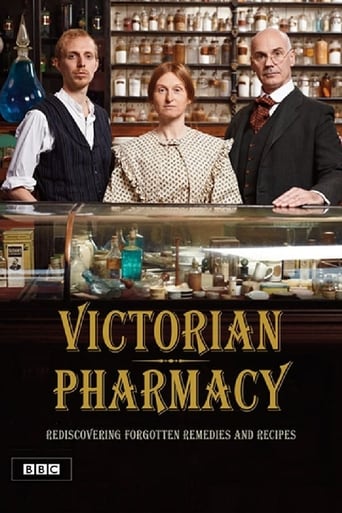
Victorian Pharmacy is a historical documentary TV series in four parts, first shown on BBC Two in July 2010. It was made for the BBC by independent production company Lion Television. It was filmed at Blists Hill Victorian Town in Shropshire. It is a historical documentary that looks at life in the 19th Century and how people attempted to cure common ailments. Since some of the ingredients of Victorian remedies are now either illegal or known to be dangerous, Nick Barber often uses his modern pharmaceutical knowledge to produce similar products without those ingredients. The other main presenters are Tom Quick, a PhD student, and Ruth Goodman, a domestic historian who also appeared in Tales from the Green Valley, Victorian Farm and Edwardian Farm.
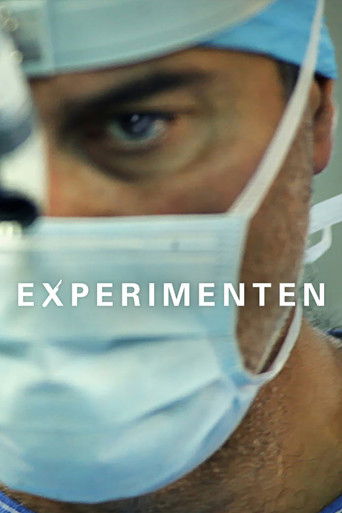
The series investigates Paolo Macchiarini’s claims to have invented a ground-breaking method to create new organs. His method using plastic tracheas sown with stemcells has been operated on patients in the US, Russia, Sweden and the UK. So far, unfortunately, the track record of his plastic organs is not very good. Almost all patients are dead. And several of his former surgeon colleagues in Sweden claim that not only does the method not work, but that his scientific claim to fame is based on falsified and misrepresented data. Some even claim that his patients have been used as human guinea-pigs.

Lucy Worsley, chief curator at Historic Royal Palaces, explores how the physical and mental health of our past monarchs has shaped the history of the nation.
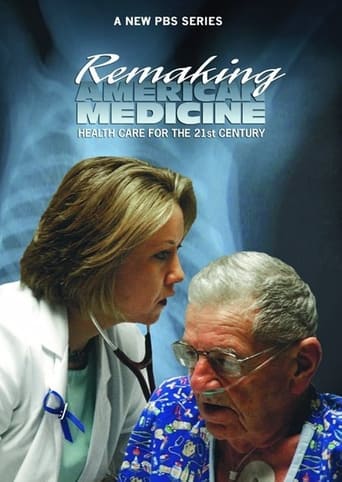
Examining the quality crisis in our health-care system and exploring innovative solutions, this four-part PBS documentary provides a comprehensive look at the state of medicine in America today. Topics include patient safety, medical and medication mistakes, hospital-acquired infections, family-centered care and effective management of chronic disease. Moving personal stories highlight the problems and the people who are working to solve them.
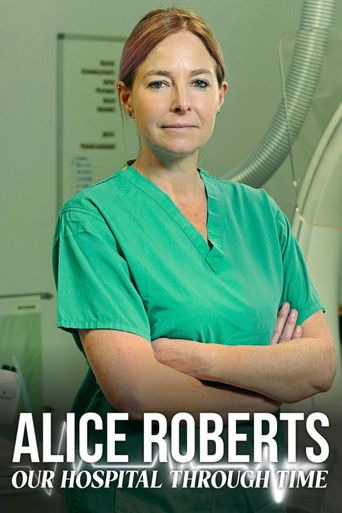
Unprecedented access to the renowned hospital's modern wards and private archive.
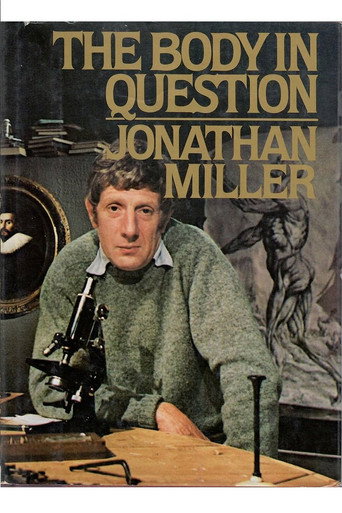
The Body in Question is a landmark British medical documentary series of 13 shows made for the BBC. It was a groundbreaking show, being the first to ever televise an autopsy (in the final show on 29 Jan 1979). Dr Jonathan Miller considers the functioning of the body as a subject of private experience. He explores our attitudes towards our bodies, our ignorance of them, and our inability to read our body's signals. The first episode starts with vox populi asking where various organs in the body are located. By the final episode we are left in no doubt. Taking as his starting point the experience of pain, Dr Miller analyses the elaborate social process of "falling ill", considers the physical foundations of "disease" and looks at the types of individuals humankind has historically attributed with the power of healing. The series was nominated for two 1979 BAFTAs: Best Factual Television Series and Most Original Programme/Series.
Surgeon Gabriel Weston introduces us to people from across the globe with the world's most unique bodies.
Is the modification of the human genome ethical? Is sustainable consumption at a low price possible? Are food intolerances just a passing trend? Professor of psychology Bertolt Meyer discusses controversial issues with specialists.
From the pioneering work of Galen on Roman gladiators to the latest advances in plastic surgery, this five-part series illustrates the evolution of surgical techniques—a story as much of mishaps and misadventures as it is of successes and amazing advances. Filmed in America and Europe and presented by the charismatic and medically trained Michael J. Mosley. Contains surgical scenes of a graphic nature. A BBC Production. 5-part series.
A fascinating insight into the evolution of modern medicine as we explore the medical treatments for certain issues from past to present, seeing just how much we have learned through trial and error. The series is also a chance to see how medical advancements are currently used to treat problems in the fields of oncology, ophthalmology, dentistry, neurology, obstetrics and orthopaedics, and to see what the future may hold.
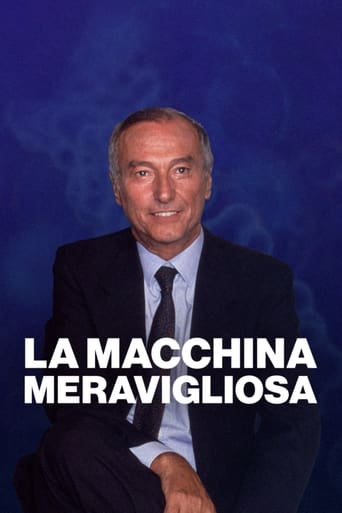
A long journey in 8 episodes to discover the human body, with Piero Angela who closely observes our organism, focusing each time on a theme: the eye, the ear, taste and smell, the stomach and the intestine, liver, bones, lungs and heart. How does our "wonder machine" work? To make each explanation direct and clear, the program uses films, animations and photographs developed with the scanning electron microscope.
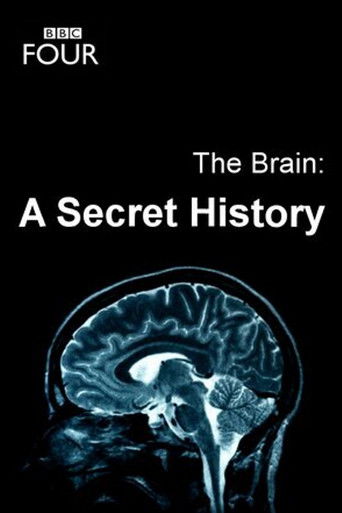
Michael Mosley embarks on three journeys to understand science's last great frontier - the human mind - as he traces the history of the attempts to understand and manipulate the brain.

Who really laced Tylenol with cyanide? This true-crime series examines alarming theories behind the unsolved killings — and tracks down a key suspect.
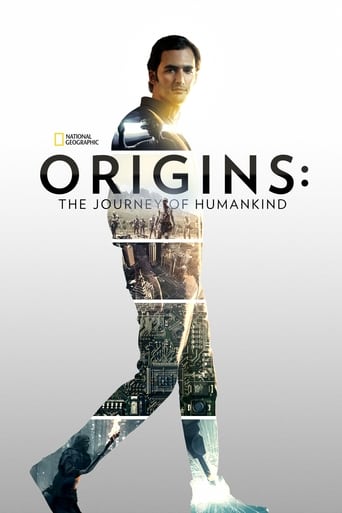
Hosted by Jason Silva, Origins: The Journey of Humankind rewinds all the way back to the beginning and traces the innovations that made us modern.

From critical emergencies to the operating room, this documentary series follows London's trauma centres as they treat the most severely injured.
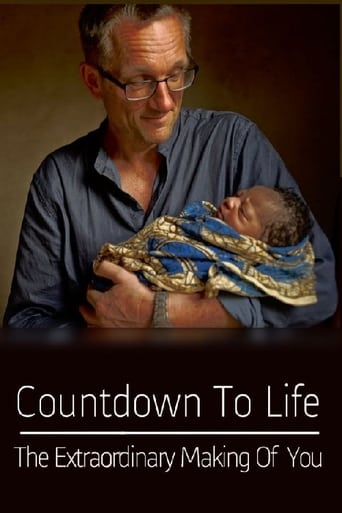
100 trillion cells. 280 days. One human life. A BBC Science series, produced in partnership with The Open University, exploring the making of you.
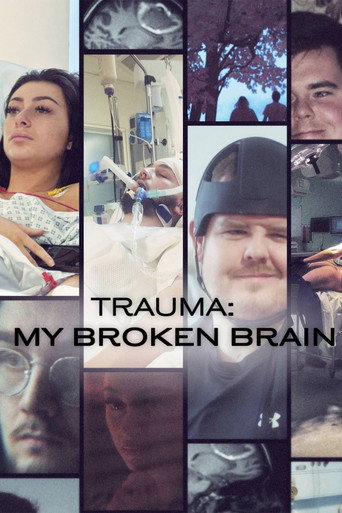
A documentary following three young people whose lives are changed by severe strokes. It shows their recovery process, including the physical and emotional challenges they face while relearning everyday skills and adjusting to life after brain injury. The series gives an intimate insight into their struggles, progress and attempts to rebuild their independence.

In this "entertaining medical series" (The Sunday Times, U.K.), Dr. Michael Mosley shows how drugs have revolutionized medicine and changed the course of human history. Unfolding over a period of 200 years, it's an extraordinary tale of daring, self-experimentation, revelation, genius, and outright luck.