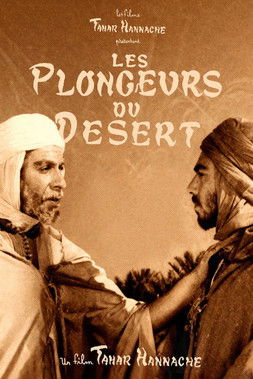
The Desert Divers
1952-01-01 · 21 min · ★ 10.0
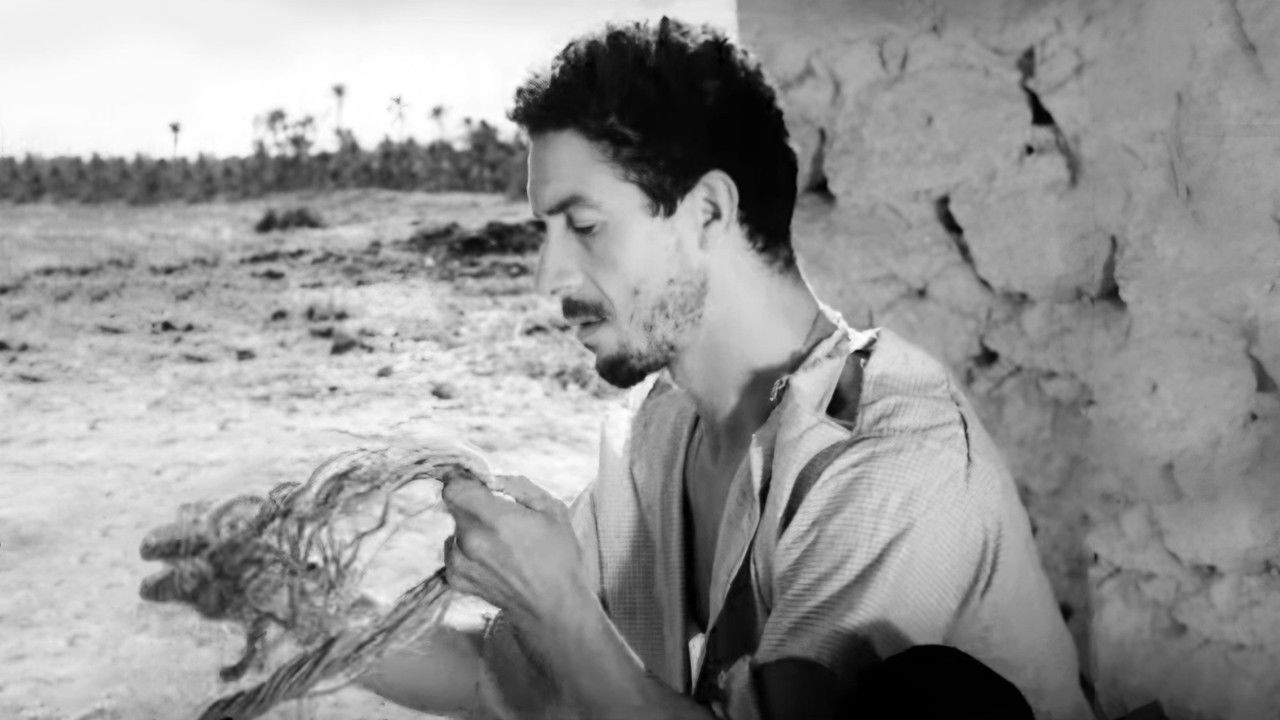
Les Plongeurs Du Désert, directed by Tahar Hannache in 1952, is considered the first entirely Algerian fiction film. It tells the story of the inhabitants of an oasis whose well has dried up. The village elder, Sheikh Messaoud, calls upon the renowned desert divers, artisans specializing in clearing sand- and silt-filled wells, to restore access to the vital water for the community. After their intervention, the water begins to flow again, bringing relief to the oasis and its inhabitants. The film depicts the contrast between the traditional techniques of the divers, embodied by Sheikh Ali and his son Mansour, and the arrival of modernity, represented by the machine that ultimately replaces their craft. This story symbolizes the marginalization of local knowledge in the face of technological progress and the social injustice of the colonial era.
Trailers are previews, not full movies.
No authorized playback source configured. Use the legal watch options below.
Production details
- Directors
- Tahar Hannache
- Production companies
- Les Films Tahar Hannache
- Countries
- Algeria
- Status
- Released
Top Cast
 Himoud BrahimiCheikh Ali
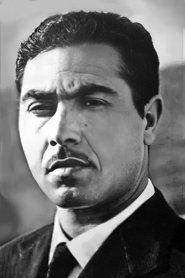 Djamel-Eddine ChanderliMansour
Title information and images are supplied by TMDb. Explore our discovery guide for advice on comparing metadata and legal viewing options.
Where to watch
Availability provided by JustWatch via TMDb. Offers can change. Provider links are listed on TMDb; full playback requires a separately authorized source.
Availability not listed for this country.
Seasons & episodes
Recommendations
When an oil rig in the Gobi Desert of Mongolia proves unproductive, an aircraft crew are sent to shut the operation down and fly them out. On the flight out over the desert on the way to Beijing, Capt. Frank Towns and co-pilot A.J. are unable to keep their cargo plane, a C-119 Flying Boxcar, in the air when a violent sandstorm strikes. Crash-landing in a remote uncharted part of the desert, the two pilots and their passengers -- a crew of oil workers and a drifter -- must work together to survive by rebuilding the aircraft. Soon, low supplies and a band of merciless smugglers add even greater urgency to their task.

An American couple drift toward emptiness in postwar North Africa.

Set in the Arabian Desert of 1916, the film follows Theeb, a young Bedouin boy, and his brother Hussein as they leave the safety of their tribe to venture on a treacherous journey at the dawn of the Great Revolt. If Theeb is to survive he must quickly learn about adulthood, trust and betrayal.
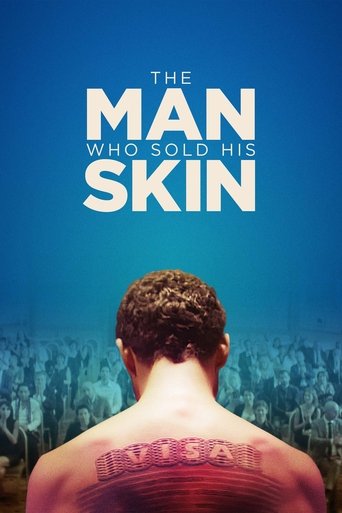
To be able to travel to Europe and find the love of his life, Sam Ali, a Syrian refugee, accepts to have his back tattooed by one of the most sulfurous contemporary artist; becoming that way a precious work of art.
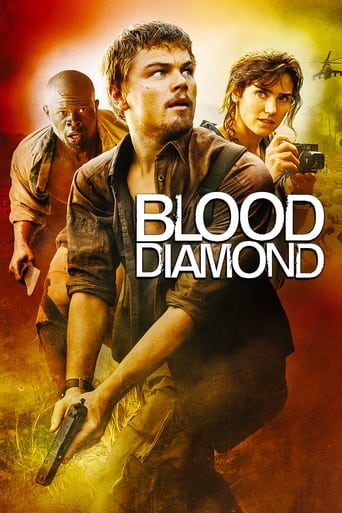
An ex-mercenary turned smuggler. A Mende fisherman. Amid the explosive civil war overtaking 1999 Sierra Leone, these men join for two desperate missions: recovering a rare pink diamond of immense value and rescuing the fisherman's son, conscripted as a child soldier into the brutal rebel forces ripping a swath of torture and bloodshed countrywide.

On the Arabian Peninsula in the 1930s, two warring leaders come face to face. The victorious Nesib, Emir of Hobeika, lays down his peace terms to rival Amar, Sultan of Salmaah. The two men agree that neither can lay claim to the area of no man’s land between them called The Yellow Belt. In return, Nesib adopts Amar’s two boys Saleeh and Auda as a guarantee against invasion. Twelve years later, Saleeh and Auda have grown into young men. Saleeh, the warrior, itches to escape his gilded cage and return to his father’s land. Auda cares only for books and the pursuit of knowledge. One day, their adopted father Nesib is visited by an American from Texas. He tells the Emir that his land is blessed with oil and promises him riches beyond his wildest imagination. Nesib imagines a realm of infinite possibility, a kingdom with roads, schools and hospitals all paid for by the black gold beneath the barren sand. There is only one problem. The precious oil is located in the Yellow Belt.

Thrown together under incredible circumstances, two strangers must discover courage and strength when they begin a journey across the treacherous African desert! Equipped only with their wits and the expertise of a native bushman who befriends them, they are determined to triumph over impossible odds and reach their destination. But along the way, the trio face a primitive desert wilderness.
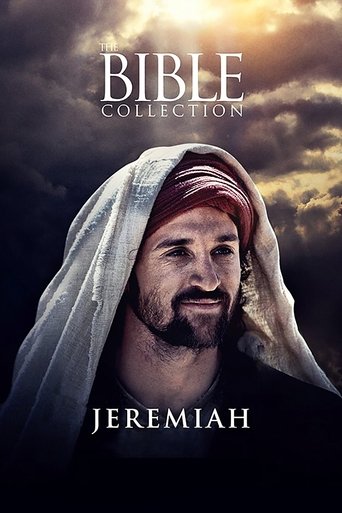
The young Jeremiah grows up in a priest's family in the village of Anathoth, near Jerusalem. God appears to Jeremiah in different human guises on several occasions, and makes it clear that he has been selected to announce God's message to the people of Jerusalem.

In this animated retelling of the story from the Bible's Book of Genesis, Joseph's gift of dream interpretation and his brilliantly colored coat inspires jealousy in his brothers.
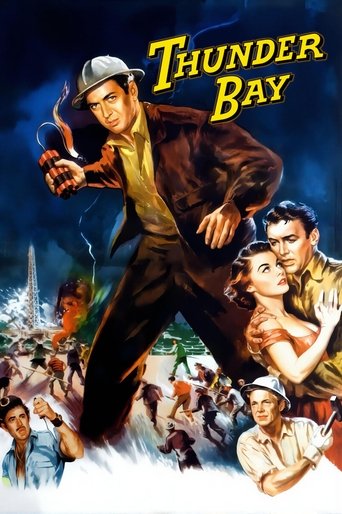
Shrimpers and oilmen clash when an ambitious wildcatter begins constructing an off-shore oilrig.
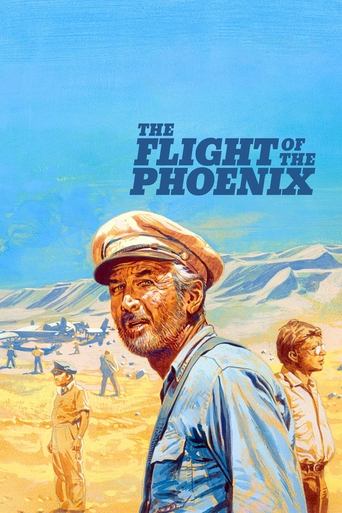
A cargo aircraft crashes in a sandstorm in the Sahara with less than a dozen men on board. One of the passengers is an airplane designer who comes up with the idea of ripping off the undamaged wing and using it as the basis for a replacement aircraft they need to build before their food and water run out.

After an inspiring chance encounter with his idol, rookie journalist Jay Bahadur uproots his life and moves to Somalia looking for the story of a lifetime. Hooking up with a local fixer, he attempts to get embedded with the local Somali pirates, only to quickly find himself in over his head.

Sarah Rector, a Black girl born in early 20th-century Oklahoma Indian Territory, believes there is oil beneath the barren land she’s allotted, and her faith proves right. As greedy oil sharks close in, Sarah turns to family, friends, and some Texas wildcatters to maintain control of her oil-rich land, eventually becoming among the nation's first Black female millionaires—at eleven years old.

Thomas Montgomery, a married father of two young daughters, gets seduced by the world of online gambling and chat rooms where a virtual romance and sexual obsession ultimately leads to the murder of an innocent man.
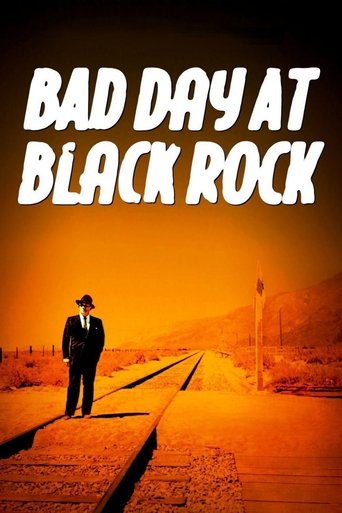
One-armed war veteran John J. Macreedy steps off a train at the sleepy little town of Black Rock. Once there, he begins to unravel a web of lies, secrecy, and murder.

Isaac's son Jacob deprives his brother Esau of his birthright and has to flee for his life. He finds shelter with his uncle Laban, but is himself deceived. Finally, Jacob has to face both his uncle and brother.

A man wanders out of the desert not knowing who he is. His brother finds him, and helps to pull his memory back of the life he led before he walked out on his family and disappeared four years earlier.
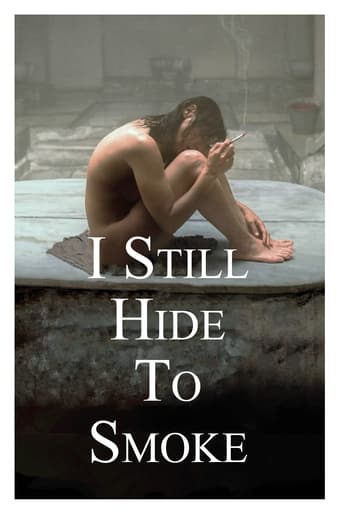
Α tragi-comedy about 9 women of different ages and various backgrounds that gather in an Algerian hammam to talk about their lives.
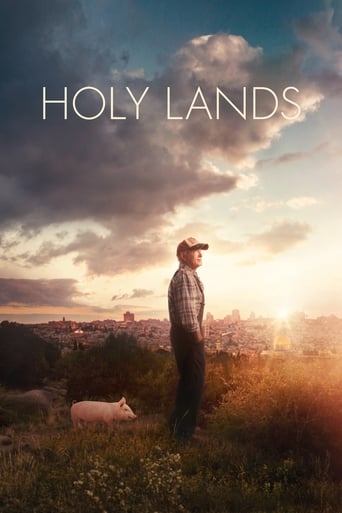
When lapsed Jew and former cardiologist Harry suddenly decides to spend his retirement as a pig farmer in Nazareth, Israel, the move deeply shocks his family and his new neighbours. Back in New York, Harry’s ex-wife Monica is trying to manage the lives of their adult children, Annabelle and David, as well as her own.
An arrogant reporter exploits a story about a man trapped in a cave to revitalize his career.
Similar titles
Algiers, 1938. Meursault, a quiet and unassuming employee in his early thirties, attends his mother's funeral without shedding a tear. The next day, he begins a casual affair with Marie, a work colleague. He quickly slips back into his usual routine.

27 years after 1962, Antoine returns to Algiers...
In the midst of the Algerian liberation war, two characters, a meddah (traditional storyteller) and a guerrab (water distributor), having become aware of their subhuman condition in their own country, join the National Liberation Army (ALN) to fight against inhumane colonialism. They will climb the ranks to become political commissioners before falling on the field of honor, the first in a skirmish and the other in Barberousse prison (Serkadji) where he will be guillotined.
In the midst of the Algerian war for independence, a group of fighters is trapped in the mountains, surrounded by the colonial army. Cut off from their allies, they have only one hope: to transmit a vital message to save their unit. But crossing enemy lines is a suicide mission. Their only chance lies with an unexpected messenger: a courageous dog named Messaoud. Carrying the letter attached to his collar, he embarks on a perilous crossing, braving the hostile nature and the dangers of war. But when he is captured by the enemy, his courage and instinct become his only weapons. Prisoner, hunted, he must risk everything to escape and accomplish his mission before it is too late. Sacrifice, bravery and hope mingle in this breathtaking odyssey where the humblest of heroes can change the course of history. The Unknown Hero, a moving film which won first prize at the Arab World Festival in 2017.
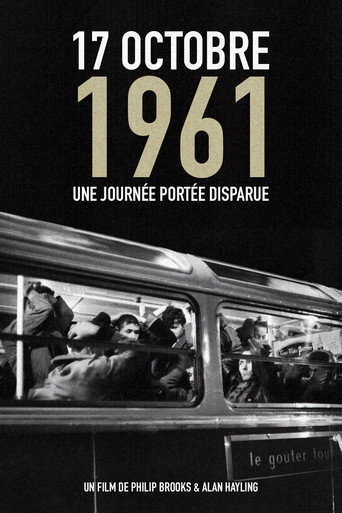
This documentary bears witness to the events that took place more than thirty years before the filming of this movie, on October 17, 1961, in Paris, during the Algerian War. It is a work not only about historical truth but also about memory. Constructed primarily from interviews conducted with those involved in the events, along with archival footage, photographs, and radio broadcasts from the time, our investigation proves that nearly 200 Algerians were killed (drowned, tortured) that night and in the days that followed by the French police. "A Missing Day" seeks to ask two key questions: how could such events have unfolded in the capital of a Western democracy barely thirty years ago? And why have they been silenced ever since?
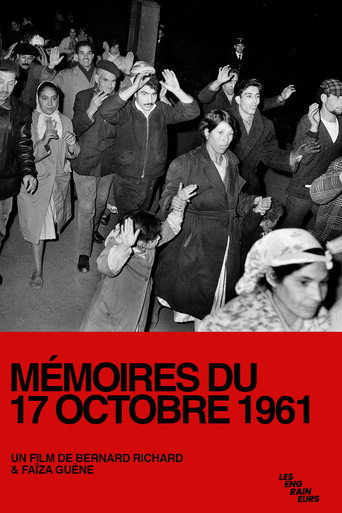
Three demonstrators from October 17, 1961, and a journalist recount the peaceful success of the demonstration and its brutal repression in the streets of Paris. Five months before the end of the Algerian War, the Gaullist government violently suppressed (40 to 300 deaths in a single evening, according to various sources) a peaceful demonstration by the entire Algerian civilian population of the Paris region, protesting the curfew imposed solely on this population (all participants held French citizenship). The government long denied this state crime; the official version: 3 deaths! In 1962, these events were granted amnesty by a simple decree (later enacted into law) issued by the same Gaullist government.
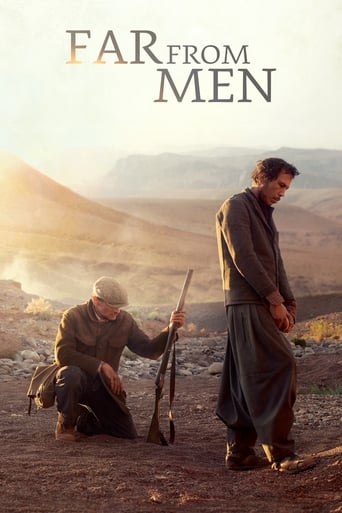
A French teacher in a small Algerian village during the Algerian War forms an unexpected bond with a dissident who is ordered to be turned in to the authorities.
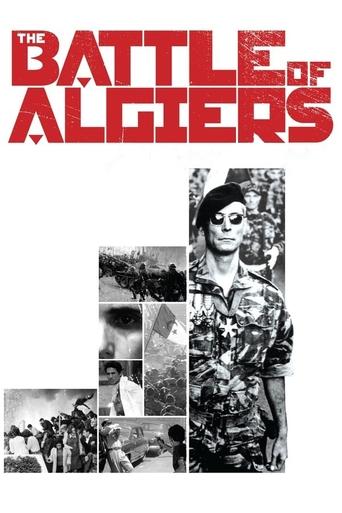
Former petty criminal Ali la Pointe becomes a commander of the Algerian Front de Liberation Nationale, directing a guerilla insurgency against the colonial French occupation. Paratrooper commander Colonel Phillippe Mathieu, a veteran of World War II and the First Indochina War, is sent to Algeria to reinforce efforts to squelch the uprisings.
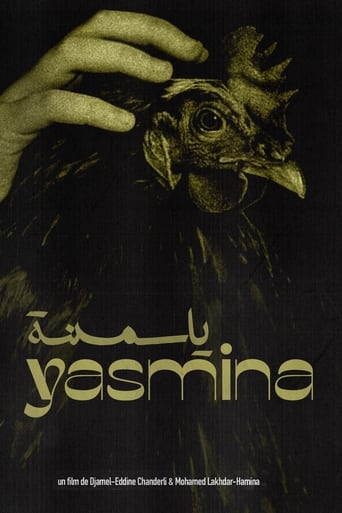
"Yasmina" filmed in 1961 in the middle of the Algerian war tells the story of a little Algerian girl with her hen and her family whose father was killed in a bombing by the French colonial army of occupation. The family, after a long journey, heads towards the refugee camps on the Tunisian border. Produced by the Cinema Service of the Provisional Government of the Algerian Republic (GPRA) in the midst of the war of independence, these films were intended to re-inform the population and international public opinion on the abuses committed by the French colonial army: torture, arrests and arbitrary executions, napalm bombings, fires in douars, entire villages wiped off the map, etc. which the French media described as a "pacification" campaign. The latter censoring or reorienting any images that could harm the colonial narrative.
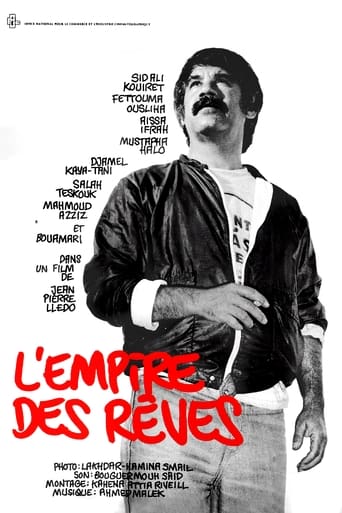
A stubborn director who wants to rediscover the Algiers of his childhood comes up against the “Hollywood” fantasies of his characters, non-professionals all hoping to be able to become “someone else”, at least for the duration of a film… Mise en abyme for a journey into megalomania…

Selim Mechoubine, a young man of 28, is the eldest of a large family. In the cramped accommodation he shares with his parents, brothers and sisters... he occupies the kitchen, the refuge of his dreams and his many fantasies. Selim, the court clerk where divorcing couples parade..., wants to get married. His mother finds him “the rare pearl”. But now, the bride's family demands that the couple have their own home... Selim's misadventure begins; he finds himself confronted with the problems of the housing crisis which forces him to begin a long quest, procedures, requests to find the sine qua non condition for his marriage.
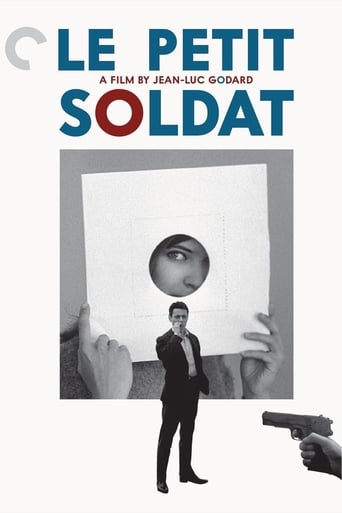
Despite his lack of political convictions, photojournalist Bruno Forestier is roped into a paramilitary group waging a shadow war in Geneva against the Algerian independence movement.
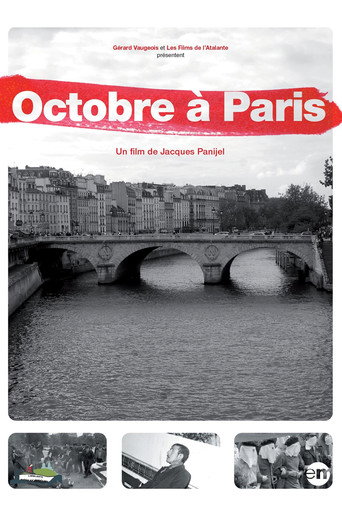
On October 17, 1961, 30,000 Algerians demonstrated peacefully in Paris to protest the discriminatory curfew imposed upon them and to demand Algerian independence. Under the authority of the then Prefect of Police, Maurice Papon, the demonstration was brutally repressed, resulting in the deaths of dozens of Algerians. Historians cite eleven thousand arrests, dozens of murders, demonstrators thrown into the Seine, hundreds of expulsions, and just as many complaints that went unanswered; all for a night that would become a blind spot in the national narrative. No investigation, no trial, and certainly no commemoration. The day after the demonstration, Jacques Panijel began filming *October in Paris* to alert the public to the massacre that had just taken place in the streets of Paris. The film was banned by the French authorities. It obtained a distribution license in 1973. It was first shown in theaters in October 2011.
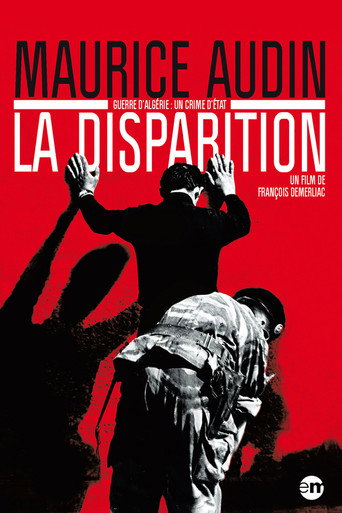
In Algiers, in June 1957, Maurice Audin, a 25-year-old mathematician, was arrested by French paratroopers. His wife, Josette, and their three children never saw him again. This documentary interweaves testimonies from French and Algerian protagonists: activists for Algerian independence, lawyers, historians, and military personnel. Drawing on the research of historian Pierre Vidal-Naquet, it blends archival footage, newspaper articles, books, drawings, and reenactments to reconstruct the context of this disappearance and denounce the torture and murder practiced in Algeria. Josette Audin is the central figure and the moral compass of this film.
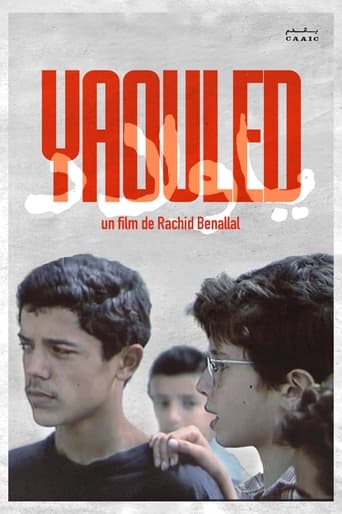
A young Arab boy, a teenager "Yaouled", who lives on the streets and scrapes by doing odd jobs: shoe shining, street vending, etc. The film tells the story of a group of yaouleds from the Bab-el-Oued neighborhood, caught in the crossfire between the French settlers on one side and the Algerians on the other during the events of July 1962 in Algeria.

In the streets of Algiers, the fundamentalist fervor of the Black Decade is growing. Fella, a 40-year-old Algerian woman, is about to go out to participate in a television program and be interviewed. But doubt, fear, and pain make her hesitate. Is this the moment to speak out as a woman, to remember the past, to recount the dream, the utopia, and the reality after independence?

Long quest for a director specializing in commissioned films, who after a depression rediscovers his loved ones, his Casbah district, himself. Taken in hand, for a while, by his Islamist neighbor, it is above all the meeting with an old projectionist giving him a censored history of cinema and Algeria, which helps him to change, and to accept his own fantasies, embodied by Marilyn Monroe and the Andalusian.
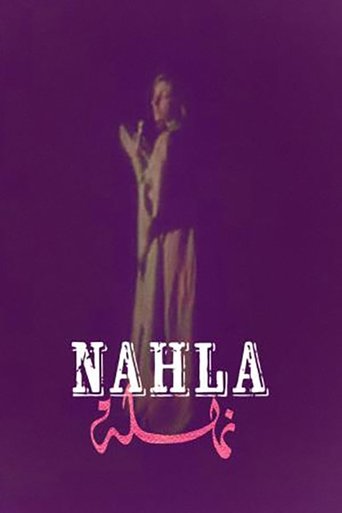
After the battle of Kfar Chouba in Lebanon in January 1975, Larbi Nasri, a young Algerian journalist, was caught in the whirlwind of events preceding the civil war. Linked to Maha, Hind, Raouf and Michel who surround Nahla, he witnesses the construction of the myth of Nahla, a singer adored by the Arab population. One day Nahla loses her voice on stage. The atmosphere of crisis that reigns around her is spreading like an infection. Larbi, fascinated, loses his footing and gets bogged down.
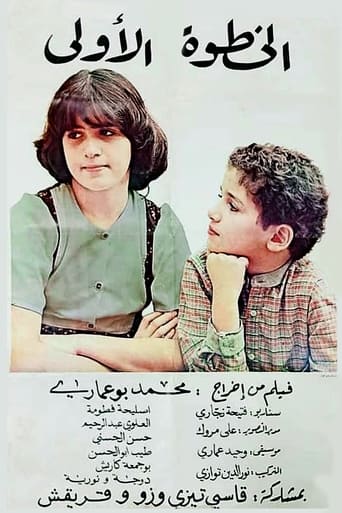
A modern couple seeks to find marital happiness in a context where Algerian society is taking the “first step” towards female emancipation. A woman becomes president of a popular municipal assembly. Will she find happiness ?
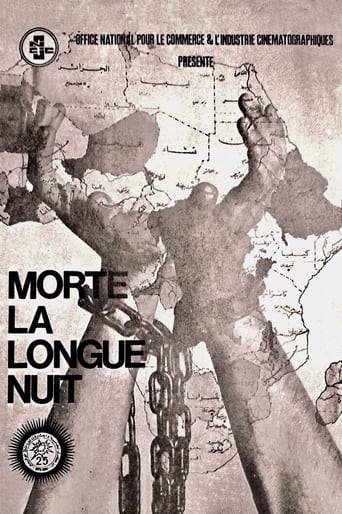
Composed of archive images narrated by the writer, anthropologist and linguist Mouloud Mammeri, the film offers a reflection on the anti-colonialist and anti-imperialist struggle movements of the 1970s around the world.